Explore our leading thermodynamic engineering catalog designed for extreme durability, low maintenance, and maximum carbon offset efficiency.
In the modern era of resource conservation, industrial manufacturing sectors globally—spanning chemical processing, agricultural starch refining, municipal waste handling, and dairy production—are confronted with the critical challenge of high energy expenditure. Evaporator and heat transfer systems stand as the cornerstone of concentration processes, where efficiency dictates operational viability.
Modern regulatory framework conditions such as Europe's ESG mandates, North America's strict carbon offset policies, and Asia's Zero Liquid Discharge (ZLD) protocols have transformed how companies select heat transfer technology. Manufacturers no longer view concentration as simple boiling. Instead, it is an intricate exercise in system thermodynamics where multi-effect waste heat integration, mechanical vapor recompression (MVR), and optimize heat transfer coefficients (U-values) determine long-term ROI.
By recycling the latent heat of vaporization through MVR systems, mechanical work replaces massive volumes of live boiler steam. Our factory engineered solutions are optimized to reduce specific energy consumption to as low as 15–20 kWh per ton of water evaporated, yielding up to an 85% energy reduction compared to standard single-effect thermal setups.
A comprehensive overview of our patented process equipment systems designed for continuous, high-fouling, and heat-sensitive concentrations.
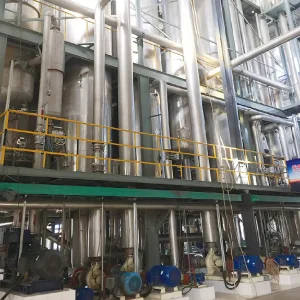
Engineered for high thermal efficiency and short product residence time, our falling film evaporators guarantee minimized thermal degradation. The process feed liquid is uniformly distributed across the internal surfaces of vertical tubes, forming a thin downward-flowing film. Heated externally by vapor, boiling occurs on the inner surface.
This setup is perfect for heat-sensitive liquids. Strict design limits are enforced on wetting rates to prevent local drying, fouling, and scale buildup, ensuring stable heat transfer coefficients.
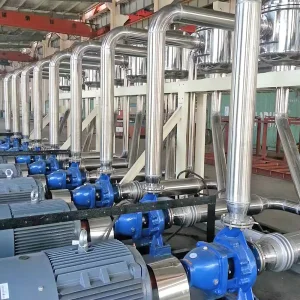
Optimized for viscous materials, high salinity, and products prone to crystallization. High-velocity axial flow pumps push the liquid through heat exchanger tubes at high speed, suppressing boiling inside the tube. Boiling occurs exclusively inside the flash separator vessel.
This operational mechanism significantly reduces scaling on heat transfer surfaces, enabling continuous operation under extremely high solids loading.
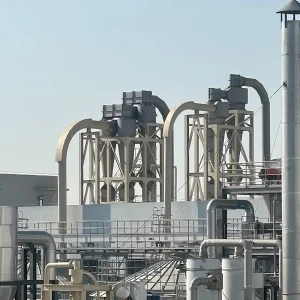
Jiangsu Zongheng's MQG Airflow Dryer utilizes high-velocity thermal streams to suspend and instantaneously dry moist powders, starches, or grains. Variable tube diameters introduce impulse turbulences that maximize convective heat transfer.
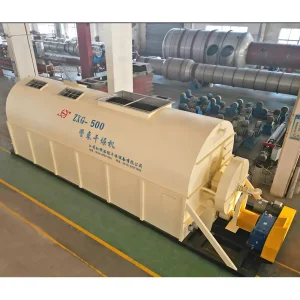
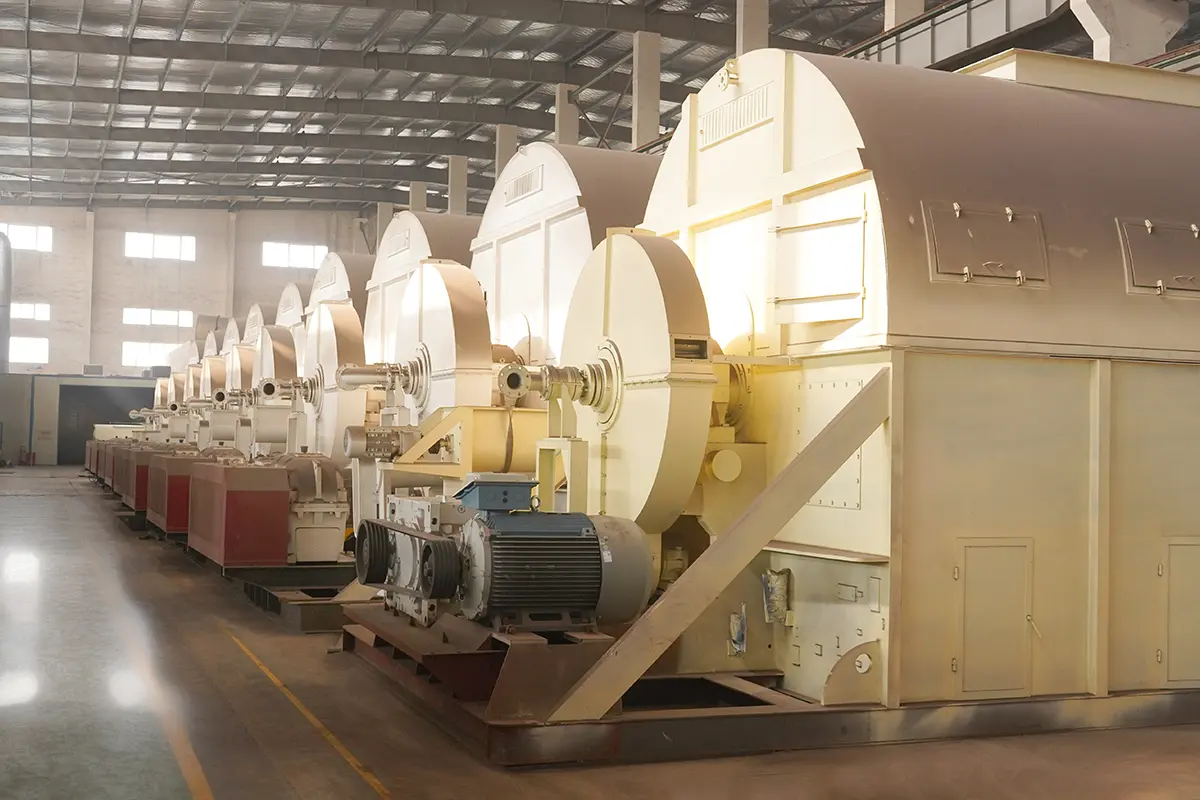
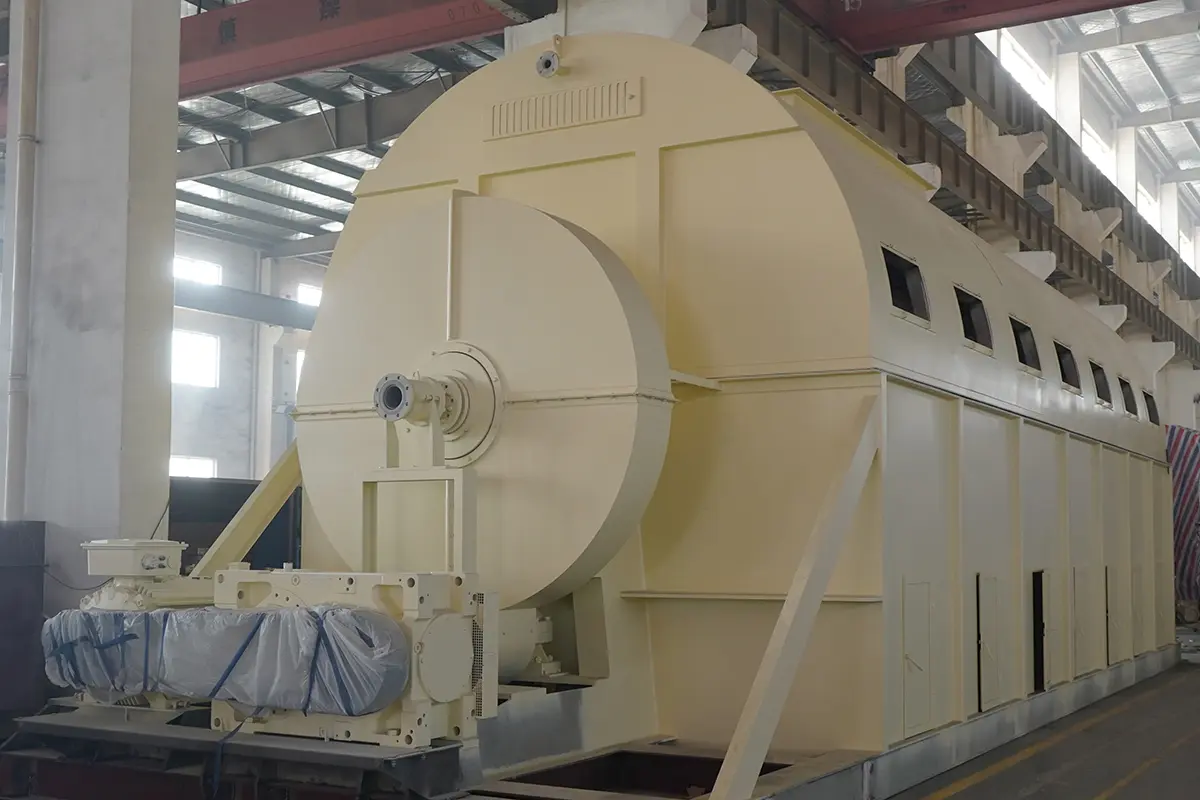
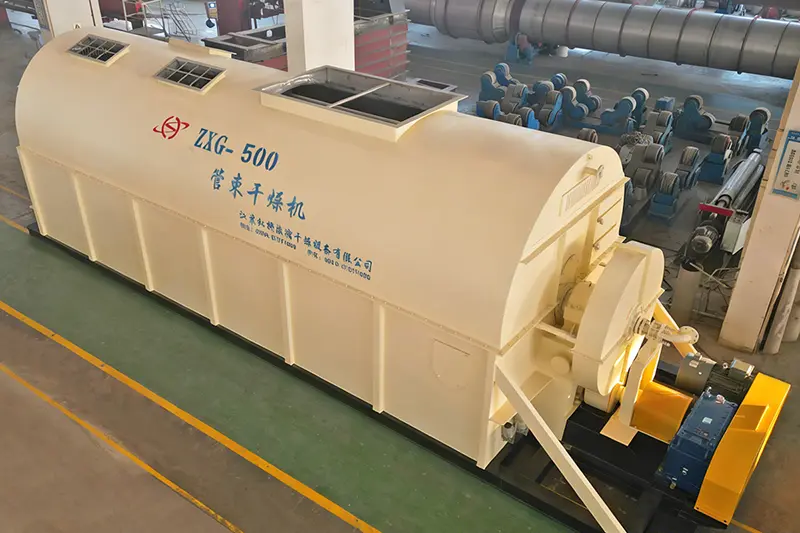
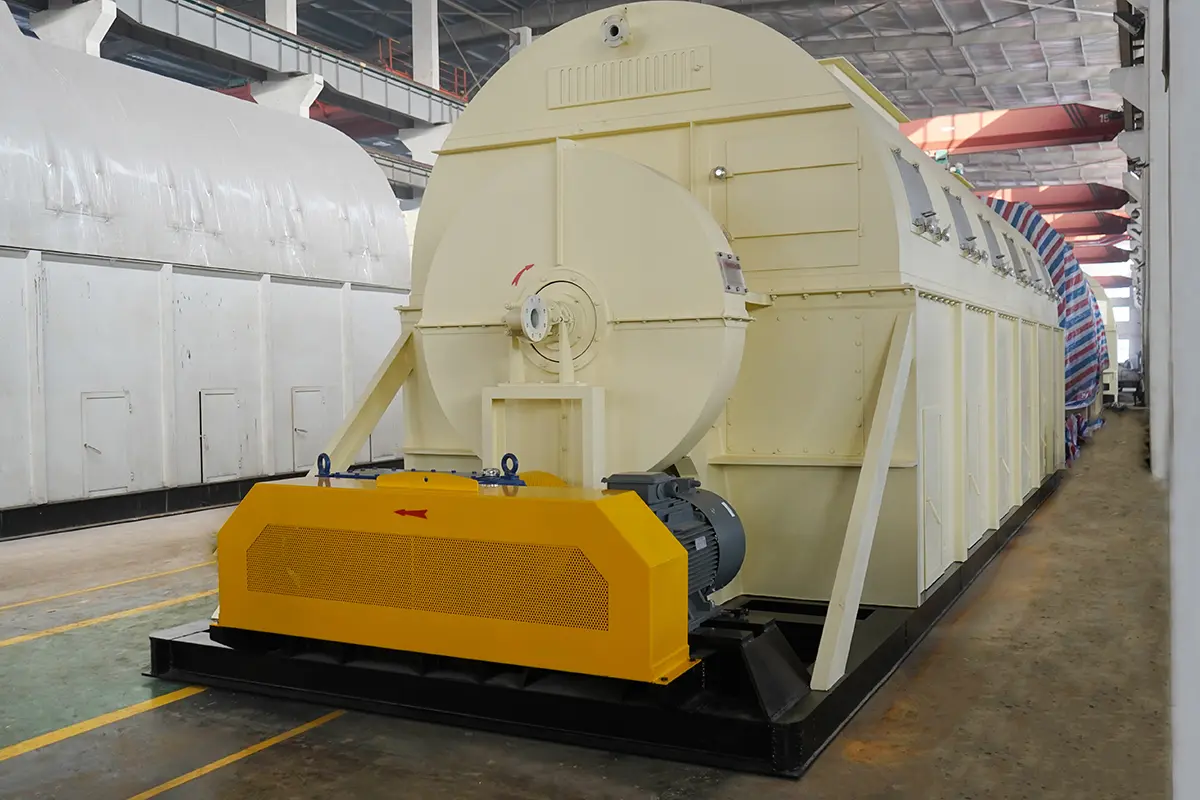
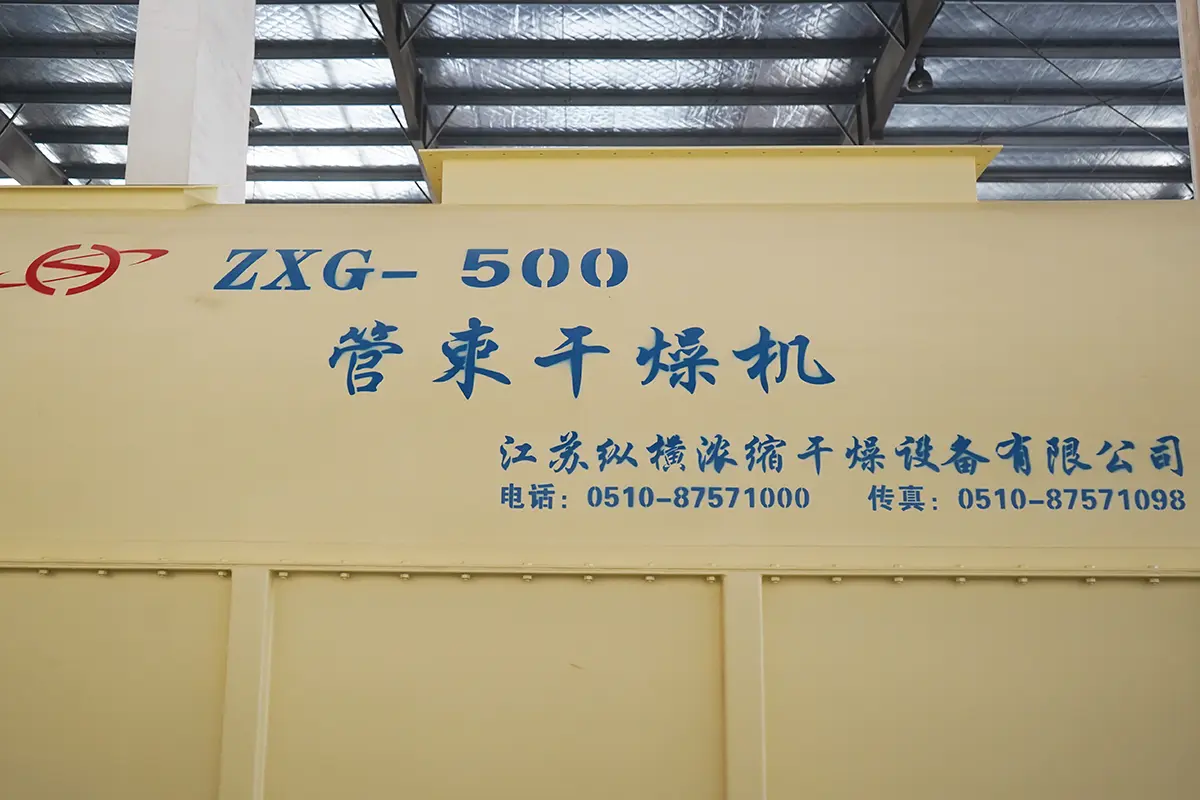
Complementary to this, our ZXG Tube Bundle Dryer operates under low-oxygen, high-safety criteria, relying on indirect steam heating via revolving tube bundles to continuously dry materials without thermal degradation.
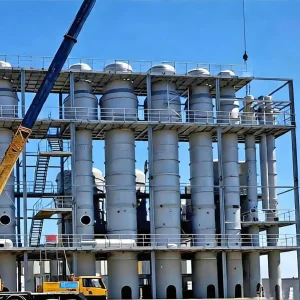
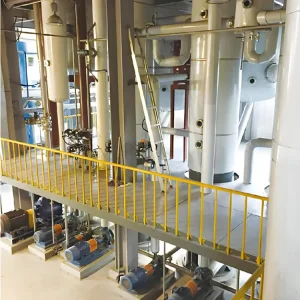
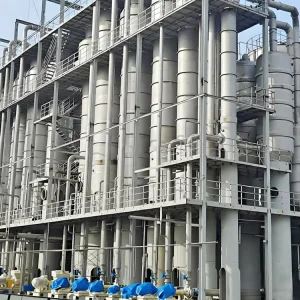
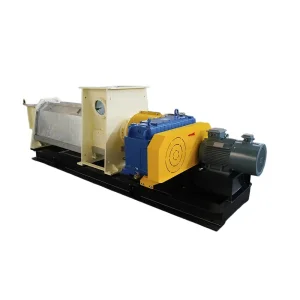
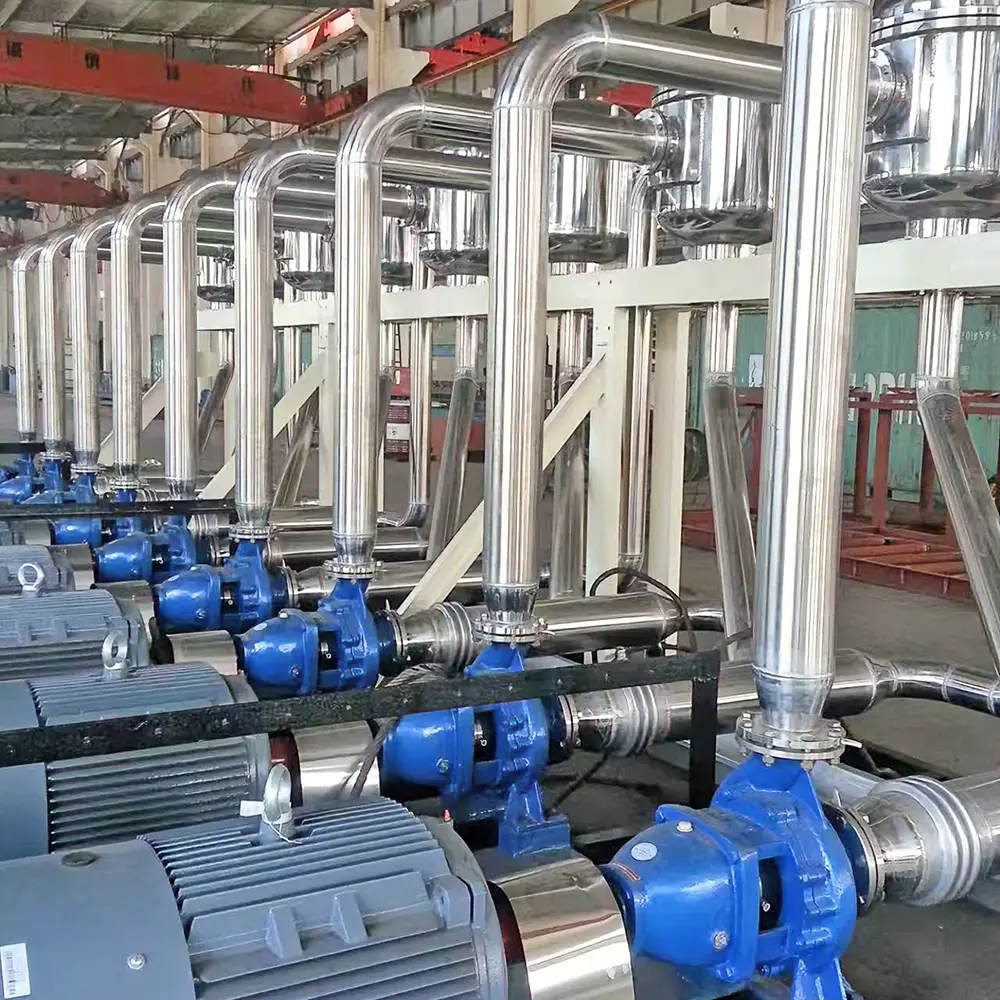
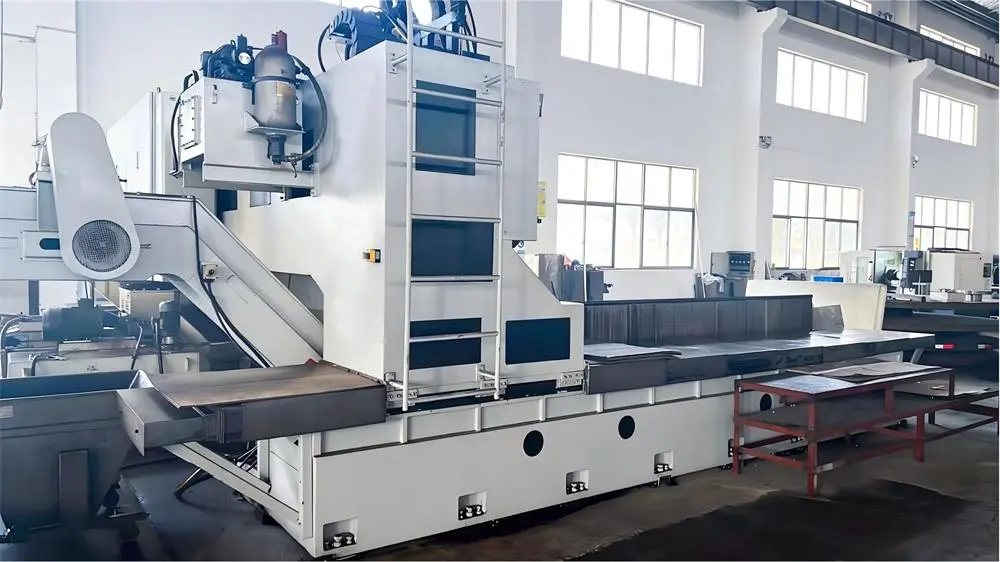
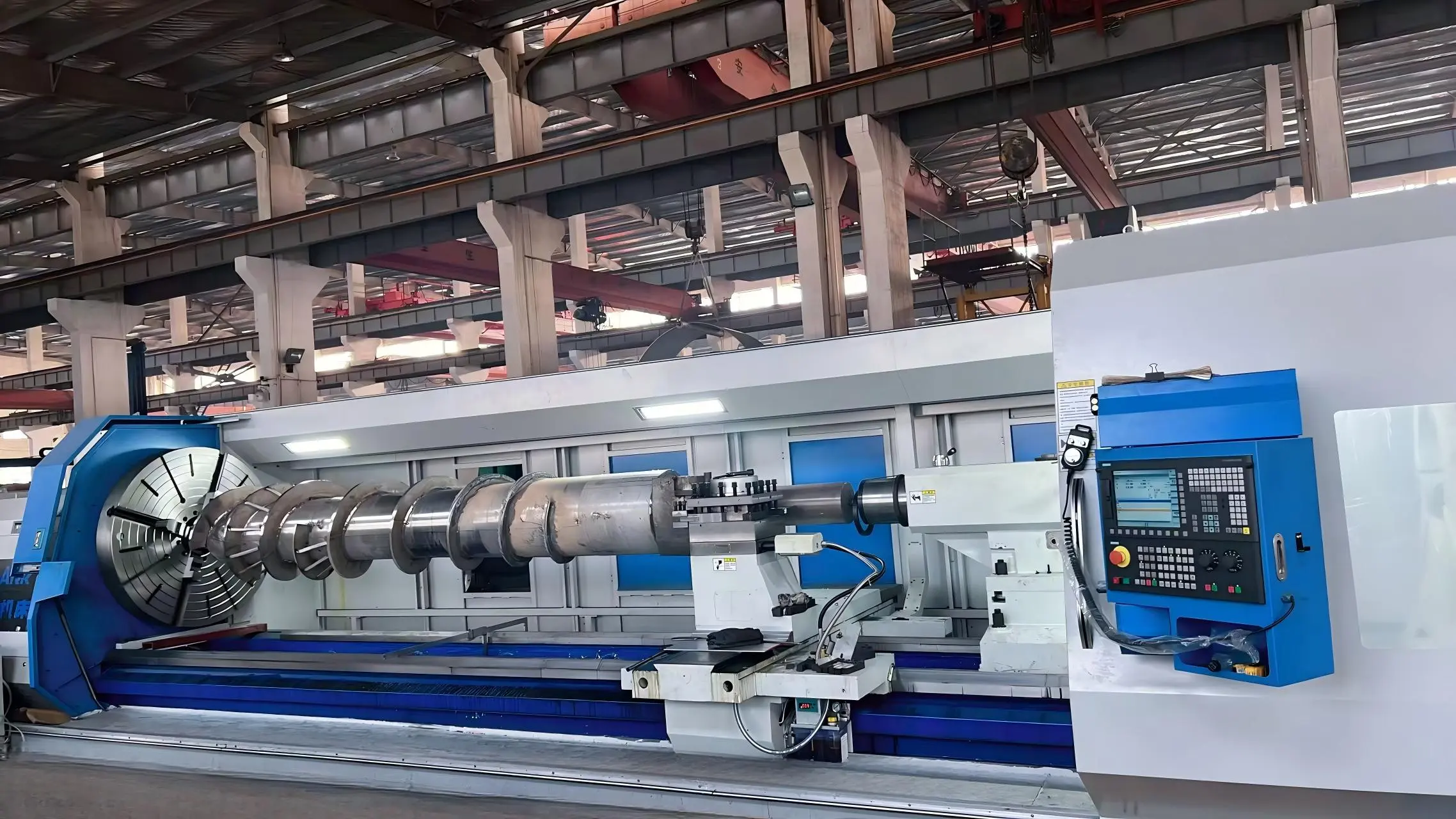
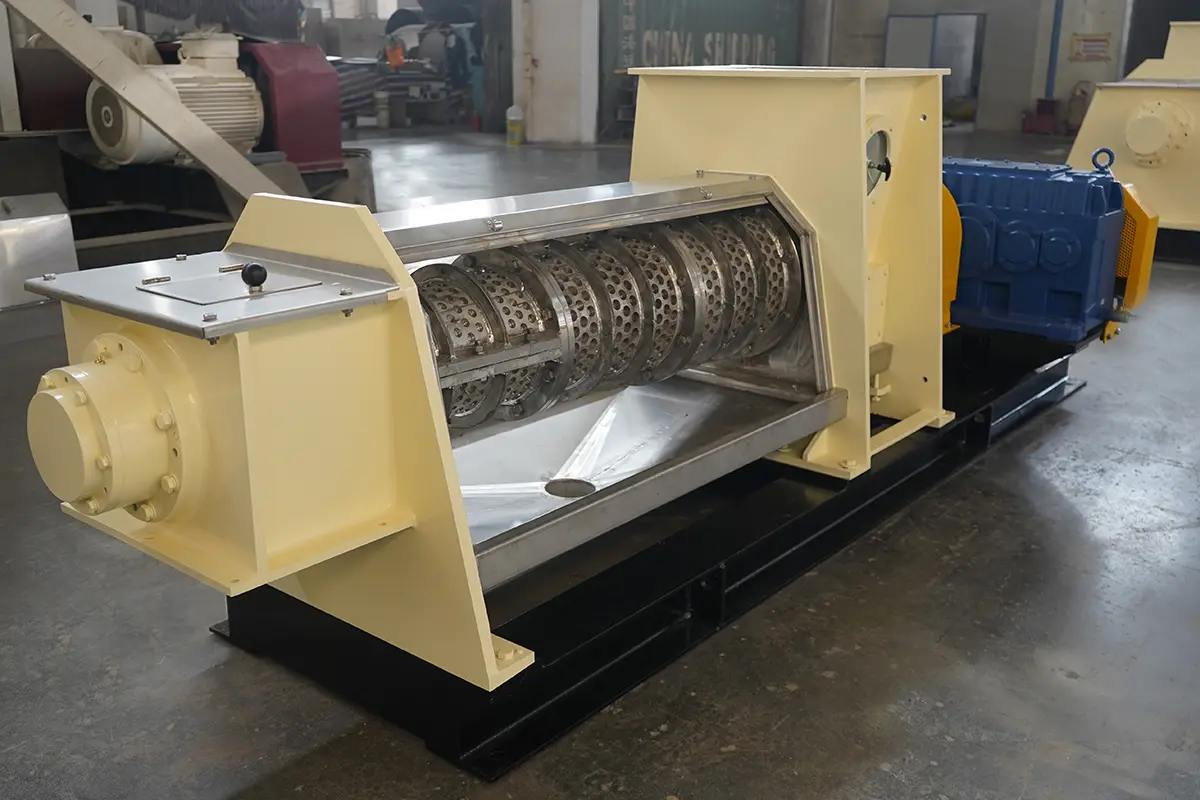
Actual plant equipment models fabricated within our ASME-certified production facility.
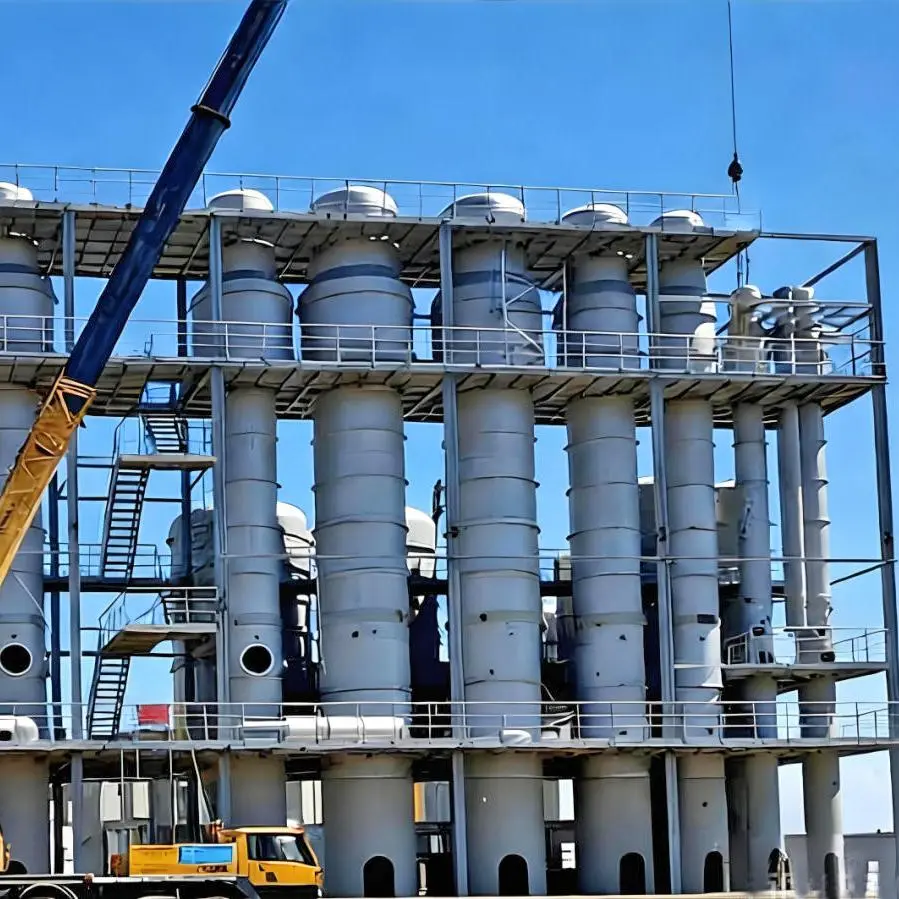
Energy-efficient MVR, TVR, and multi-effect systems tailored to high-capacity chemical and food processing plants.
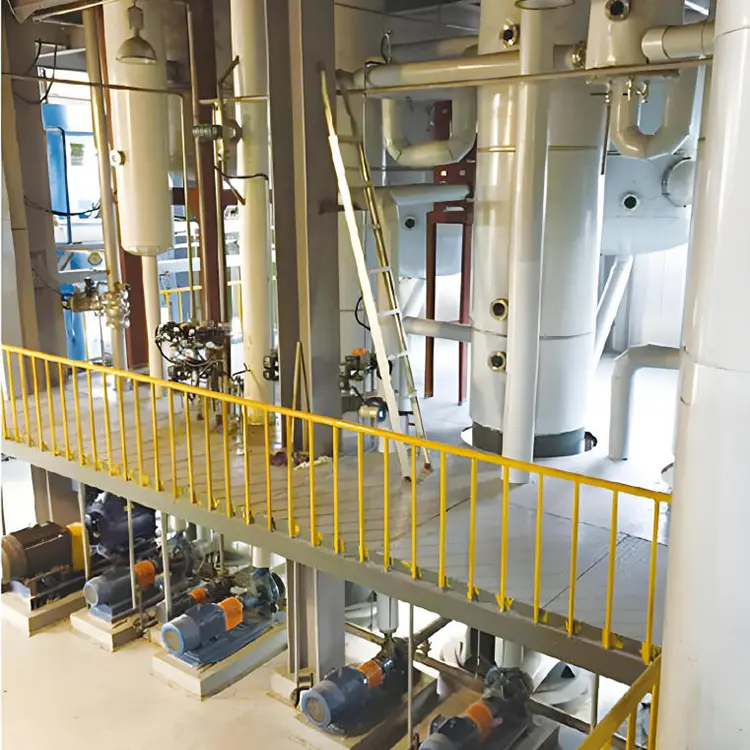
Precision control over wetting parameters and liquid film distribution for heat-sensitive organic compounds.
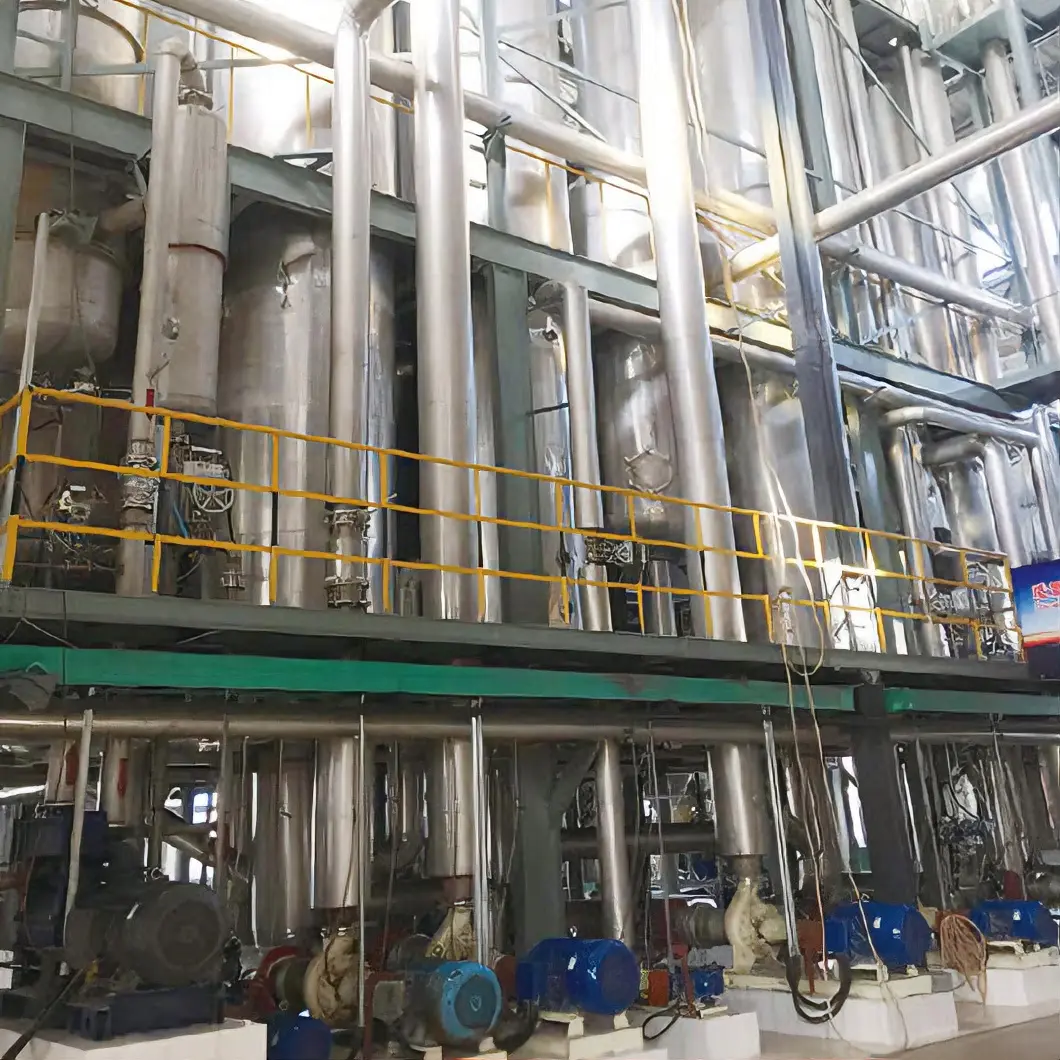
Heavy-duty high-speed design ensuring minimal crystal deposition and prolonged process runs.
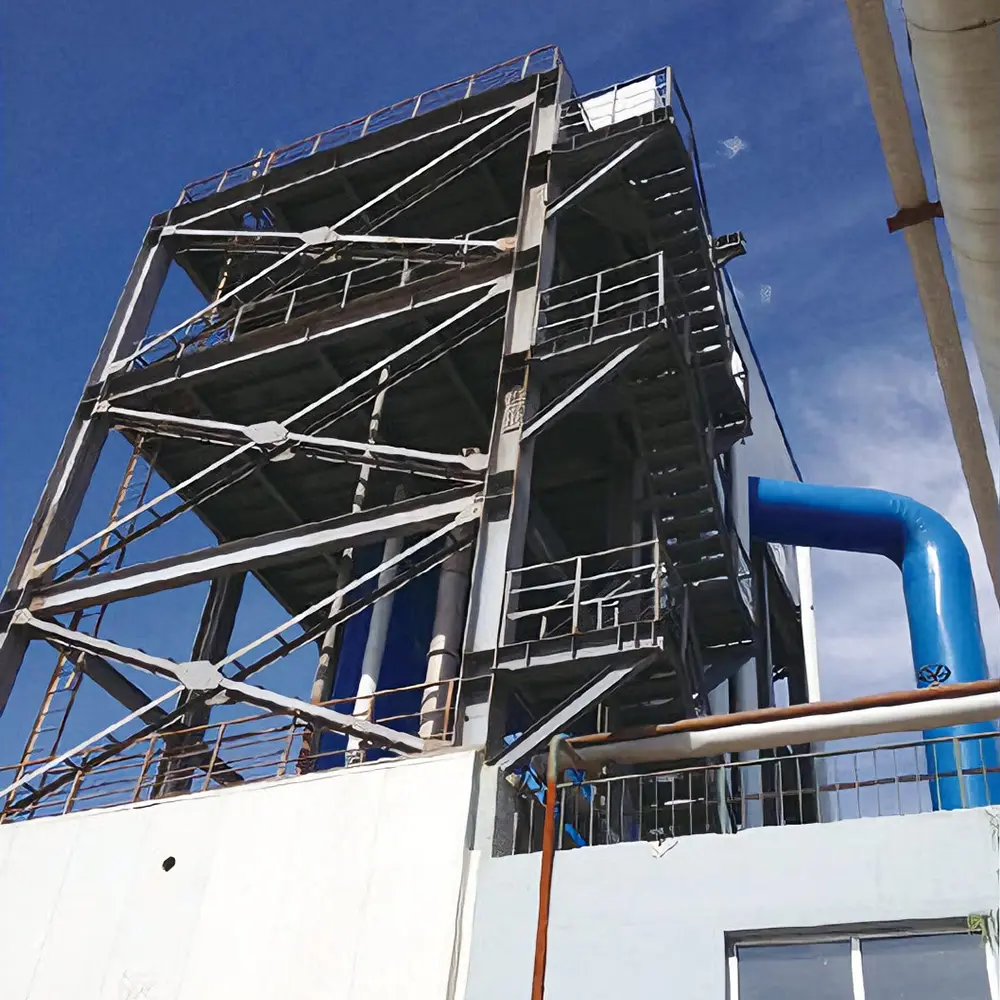
Mechanical vapor recompression (MVR) technology to recover latent heat, eliminating excessive steam consumption.
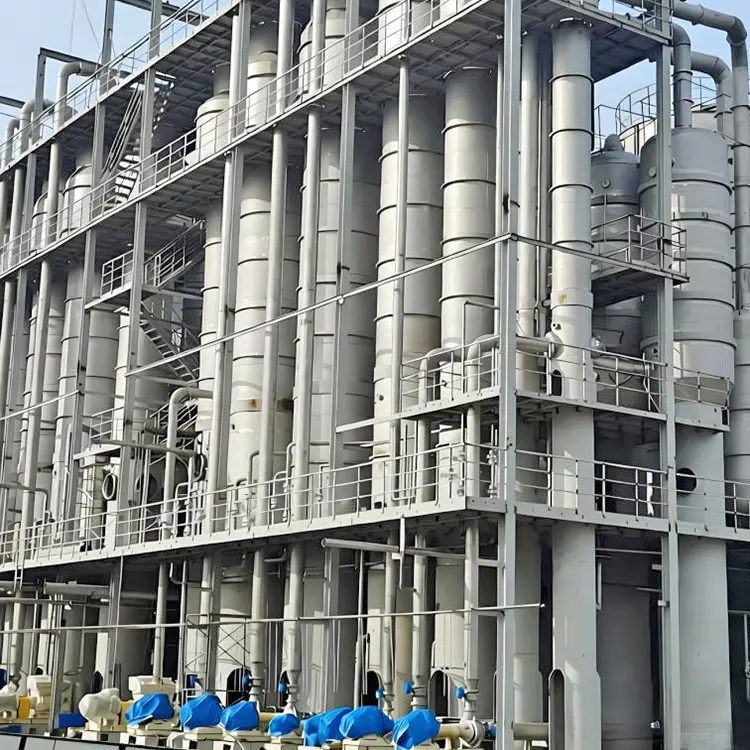
Thermally coupled to secondary dryer exhaust vapor and flash condensate, optimizing plant-wide thermal balances.
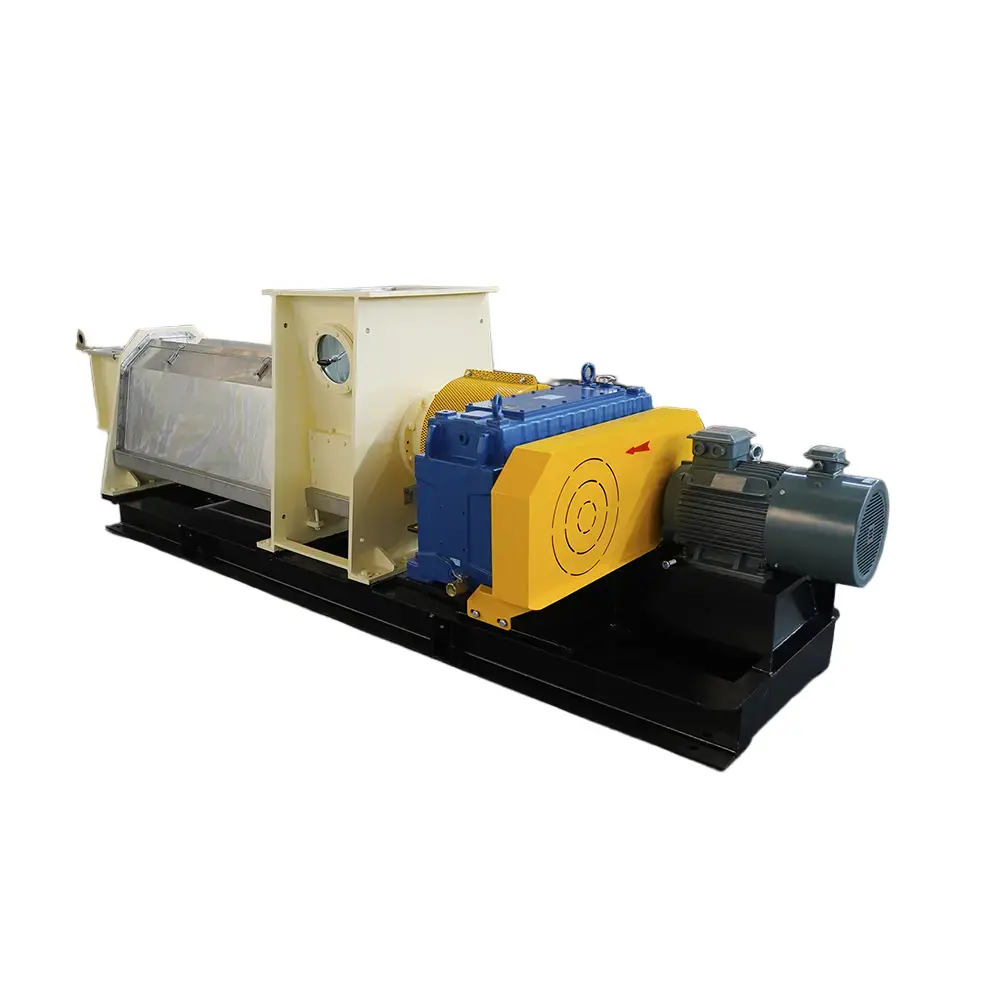
High-efficiency mechanical cake dewatering for fibrous and solid slurry suspension inputs.
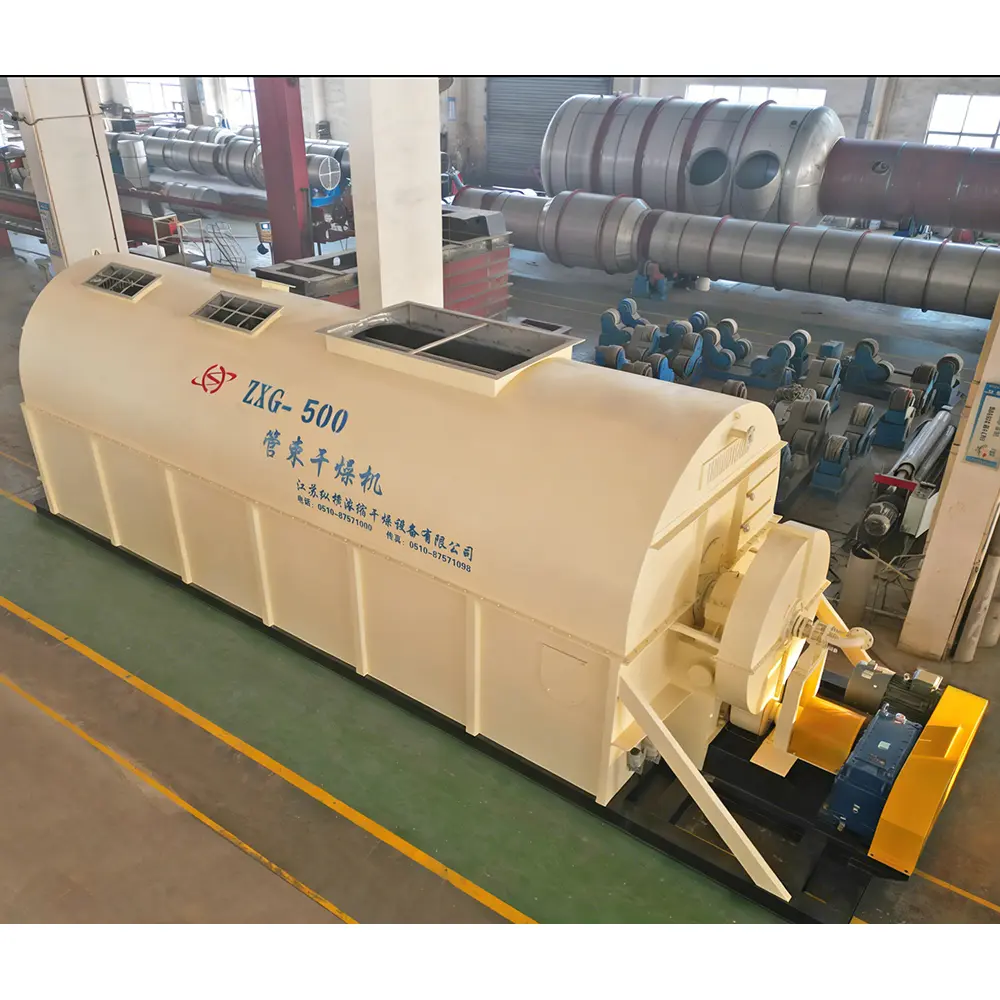
Low-oxygen continuous drying of moisture-laden powders through high contact surface heat transmission.
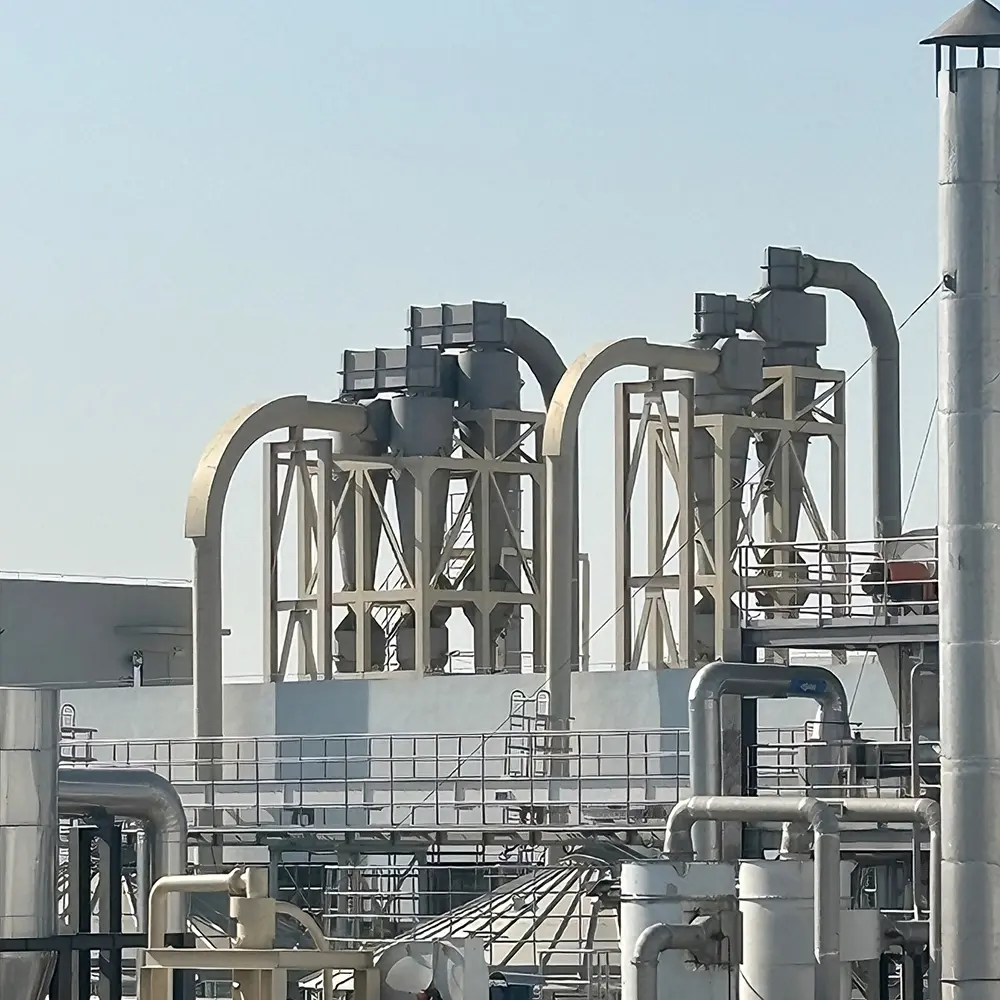
Ultra-fast flash moisture evaporation using state-of-the-art hydrodynamic dispersion structures.
Multistage centrifugal separation hydrocyclone optimized for starch refinement, fiber separation, and washing operations.
Tracing the evolution of Jiangsu Zongheng from local fabrication origin to a global heavy industrial exporter.
Global Production Presence
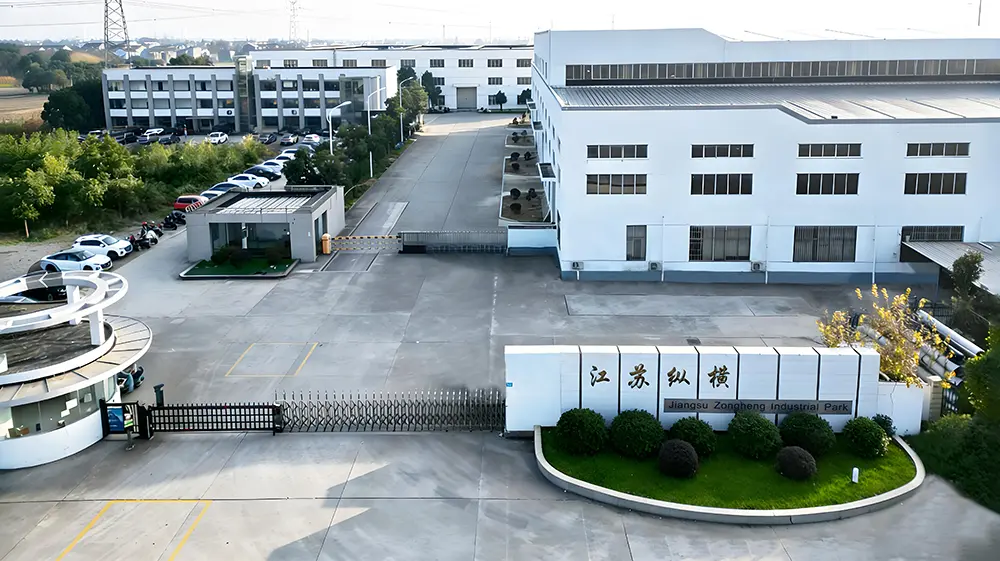
Jiangsu Zongheng covers an area of over 54,000 square meters. The engineering roster features 3 senior master thermal experts alongside 20+ specialized technical engineers.
International Quality Management Integration
Obtained ISO global quality verification credentials (Certificate No. 45021), establishing a complete quality assurance system aligned with international standards.
ASME Certification Achievement
Awarded the prestigious ASME Boiler & Pressure Vessel Code "U" Stamp certification, authorizing high-pressure process vessel fabrication.
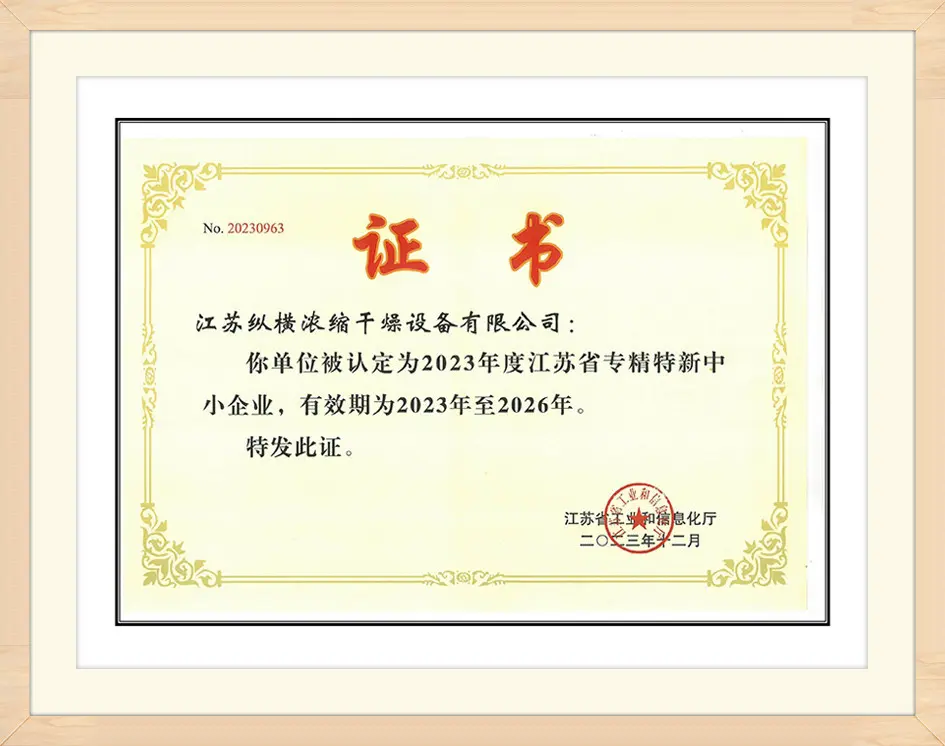
Special Equipment Manufacturing License
Acquired the official Special Equipment Manufacturing License of the People's Republic of China (License No.: TS2232C42).
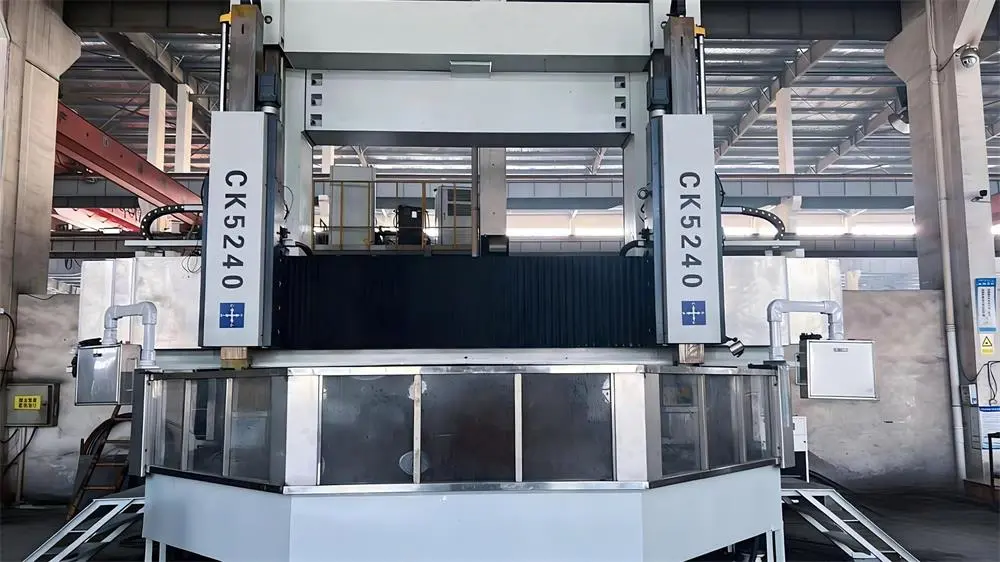
Inception in Yixing City
Established as Yixing Yangxi Light Industrial Machinery Factory beside Taihu Lake, focusing on specialized pressure vessel manufacturing.
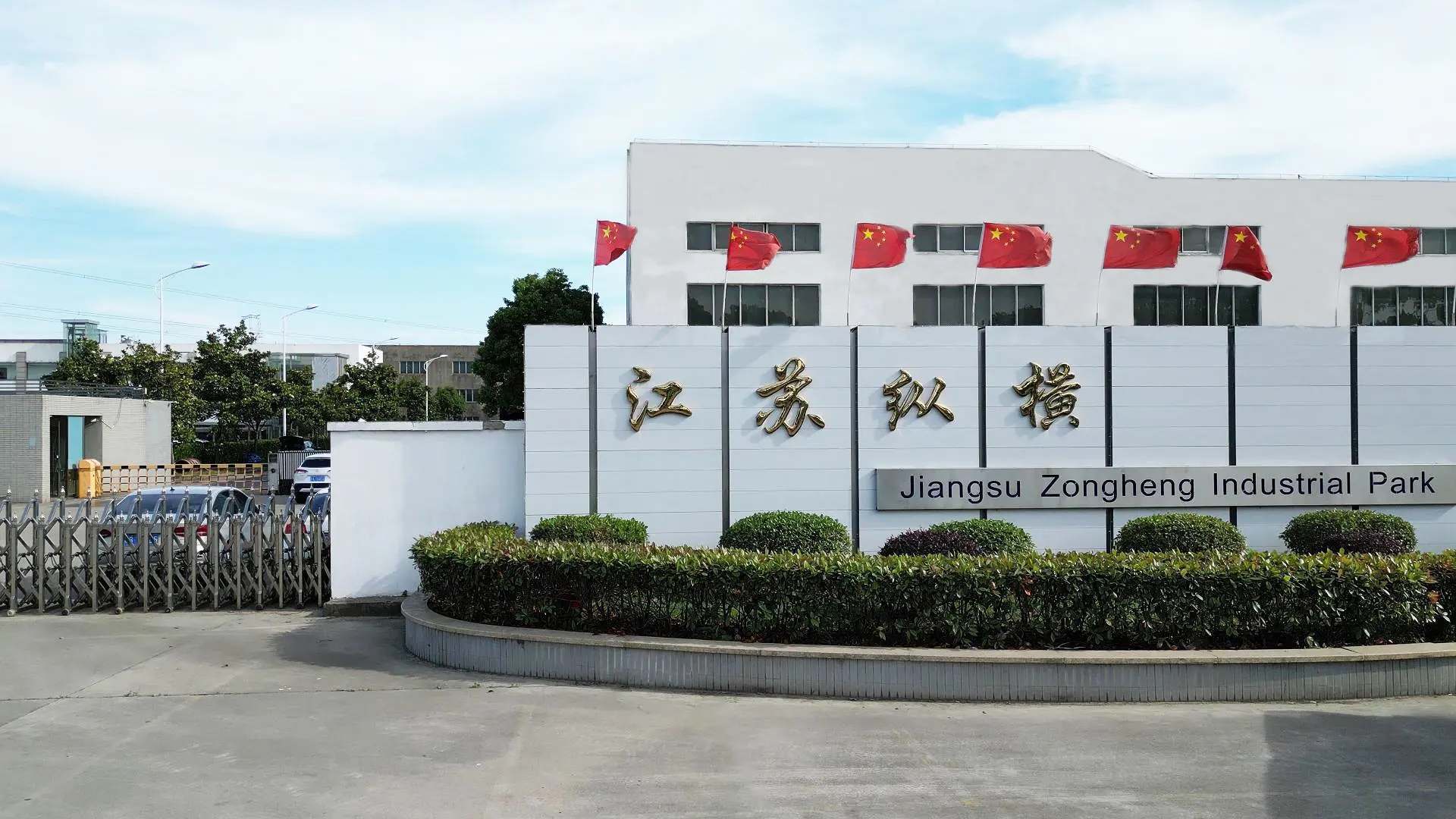
Our technologies serve critical liquid-solid separation and fluid concentration needs across global industrial supply chains.
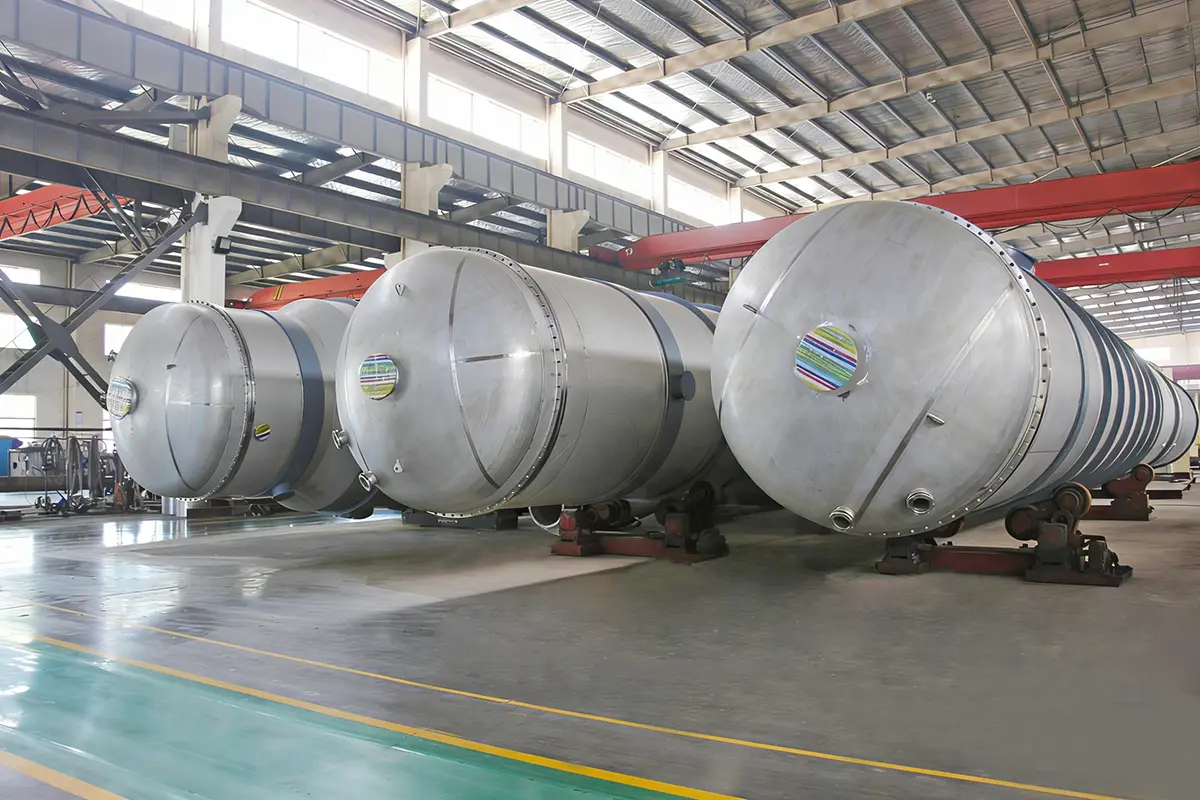
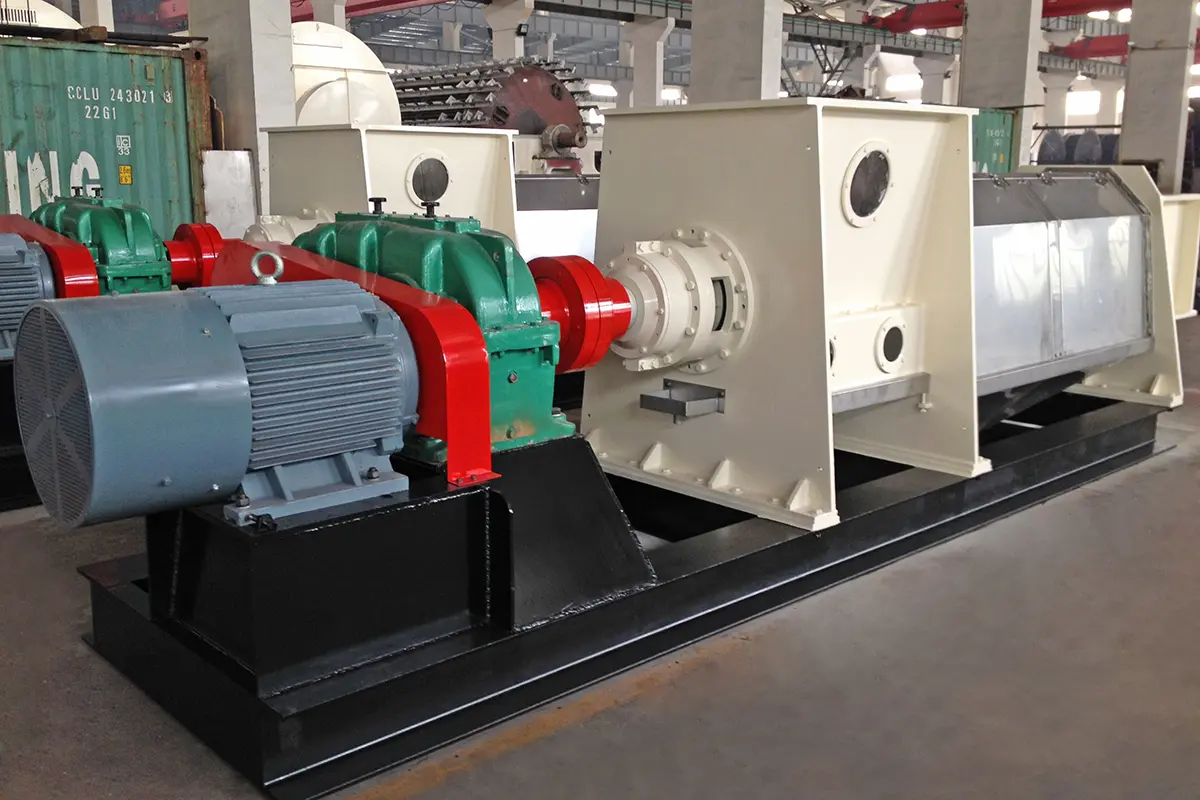
A look at the mechanical materials, thermal calculations, and future-ready control platforms that set our factory apart.
The performance of an evaporation system is limited by the chemical properties of the processed liquid. Acidic, alkaline, or high-chloride media quickly destroy sub-par metal structures.
By deploying IoT monitoring modules, our plants automate boiling point elevation (BPE) compensations, track heat transfer deterioration trends, and adjust compressor speeds dynamically.
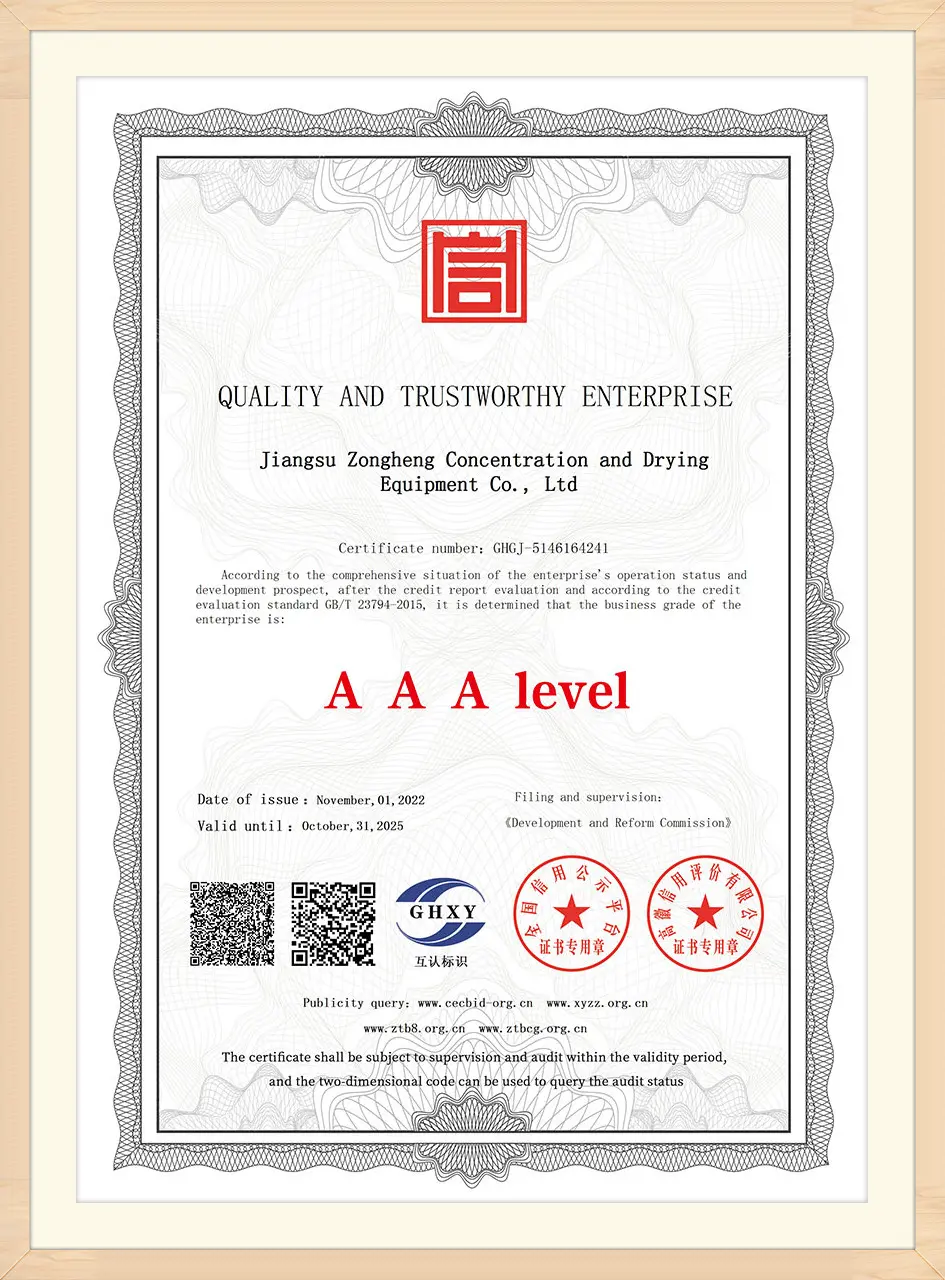
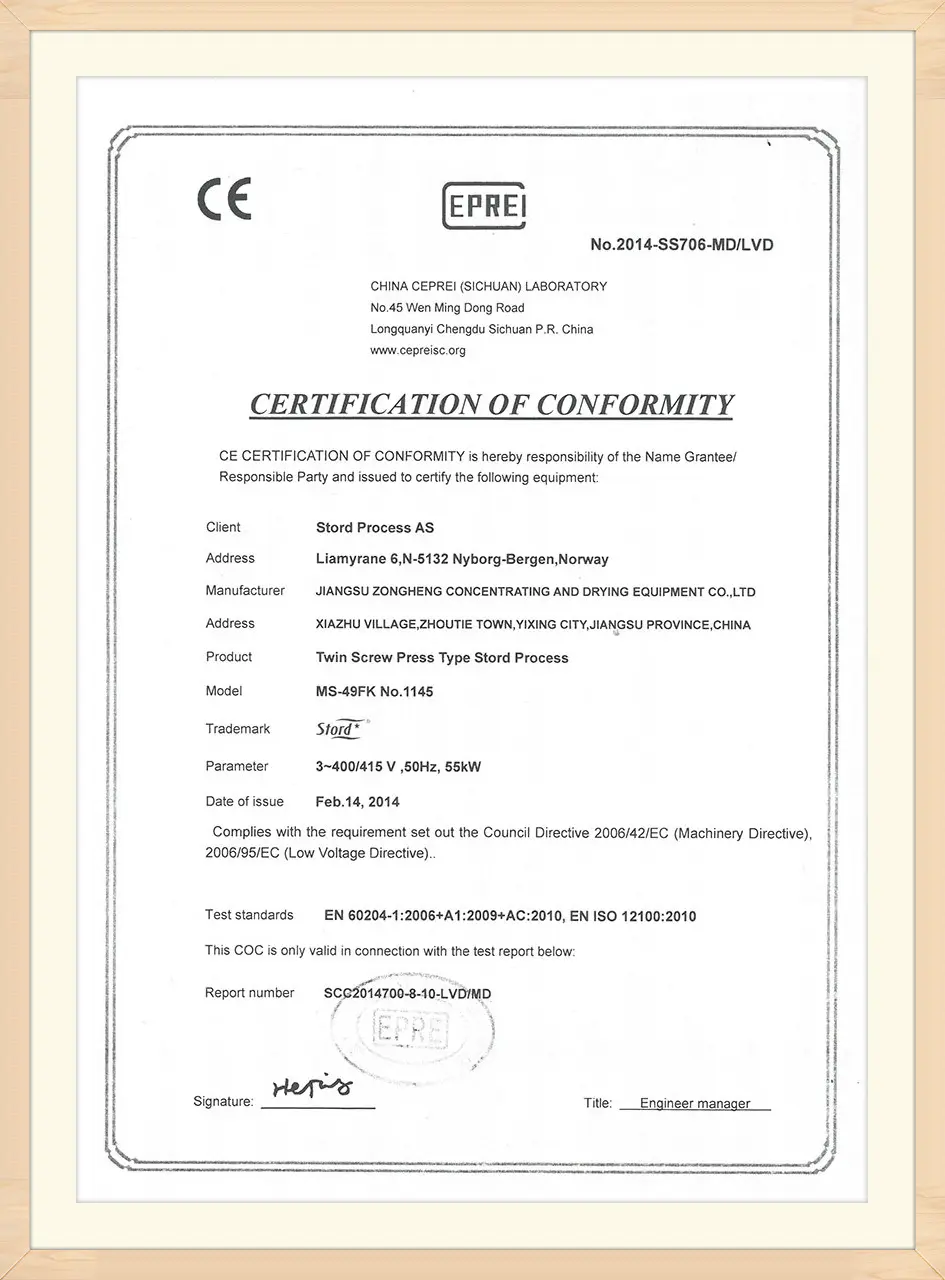
Every vessel and heat transfer pipe leaving our factory undergoes strict inspections to guarantee safety and compliance with international standards.

Direct technical answers to questions commonly raised by process engineers, procurement directors, and site supervisors.
Get in touch with Jiangsu Zongheng's application engineering team for a customized thermal design simulation and project quote.
Our complete collection of industrial dewatering, washing, and flash drying machinery.
 Zongheng