Engineered to deliver optimal throughput, energy efficiency, and strict compliance with modern food-grade chemical process standards.
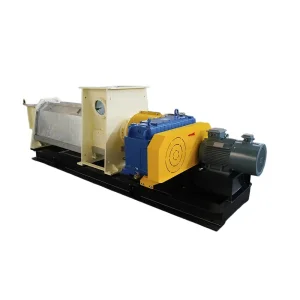
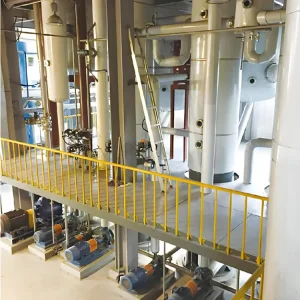
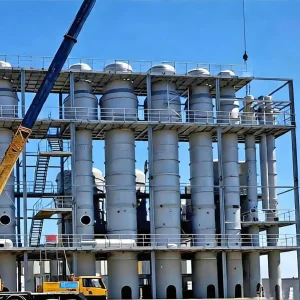
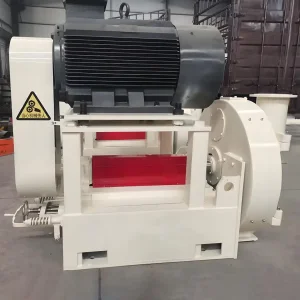
Degerming mills serve as the mechanical backbone of the wet-milling process, executing the precise fragmentation of steepened maize kernels to isolate the vital germ without damaging the embryo.
In wet milling plants, the primary objective is to separate corn into its high-value component parts: starch, gluten, fiber, and germ (which contains up to 85% of the oil present in the kernel). Modern manufacturers and suppliers in China, led by pioneering engineering firms like Jiangsu Zongheng, have elevated this separation process. Utilizing sophisticated mechanical shear and impact zones, our degerming mills break the endosperm matrix, releasing the germ cleanly to maximize starch yields and oil recovery rates while reducing energy footprints.
With the rising global demand for starches, biofuels, and corn oil, the technical specifications of degerming mills have undergone strict refinement. Dynamic balancing, corrosion-resistant metallurgical structures, and adjustable plate clearances are now minimum requirements for processors looking to maintain global competitiveness.
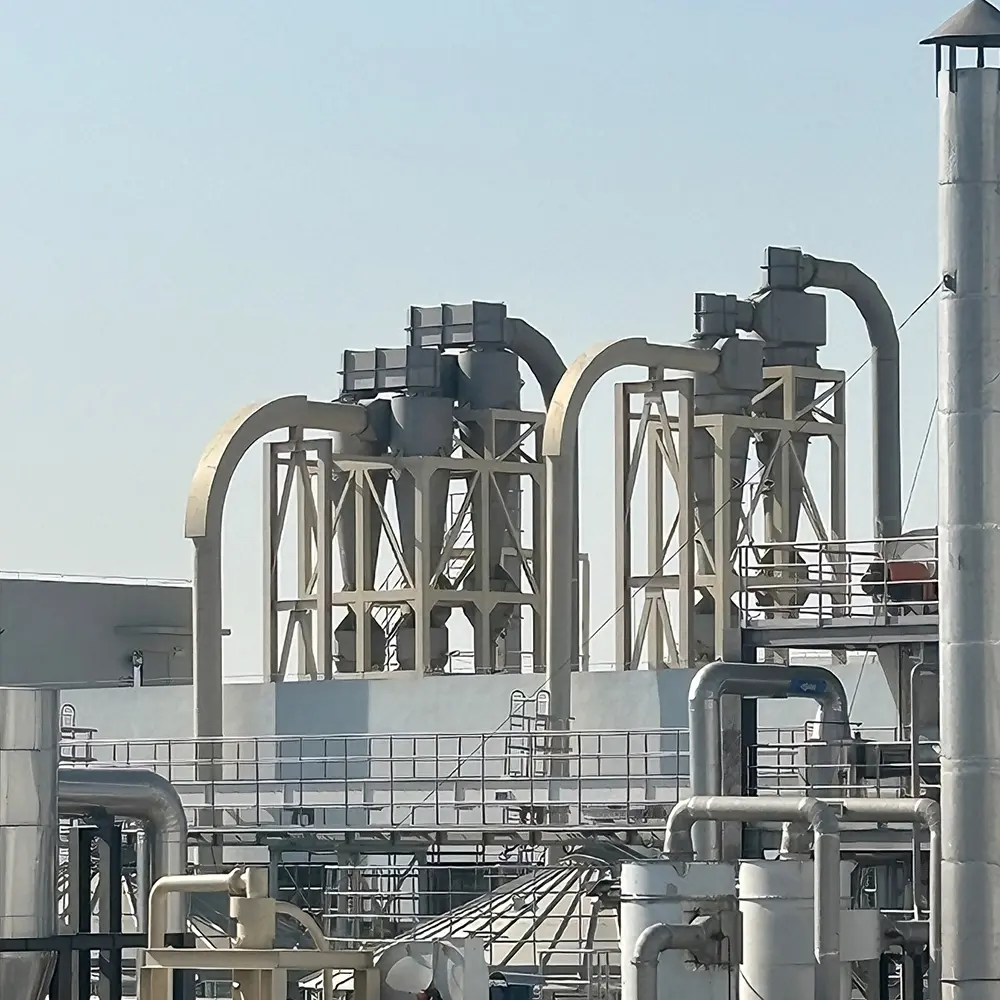
Global procurement teams prioritize total cost of ownership, high durability, and seamless system integration.
Modern maize refineries demand equipment optimized for minimal power usage per ton. Integrating specialized motor control arrays and optimized tooth profiles reduces load while preserving high structural throughput.
Milling plates undergo continuous abrasive friction. China suppliers now integrate specialized high-chromium alloys and carbide-coated contact points to extend service lifetimes and prevent micro-wear contamination.
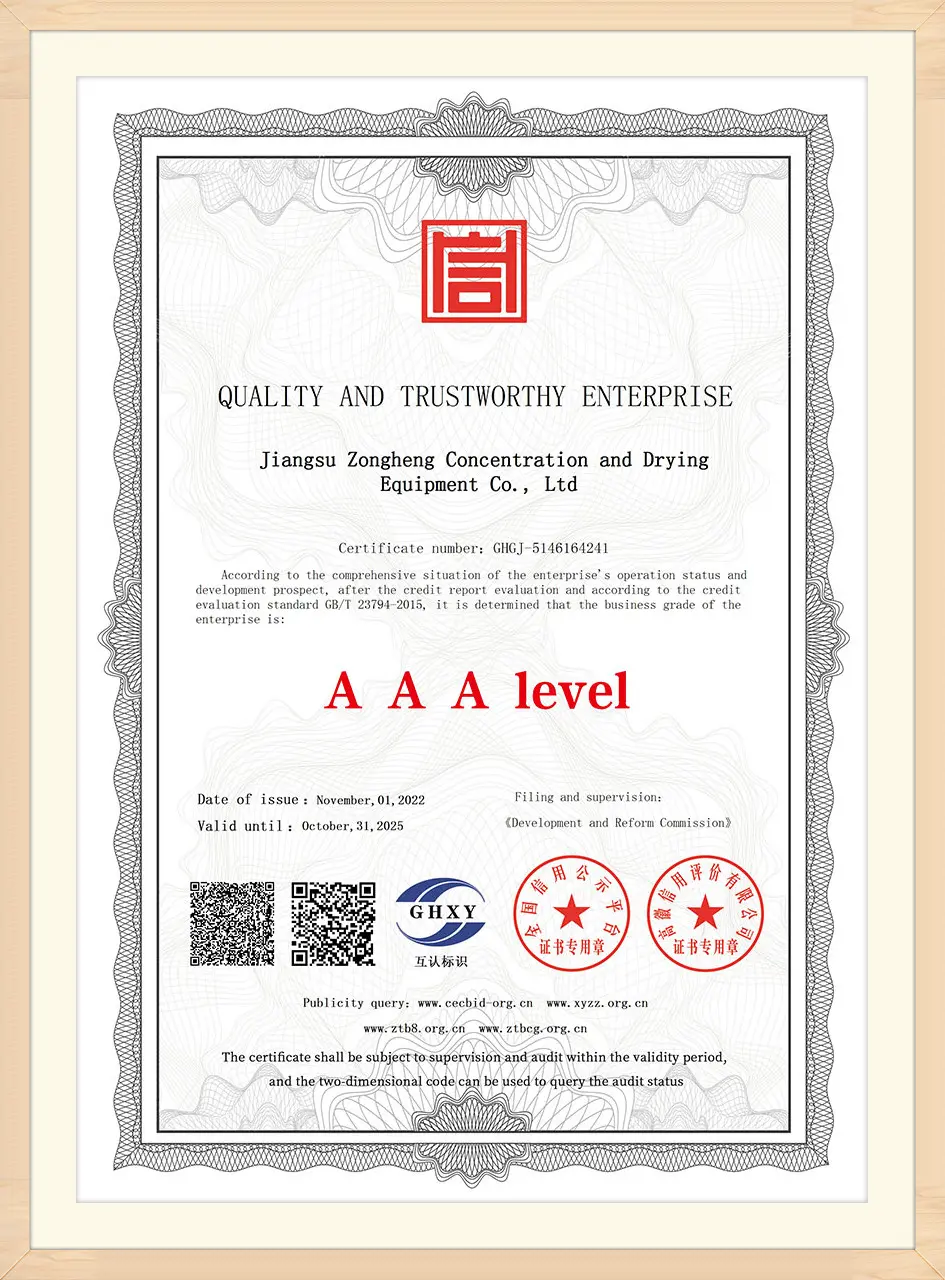
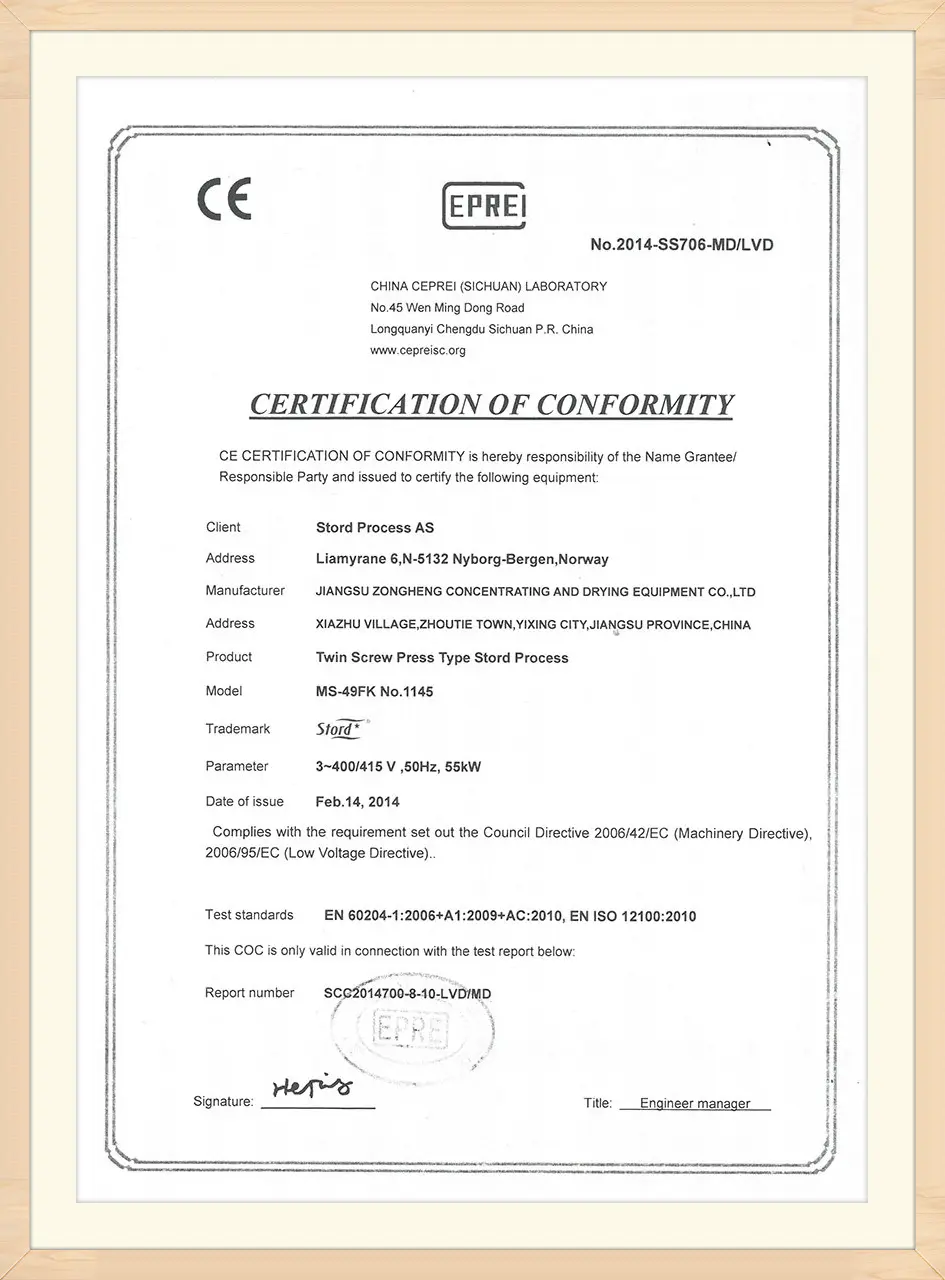
Regulatory frameworks demand certified operations. Procurement teams look for factories with robust certifications, including ASME (U Stamp), CE, and ISO 9001 quality systems, ensuring international safety and operational legitimacy.
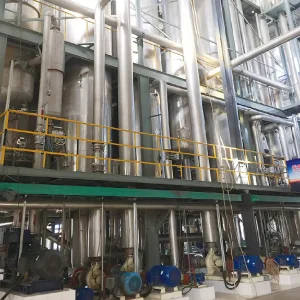
Our capabilities span across downstream starch extraction, wet by-product drying, and energy-conserving evaporation arrays.
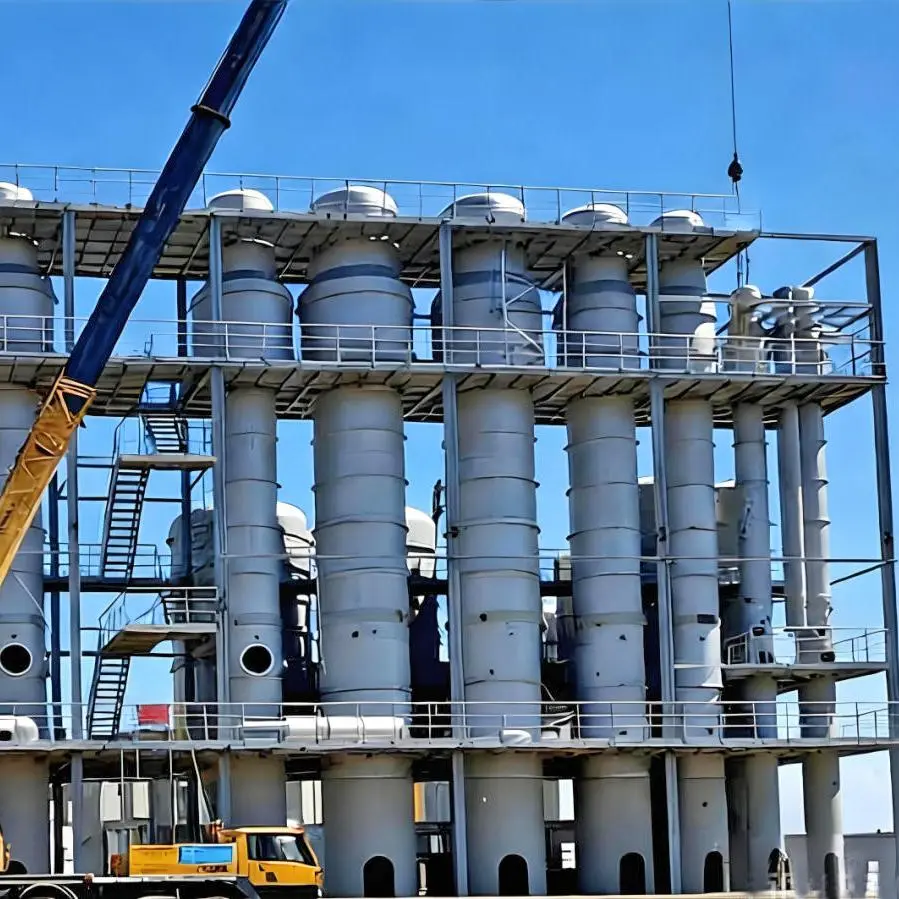
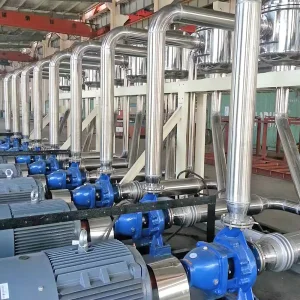
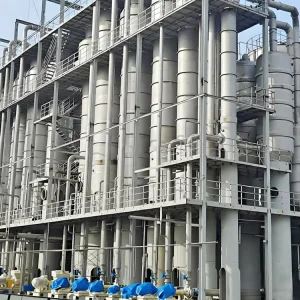
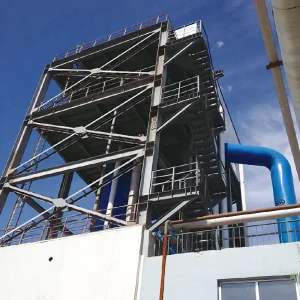
Jiangsu Zongheng provides energy-efficient, high-performance evaporation solutions including Falling Film Evaporators, Forced Circulation Evaporators, and mechanical MVR Evaporators designed for heat-sensitive liquid concentration.
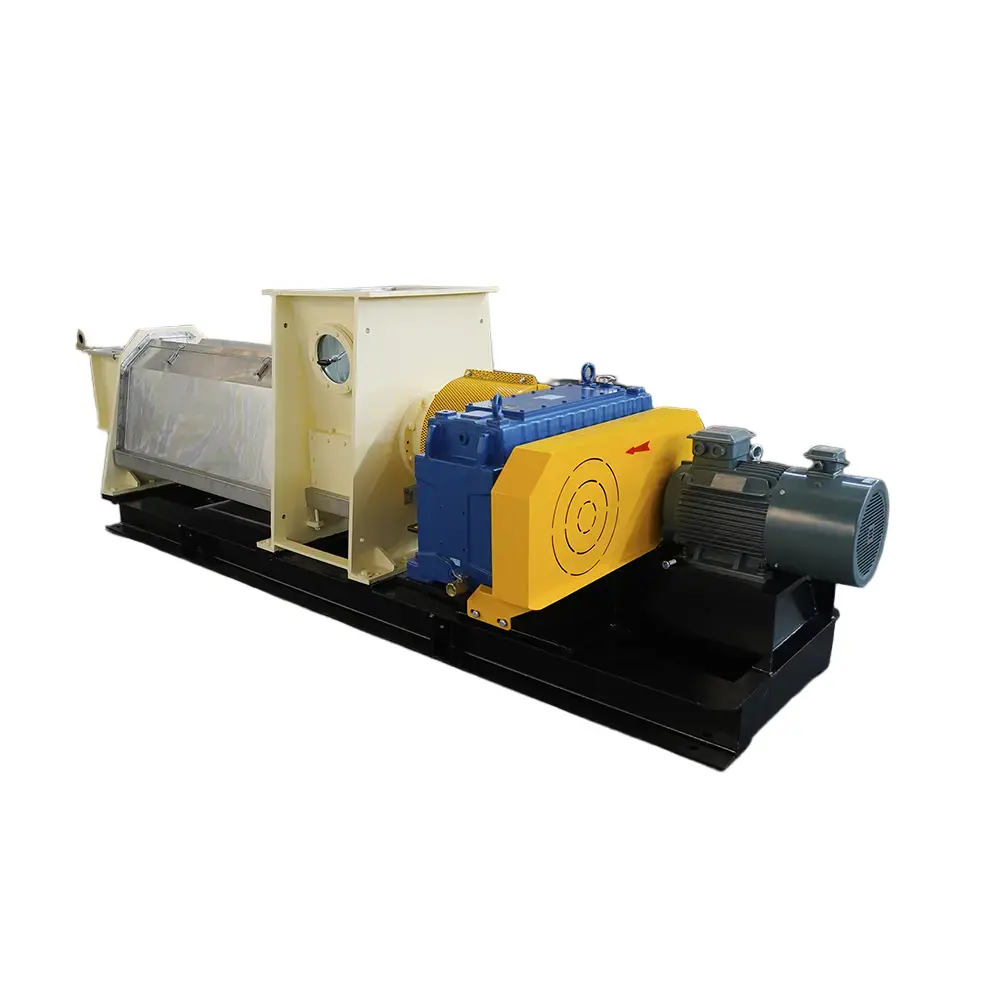
High-efficiency solid-liquid separation via our single screw press line. Engineered to process wet starch byproducts, corn germ, and fibrous corn husks with maximum dryness out-feed for efficient subsequent drying.
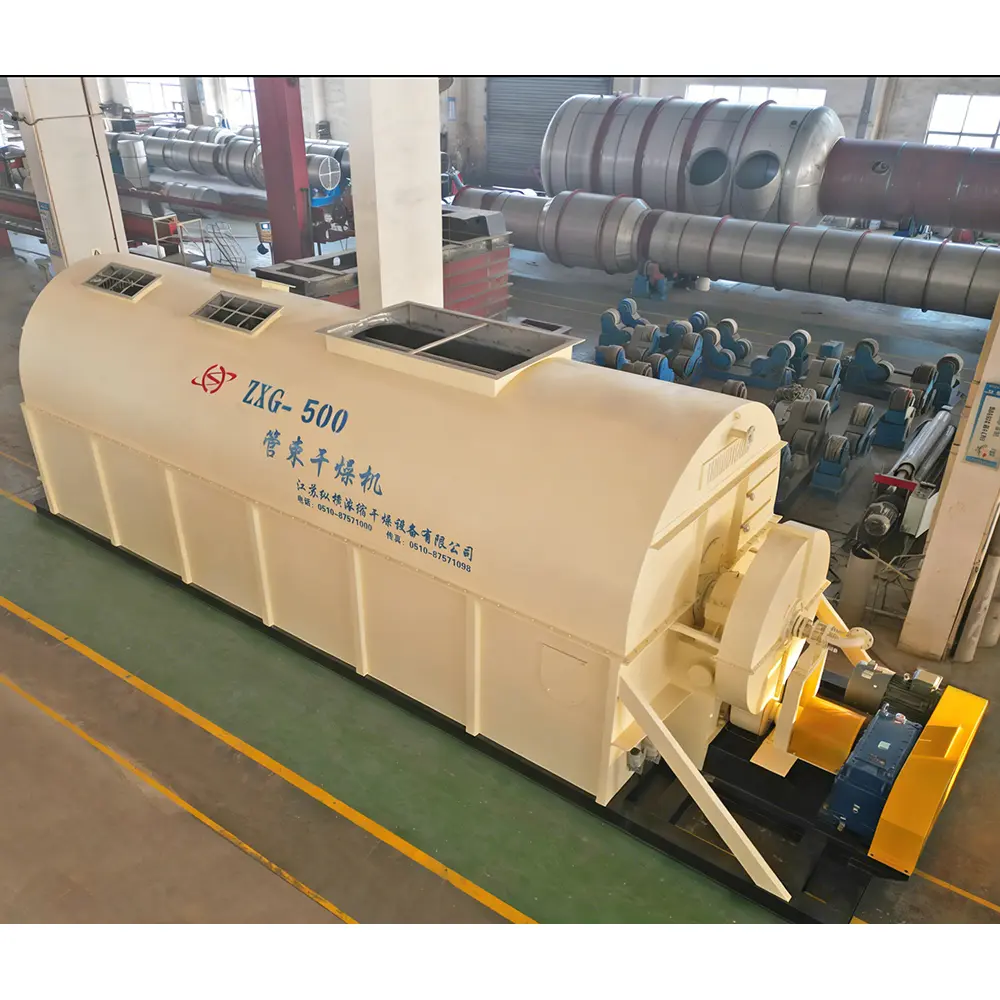
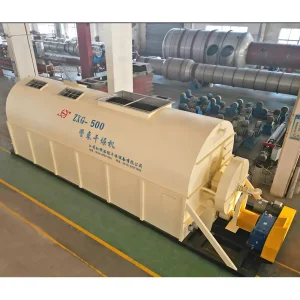
Our steam-heated ZXG Tube Bundle Dryers and MQG Airflow Dryers provide continuous, controlled low-temperature thermal processing, ensuring even moisture removal from corn products and preserving organic quality.
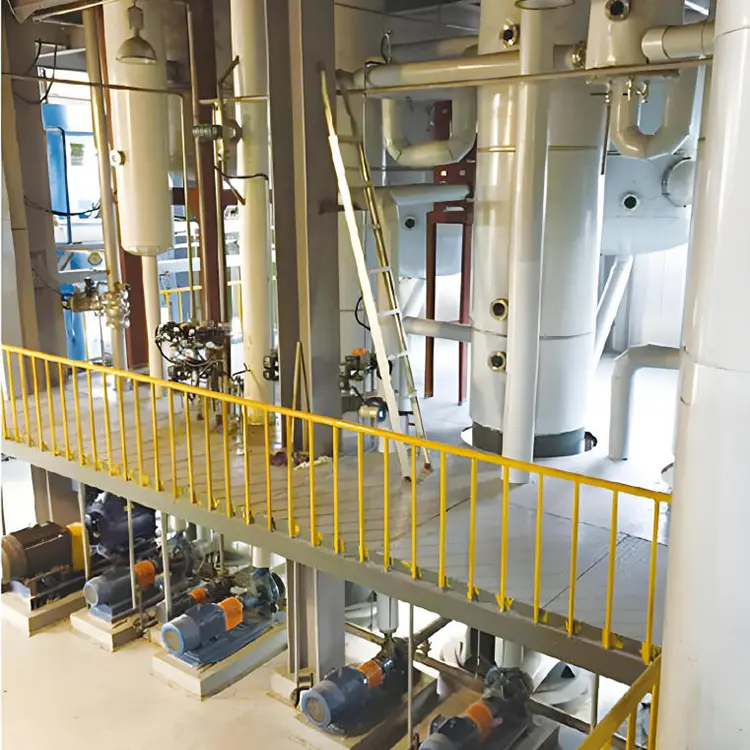
To maximize corn processing efficiency, modern factories do not rely on isolated machinery. A high-efficiency degerming mill is just the beginning of a complex, interconnected process. After primary cracking in the degerming mill, the slurry is directed to the Starch Washing Cyclone arrays to purify the starch stream and isolate the soluble gluten.
Simultaneously, the isolated wet germ and fiber fractions are pressed using the Single Screw Press to reduce moisture before entering the Tube Bundle Dryer or Airflow Dryer. The residual process waters, containing soluble starches and protein solids, are evaporated via the Waste Heat Evaporator, integrating waste vapor from dryers to yield significant energy savings. Our designs minimize environmental impact, turning liquid waste into valuable animal feed components (DDGS).
A history of technological leaps, engineering certificates, and expanded global capacities.
Our operations now span over 54,000 square meters, featuring modern workshop space exceeding 22,000 square meters. The staff includes 3 senior engineers and 20+ specialized engineers managing custom process arrays.
Obtained international quality system certification (Certificate No.: 45021), establishing a complete quality assurance system aligned with international standards.
Acquired the ASME "U" Stamp authorization, marking the company's entry into high-pressure and international vessel engineering supply chains.
Obtained the Special Equipment Manufacturing License of the People's Republic of China (License No.: TS2232C42), authorizing the production of Category III medium & low-pressure vessels.
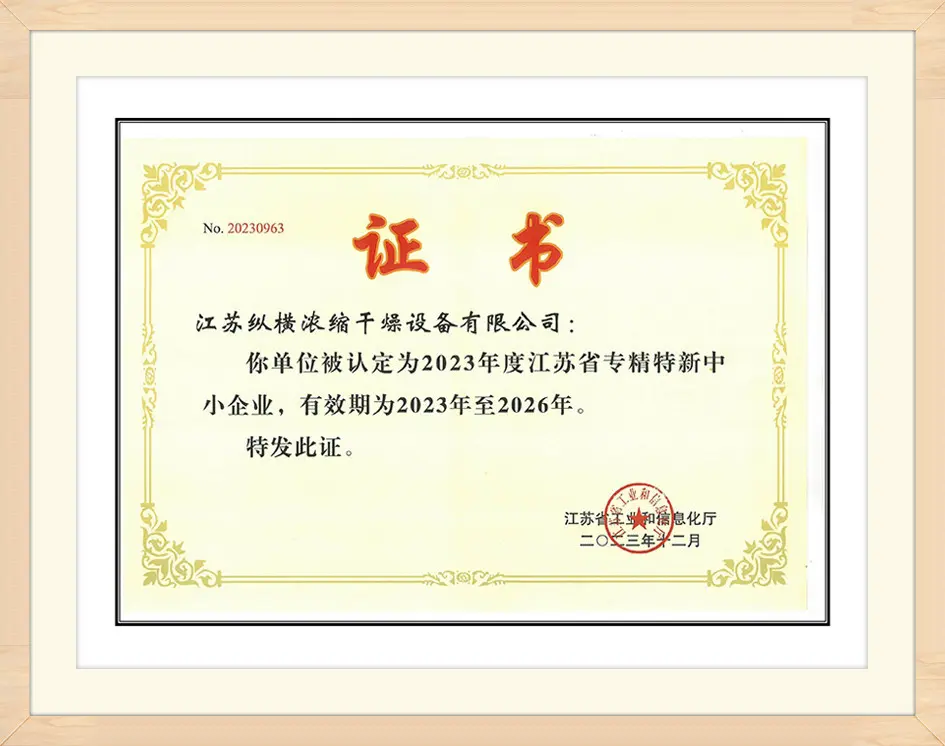
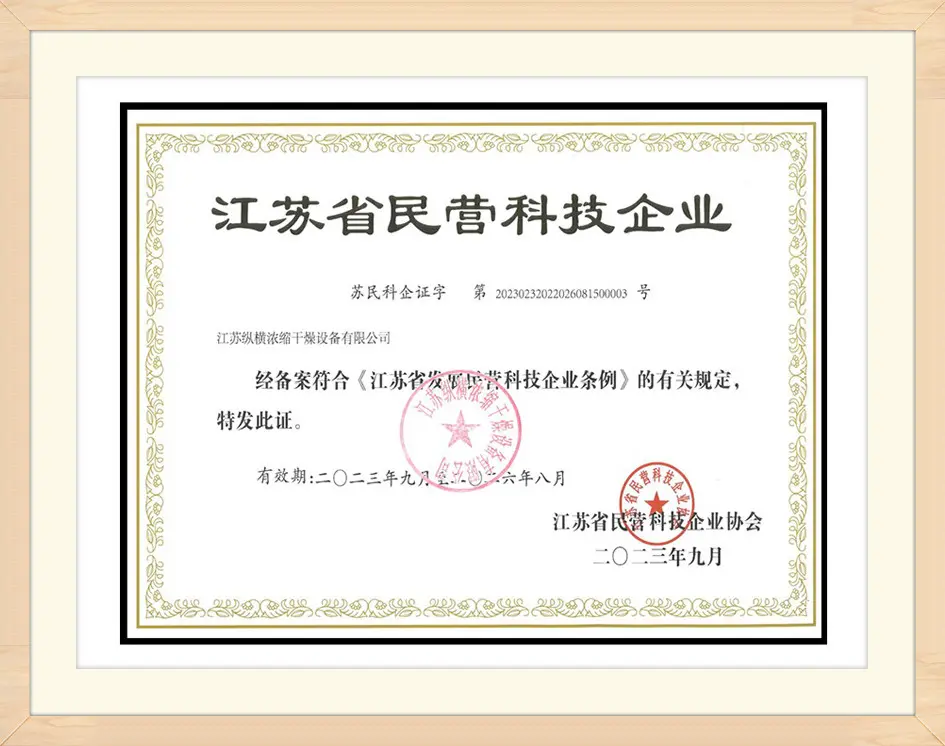
Officially recognized as a Jiangsu Provincial High-Tech Enterprise, acknowledging our proprietary designs in concentration and drying fields.
Obtained official ISO9001 registration, systematically organizing manufacturing flows and structural engineering processes.
Established as Yixing Yangxi Light Industrial Machinery Factory, covering 15 mu of land with 45 employees, focusing on localized drying equipment.
Strategic technology goals to drive energy efficiency, minimize material loss, and increase automation.
Real-time automated control of milling disc distances using sensor feedback to match varying grain moisture loads.
Deployment of custom titanium-carbide alloys on wearing interfaces to double continuous processing lifetimes.
Direct linking of mill heat recovery systems to mechanical vapor recompression loops to achieve net-zero vapor emissions.
Vibration analysis modules installed on bearings to predict structural fatigue and prevent unscheduled plant shutdowns.
Compliance and testing standards ensuring long-term operational safety and food-grade safety standards.
Detailed technical answers addressing core queries of mill operators, project managers, and global procurement officers.
A degerming mill is specifically designed to crack open soaked or steeped corn kernels. Its primary purpose is to release the germ intact without crushing it. Crushing the germ would release oil into the starch stream, which decreases separation efficiency and contaminates the starch yield.
Optimizing starch yield requires precise control over kernel hydration (steeping), adjustability of the mill plate gap, and selecting the correct tooth profile for the mill disc. Integrating downstream washing cyclones ensures that any remaining starch bound to the fiber is recovered.
For pressure vessels (like those in evaporator plants or steam dryers), manufacturing standards require ASME (U stamp) certification for US markets, CE certification for the European Economic Area, and Class III Pressure Vessel manufacturing licensing for operations in China.
Mill discs and impact plates are cast using high-chromium cast steels, tungsten carbide coatings, or proprietary stainless steel alloys. These materials resist both the chemical acidity of steep water (pH 3-4) and the physical abrasion of continuous high-speed maize feeding.
Keeping you updated with recent engineering publications and field discoveries from Jiangsu Zongheng.
The evaporator absorbs heat to vaporize media, while the condenser releases heat to liquefy vapor; the two perform opposite cooling and heating functions. Operating under low pressure, the evaporator generates cold energy and concentrates liquid products efficiently, integrating waste heat dynamically across operations.
Read ArticleExplore our highly integrated systems for downstream drying, dewatering, and maize-grinding processes.
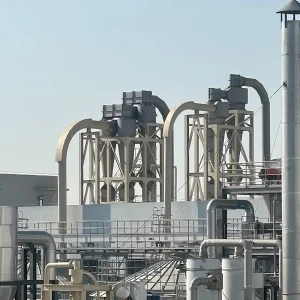
We warmly welcome friends from various industries, both domestic and international, to visit us for technical exchange, equipment testing, and strategic engineering cooperation.
Request A QuoteConsult with our engineers on custom process specifications, thermodynamic layouts, mechanical footprint, and expected processing yields.
Contact Us Now Zongheng