Advanced Industrial Dryers, Evaporators & Cyclones
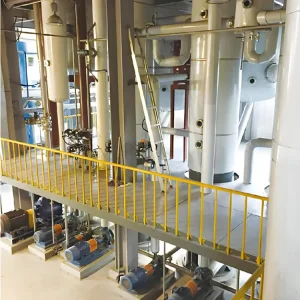
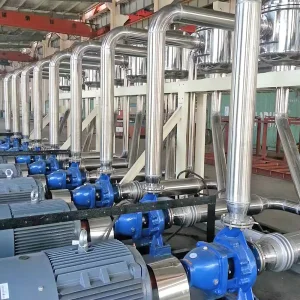
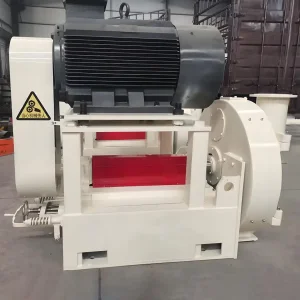
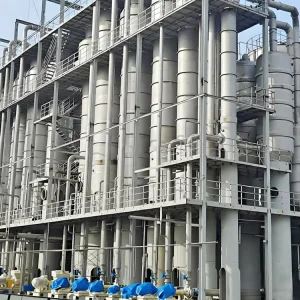
In the global food, pharmaceutical, and bio-industrial sectors, starch serves as a fundamental raw material. The extraction of starch from sources such as corn, cassava, wheat, and potatoes requires specialized refining equipment capable of operating continuously under harsh conditions. The starch washing cyclone, or hydrocyclone, is the heart of this refinement process. Modern industrial requirements demand not only high throughput but also unmatched precision in separating starch granules from soluble proteins, fine fibers, and cellular debris.
Historically, starch refining relied on large-scale centrifuges which required substantial energy inputs and intensive maintenance schedules. The emergence of multi-stage hydrocyclone systems revolutionized wet milling by using centrifugal forces generated by pressure drops to achieve fast, chemical-free separation. Today, the global trend points towards absolute hygiene, operational reliability, and water conservation. Regulatory frameworks, particularly within the European Economic Area (EEA), mandate strict conformity standards. A CE-certified starch washing cyclone is no longer a luxury—it is a critical requirement ensuring mechanical integrity, pressure safety, and sanitary operation in automated processing lines.
"As processing plants scale up to meet global demand, the focus shifts from basic separation to micro-component isolation. Modern hydrocyclones must operate at optimal shear rates to preserve starch structure while washing out gluten and proteins down to fractional percentages."
Procurement heads and engineers in regions like Europe, North America, and Southeast Asia look beyond purchase cost. They prioritize total cost of ownership (TCO) and compliance. A starch washing cyclone must integrate seamlessly into automated cleaning systems (CIP - Clean In Place) without requiring manual disassembly. Stainless steel grades like SS304 and SS316L, alongside high-density engineering polymers, are standard requirements to prevent corrosion under acidic operating pH levels.
Decades of Manufacturing and Engineering Excellence
China's manufacturing landscape has evolved from low-cost production to advanced precision engineering. Under the banner of Industry 4.0, companies like Jiangsu Zongheng Concentrating and Drying Equipment Co., Ltd. have integrated automated welding systems, high-precision CNC machining centers, and strict quality control protocols. This transition ensures that custom-designed hydrocyclone systems are built with repeatable accuracy.
Supply chain resilience is a core advantage of sourcing from advanced Chinese industrial hubs. Proximity to raw material suppliers, specialized metallurgy labs, and major shipping ports enables fast lead times. Additionally, integrating design, fabrication, testing, and certification under one roof reduces delivery risks. For global buyers, this means receiving ASME-U and CE certified pressure vessels and separation systems without facing the delays common in fractured supply chains.
ASME "U" Stamp and CE certification ensure all equipment complies with international pressure vessel and machinery safety regulations.
Utilizing high-grade stainless steel (SS304/SS316L) to withstand corrosive starch slurries and high pressure differentials.
Multi-stage designs (up to 12-18 stages) tailored to specific feed properties to maximize washing performance and recovery rates.
The Journey of Quality and Engineering Since 1992
Reliable performance across multiple industrial sectors
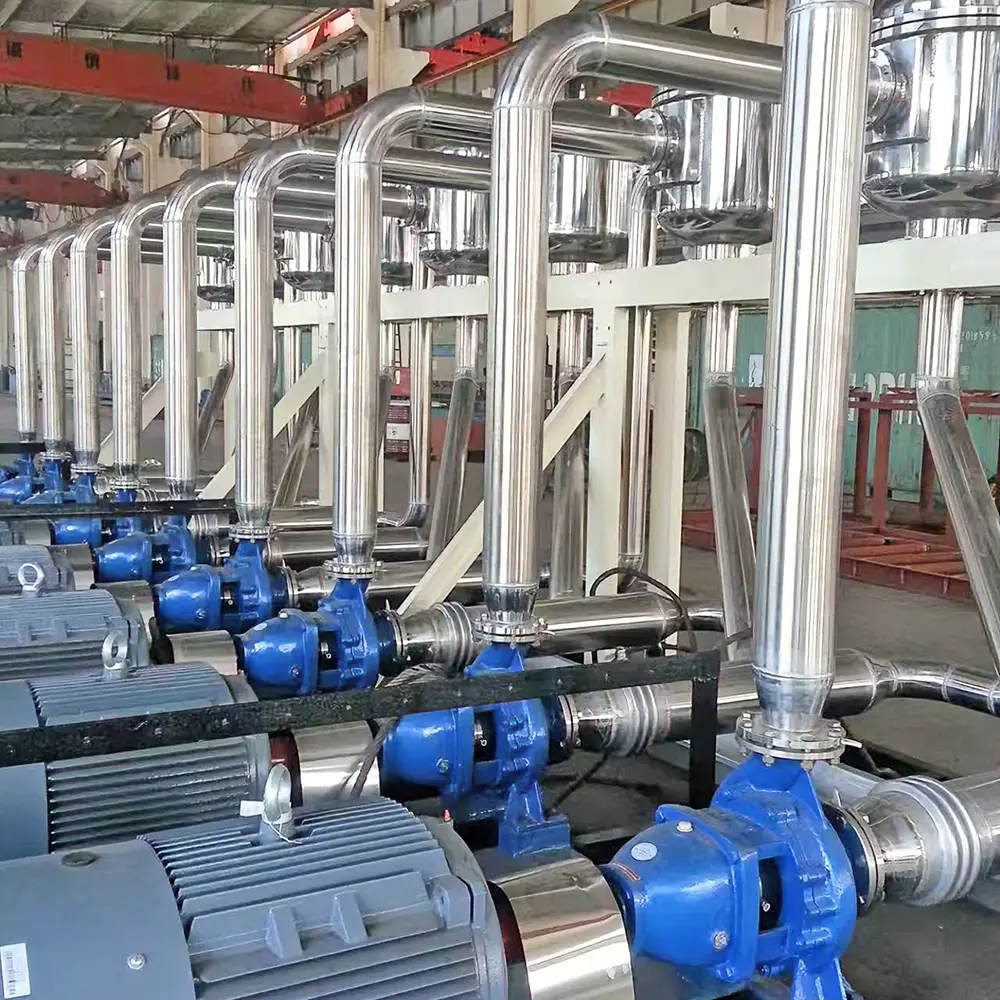
Specifically engineered for starch refining, concentration, and purification. Using multi-stage counter-current washing, the YDX series removes soluble proteins and fine fibers. This system minimizes fresh water consumption by recycling overflow water through previous stages, providing high-efficiency separation for corn, cassava, and potato starch plants.
The efficiency of a starch washing cyclone relies on fluid dynamics and structural design. When the starch slurry enters the cyclone tangentially under pressure, it creates a high-velocity vortex. The heavier starch granules are forced outward against the cyclone wall and travel downward, exiting as underflow. The lighter components, such as protein and fiber, remain in the center and exit through the top vortex finder as overflow.
To achieve high purity, single-stage separation is rarely sufficient. Industrial starch refining lines utilize a series of cyclones arranged in a counter-current configuration. In an 8-to-18 stage washing line, fresh wash water enters at the final stage and flows counter to the starch slurry. This design washes the starch granules repeatedly, ensuring that protein levels in the final product drop below 0.35% on a dry basis.
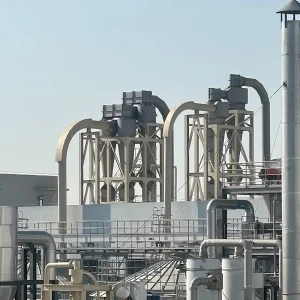
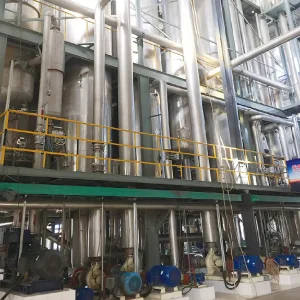
A starch processing line operates as a continuous system. Wastewater generated during washing is concentrated using MVR or falling film evaporators to recover valuable corn steep liquor (CSL) or soluble proteins. The refined starch slurry is then dewatered using screw presses and dried in airflow dryers to produce a stable powder. Selecting compatible, high-capacity machinery across the entire line prevents bottlenecks and maintains production efficiency.
Expert insights on installation, operation, and maintenance
Contact our engineering team to design a custom starch washing or evaporation system for your facility.
Get in touch for technical specifications, layout designs, and pricing details.
Quality Evaporators, Airflow Dryers & Starch Refining Equipment
 Zongheng