 Zongheng
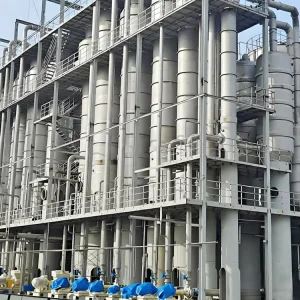
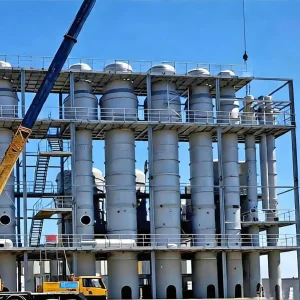
Single Stage Evaporators: Technical Mechanics & Global Status
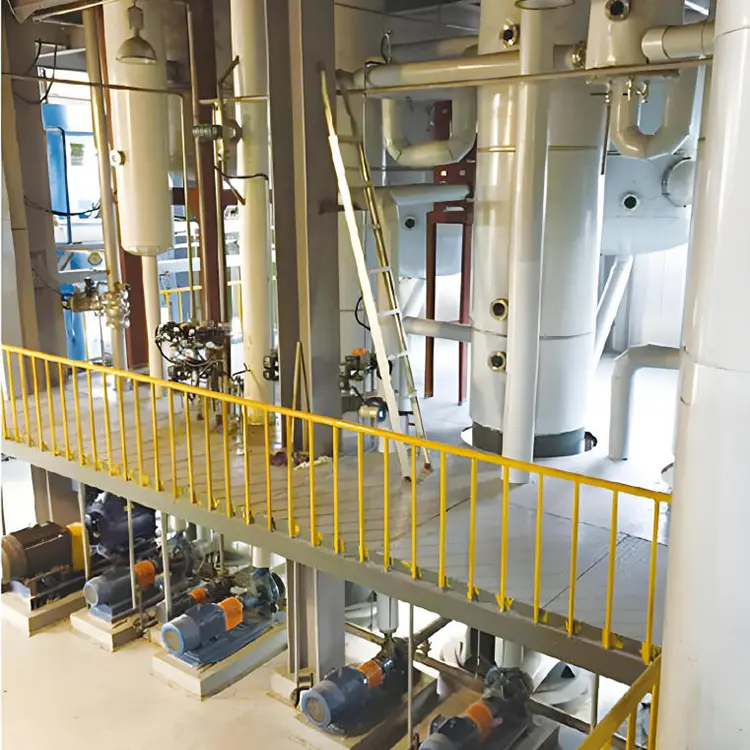
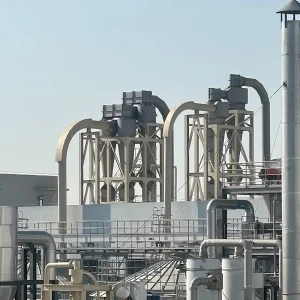
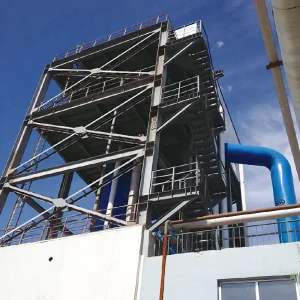
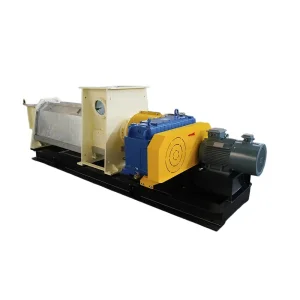
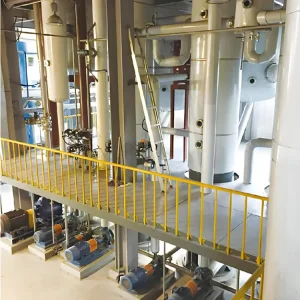
In modern process engineering, the thermal concentration of process fluids stands as a fundamental pillar across chemical, starch refining, biofuel production, and pharmaceutical manufacturing. Among the myriad configuration modes, the CE Certification Single Stage Evaporator plays a primary role. When configured as a single effect system, it offers unmatched cost simplicity, low liquid volume capacity, and absolute process transparency. Crucially, in applications featuring highly concentrated, viscous, heat-sensitive, or fouling-prone fluids, a single-stage system remains the most operationally stable mechanism to achieve precise concentration profiles prior to final drying or crystallization.
At its core, a single stage evaporator operates by transferring thermal energy from a heating utility—typically dry saturated steam or recycled low-pressure vapor—across a heat exchange interface to a process liquid. The process liquid, held at its boiling point (often under sub-atmospheric vacuum conditions), boils off its volatile component (water or solvent), generating clean concentration and vapor phases. To prevent premature thermal degradation of valuable solids, modern industrial units rely on high fluid velocities, minimized surface contact times, and meticulously balanced recirculation dynamics.
Core Engineering Mechanisms of Single Stage Evaporation
The performance of a single stage system depends on three primary thermodynamic design principles:
- Evaporation Mechanics: Falling film configurations are ideal for heat-sensitive streams. The feed is distributed evenly across the top of vertical tubes, flowing down as a thin film. Conversely, forced circulation designs are applied when solids content, viscosity, or scaling potentials are high, utilizing mechanical recirculation pumps to sweep heat-transfer surfaces clean.
- Vacuum Configuration: By reducing the operating pressure of the vapor separator, the boiling point of the solvent drops significantly. This lower temperature profile prevents the burning or caramelization of organic compounds (such as starch, proteins, or sugar structures).
- Quality Compliance: Meeting European CE standards guarantees that the pressure vessel's shell, piping, welding protocols, and explosion mitigation configurations conform to the strict safety directives of PED 2014/68/EU.
Global Commercial & Industrial Status
On a global scale, process engineers face dual pressures: reducing carbon footprints while maximizing production yields. This shifts interest toward customized, high-performance single stage evaporators. While multi-stage systems save steam by reusing vapor energy, they require high capital investment and can cause significant degradation in heat-sensitive materials due to prolonged exposure to high temperatures.
Consequently, single stage systems are widely used globally as flash evaporators, pre-concentrators for starch-derived wash water, and specialized crystallizer feeds. These systems are especially popular in markets with inexpensive waste heat sources, such as boiler flue gases, dryer exhaust streams, or low-pressure flash steam. This allows factories to achieve zero net utility costs for their concentration stages.
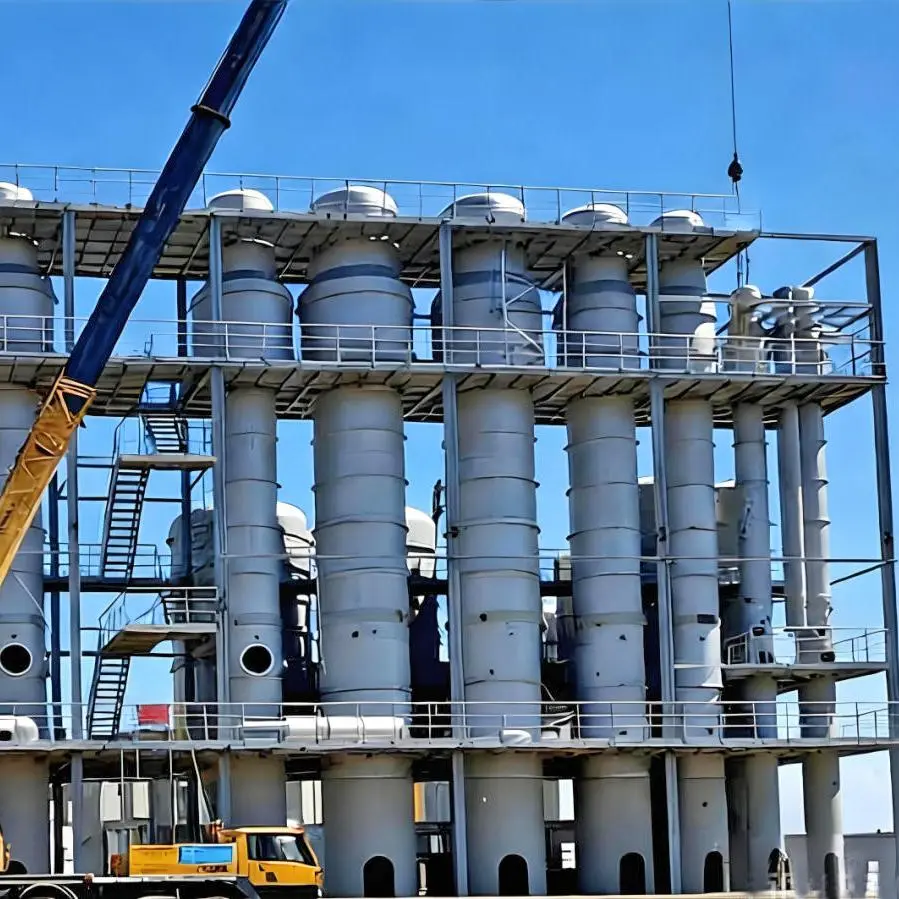
Industry Trends: Decarbonization and Digital Integration
The manufacturing landscape for concentration machinery is evolving rapidly. Key trends shaping the industry include:
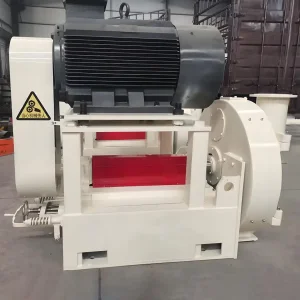
- Transition to MVR Integration: Single-effect systems are increasingly retrofitted with Mechanical Vapor Recompression (MVR). By adding a centrifugal fan or turbo compressor, the exhaust vapor is compressed and returned to the system as heating steam, reducing energy consumption by up to 90%.
- Smart Automation & Dynamic Mass Balance: Modern single stage plants feature automated controls that adjust parameters in real-time, matching feed changes to prevent dry boiling and tube scaling.
- ASME and PED Global Compatibility: Manufacturers must provide certified equipment suitable for all jurisdictions. Plants with ASME "U" Stamp and CE compliance allow multi-national enterprises to standardize their process lines globally.