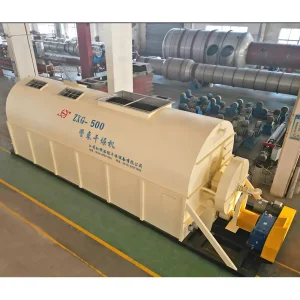
Explore our leading collection of industrial processing equipment, fully validated by rigorous international standards.
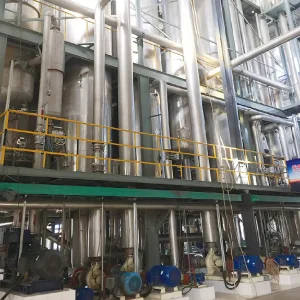
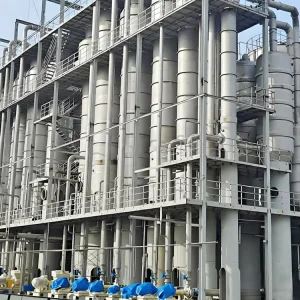
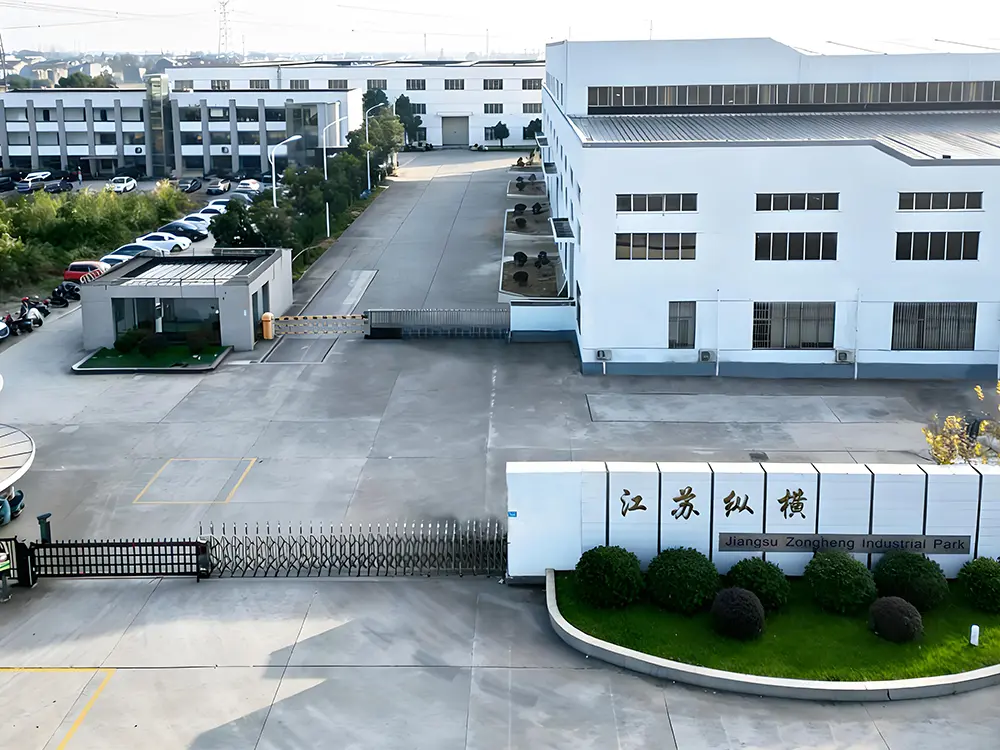
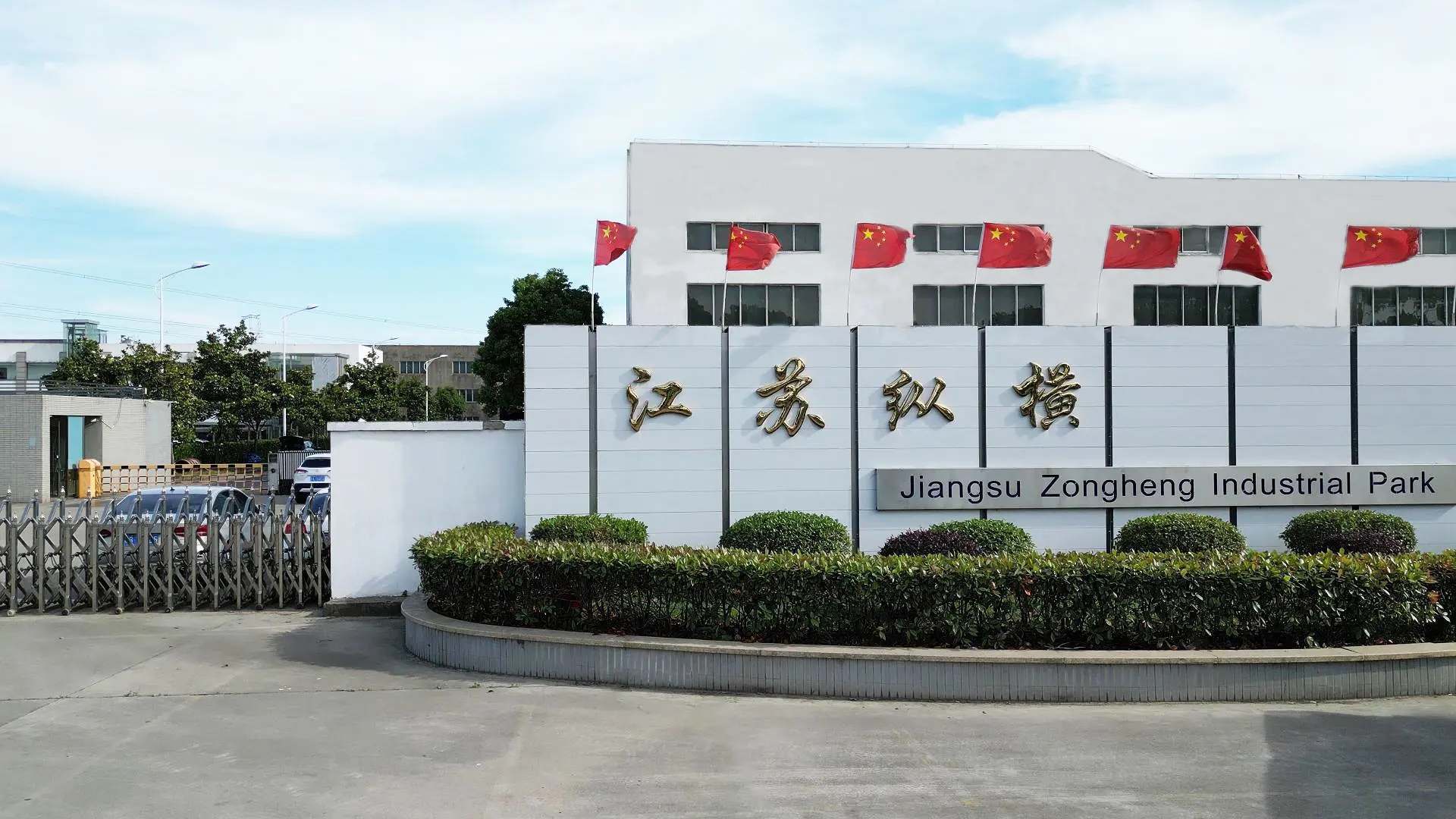
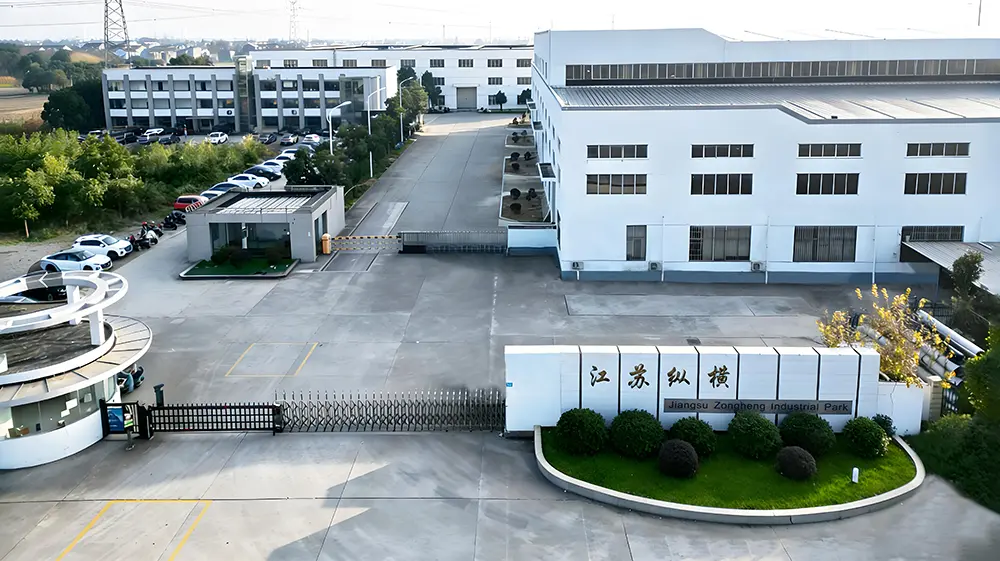
Founded in 1992 as the Yixing Yangxi Light Industry Machinery Factory, Jiangsu Zongheng Concentrating and Drying Equipment Co., Ltd. has evolved into an engineering powerhouse. Spanning over 54,000 square meters of high-tech manufacturing territory, including 22,000 square meters of specialized production halls, we specialize in the design and delivery of Category III medium and low-pressure vessel installations.
Our commitment as a leading Chinese supplier is reflected in our membership in the prestigious China Starch and Alcohol Association. The equipment we supply—ranging from multi-effect falling film evaporators to mechanical vapor recompression plants—serves critical functions across industries such as starch processing, food fermentation, bio-ethanol DDGS recovery, petrochemical treatments, and municipal wastewater reclamation.
Delve into the engineering, design directives, and fluid dynamic considerations behind our CE certified evaporative technologies.
Modern industrial concentrations demand high efficiency, reduced maintenance overheads, and optimized energy metrics. Choosing between Multi-Effect Evaporators (MEE) and Mechanical Vapor Recompression (MVR) systems depends on feed liquid chemistry, boiling point elevation (BPE), local energy tariff structures, and thermal limits.
Ideal for low-viscosity, heat-sensitive feeds. The liquid is distributed uniformly across internal heat-exchange tubes, creating a thin, gravity-driven film that flows downward. This generates exceptionally high heat-transfer coefficients and minimizes residence times, preventing product degradation and thermal fouling.
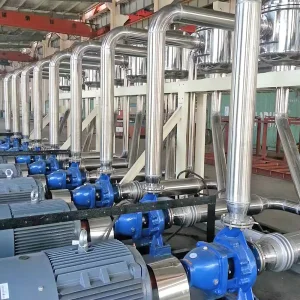
Specifically engineered for high-fouling, viscous, and crystallizing liquids. Large axial flow pumps drive the process fluid through heat exchangers under high velocity and hydrostatic pressure. Boiling inside the tubes is suppressed; flash vaporization occurs only upon entering the separator vessel, preventing mineral deposition on thermal surfaces.
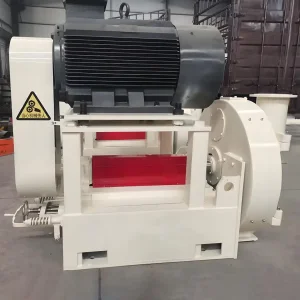
The pinnacle of energy-efficient thermal separation. Recompressing vapor using a high-efficiency centrifugal fan or roots blower increases its temperature and pressure. The re-energized vapor acts as the heating medium for the same effect, eliminating the need for continuous boiler steam and dramatically lowering operating costs.
To assist project engineers in evaluating thermal setups, the following matrix contrasts multi-effect and recompression systems:
| Performance Indicator | Multi-Effect Evaporators (MEE) | Mechanical Vapor Recompression (MVR) | Waste Heat Evaporators |
|---|---|---|---|
| Primary Energy Feed | Industrial Steam (0.2–0.8 MPa) | Electrical Energy (Compressor Drive) | Low-grade Vapor, Condenser flash, or Off-gas |
| Steam Economy Factor | ~0.75 per effect (e.g., 3.8-4.2 for 5 effects) | Equivalent to 15–30 effects | Highly dependent on source vapor energy |
| BPE Tolerance Limits | Excellent (designed for high BPE liquids) | Moderate (limited by compressor temp rise) | Low to Moderate |
| Capex vs. Opex Profile | Moderate CAPEX / Higher OPEX | Higher CAPEX / Very Low OPEX | Low CAPEX / Near-Zero OPEX |
| Recommended Applications | High density solutions, organic crystal crops | Concentration of starch wash, chemical effluents | Corn steep liquor concentration, flash vapors |
How our custom-engineered systems perform across diverse sectors, ensuring process reliability under challenging conditions.
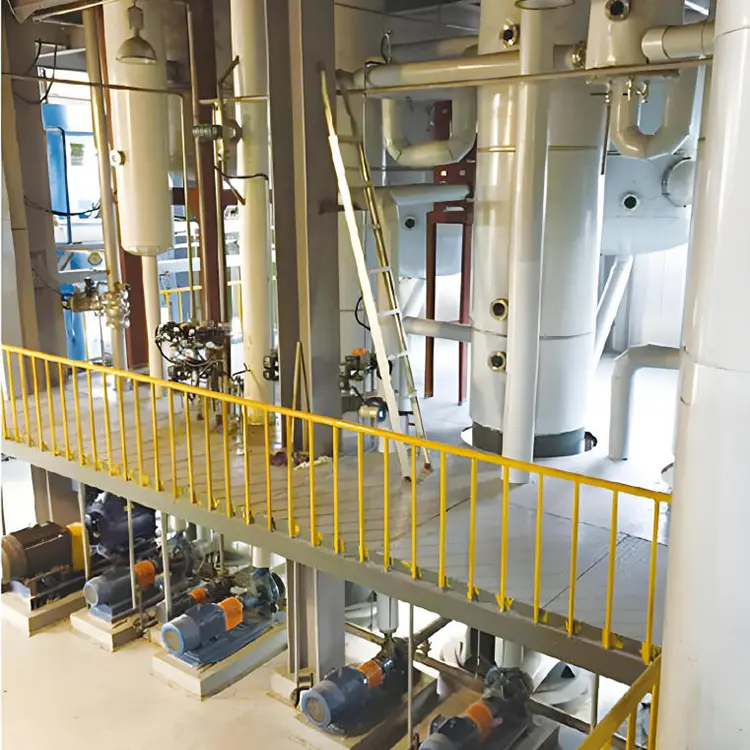
In global agricultural markets, wet milling refineries produce high volumes of corn steep liquor (CSL) and gluten-feed wastewater. Our CE-certified multi-effect falling film and waste heat evaporators integrate with starch production lines to handle these viscous streams. They concentrate light steep liquor from 5% up to 50% solids, recovering high-value proteins and nutrients while recycling pure condensed water back to the milling process.
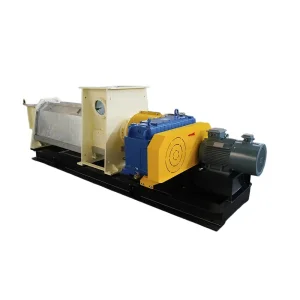
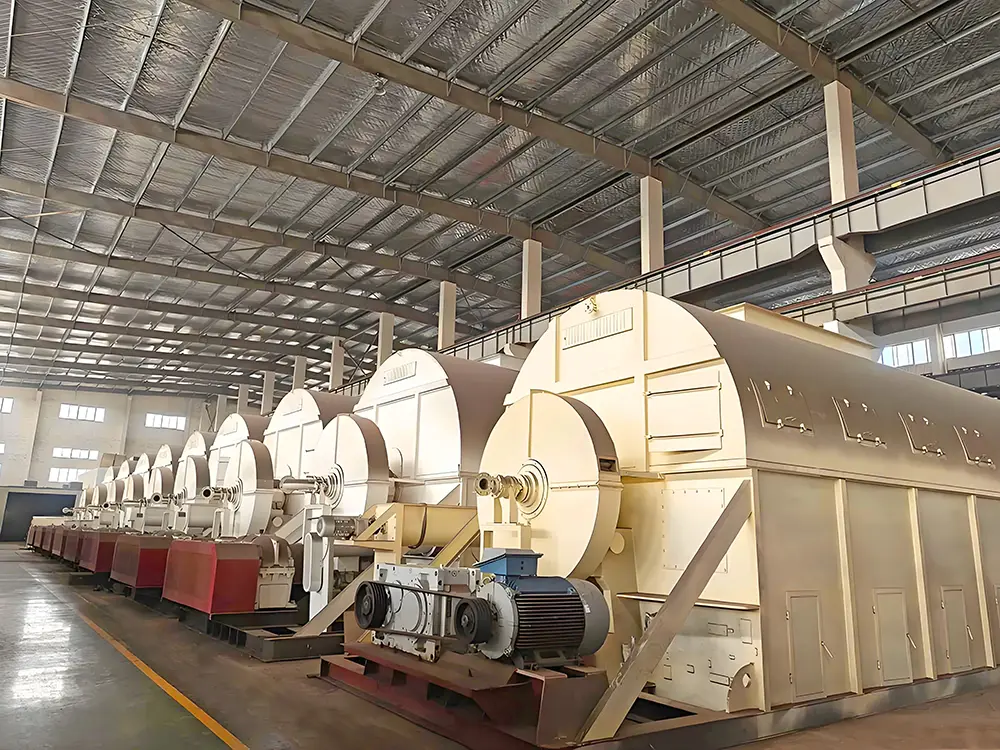
Alcohol distilleries generate substantial spent wash. To achieve Zero Liquid Discharge (ZLD) and recover Distillers Dried Grains with Solubles (DDGS), our systems work in series. First, Jiangsu Zongheng single screw presses perform mechanical dewatering. The resulting thin stillage is routed to our high-efficiency MVR evaporators, concentrating the syrup before it is mixed with wet cake and dried in our ZXG Tube Bundle Dryers. This process minimizes fossil fuel use and reduces waste discharge.
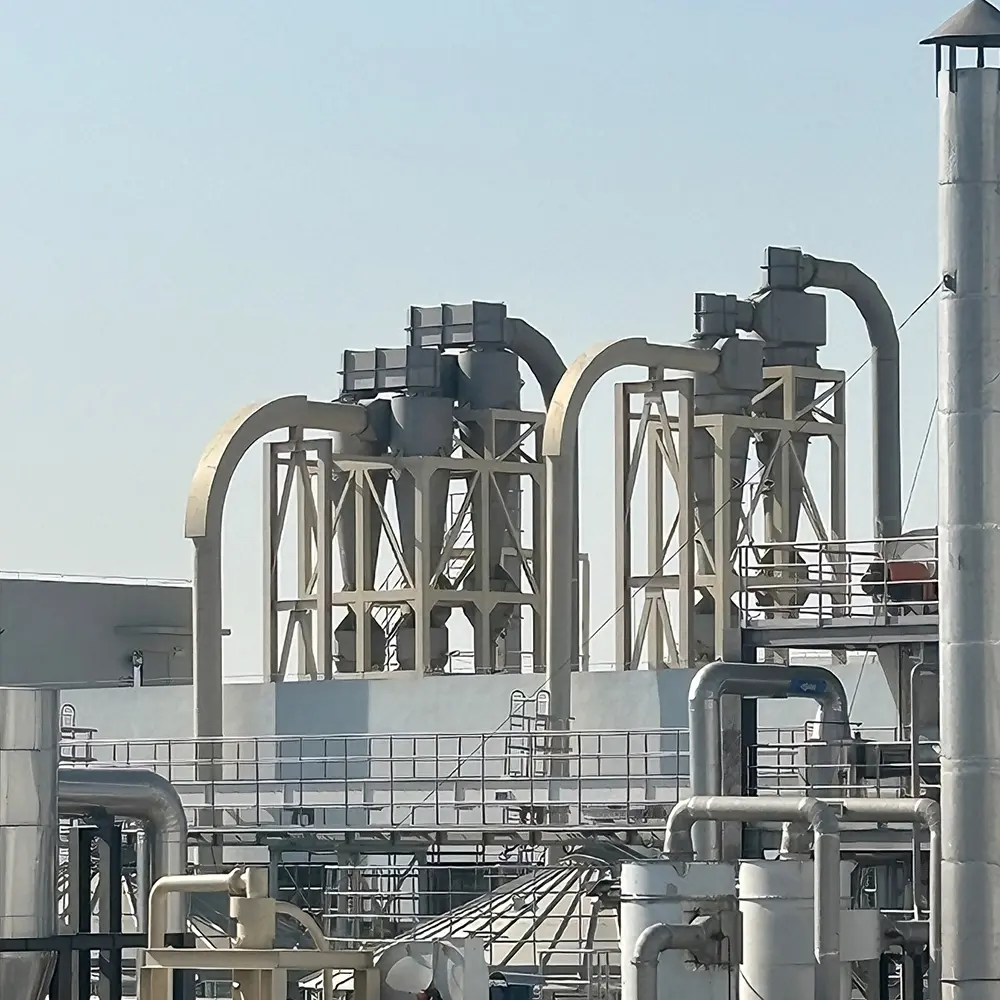
For chemical complexes facing strict effluent regulations, our forced circulation evaporators process inorganic salt solutions (such as NaCl, Na2SO4, and NH4Cl). By managing fluid velocities and temperatures, we suppress crystal formation inside the heat exchange tubes, preventing fouling. Working with downstream centrifugation equipment, these systems form a robust Zero Liquid Discharge solution, isolating dry salts for recycling or landfill.
In the concentration of organic solvents and active pharmaceutical ingredients (APIs), thermal exposure must be carefully controlled. Our low-temperature, multi-effect vacuum evaporators operate under high vacuum conditions. This lowers the boiling point of the solvent, protecting active compounds from heat degradation while maintaining high evaporation rates.
Leveraging regional raw materials, precision manufacturing, and strategic shipping infrastructure.
Located in Zhoutie Town, Yixing City, Jiangsu Province, Jiangsu Zongheng benefits from one of China's most advanced machinery manufacturing clusters. This proximity enables efficient raw material sourcing, specialized steel production, and logistics management.
We source certified plate and tube alloys, including Ti (Gr. 2), Hastelloy, Duplex SS (2205/2507), and standard 316L, directly from high-end mills. Nearby steel centers provide quick delivery and complete material tracking.
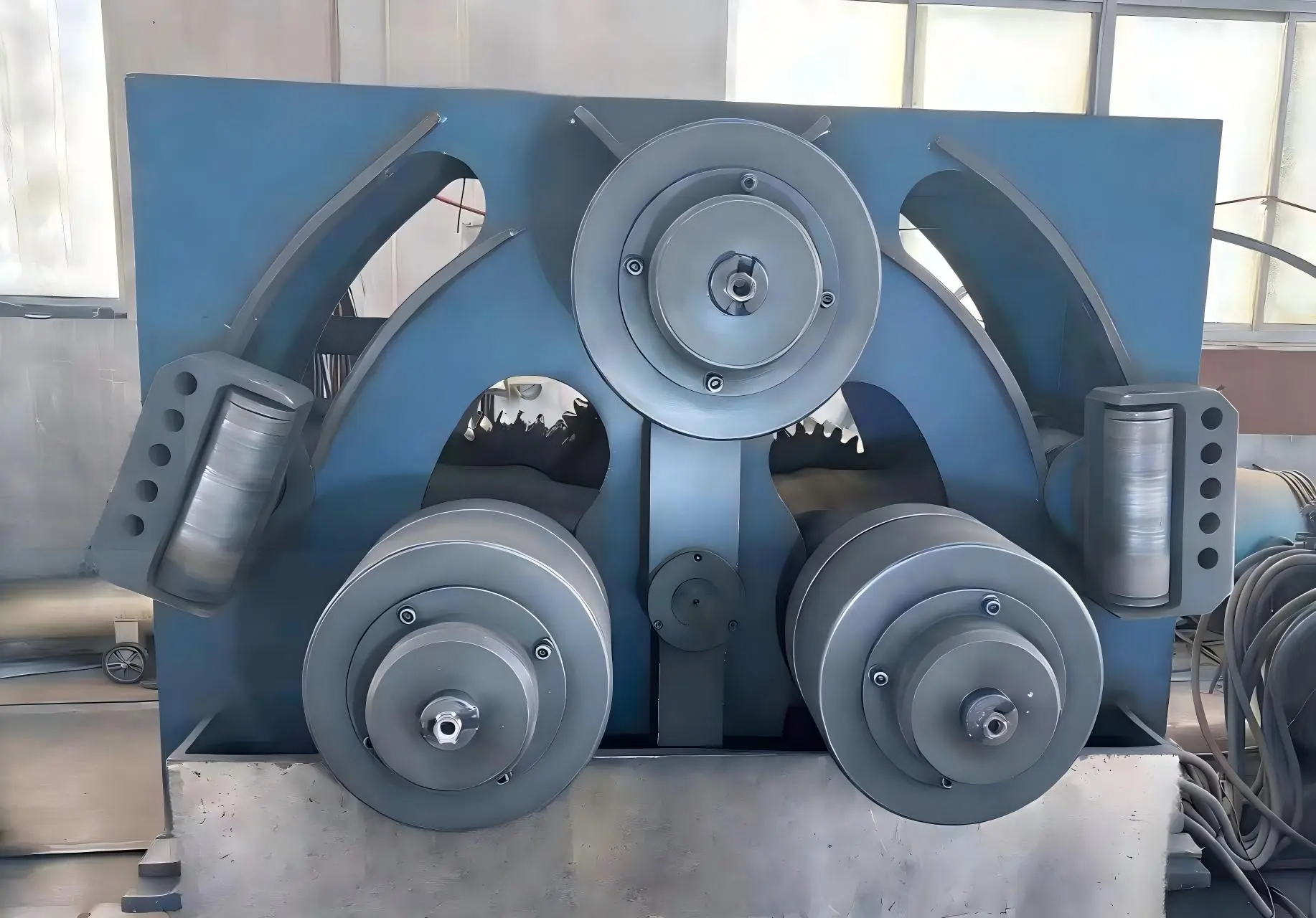
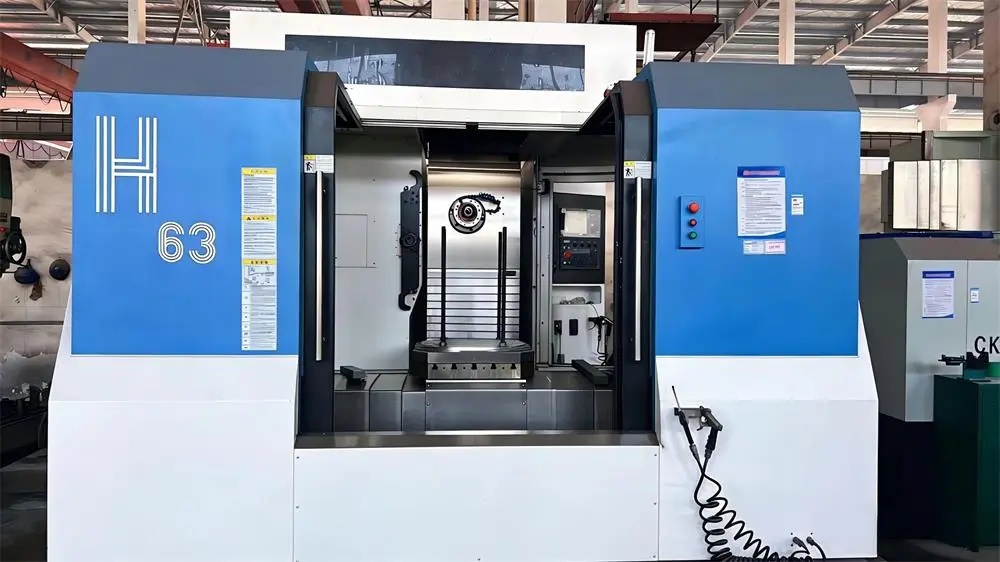
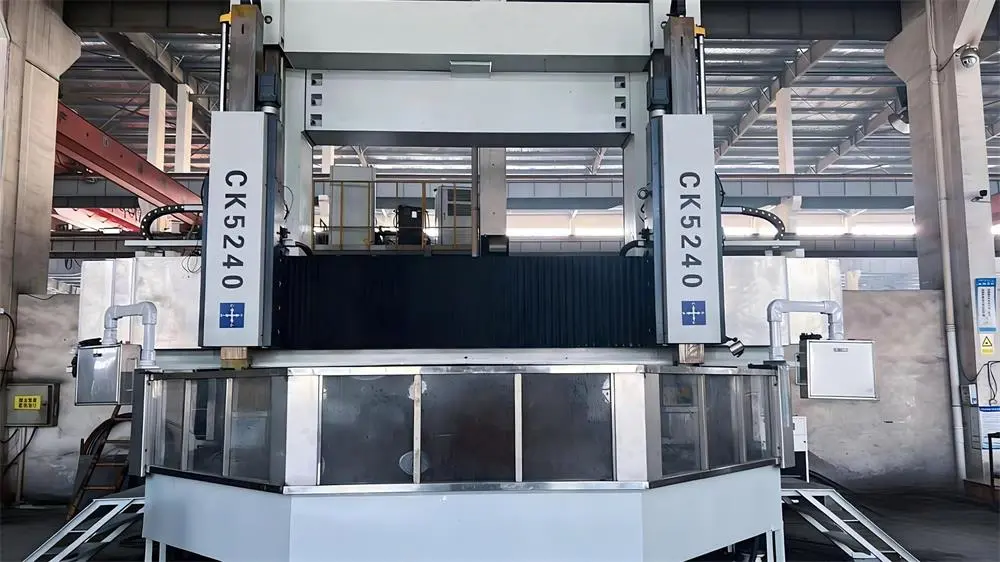
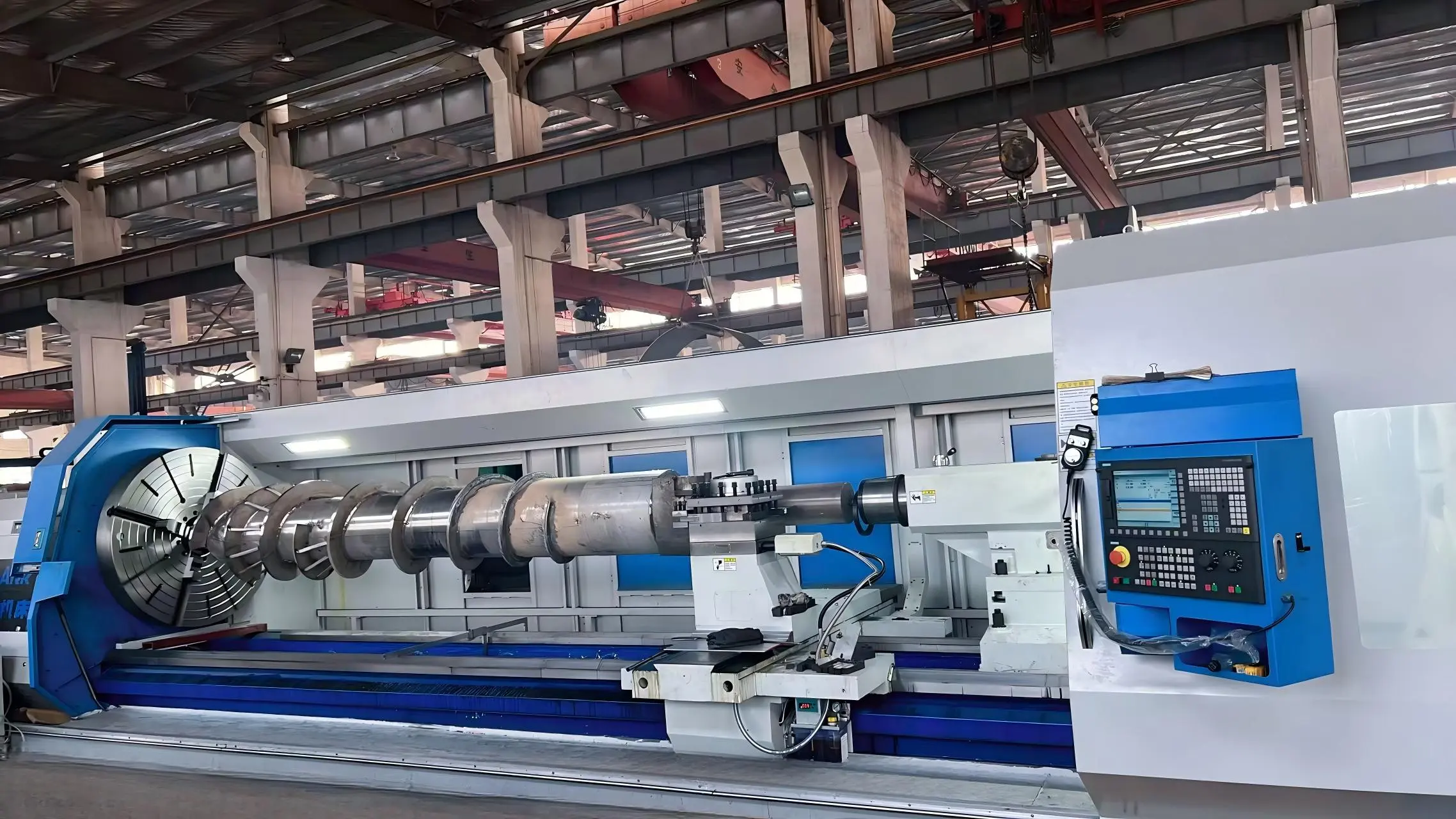
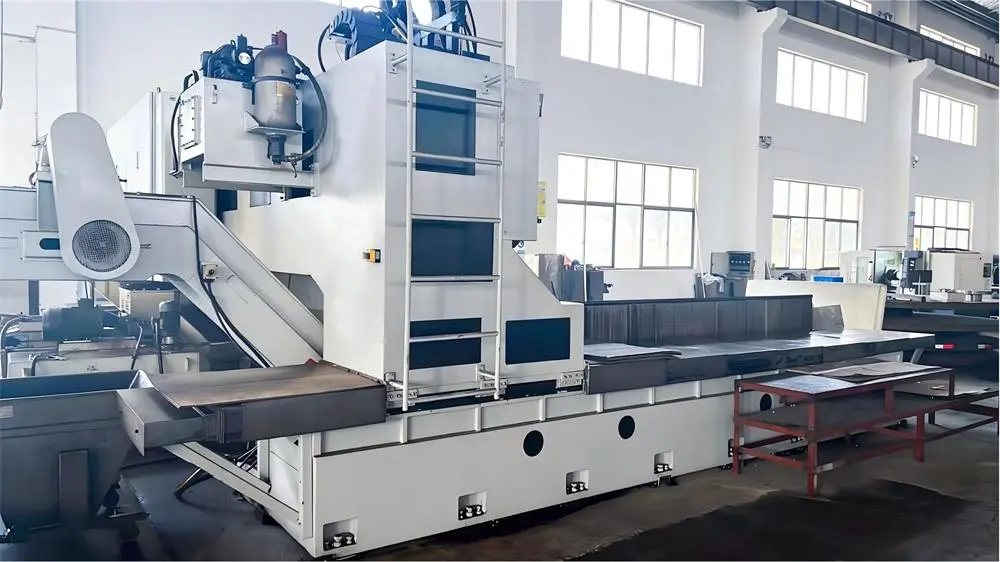
Our 22,000-square-meter workshop is equipped with large rolling machines, automatic tube-sheet welding systems, orbital tube welders, and non-destructive testing (NDT) facilities. This allows us to manufacture complex pressure vessels efficiently without relying on third parties.
Located near the Shanghai and Ningbo-Zhoushan port clusters, we can easily ship heavy machinery worldwide. We offer seamless transit routes and handle heavy-haul transport requirements for large column projects.
Our journey of engineering excellence and quality standards compliance since 1992.
Established as Yixing Yangxi Light Industrial Machinery Factory, focusing on basic concentration systems and drying apparatus for local food processing plants.
Obtained ISO9001 certification, standardizing our quality management system for manufacturing pressure vessels and industrial evaporators.
Recognized as a Jiangsu Provincial High-Tech Enterprise, expanding our R&D investments into MVR and multiple-effect technologies.
Granted the Special Equipment Manufacturing License of the People's Republic of China (License No.: TS2232C42) for low and medium-pressure vessels.
Acquired the ASME "U" Stamp authorization, certifying our pressure vessel engineering for the North American market and international projects.
Obtained international quality system certification (Certificate No.: 45021), aligning our processes with global standards.
Expanding our global presence with CE compliance across our entire range of MEE and MVR evaporators, serving clients throughout Europe, Southeast Asia, and the Americas.
Continuous evolution in thermodynamics, software integration, and carbon footprint reduction.
Industrial thermal processes require constant optimization. We focus on enhancing system integration, improving automation, and reducing energy footprint across three key areas:
We are integrating real-time thermodynamic modeling software into our PLC-SCADA architectures. This allows the system to automatically adjust vapor compression ratios, feed rates, and vacuum pressure based on feed fluctuations, maximizing efficiency.
To handle corrosive, low-pH wastewater in ZLD systems, we are testing nano-engineered surface coatings for heat exchanger tubes. These coatings resist scaling and corrosion, extending equipment lifetime and reducing cleaning cycles.
By pairing high-efficiency MVR evaporators with multi-effect waste heat recovery designs, we help plants utilize secondary heat sources. This hybrid approach significantly reduces net power requirements compared to standalone configurations.
Ensuring compliance with international pressure equipment directives for reliable operations.
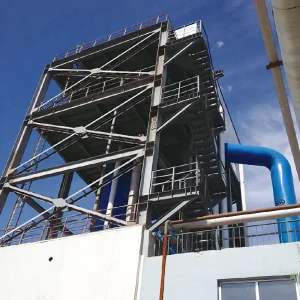
For European and global installations, compliance with the Pressure Equipment Directive (PED) 2014/68/EU is essential. Our CE-certified evaporative columns undergo complete validation, including material certificates, pressure tests, and safety review processes.
We work with international inspection bodies to verify our design calculations, weld quality, and safety systems. Whether deploying a large MVR system or a custom multi-effect evaporator, our equipment delivers reliable performance and meets regulatory requirements.
Technical guidance and engineering insights on selection, installation, and operation.
Complete your processing system with our high-capacity dewatering presses, cyclones, and bundle dryers.
Partner with a certified Chinese factory. Our engineering team will review your feed parameters, BPE, and mass-balance specifications to deliver a custom thermodynamic design.
Factory Location: Zhoutie Town, Yixing City, Jiangsu Province, China
Certifications: CE Marked, ASME U-Stamp, ISO 9001:2015
We welcome site visits and physical inspections from engineering firms worldwide.
 Zongheng