Explore our CE-certified systems engineered for demanding industrial water treatment, starch refinement, and dewatering applications.

Custom-engineered thermal separation systems developed to meet rigorous EU safety and performance guidelines. Ideal for high-salinity wastewater concentration.
Technical Specs
Mechanical Vapor Recompression plants engineered to minimize operating costs by recycling secondary steam. High thermal efficiency with reduced utility footprints.
Energy Analysis
Refining and purification cyclone systems optimized for multi-stage counter-current starch washing, ensuring high purity yields and system dependability.
Processing Capacity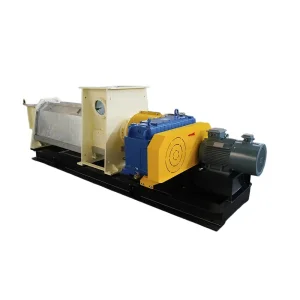
High-efficiency solid-liquid compression designed for continuous separation of fibers, starch residues, and agricultural municipal sludges.
Hydraulic Load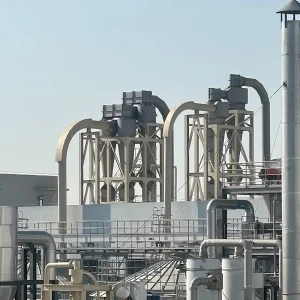
High-speed hot air suspension drying technology designed for rapid moisture reduction in starch, flour, and organic fibrous aggregates.
Drying Kinetics
Specifically engineered hydrocyclone bundles for starch refining, protein separation, and structural classification within processing environments.
Hydrocyclone Specs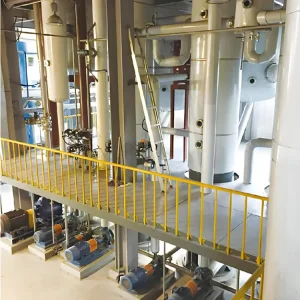
Engineered for heat-sensitive liquids, providing rapid concentration with low residence times to protect organic compounds and maintain fluid qualities.
Liquid Dynamic Analysis
Advanced multi-stage cyclone arrays optimizing concentration margins and starch fiber separating parameters for process scalability.
Refining FlowchartsIn an era marked by shifting climate patterns, rising production standards, and expanding ESG frameworks, global industrial sectors face the challenge of conserving fresh water while minimizing industrial wastewater footprints. The concept of Zero Liquid Discharge (ZLD) has transitioned from an environmental ideal to a regulatory reality. Today, manufacturing sectors across Europe, the Americas, and Asia-Pacific must invest in high-efficiency thermal evaporation solutions to process industrial wastewater, brine, and high-salinity process flows.
Industrial water evaporators have evolved beyond waste mitigation tools to become key components of circular economy architectures. By integrating Mechanical Vapor Recompression (MVR) and multi-effect falling film evaporation configurations, manufacturing enterprises recover up to 98% of high-grade distillate water. This water can be recycled back into industrial systems, helping to conserve natural resources and lower operating overheads.
CE certification ensures that industrial evaporation plants conform to European health, safety, and environmental standards. As manufacturing regulations tighten, possessing a CE-certified system is essential for entering EU markets, ensuring compliance with pressure equipment guidelines, machinery directives, and electrical safety standards.
Understanding the thermodynamic principles and engineering distinctions behind modern separation and evaporation plants.
MVR systems compress secondary vapors generated during evaporation, elevating their pressure and temperature. The compressed vapor is then recycled as a heating source. This eliminates the need for fresh steam, reducing energy consumption by up to 90% compared to single-effect steam thermal systems.
In falling film systems, liquid flows down vertical tubes as a thin film. This design enables fast heat transfer rates and short contact times. It is ideal for heat-sensitive fluids, such as food concentrates, starch-washing streams, and organic chemical components, preventing thermal degradation.
Designed for solutions with high scaling potential, high viscosity, or crystallization tendencies. By circulating the liquid at high velocities through heat-exchanging tubes, it prevents solid deposition on exchange surfaces, maintaining thermal efficiency over extended operation cycles.
How our integrated equipment chains optimize production lines, starch refineries, and municipal infrastructures globally.
Within modern starch and glucose production plants, clean water is essential. The integration of Jiangsu Zongheng Starch Washing Cyclones and Degerming Mills ensures starch purification. Meanwhile, waste streams are processed by falling film and MVR systems, minimizing fresh water intake and recovering concentrated proteins and fibers.
In ethanol fermentation plants, distilling residues are transformed into high-value animal feed (DDGS). Our Single Screw Presses first mechanically dewater the fibrous residues. Then, ZXG Tube Bundle Dryers complete the moisture reduction process. The remaining thin stillage is concentrated using waste heat or MVR evaporators.
Petrochemical and specialty chemical facilities produce high-salinity wastewater containing active compounds. Utilizing a combined forced circulation crystallizer and waste heat evaporator converts these wastewater streams into clean, reusable distillate and dry crystalline solids, meeting strict regional water discharge regulations.
A legacy of manufacturing excellence, international certifications, and technical milestones since 1992.
Established as Yixing Yangxi Light Industrial Machinery Factory, pioneering thermal and separation equipment manufacturing on a 15-mu industrial footprint.
Obtained ISO9001 Quality System Certification, standardizing corporate design, production, and inspection procedures.
Recognized as a Jiangsu Provincial High-Tech Enterprise, acknowledging our innovations in industrial drying and falling film concentration technologies.
Secured the Special Equipment Manufacturing License of the People's Republic of China, certifying our capability for Category III low and medium-pressure vessel fabrication.
Acquired the ASME "U" Stamp Authorization. This allowed us to expand into high-spec global markets requiring compliance with international pressure vessel codes.
Expanded facilities to cover 54,000 square meters. Our team now includes over 20 specialized engineers and 3 senior thermal engineering experts, focused on CE-compliant MVR systems and sustainable industrial equipment.
The future of industrial evaporation focuses on thermal efficiency and decarbonization. As global energy prices fluctuate, the transition from fossil-fuel-heated systems to electrified MVR systems represents a major change for the processing sector.
Our technical roadmap includes integrating predictive scaling systems that monitor heat transfer efficiency in real-time. By utilizing sensor feedback, these systems dynamically adjust circulation velocities to prevent scaling. Additionally, we are developing hybrid solar-thermal driven configurations and optimized low-temperature vacuum evaporators to process highly heat-sensitive compounds without compromising quality.
Replacing direct steam injection with high-ratio mechanical vapor compressors powered by green electricity to eliminate scope-1 carbon emissions from thermal units.
Implementing advanced surface coatings and adaptive flow regimes to reduce organic crystallization and mineral buildup within heat exchanger channels.
Developing skid-mounted, pre-commissioned, CE-certified containerized evaporation units to shorten installation times for localized municipal and industrial operations.
Expert answers to common engineering questions regarding MVR plants, CE compliance, scaling mitigation, and thermal efficiency.
Browse our range of specialized industrial process equipment, drying lines, and starch processing mills.
Engineered for high-efficiency concentration of heat-sensitive chemical and biological solutions. Short residence times protect product quality.
Product Details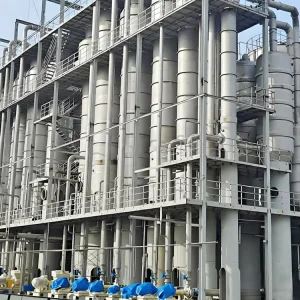
Utilizes thermal energy from dryer vapors and process exhaust to drive evaporation, improving plant efficiency and lowering utility costs.
Thermal Mapping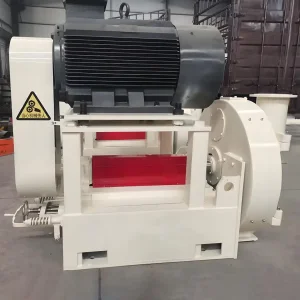
Designed for maize processing, ensuring precision germ separation from the starch kernel to optimize subsequent starch-refining processes.
Milling Efficiency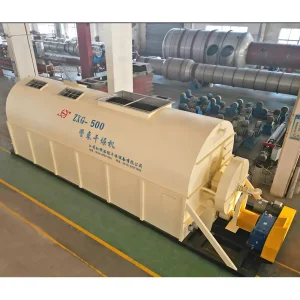
Provides indirect steam heating for safe, low-oxygen drying of organic starches, animal feeds, and temperature-sensitive residues.
Dryer Dimensions
Optimized steam tube arrangement for consistent moisture control in continuous starch-drying configurations.
Moisture Control
Designed for industrial operations, offering high heat transfer rates, robust construction, and low maintenance requirements.
Operational Performance
Utilizes high-speed heated air streams to fluidize wet products, ensuring rapid and uniform moisture removal.
Kinetics Analysis
Engineered for starch refining plants, facilitating starch-protein separation with consistent processing throughputs.
Product ParametersOur engineering team can design custom, CE-certified evaporation systems and industrial drying solutions tailored to your operational requirements.
 Zongheng