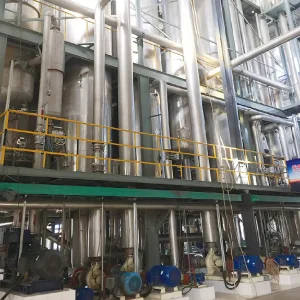
Designed for highly viscous, scaling, or crystallizing solutions. Ensures optimal fluid velocities and prevents heat transfer degradation.
→Learn More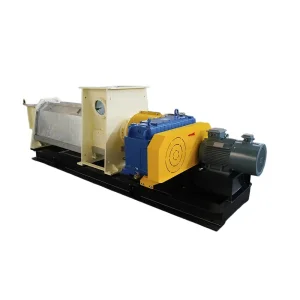
Engineered for continuous mechanical dewatering of slurry, waste pulp, and organic solids with high separation efficiency.
→Learn More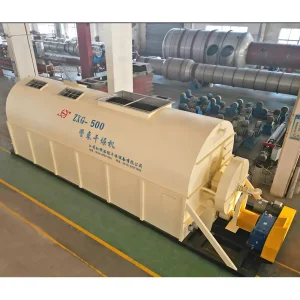
Provides uniform heat transfer and indirect drying under low-oxygen environments. Ideal for starches, grains, and sensitive chemical powders.
→Learn More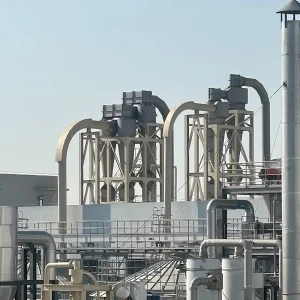
Leverages high-velocity hot air to fluidize particles instantly, delivering rapid flash drying for heat-sensitive powders.
→Learn More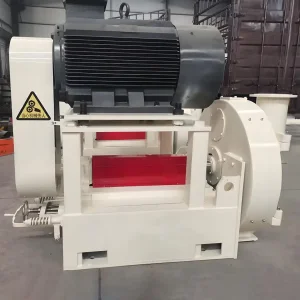
Specialized starch wet milling equipment that maximizes germ liberation with minimal grit destruction and optimal product purity.
→Learn More
Integrated corn processing solutions configured to optimize wet-milling plants for starch, gluten, and alcohol co-products.
→Learn More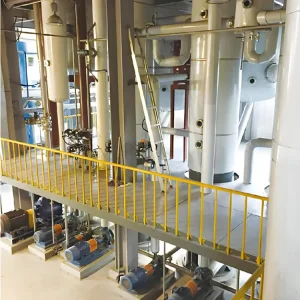
Delivers exceptionally low residence times and high thermal transmission coefficients. Ideal for chemical and food concentration.
→Learn More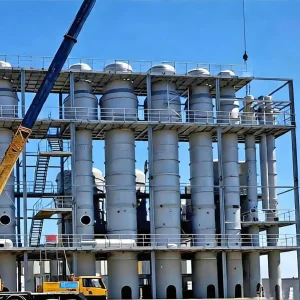
State-of-the-art evaporation designs, offering custom integrations for high concentration factor requirements under CE directives.
→Learn More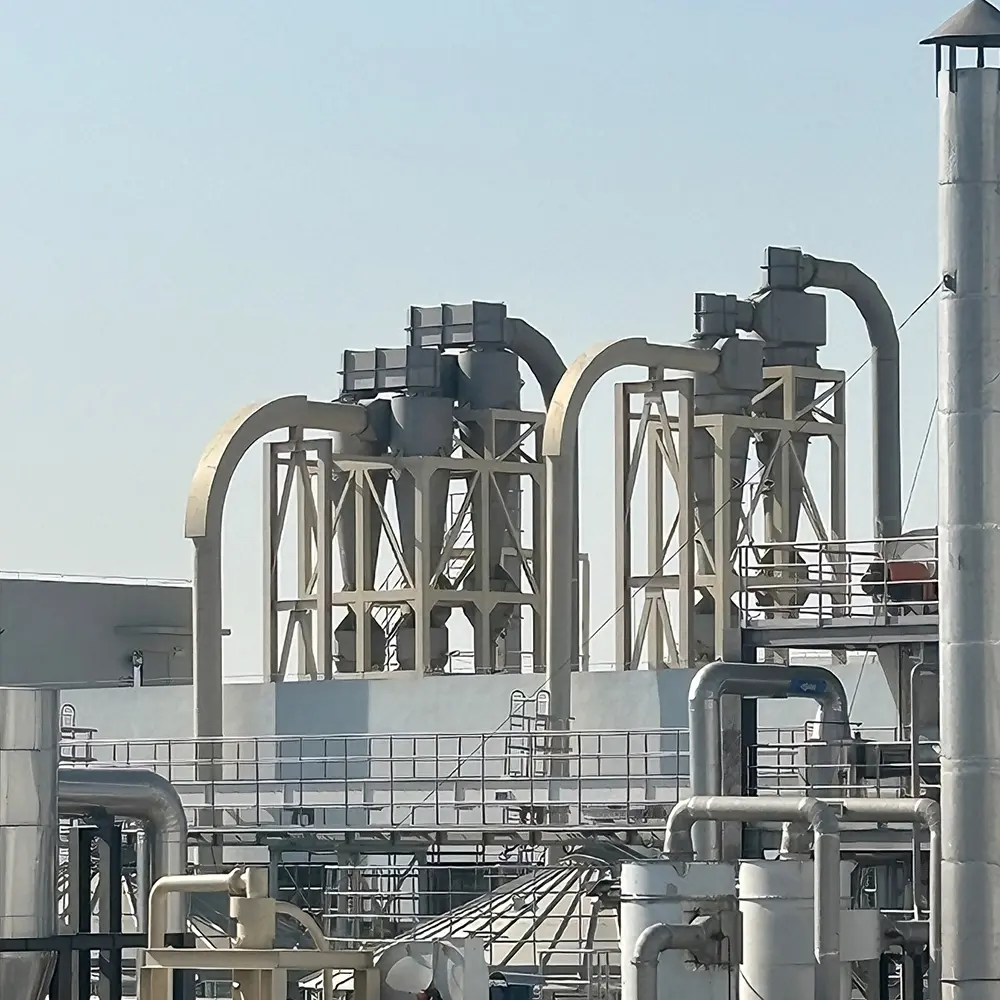
Jiangsu Zongheng's MQG Airflow Dryer represents a key innovation in industrial particle drying. By introducing high-velocity hot air currents into customized, variable-diameter tubes, this equipment creates a localized, high-turbulence fluidization zone. As the particulate material is pneumatically conveyed, it undergoes intensive tumbling, maximizing the mass and heat transfer surface area.
Our airflow dryers achieve instantaneous moisture vaporization within milliseconds, which is critical for preventing thermal degradation in heat-sensitive compounds. By matching thermodynamic requirements with structural tube design, we guarantee a highly consistent final moisture content for various powders and crystalline products.
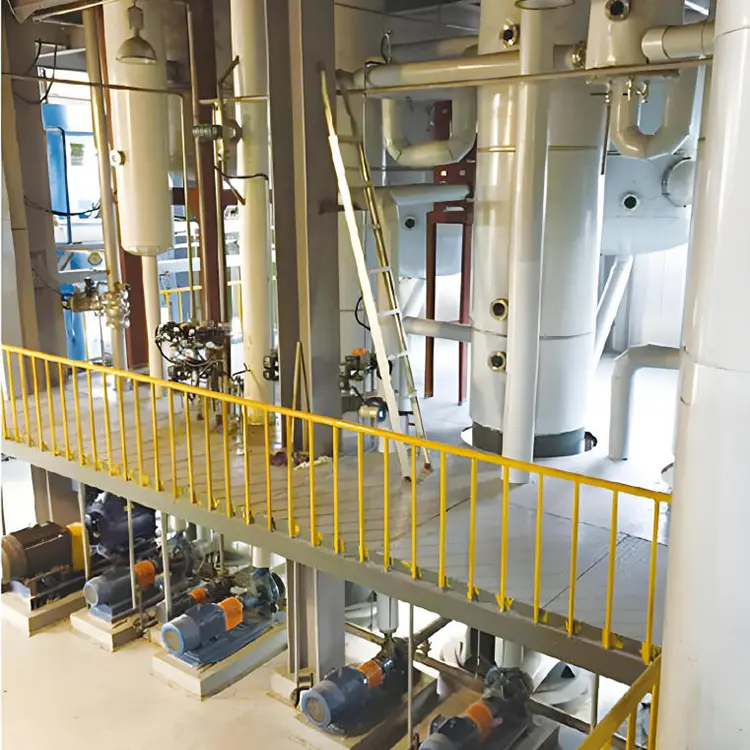
The Falling Film Evaporator Plant is highly suited for concentrating heat-sensitive liquid matrices. The feed liquor is distributed evenly across the interior surfaces of heated vertical tubes, descending as a thin, continuous film. Heat from steam or vapor in the shell causes volatile solvents to evaporate, and the resulting vapor co-currents assist the gravity-driven flow down the tube walls.
To prevent localized dry spots, fouling, and scale accumulation, our systems use precision liquid distribution systems. This guarantees a continuous, uniform film thickness, maintaining a high heat-transfer coefficient and short thermal exposure times.
Established in 1992 as the Yixing Yangxi Light Industry Machinery Factory, Jiangsu Zongheng Concentrating and Drying Equipment Co., Ltd. has grown over the past three decades into a leading designer and manufacturer of chemical concentration, drying, starch wet-milling, and pressure vessel equipment.
Situated in Zhoutie Town, Yixing City—near Lake Taihu—our modern facility covers more than 54,000 square meters, including over 22,000 square meters of high-capacity production workshops. As a member of the China Starch and Alcohol Association, we deliver solutions to the starch, bio-fermentation, ethanol DDGS, chemical, pharmaceutical, and wastewater recovery industries.
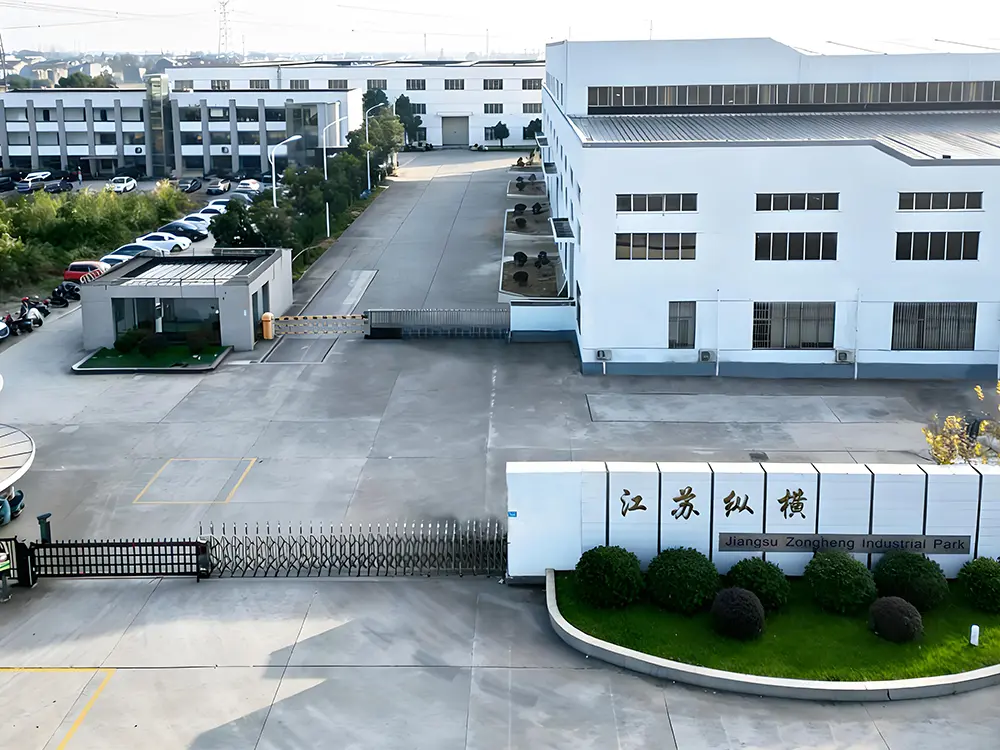
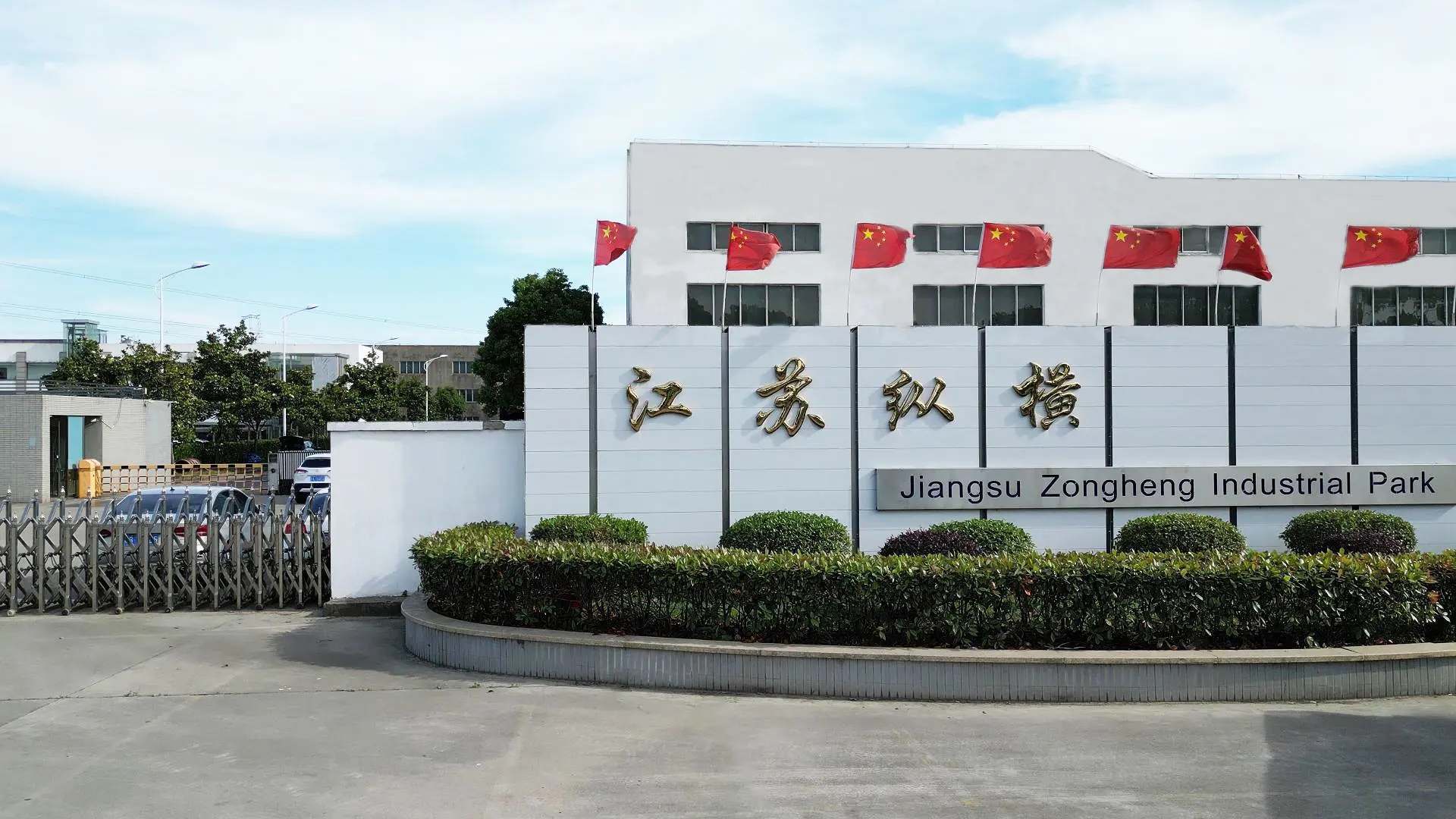
Established as Yixing Yangxi Light Industrial Machinery Factory, covering 15 mu with 45 employees, laying the foundation for dry and thermal separation technology.
Obtained ISO9001 quality management certification, standardizing manufacturing processes and paving the way for larger industrial markets.
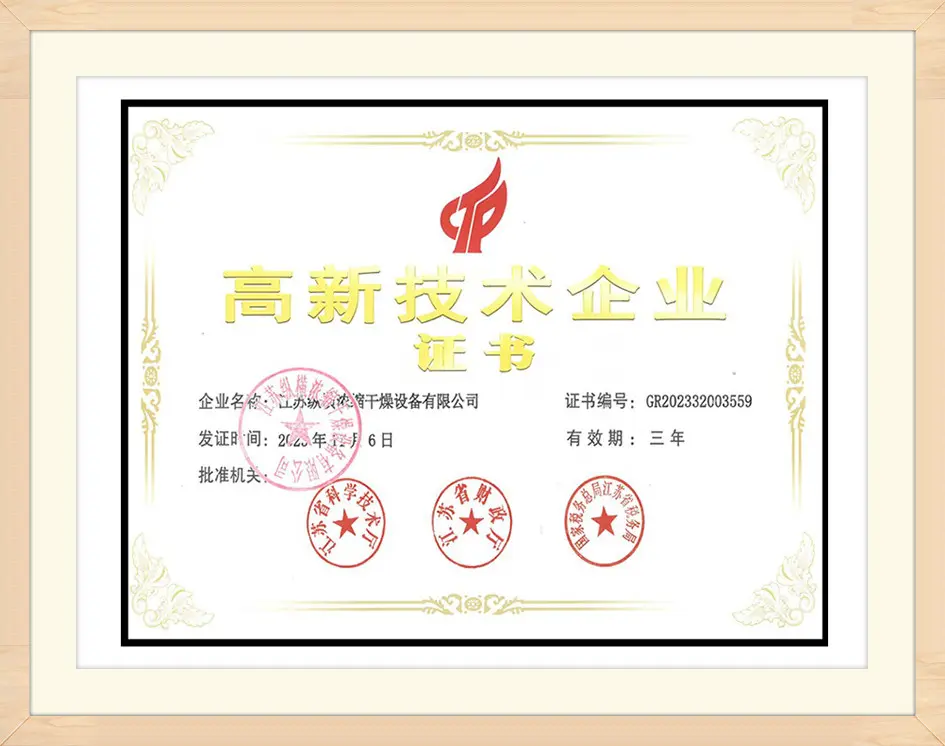
Recognized as a Jiangsu Provincial High-Tech Enterprise, driven by investments in thermal separation and mechanical dewatering research.
Secured the Special Equipment Manufacturing License of the PRC (No. TS2232C42) for fabricating pressure vessels.
Acquired ASME "U" Stamp authorization, conforming our heavy engineering design and welding processes to global standards.
Received international quality system certification (Certificate No. 45021), aligning our QA/QC systems with global industrial buyers.
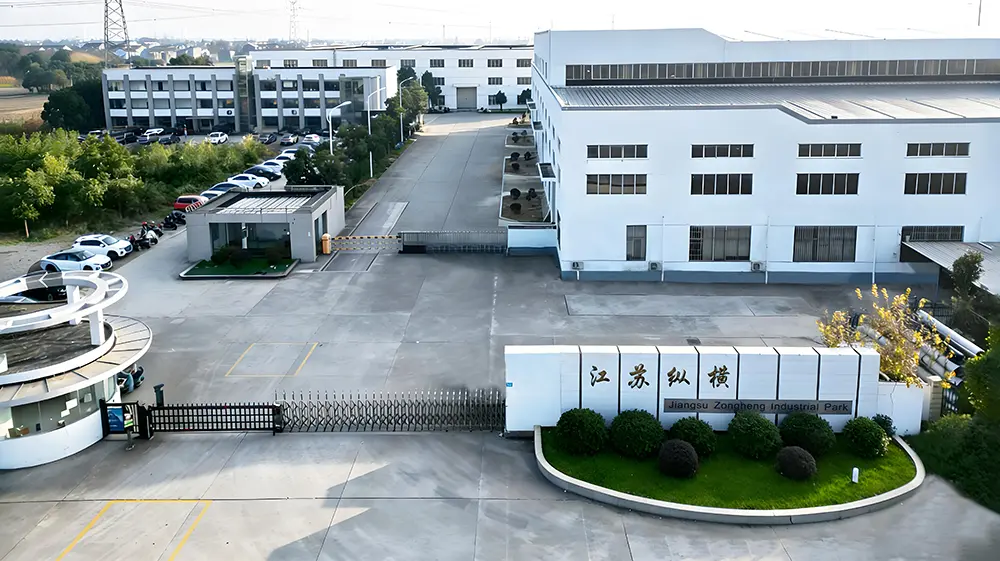
Operating a 54,000 m² footprint with a workforce of 120+, featuring 3 senior engineers and 20+ specialised design engineers.
Industrial concentration systems must reduce energy requirements. Our technical roadmap focuses on integration with Mechanical Vapor Recompression (MVR) and waste-heat recovery. By recycling latent heat from secondary steam, our MVR systems cut steam consumption by up to 90%, lowering operating costs in high-volume settings.
Processing highly corrosive materials, such as organic acids, saline chemical wastewater, and fermentation broths, requires advanced metallurgy. We fabricate heat exchangers using Duplex Stainless Steel (e.g., 2205, 2507), Titanium, and Hastelloy alloys, preventing pitting and stress corrosion cracking in aggressive process fluids.
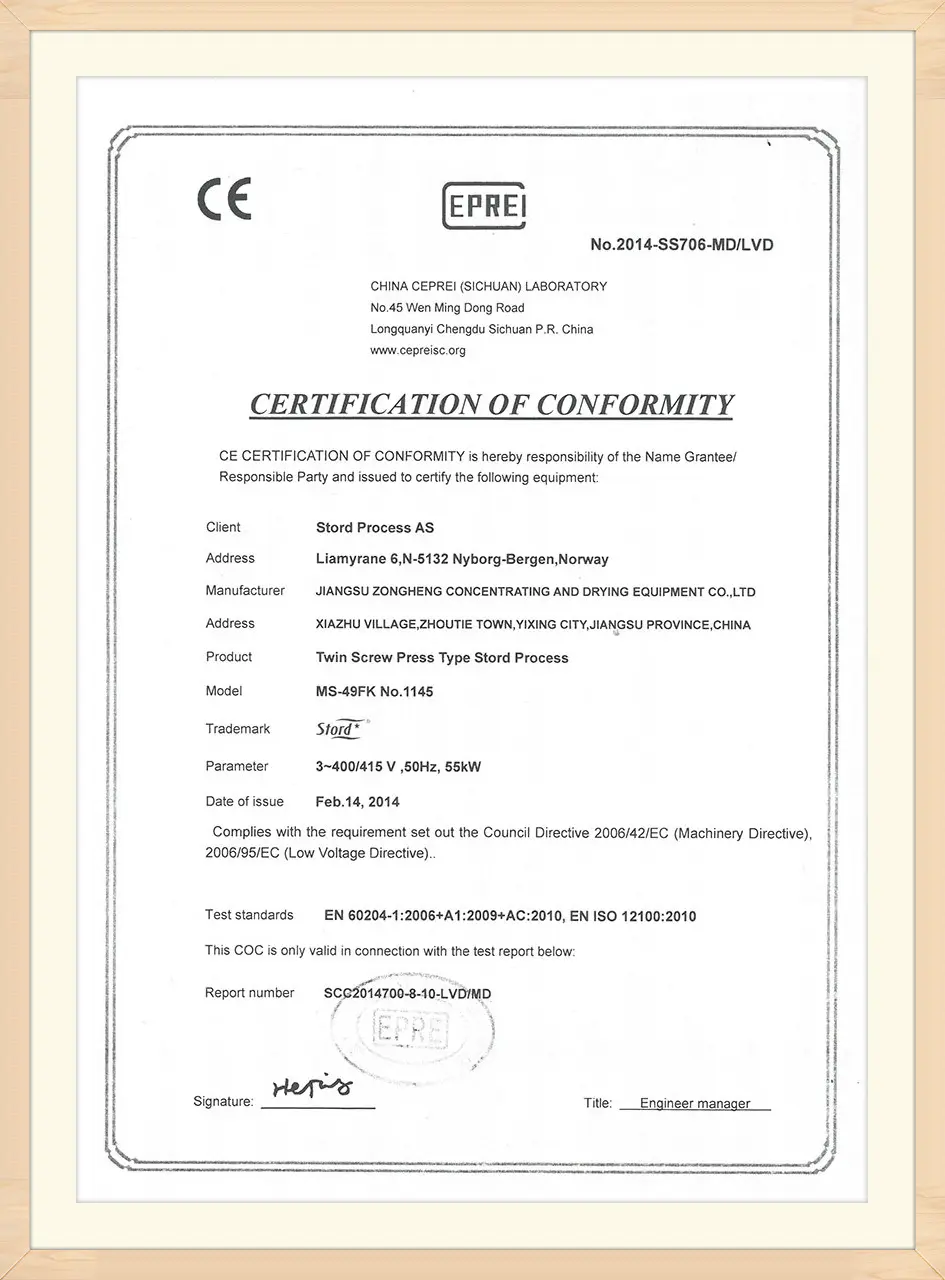
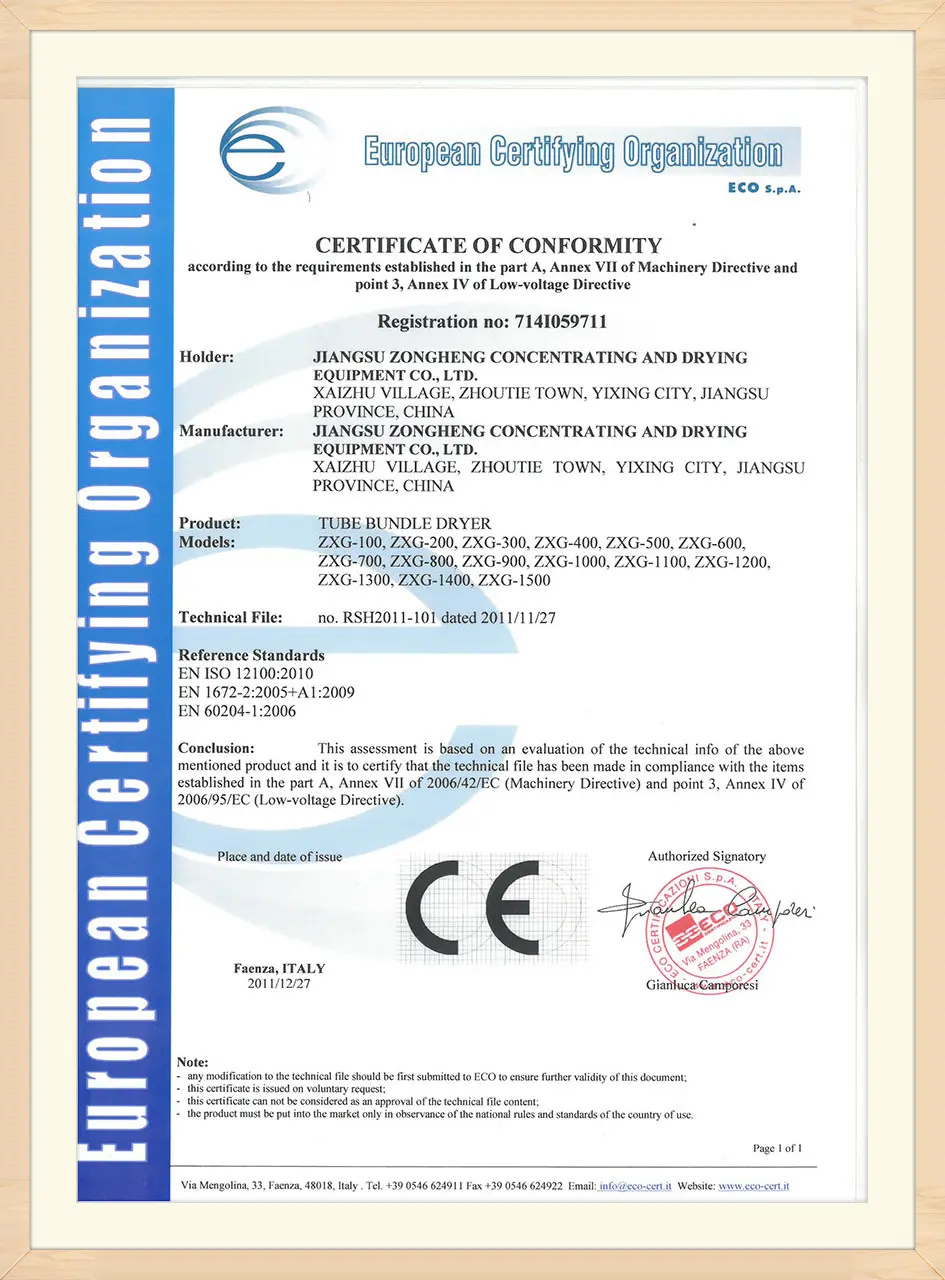
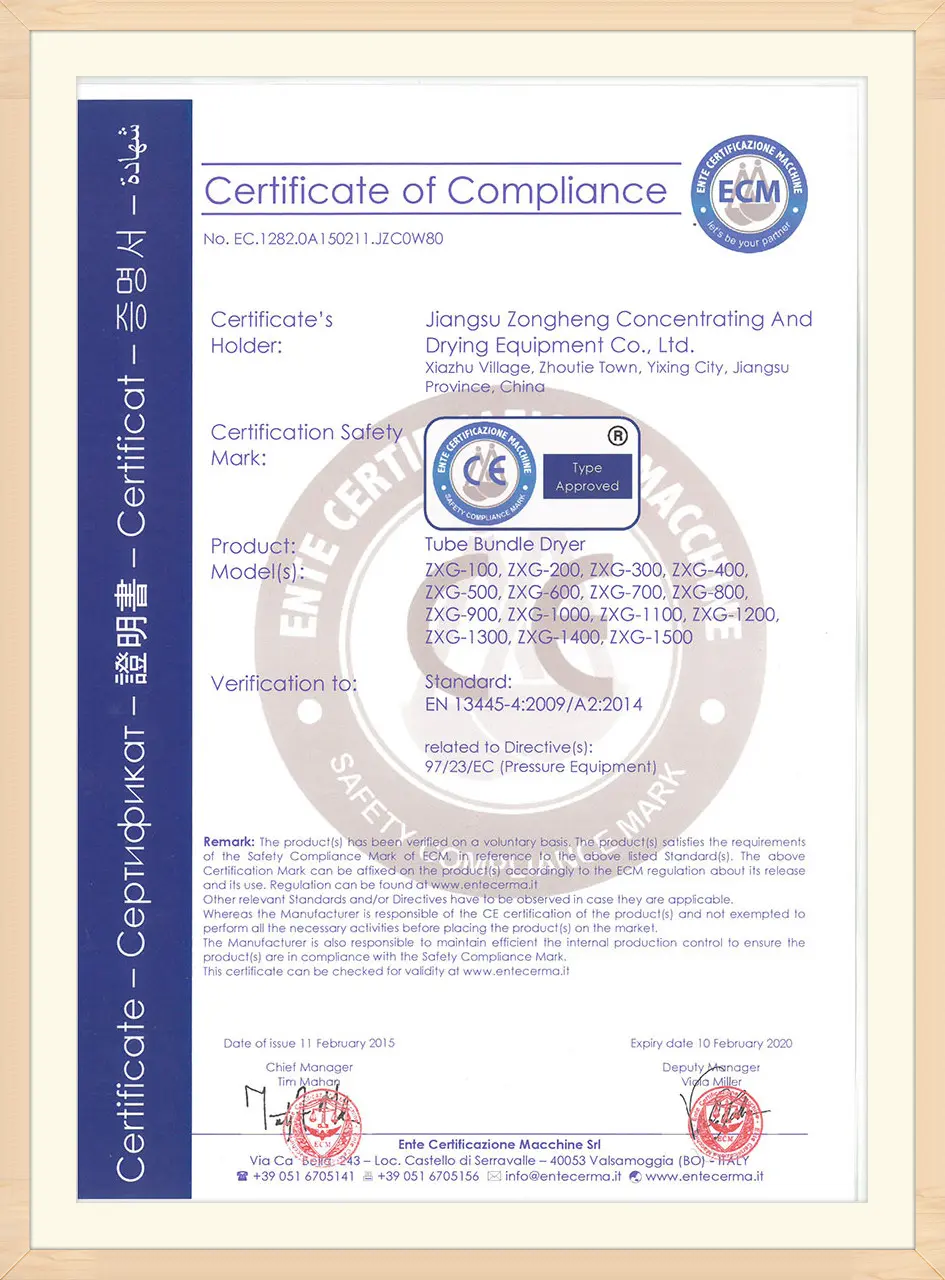
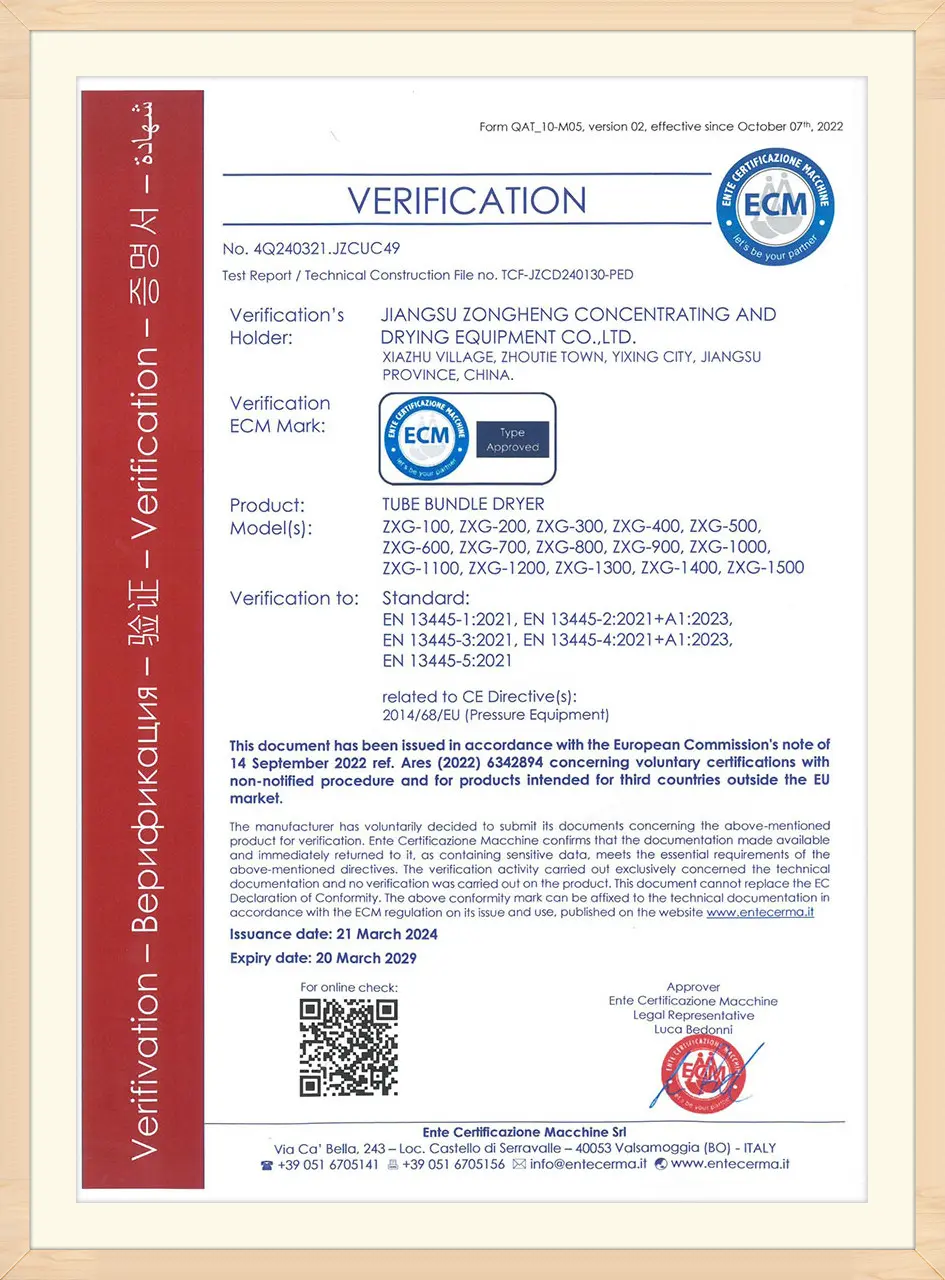
Operating internationally requires strict regulatory compliance. Our engineering division designs systems to meet CE Directives (such as the Pressure Equipment Directive PED 2014/68/EU and Machinery Directive 2006/42/EC) and ASME Section VIII Div. 1 standards. This ensures smooth installation, validation, and safety compliance worldwide.
Jiangsu Zongheng benefits from being located in the Yangtze River Delta industrial zone, giving us access to a complete supply chain for high-grade steel, precision machining, structural components, and logistics. Our vertically integrated factory design and in-house testing allow us to deliver custom-engineered equipment within shorter lead times and at a lower cost than European or North American fabricators, without compromising on ASME or CE quality standards.
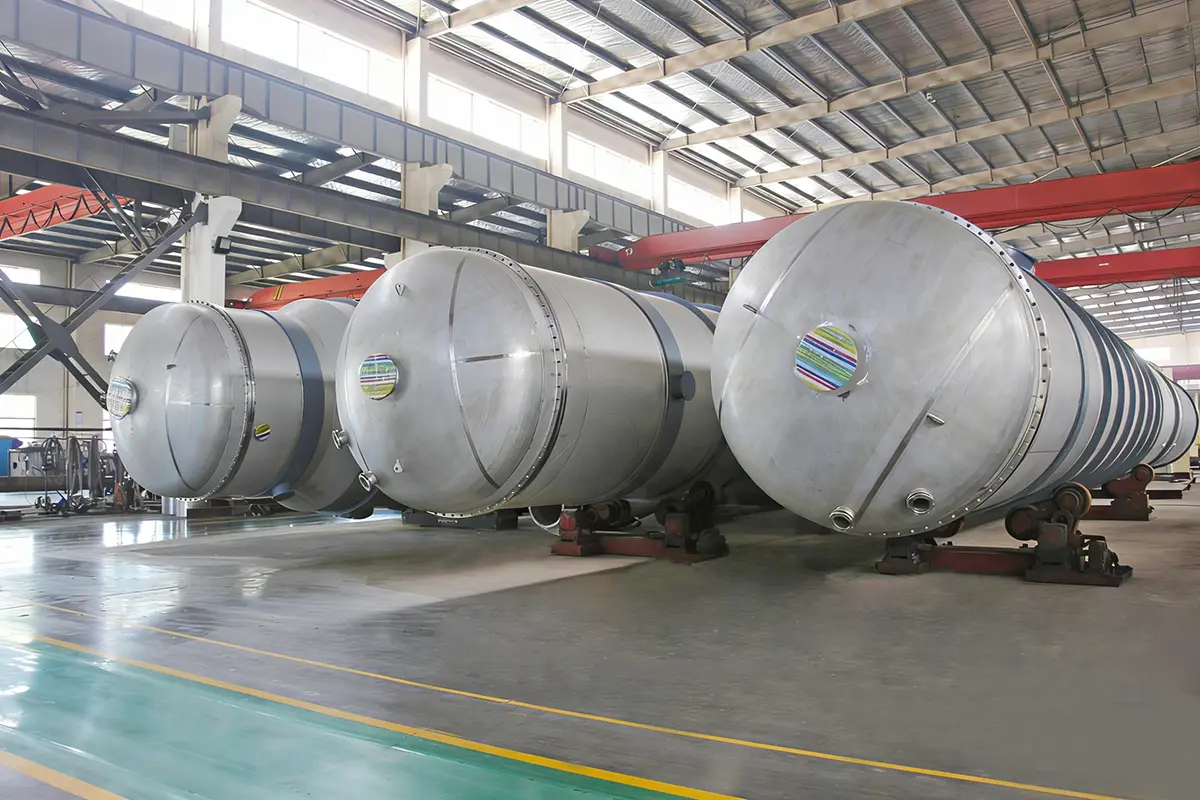
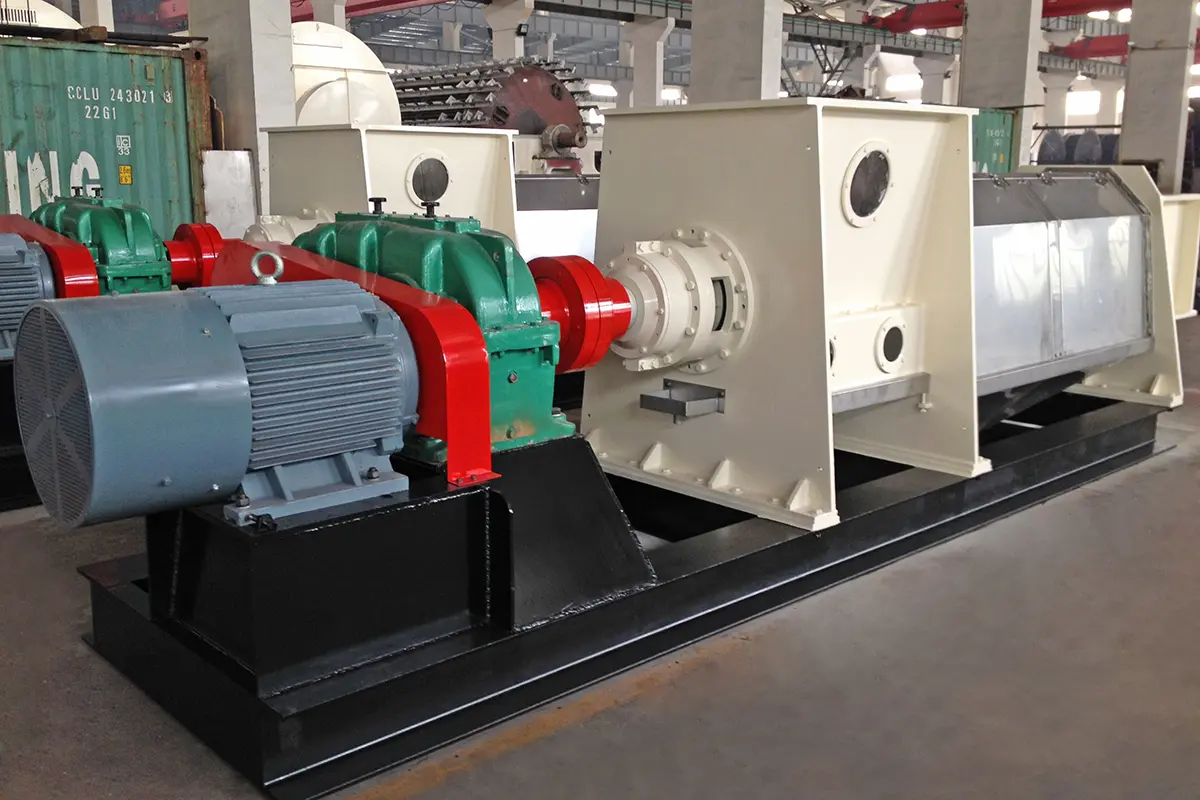
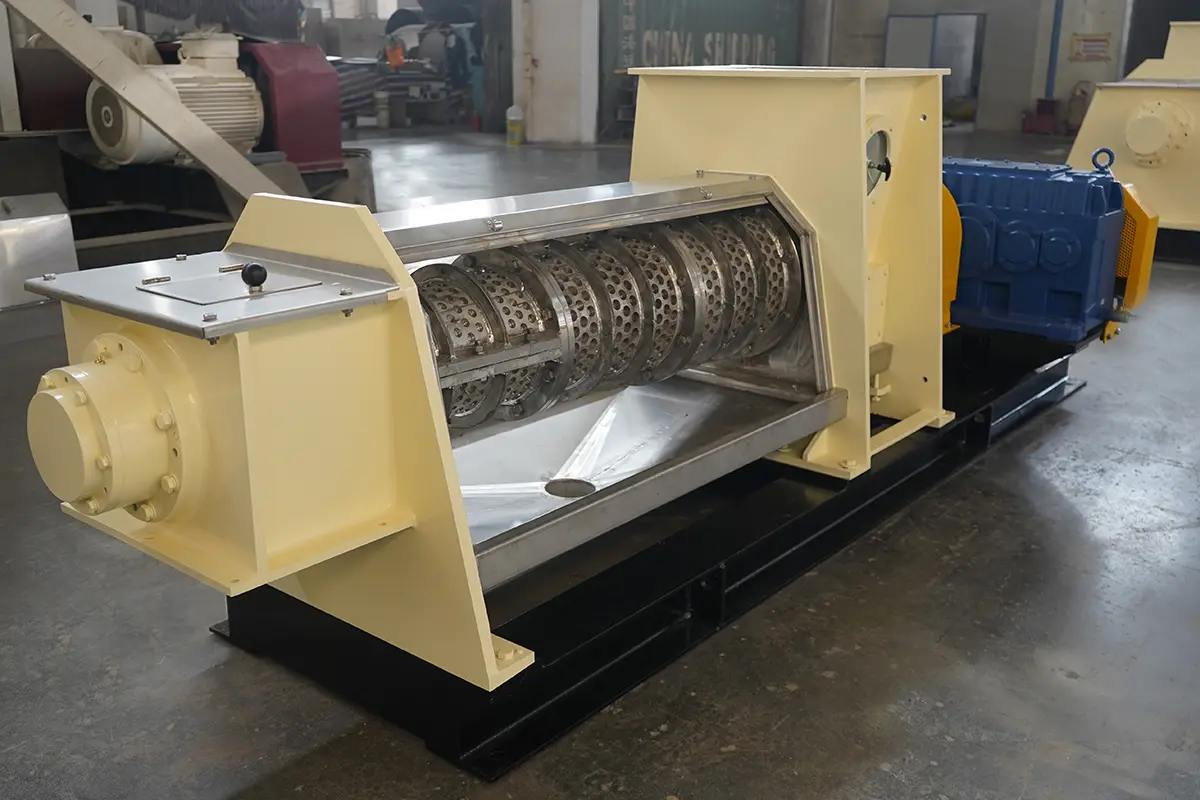

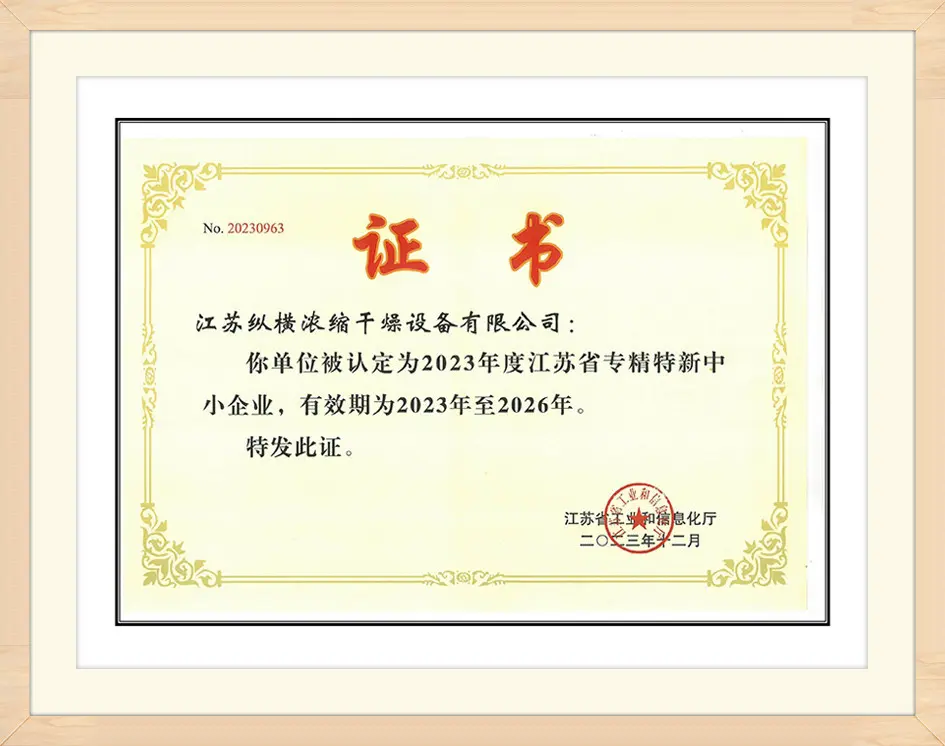
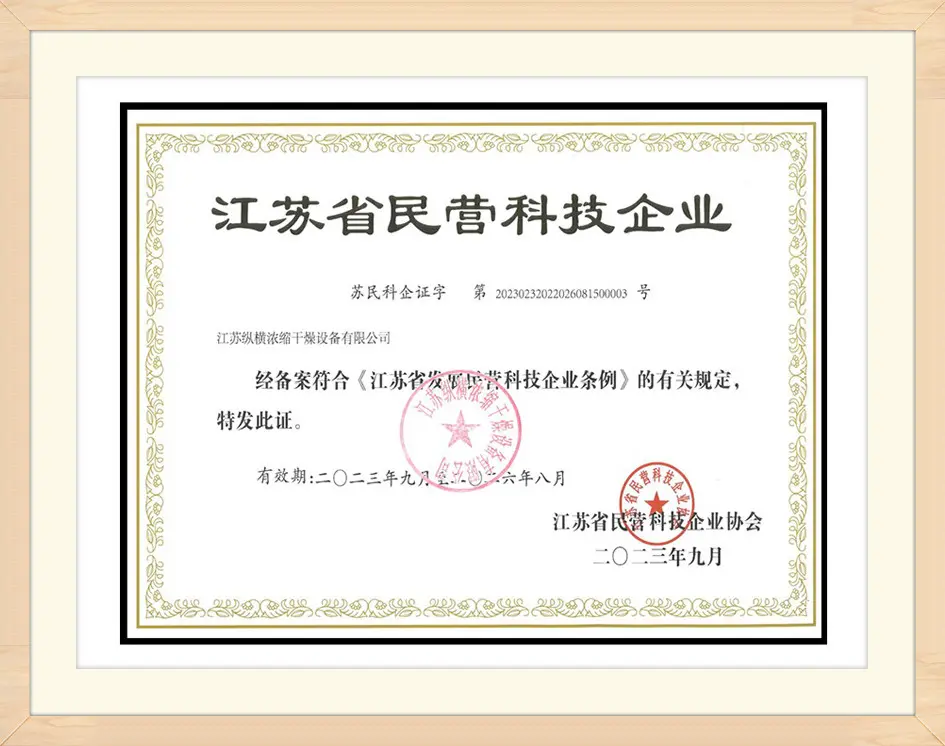
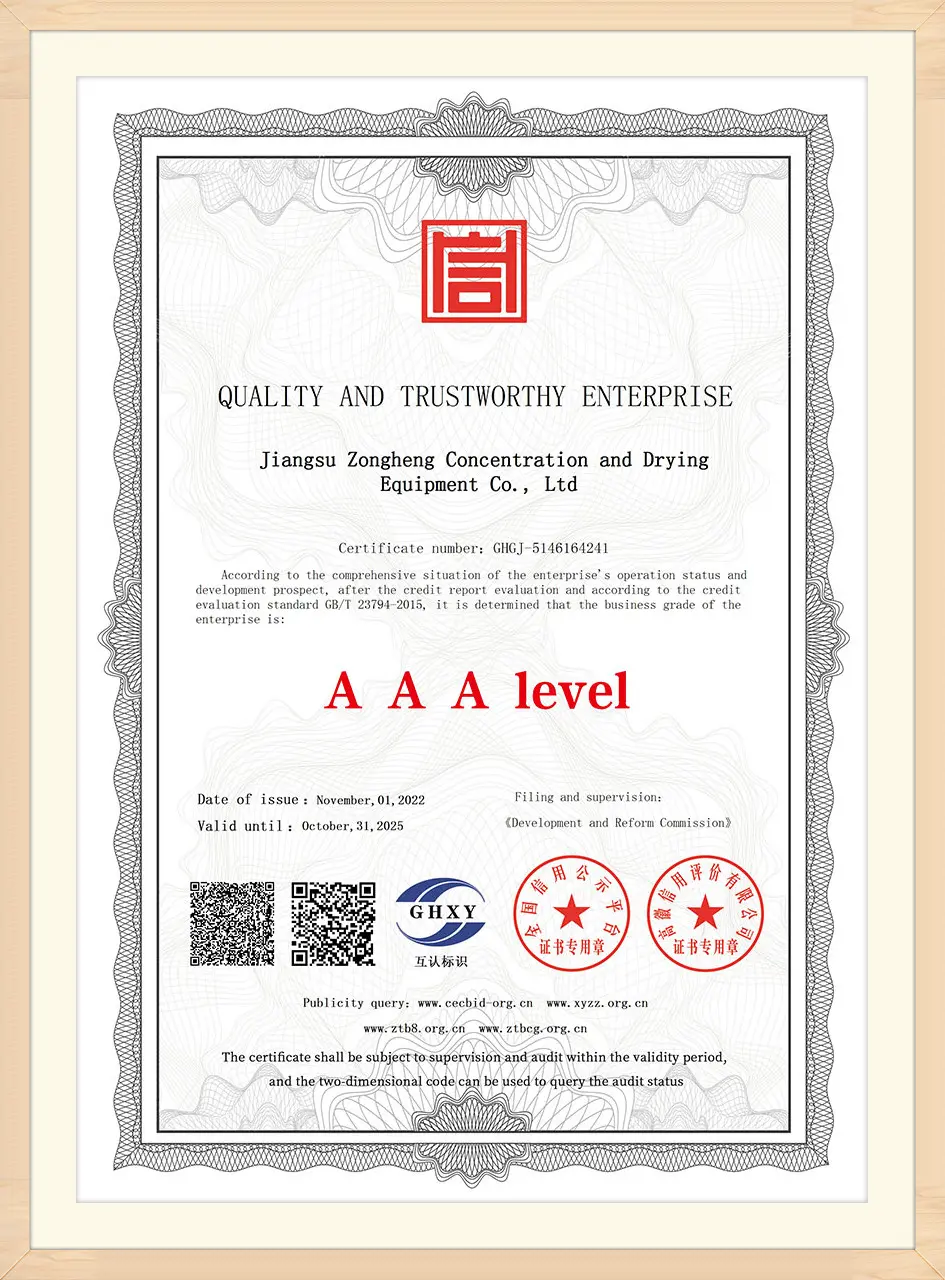
Quality and safety are core priorities at Jiangsu Zongheng. We maintain a robust quality management system certified under international QA standards. Our design department uses advanced thermal rating and structural finite element analysis (FEA) software to model temperature profiles and structural margins on all high-pressure vessels, adhering to international regulations.
All pressure vessels are fabricated under inspection schedules that include Non-Destructive Testing (RT, UT, MT, PT), hydrostatic pressure tests, and helium leak detection tests. This ensures our evaporators, tube bundle dryers, and heat exchangers perform reliably under challenging operating conditions.
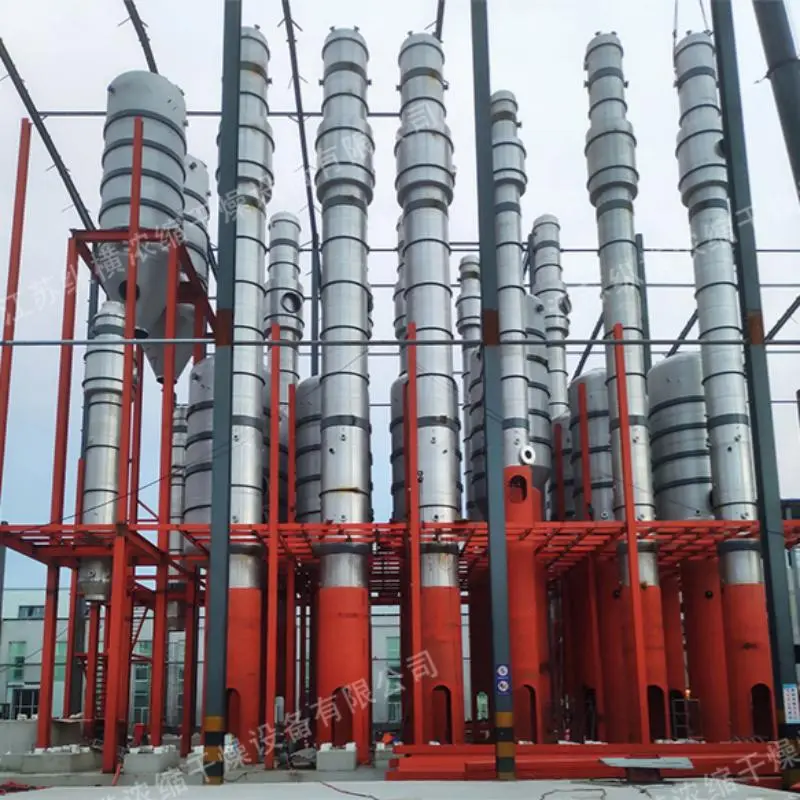
An evaporator absorbs heat from a process stream to vaporize volatile liquid components, generating cold energy or concentrated liquid residues. In contrast, a condenser releases heat to liquefy vapor. Evaporators operate under low pressure to vaporize liquid at lower boiling points, while condensers work at higher pressures or lower temperatures to convert vapor back into liquid.
MVR systems use a mechanical compressor (either centrifugal or roots type) to compress low-temperature secondary vapor. This raises its temperature and pressure, allowing it to be reused as the heating source in the evaporator. By recycling the latent heat of vaporization, MVR systems reduce steam and cooling water requirements compared to traditional multi-effect evaporators.
Forced Circulation Evaporators are designed for solutions with high viscosity, scaling tendencies, or suspended solids that could crystallize. They use high-capacity pumps to keep velocities high inside the tubes, preventing scale deposits. Falling Film evaporators are better suited for low-viscosity, clean, and heat-sensitive liquids, as they offer shorter residence times and higher heat transfer coefficients.
These systems capture low-grade heat sources—such as flash steam, boiler flue gas, or dryer exhaust vapors—and redirect them to drive the evaporation process. Integrating a waste heat evaporator reduces primary boiler steam demand, helping plants lower both operating costs and carbon emissions.
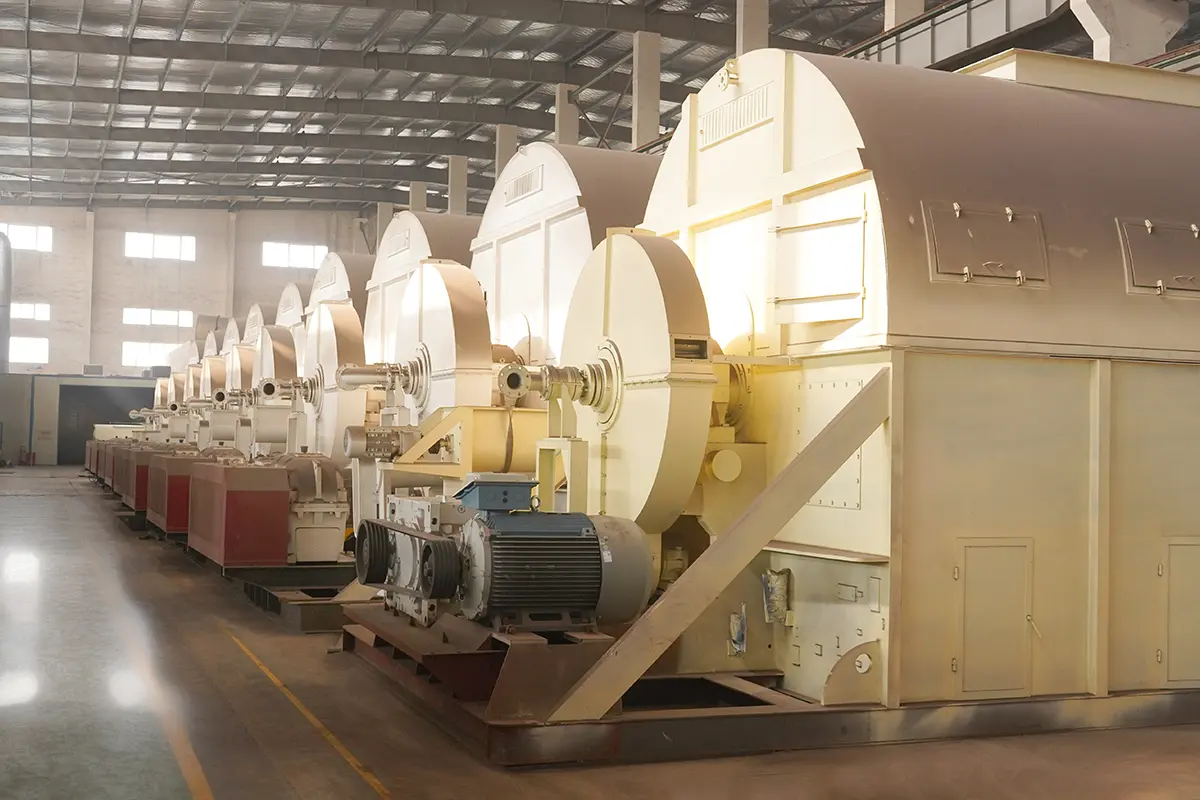
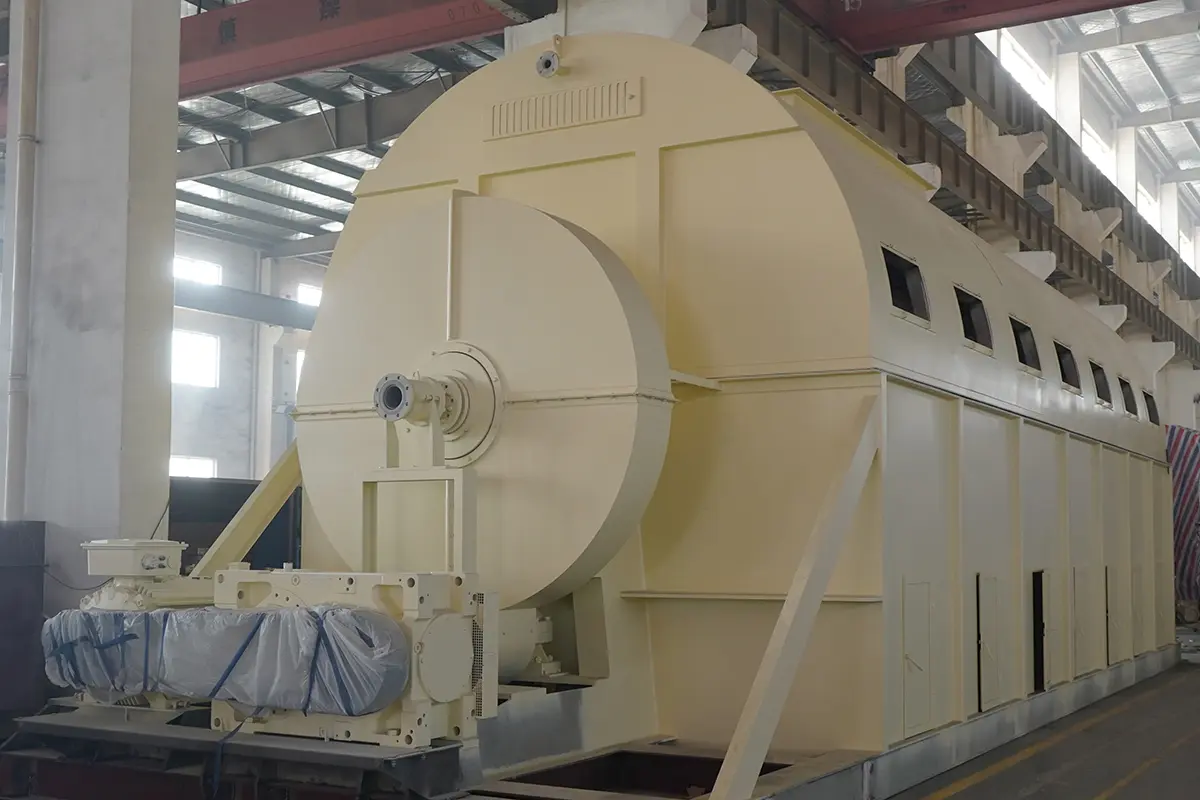
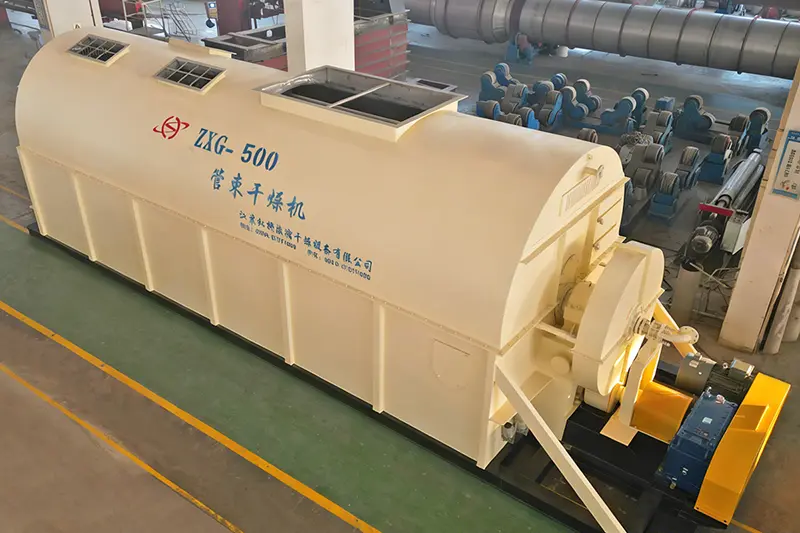
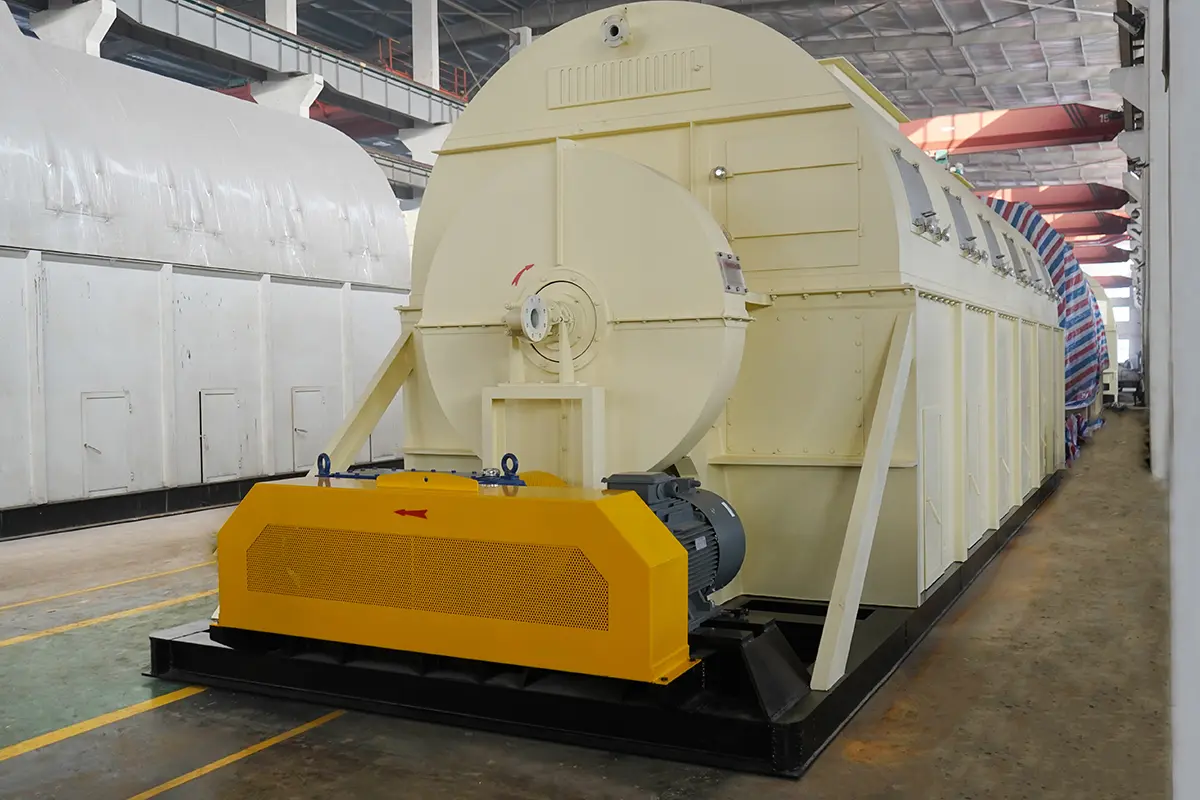
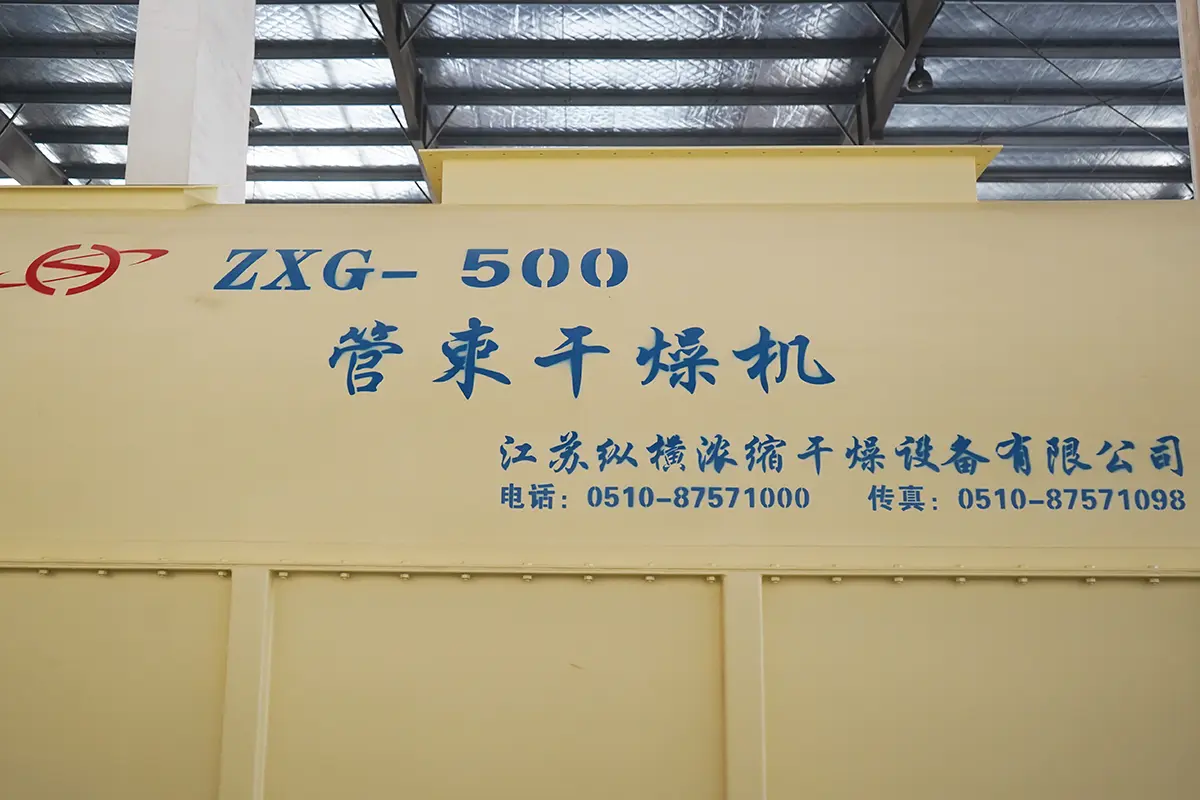
The ZXG Tube Bundle Dryer is an indirect steam-heated dryer that operates under low-oxygen conditions. As starch cakes move along the steam-heated tube bundle, moisture is evaporated without direct exposure to flue gases. This preserves the color, molecular structure, and viscosity profile of the starch.
Exporting to Europe requires compliance with the Pressure Equipment Directive (PED 2014/68/EU) and the Machinery Directive (2006/42/EC), marked by a CE label. North American installations require pressure vessels designed and stamped to ASME Section VIII Division 1. Jiangsu Zongheng holds ASME "U" Stamp authorization and complies with PED directives to meet these requirements.
We use precision-engineered distribution plates, spray nozzle manifolds, and overflow weirs to ensure even liquid distribution. Balancing the liquid feed rate with the tube inner diameter prevents thin-film dry spots, helping control fouling and extend intervals between clean-in-place (CIP) cycles.
For streams containing chlorides, organic acids, or abrasive solids, we select materials like SS316L, 2205/2507 duplex stainless steels, or titanium. The chosen material is paired with specialized pickling, passivation, and seam-annealing treatments to ensure maximum service life.
 Jun 18, 2026
The evaporator absorbs heat to vaporize media, while the condenser releases heat to liquefy vapor; the two perform opposite cooling and heating functions. Operating under low pressure, the evaporator generates cold energy and concentrates liquid products, while the condenser dissipates excess heat, completing the thermal cycle.
Read Full Technical Post →Receive detailed engineering proposals, thermodynamic analysis, and customized layouts based on your project requirements.
Request a quoteConsult directly with our designers and welding specialists regarding custom parameters, ASME compliance, and shipping logistics.
View Details
A high-performance forced circulation system built for continuous operations under high solute crystallization challenges.
→Learn More
Optimized configuration designed to reduce steam consumption and lower utilities costs during liquid concentration.
→Learn More
Integrates waste heat sources like flash steam and dryer vapors to drive evaporation, reducing external energy demand.
→Learn More
Applies mechanical vapor recompression to recover heat energy from discharge streams, offering high thermal efficiency.
→Learn More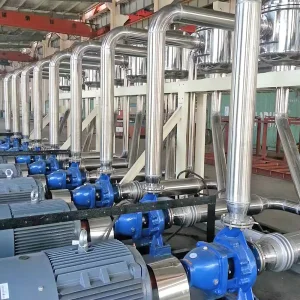
A multi-stage hydrocyclone system engineered to separate and purify starch milk by removing fine fibers and impurities.
→Learn More
Flexible mechanical vapor recompression designs configured to match varying process volumes with high energy efficiency.
→Learn More
CE-certified custom evaporators designed to meet European pressure vessel codes (PED) for industrial applications.
→Learn More
Falling film evaporator systems built for concentrating heat-sensitive liquid matrices under deep vacuum conditions.
→Learn More Zongheng