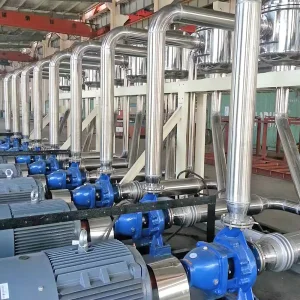
Specialized cyclones for multi-stage washing, purification, and recovery within starch processing plants.
High-quality starch refining factory equipment designed for maximum classification efficiency and durability.
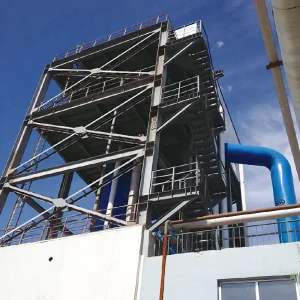
Mechanical Vapor Recompression solutions reducing energy footprints in large-scale chemical operations.
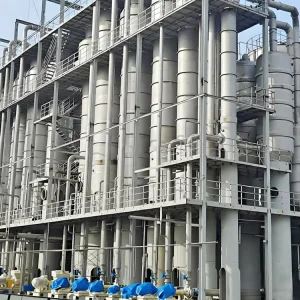
Engineered waste heat recovery system for concentration of corn steep liquor and bio-processing wastewater streams.
High thermal economy solutions for corn steep liquor concentration and high-BOD alcoholic waste processing.
State-of-the-art MVR installations offering low operating temperatures and low utility steam consumption.
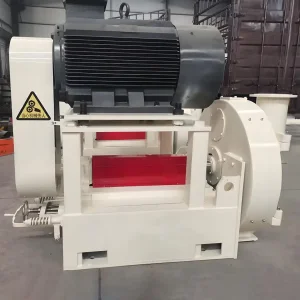
High-efficiency degerming mills preserving starch structures and maximizing germ liberation during wet milling.
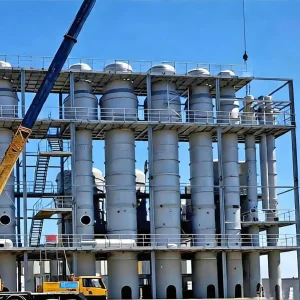
Comprehensive design-to-build capability for customized evaporation arrays across process manufacturing sectors.
In the modern process industries, the recovery, concentration, and separation of ethanol and solvent-laden streams are vital to the circular economy. The industrial application of alcohol evaporators has transitioned from basic thermal distillation to highly sophisticated, thermodynamic systems designed to manage heat sensitivity, minimize volatile organic compound (VOC) emissions, and optimize energy utilization. Globally, sectors such as bio-ethanol production, starch refining, pharmaceuticals, and environmental engineering are seeking high-efficiency evaporation systems that meet rigorous regulatory frameworks.
Industrial alcohol concentration requires a precise balance of fluid mechanics, vapor dynamics, and thermodynamics. Because alcohol has a significantly lower boiling point and latent heat of vaporization compared to water, process equipment must be designed to mitigate thermal degradation of concurrent solutes (such as proteins in grain processing or active pharmaceutical ingredients in herbal extractions) while achieving maximum solvent recovery rates. The key to achieving commercial viability lies in reducing the specific steam consumption (kg of steam required per kg of evaporated solvent)—a parameter optimized through multi-effect layouts or integrated Mechanical Vapor Recompression (MVR) systems.
When operating alcohol evaporation plants, safety and regulatory compliance are paramount due to the highly explosive nature of ethanol vapors. In the European Union and other global markets aligning with these standards, CE Certification is not merely a commercial credential; it is a mandatory safety threshold. Achieving CE compliance for an alcohol evaporator involves strict adherence to multiple European directives:
Jiangsu Zongheng integrates these international engineering standards at the base design level. Holding the prestigious ASME "U" Stamp and European-aligned ISO9001 and CE certifications, we ensure every evaporator unit we ship is optimized for maximum reliability, absolute process safety, and long-term mechanical stability.
Ideal for highly heat-sensitive liquids. The feed enters from the top distribution head, forming a thin, continuous film flowing down the inner walls of the heating tubes. Vaporization happens rapidly within seconds, maintaining exceptional product quality and minimizing fouling rates.
Specifically engineered for fluids prone to scaling, crystallization, or high viscosities. High-capacity pumps circulate the liquid at high velocity through the heat exchanger. Boiling is suppressed until the liquid enters the flash separator, effectively preventing tube fouling.
The pinnacle of thermodynamic efficiency. Vapor generated from the process is compressed mechanically to raise its temperature and pressure, allowing it to be recycled as the heating medium for the same evaporator. This reduces primary steam demand to nearly zero.
Choosing the correct evaporator layout is dependent on feed chemistry, target concentration levels, and available utility infrastructure. The table below outlines the ideal applications and efficiency parameters for standard industrial setups:
| Evaporator Type | Main Applications | Energy Source | Fouling Resistance | Operating Cost (OPEX) |
|---|---|---|---|---|
| Falling Film | Ethanol, thin slops, light starch water | Steam / Waste Heat | Moderate | Medium |
| Forced Circulation | DDGS concentrates, crystalline wastes | Steam | High | High (pumping cost) |
| MVR Evaporator | Large-scale continuous concentration | Electricity (Compressor) | High (with structured flow) | Very Low |
| Waste Heat Recovery | Starch mill wastewater, flue/dryer vapor | Waste process vapors | Moderate-High | Lowest |
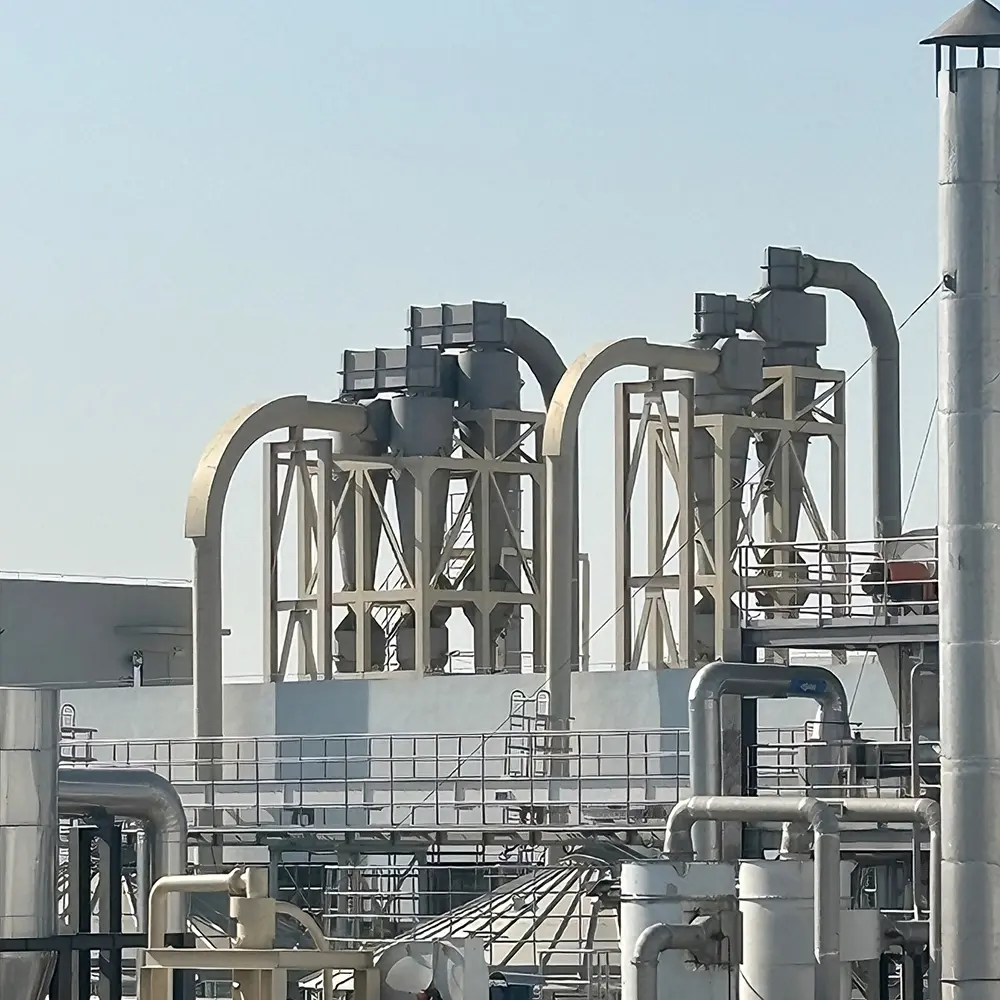
Jiangsu Zongheng's MQG Airflow Dryer employs high-speed hot air to suspend and fluidize the material. By utilizing impulse airflow generated from precisely varied tube diameters, it continuously tumbles the particles while conveying them. This design ensures rapid, uniform, and efficient drying throughout the entire transportation process within the system.
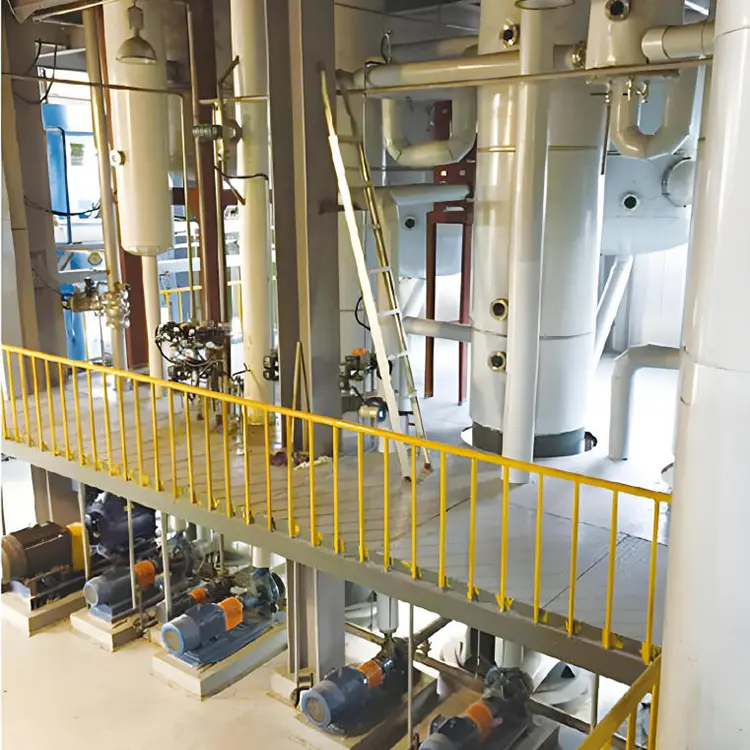
A falling film evaporator efficiently concentrates heat-sensitive liquids. The feed liquid forms a thin film flowing down heated vertical tubes, where it partially evaporates. Vapor generated flows parallel to the liquid, enhancing the process. It ensures a short residence time and low operating temperature, preserving product quality. The system requires proper liquid distribution and complete surface wetting to prevent fouling and maintain high thermal efficiency and operational stability.
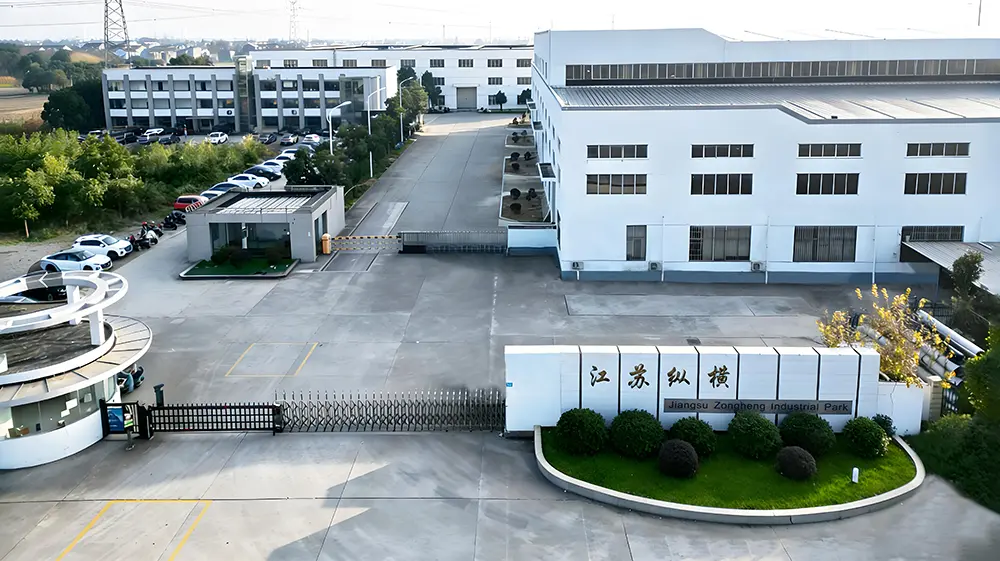
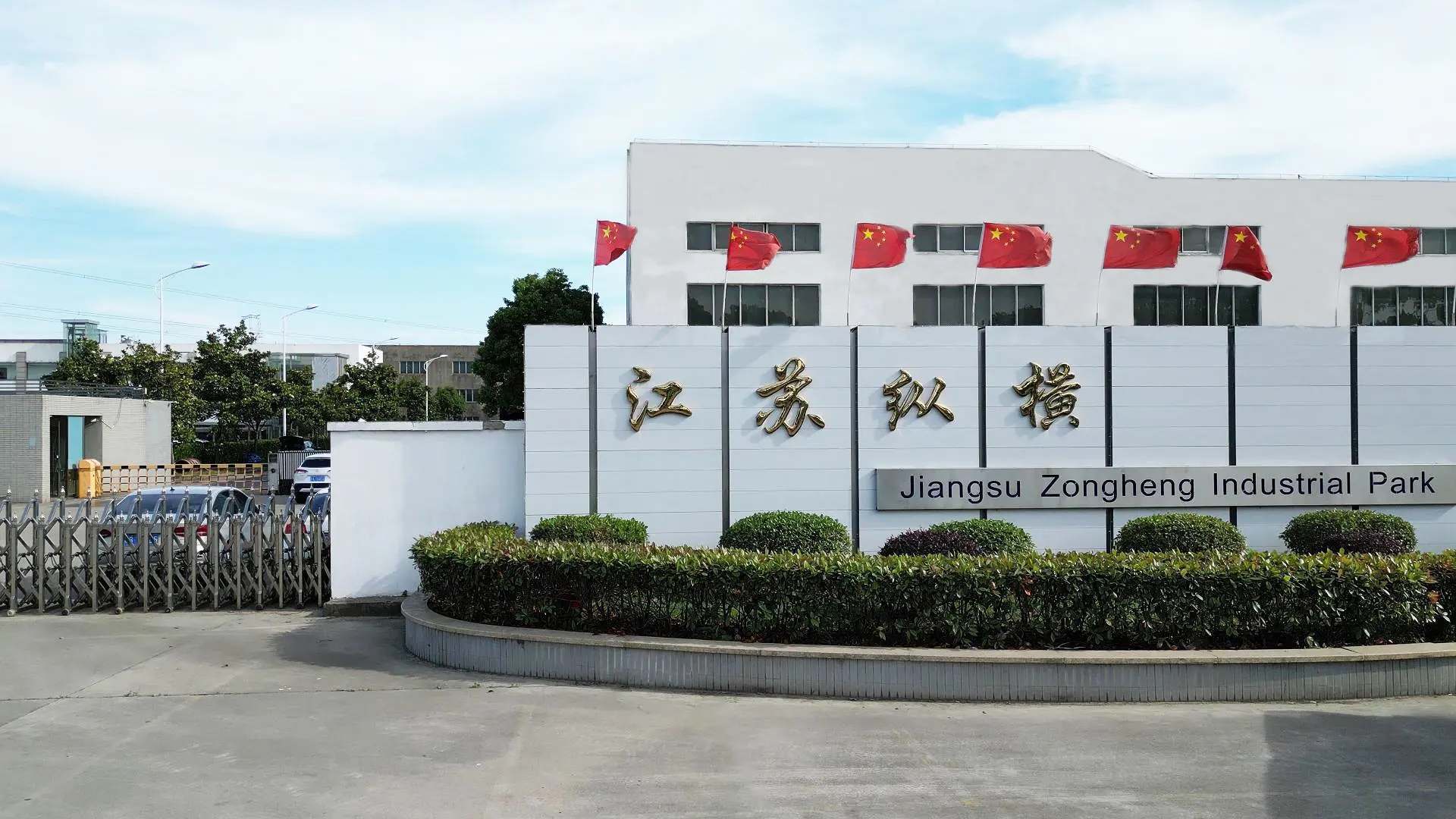
Founded in 1992 (originally Yixing Yangxi Light Industry Machinery Factory), Jiangsu Zongheng is located in Zhoutie Town, Yixing City, on the shores of the beautiful Taihu Lake. Over more than three decades of focused engineering, we have grown into a modern high-tech enterprise spanning 54,000 square meters of total area, with specialized production workshops exceeding 22,000 square meters.
We are a dedicated member of the China Starch and Alcohol Association, and we specialize in the design, engineering, and manufacturing of state-of-the-art concentration, drying, starch refining, alcohol DDGS systems, and Class III medium & low-pressure vessels. Our products are widely utilized throughout the food fermentation, bio-chemical, pharmaceutical, environmental protection, and petrochemical sectors globally.
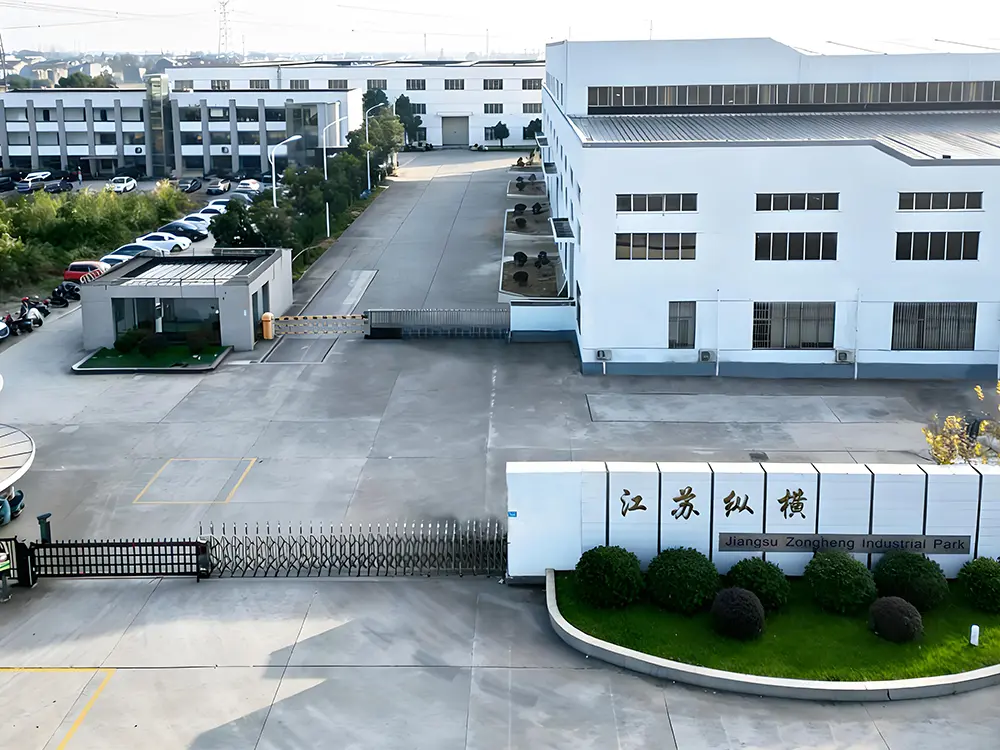
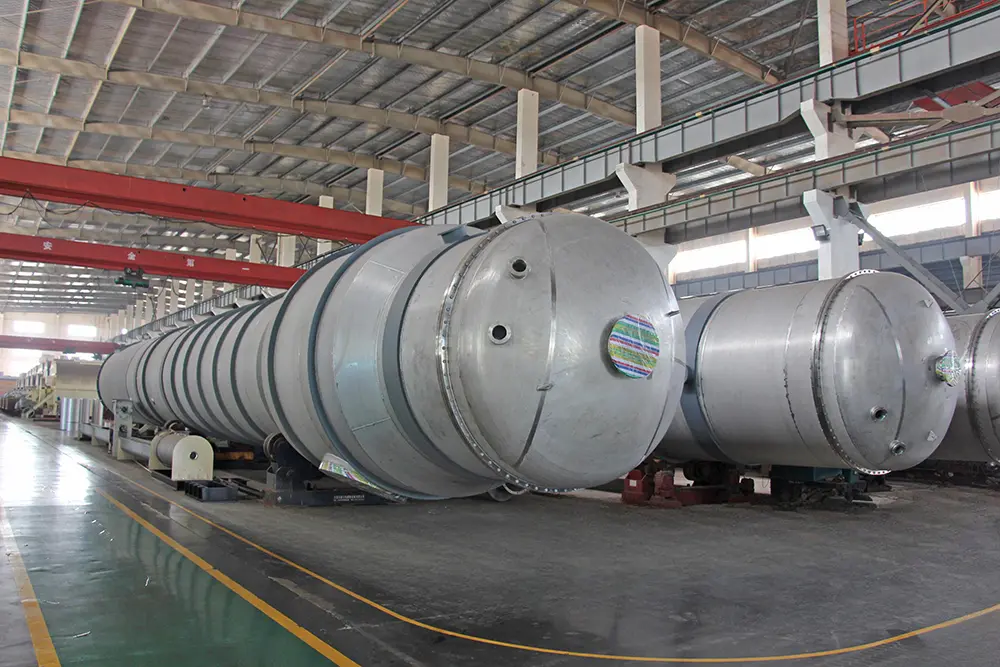
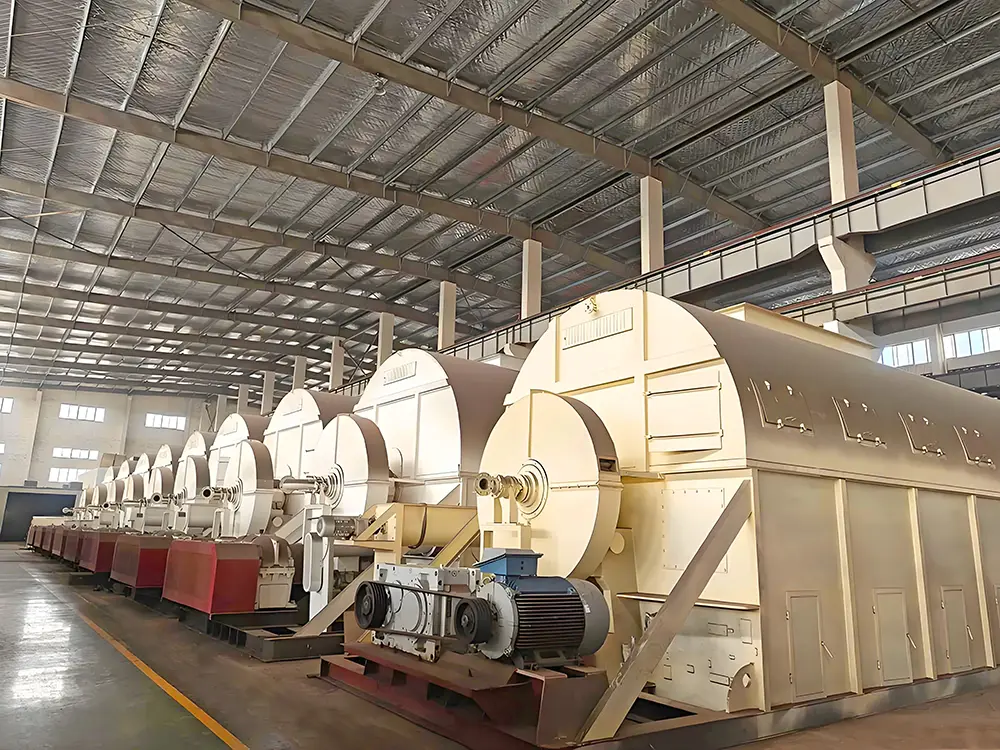
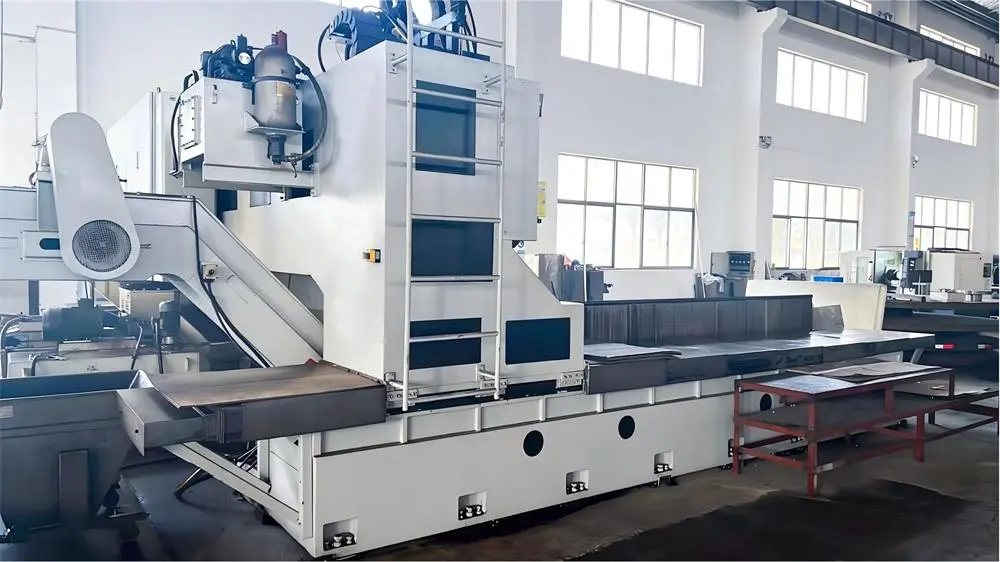
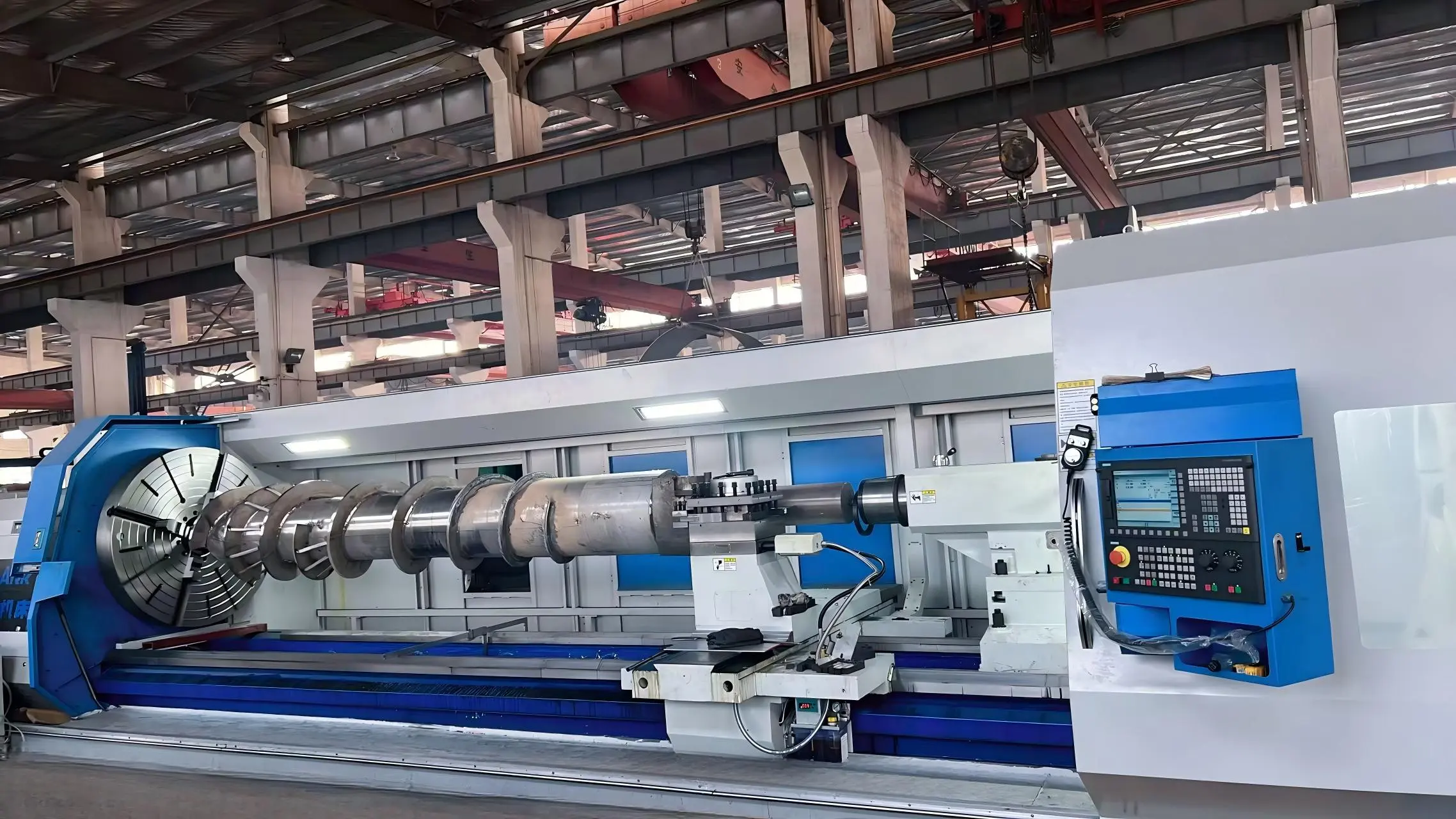
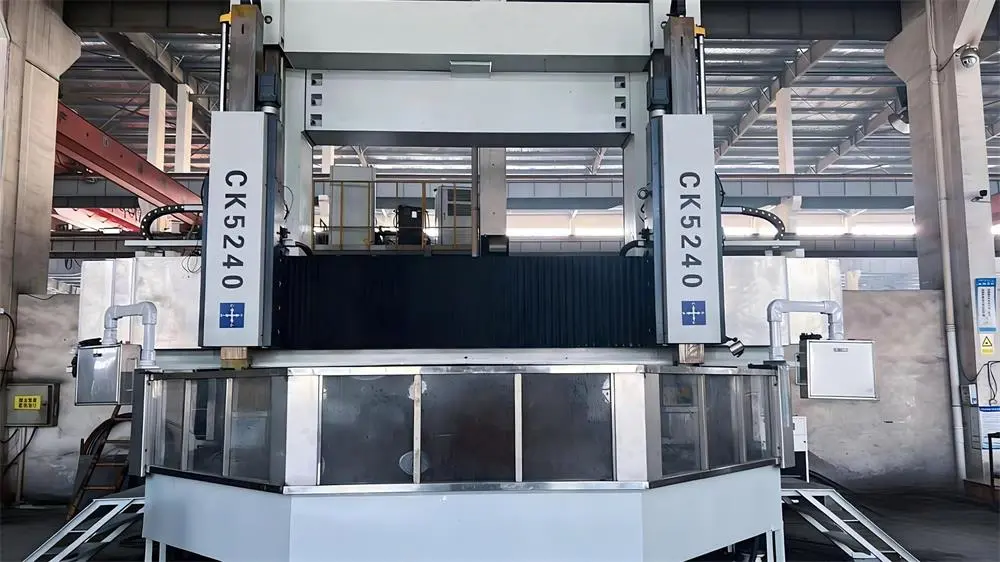
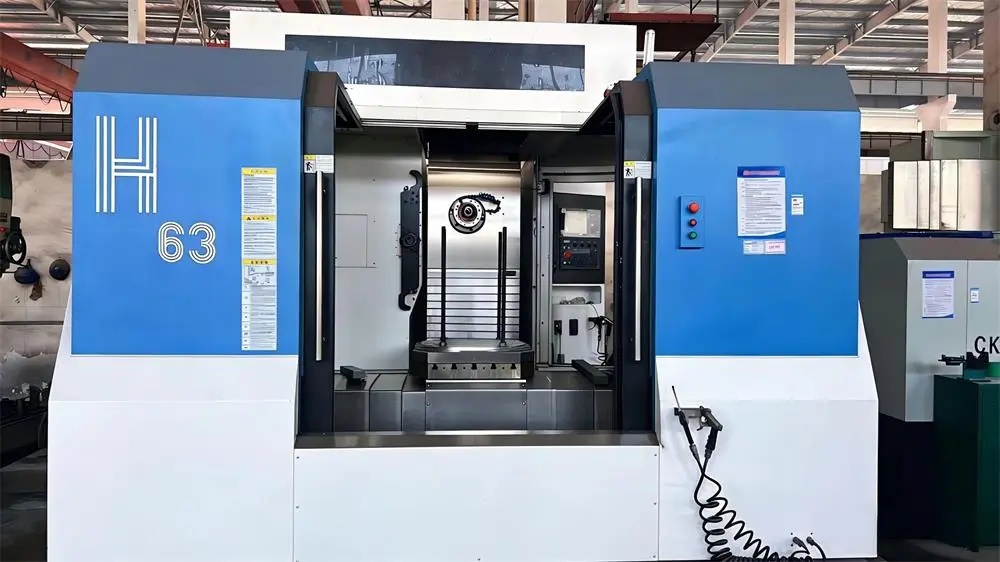
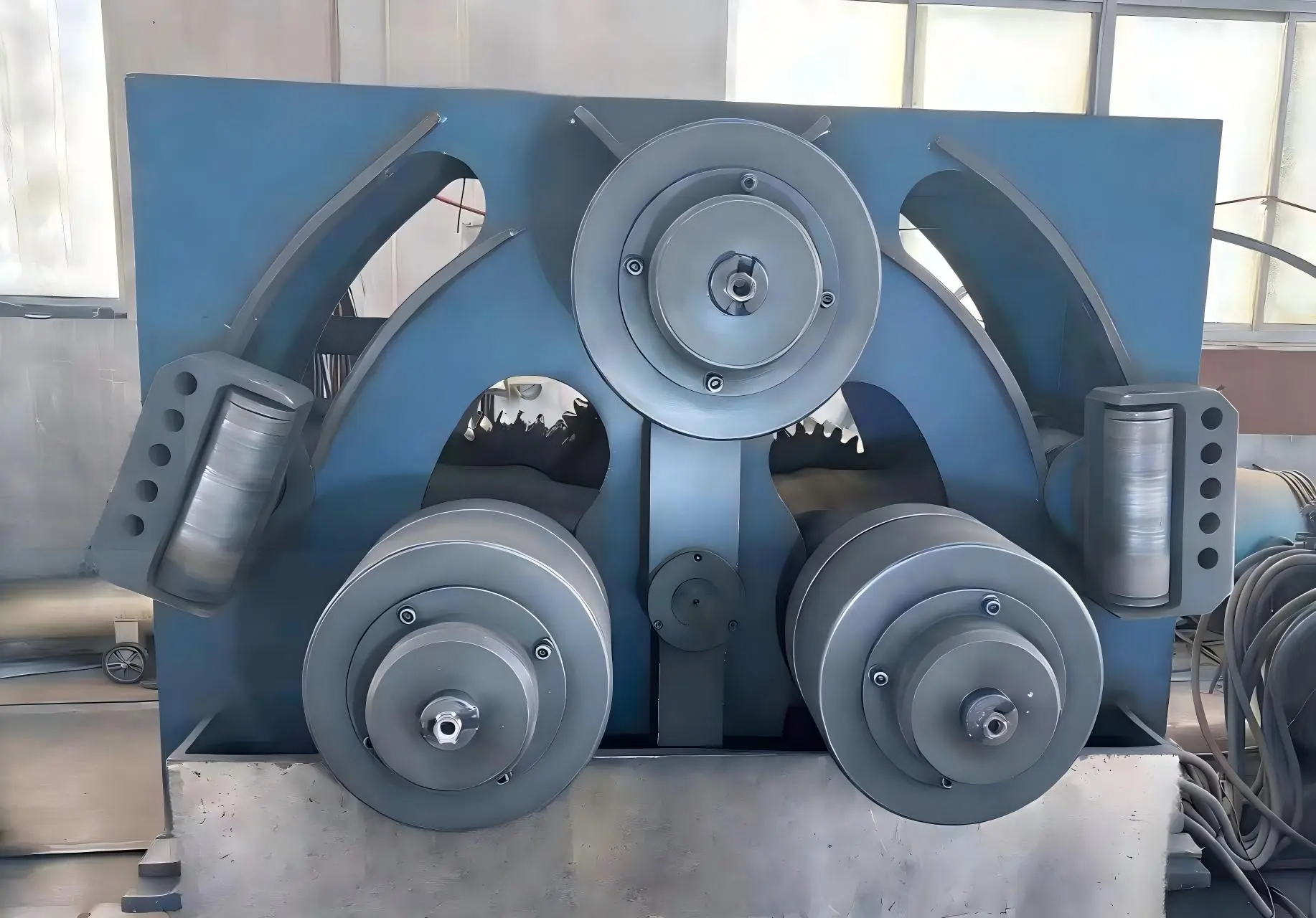
Modernization of production workshops exceeding 22,000 square meters. The company employs over 20 engineers and 3 senior specialists, leading technological developments in sustainable processing.
Awarded international quality system certification (Certificate No: 45021), cementing our global compliance framework and export capabilities.
Obtained the ASME "U" Stamp authorization, establishing our credentials to design and manufacture heavy duty process equipment according to American boiler and pressure vessel codes.
Acquired the Special Equipment Manufacturing License of the People's Republic of China (License No: TS2232C42), authorizing the build of high pressure process vessels.
Formally recognized as a High-Tech Enterprise of Jiangsu Province, establishing an internal R&D center focused on energy-saving evaporation technology.
Attained ISO9001 quality management system certification, guaranteeing systematic quality control across engineering, manufacturing, and customer service.
Established as Yixing Yangxi Light Industrial Machinery Factory, covering 15 mu of land with 45 dedicated pioneers focusing on early agricultural starch machinery.
Industrial processing machinery operates in varying local resource constraints, feed specifications, and environmental parameters. To ensure high efficiency, system layouts must match the specific properties of the process material:
In modern grain-to-ethanol plants, thin slops derived from distillation contain soluble proteins, fibers, and organic acids. Evaporating these streams into condensed distillers solubles (which is then mixed with solid fibers to produce DDGS feed) is energy-intensive. By deploying multiple-effect falling film or MVR systems, the thermal energy required is minimized. Because high-concentration feed behaves as a non-Newtonian fluid with high viscosity, forced circulation units are used at the final concentration stage to prevent scale formation and blockages.
Corn steep liquor (CSL) is rich in proteins, amino acids, minerals, and reducing sugars. Traditional concentration using direct steam causes caramelization and protein denaturation, fouling the heat exchanger tubes. Our engineered waste heat evaporators utilize vapor from steam tube bundle dryers or flash vessels as the thermal energy source. This minimizes operating costs and reduces thermal impact, preserving the organic value of the CSL concentrate.
In chemical and petrochemical plants, strict environmental regulations mandate that no liquid waste leaves the facility boundary. Our MVR and Forced Circulation evaporation plants serve as the core of Zero Liquid Discharge installations, concentrating high-salinity wastewater to saturation points so solids can be extracted via mechanical screw presses or crystallizers, recycling clean distillate back into the plant utility loops.
Industrial processing is shifting toward net-zero emissions, electrification, and intelligent automation. To meet these targets, our technology roadmap outlines the integration of next-generation features into our evaporation designs:
As grid electricity transitions to renewable sources, the reliance on coal- or gas-fired steam boilers becomes a primary carbon liability. By utilizing advanced MVR systems driven by high-efficiency turbo compressors, plants can run evaporation cycles using electrical energy. The integration of high-pressure centrifugal fans and magnetic levitation compressors can reduce electricity consumption to less than 15-20 kWh per ton of water evaporated, eliminating the need for fossil-fuel-based steam.
Using IoT-enabled sensors distributed along heat exchangers, vapor lines, and circulation lines, we track parameters like heat transfer coefficients ($U$-values), boiling point elevation (BPE), and dynamic viscosity in real time. Our software analyzes this data to predict fouling events and optimize Clean-in-Place (CIP) cycles, preventing unexpected shutdowns and maintaining peak thermal efficiency.
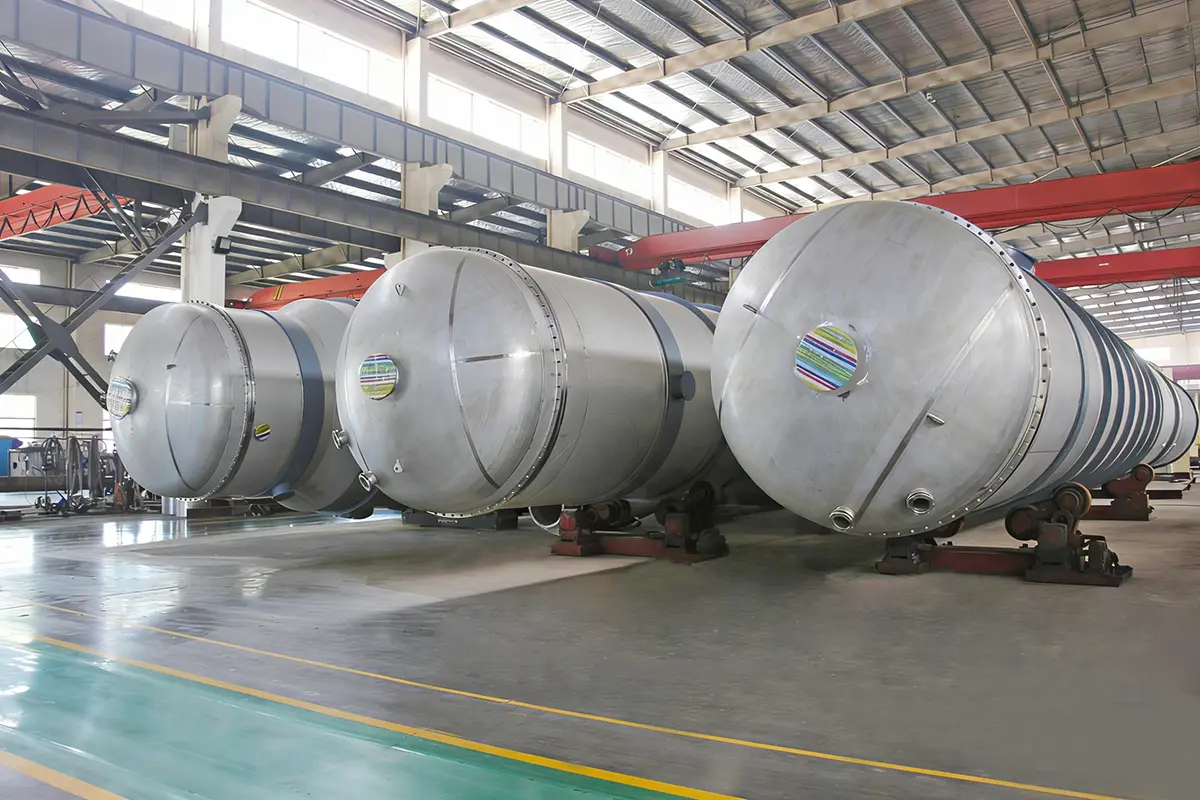
Processing acidic alcohol wastes or chloride-rich process streams requires advanced corrosion resistance. Our manufacturing facility specializes in fabricating equipment using high-alloy metals, including Super Duplex stainless steel (2507, 2205), Titanium Grade 2, Hastelloy, and specialized surface coatings, ensuring a service life of over 20 years in highly corrosive environments.
The primary constraint is the Boiling Point Elevation (BPE) of the solvent mixture and the volatility of the alcohol components. Since alcohol forms an azeotrope with water and has high vapor pressures, the compressor must be designed to manage the specific vapor density. MVR is highly efficient when the BPE is low (typically under 5-8°C). If the BPE is higher, the compression ratio required increases, making a combined TVR (Thermal Vapor Recompression) or multi-effect vacuum layout a more stable option.
CE Certification under the Pressure Equipment Directive (PED) requires specific wall thickness calculations, verified non-destructive testing (NDT) such as X-ray inspection of structural welds, and hydro-testing of pressure zones. Under the ATEX Directive, all electrical components (such as feed pumps, recirculation motors, valves, and level sensors) must feature explosion-proof enclosures (Ex d or Ex i). The structure must also include static grounding to prevent electrostatic charges when handling flammable alcohol concentrations.
Falling film evaporators operate with a very small liquid holdup and short residence times (seconds compared to minutes in forced circulation). This preserves heat-sensitive compounds and minimizes the energy required to circulate large liquid volumes. Forced circulation is reserved for late-stage concentration where viscosity increases beyond the threshold for stable falling film flow, or where solids concentration leads to severe crystallization.
Vapor discharged from steam dryers or cooker systems is captured and routed to the first-effect heating chamber of a waste heat evaporator. By maintaining a vacuum in the evaporator, the boiling point of the feed liquid is lowered, allowing the low-temperature waste vapor to boil the liquid. This system can reduce energy consumption by up to 50% compared to using live boiler steam.
Request an engineering consultation for a custom CE certified industrial evaporation solution tailored to your feed properties and utility profiles.
Request a QuoteDiscuss technical specs, pressure ratings, material compatibility (316L, 2205), and ATEX compliance parameters directly with our system designers.
View Contact Details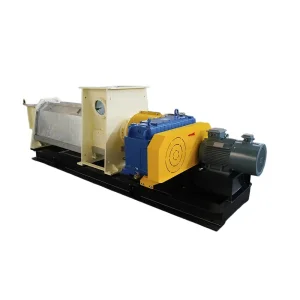
High mechanical compression dewatering for corn fiber, germs, and processing pulp waste streams.
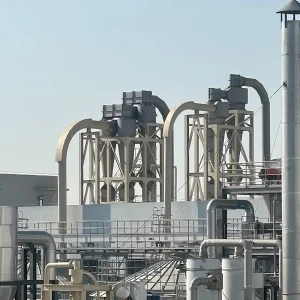
High-efficiency flash drying solutions using pneumatic transport lines for uniform moisture reduction.
Engineered dewatering units offering low speed operation, high torque, and low screen wear characteristics.
Engineered systems utilizing plant exhaust streams to concentrate steeping waste into valuable syrup.
Low-energy evaporator layouts featuring specialized vapor recompression loops for sustainable refining.
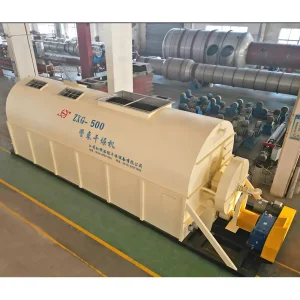
Low-oxygen, indirect steam drying systems designed to prevent product oxidation during processing.
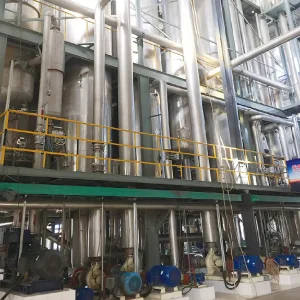
Fully compliant pressure vessel configurations for crystallization and processing of high fouling fluids.
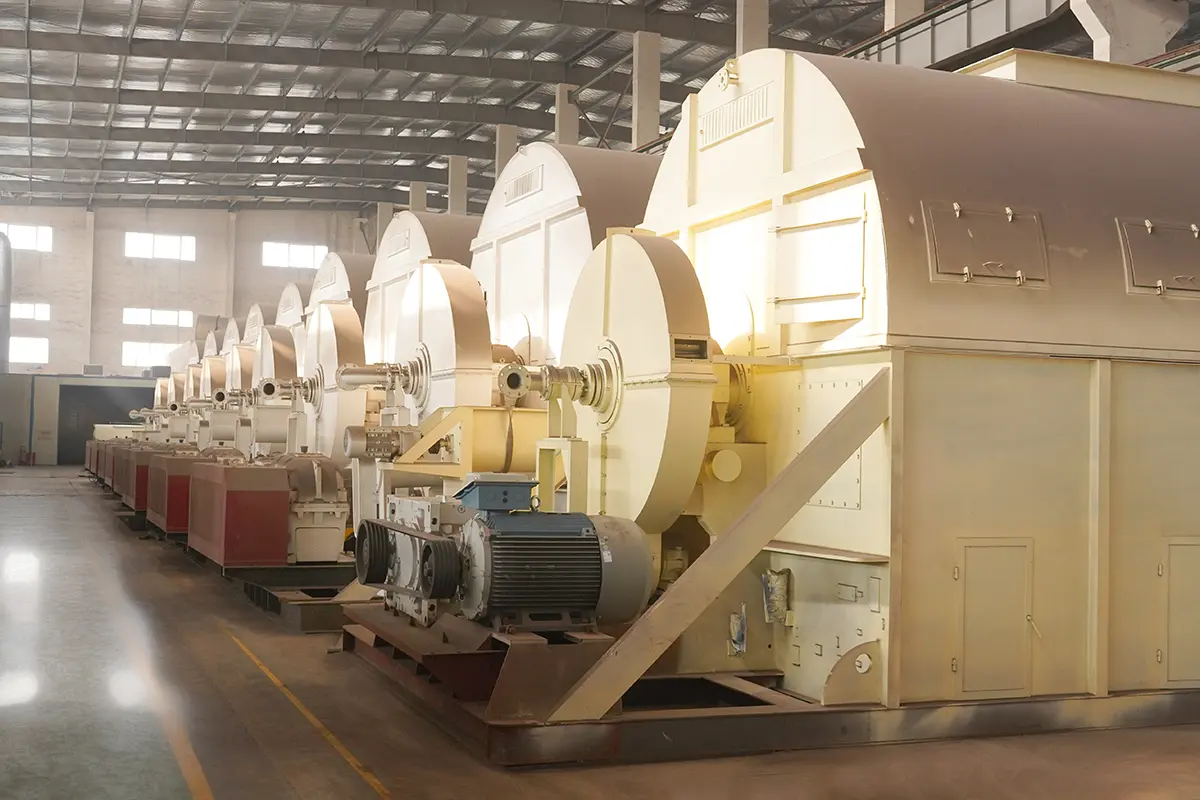
High surface area contact dryers optimizing thermal efficiency in the processing of bulk powders.
 Zongheng