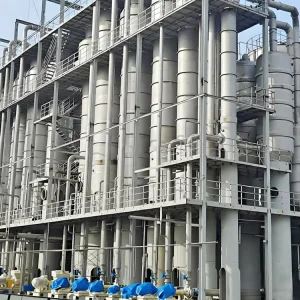
The Wiped Film Evaporator (WFE), also frequently designated as a thin film evaporator (TFE), is a premier heat transfer unit designed to separate volatile organic constituents from highly viscous or temperature-sensitive mixtures. The core of this system revolves around a heated jacketed vessel housing a concentric high-precision rotor system fitted with wiping elements. Feed material enters the top zone of the evaporator, where a distribution ring spreads it uniformly along the inner wall.
As the rotor spins, the wiping blades force the material down the inner thermal transfer surfaces. The centrifugal action creates a highly turbulent, ultra-thin dynamic film (typically 0.1 mm to 0.5 mm in thickness). This turbulence breaks down the boundary layer resistance, boosting heat transfer coefficients ($U$-values) to unprecedented levels compared to conventional heat exchangers.
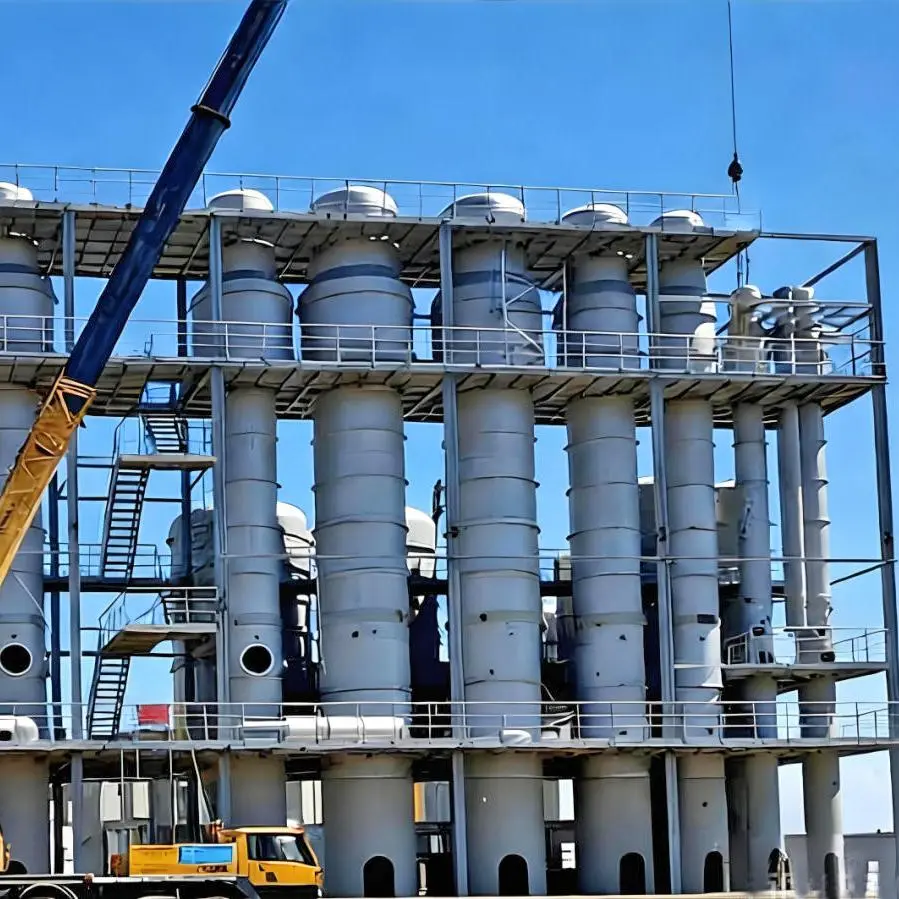
Expert SEO Insight & Information Gain: Unlike typical falling film evaporators that rely strictly on gravity to form a thin film, a Wiped Film Evaporator uses mechanical agitation to *force* film formation. This prevents film breakdown or "dry spots" even when handling fluids with dynamic viscosities exceeding 100,000 mPa·s. Consequently, thermal residence time is cut down to seconds, preventing pyrolysis, isomerization, or degradation of high-value molecular fractions.
Selecting the optimal evaporator profile requires analyzing feedstock viscosity, boiling point elevations, crystallization hazards, and thermal exposure limits. Below is an engineering comparison compiled by the design teams at Jiangsu Zongheng Concentrating and Drying Equipment Co., Ltd.
| Evaluation Parameter | Wiped Film Evaporator (WFE) | Falling Film Evaporator | Forced Circulation Evaporator |
|---|---|---|---|
| Viscosity Threshold | Excellent up to 100,000+ mPa·s | Limited to < 150 mPa·s | Moderate up to 2,000 mPa·s |
| Thermal Residence Time | Extremely Short (5 to 15 seconds) | Short (30 to 60 seconds) | Long (Circulation loop dependent) |
| Fouling Resistance | Excellent (Self-cleaning dynamic blades) | Poor (High risk of dry scaling) | Moderate (High velocity suppresses fouling) |
| Operating Pressure | High vacuum (down to 0.001 mbar) | Moderate vacuum (~10 mbar) | Atmospheric to positive pressure |
| Heat Transfer Coefficient ($U$) | 1200 - 2500 W/m²·K | 800 - 1800 W/m²·K | 1500 - 3000 W/m²·K (sensible heat) |
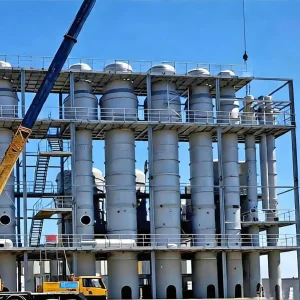
Modern process industries require complex systems integration to maintain high throughput and low emissions. Global chemical and biochemical corporations face intense pressure to lower carbon emissions, making energy recovery systems like Mechanical Vapor Recompression (MVR) highly desirable. Our engineers specialize in combining wiped film technologies with pre-concentration systems like falling film evaporators to balance energy efficiency with performance.
Processing active pharmaceutical ingredients (APIs), vitamins, proteins, and natural extracts requires absolute hygiene. We design systems featuring sanitary Clean-in-Place (CIP) spray balls, crevice-free mirror-polished interiors (Ra < 0.4 μm), and complete trace-documentation packages.
Designed to handle high polymer viscosities, residue concentration, monomer extraction, and used lube oil re-refining under high vacuum. Built to resist sulfur compounds, heavy catalysts, and corrosive degradation products.
For Zero Liquid Discharge (ZLD) systems processing toxic waste streams, highly concentrated brines, and organic refinery effluents. Minimizes waste volumes to simplify downstream handling like crystallization or landfill prep.
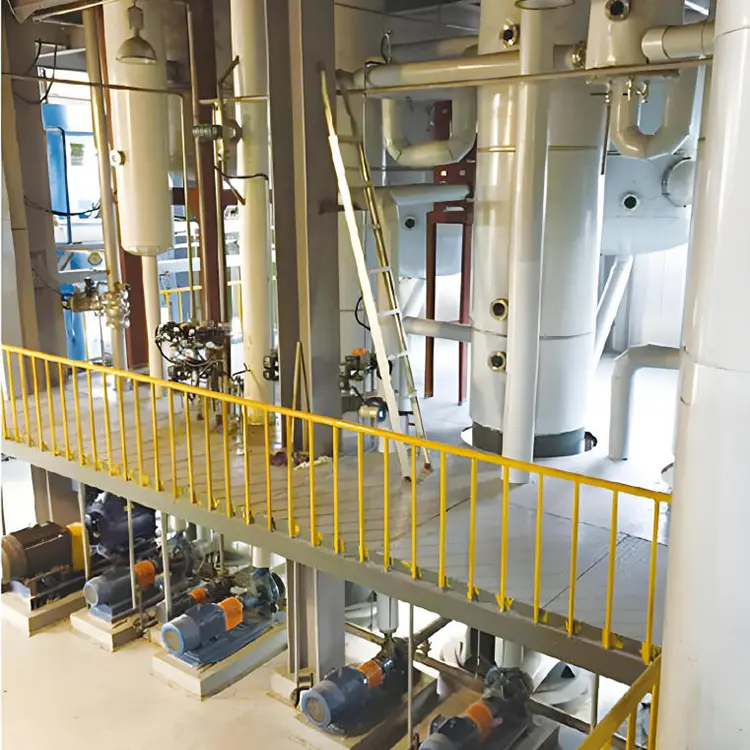
As chemical processing evolves, system sustainability is key. The current technological roadmap focuses on three main developments:
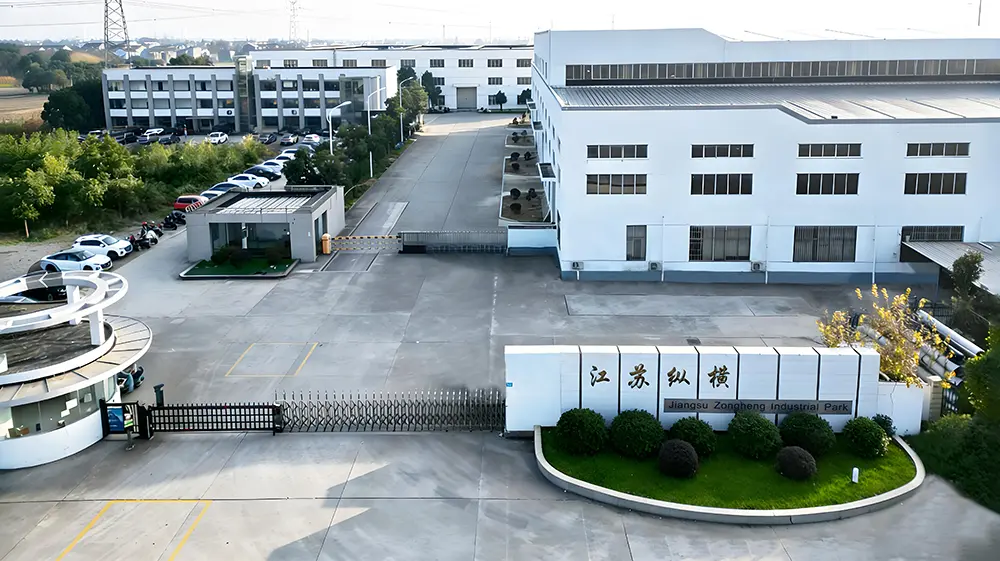
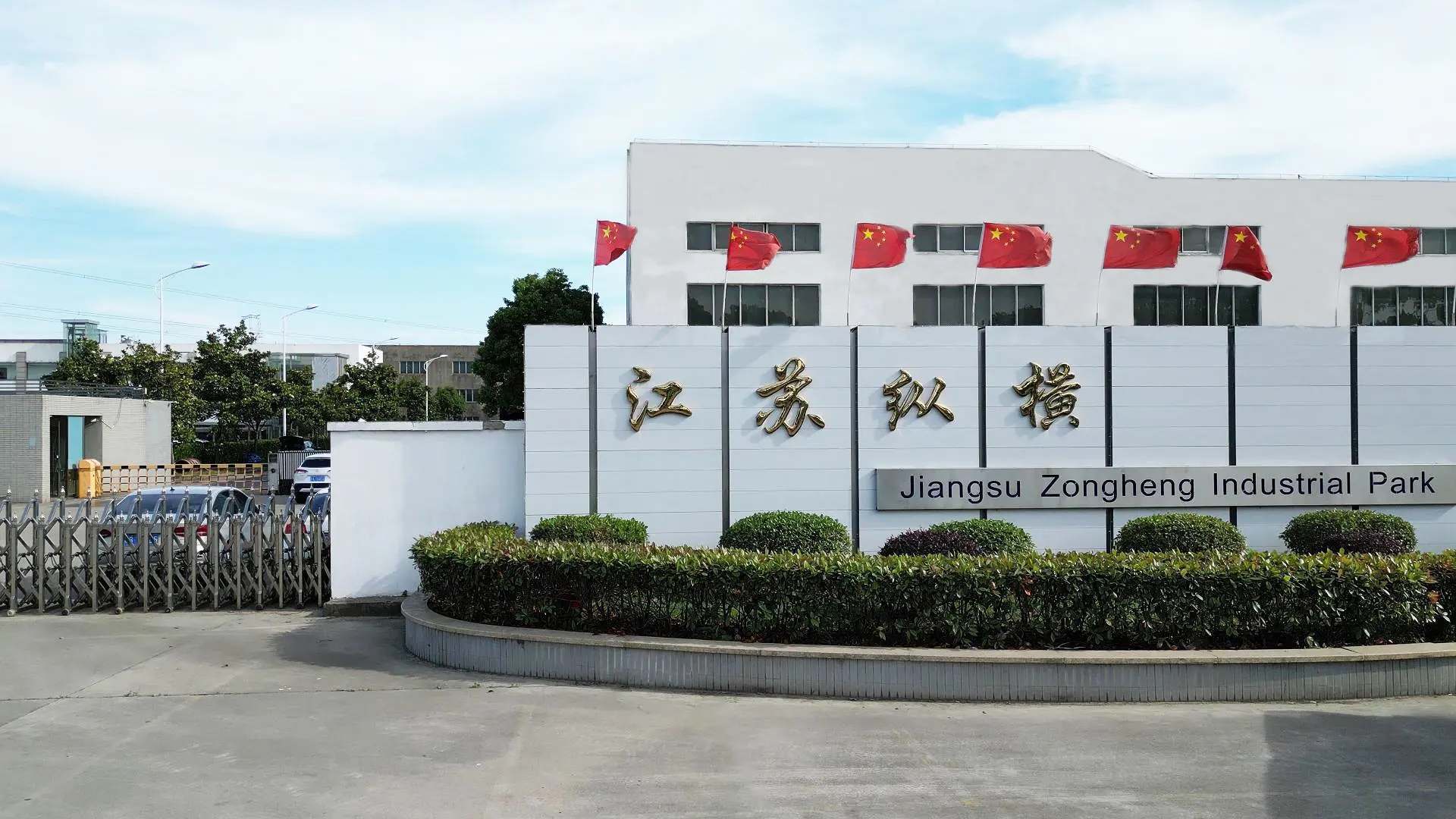
Jiangsu Zongheng operates across a total area of over 54,000 square meters, with modern production workshops spanning 22,000 square meters. The company employs 3 senior engineers, over 20 professional and assistant engineers, and a workforce of 120 specialists.
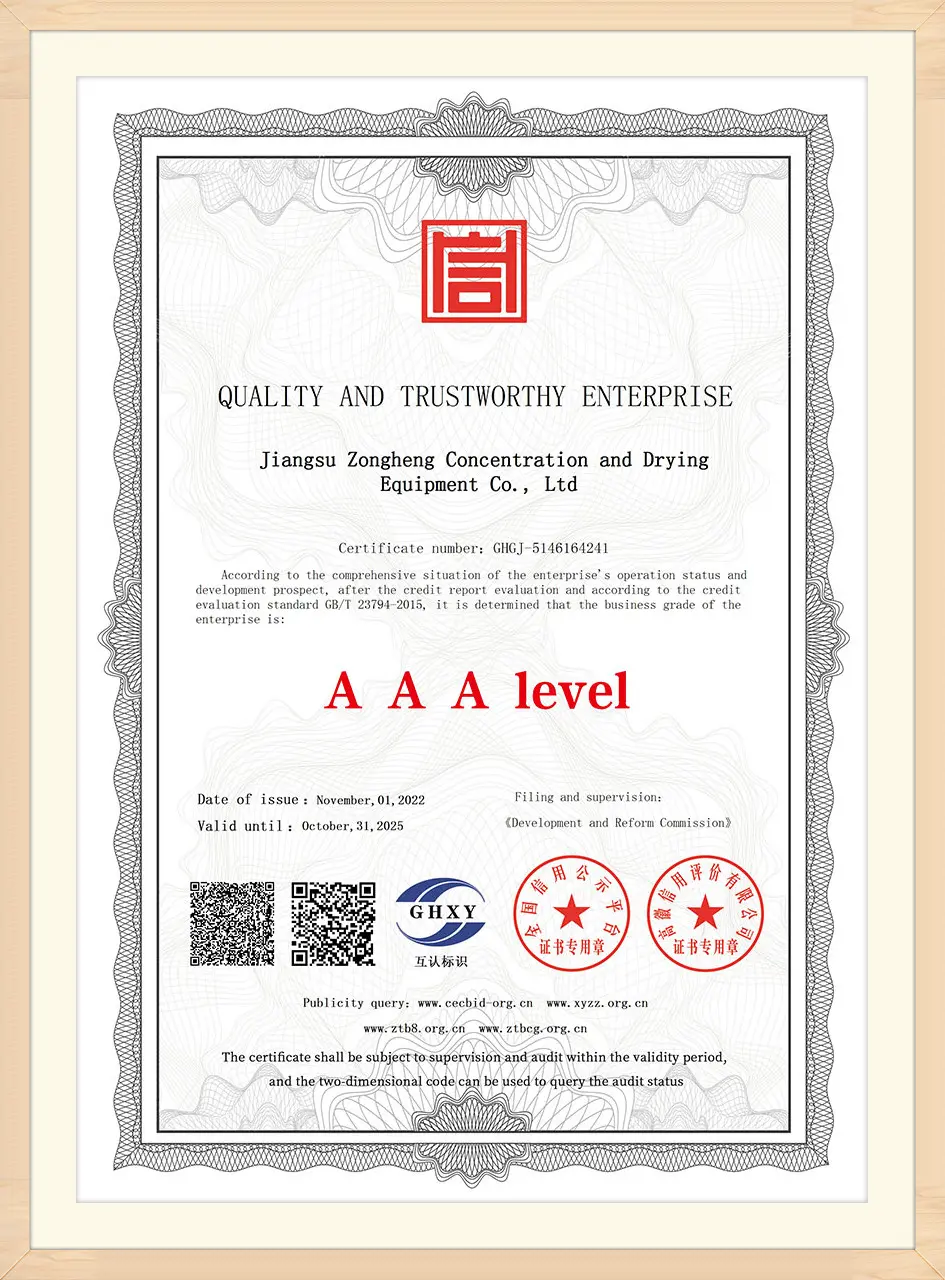
Successfully earned the international quality system certificate (Certificate No.: 45021), confirming a robust Quality Assurance setup verified to international standards.
Earned the official ASME (American Society of Mechanical Engineers) "U" Stamp authorization, marking a major milestone for high-pressure vessel fabrication.
Obtained the high-standard Special Equipment Manufacturing License of the People's Republic of China (License No.: TS2232C42), authorizing the production of Category III medium & low pressure vessels.
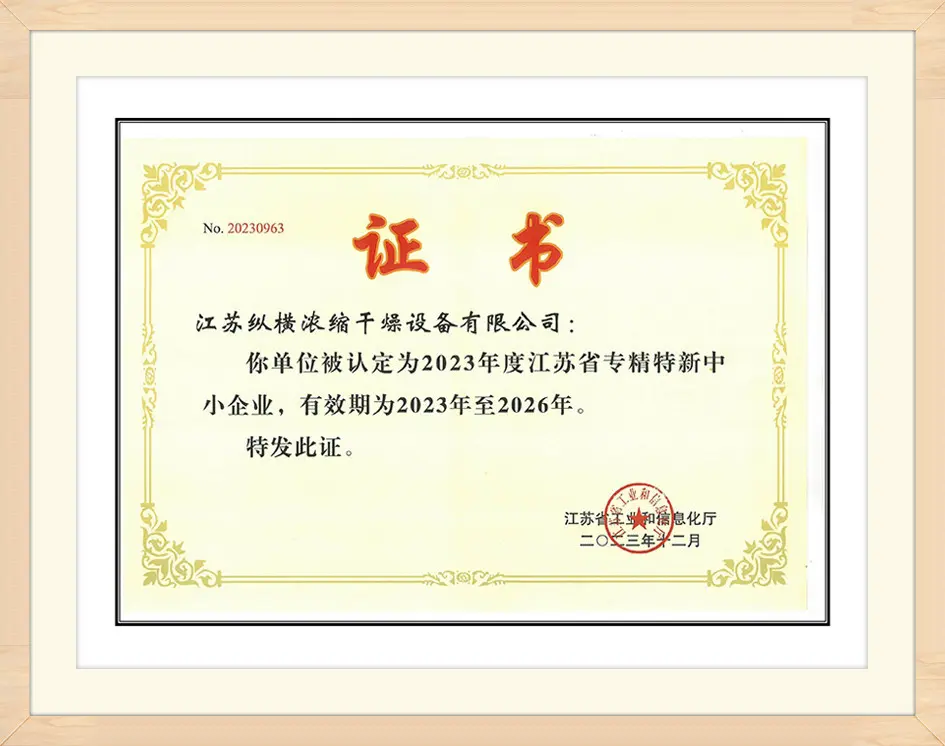
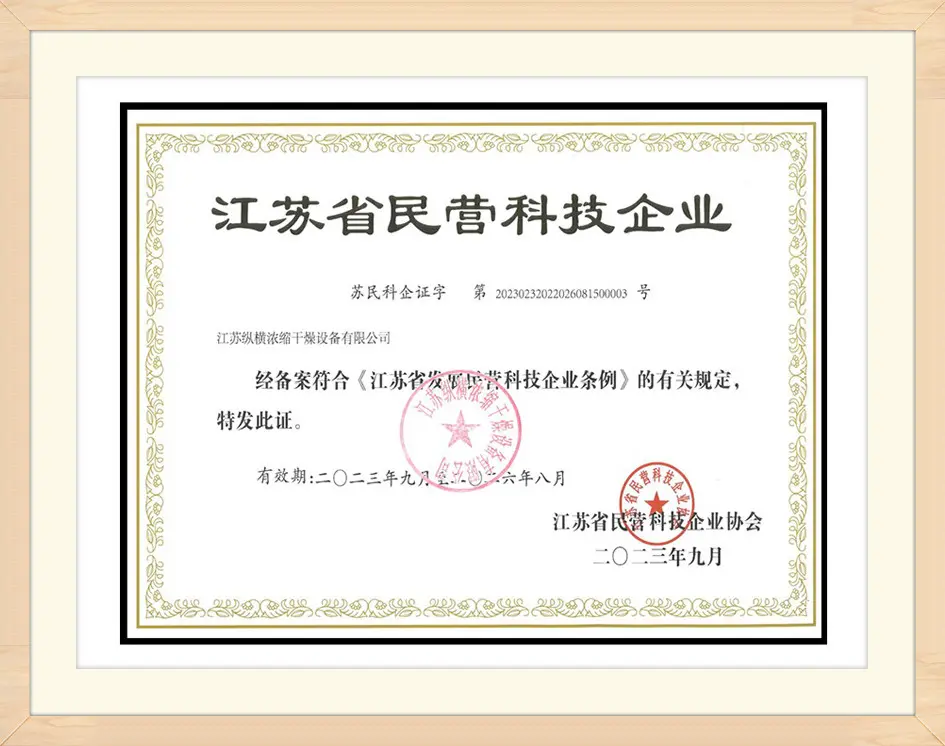
Recognized as a Jiangsu Provincial High-Tech Enterprise, reflecting our continuous research in evaporation dynamics and drying systems.
The company took the lead in obtaining ISO9001 certification, standardizing structural and piping designs to meet high reliability requirements.
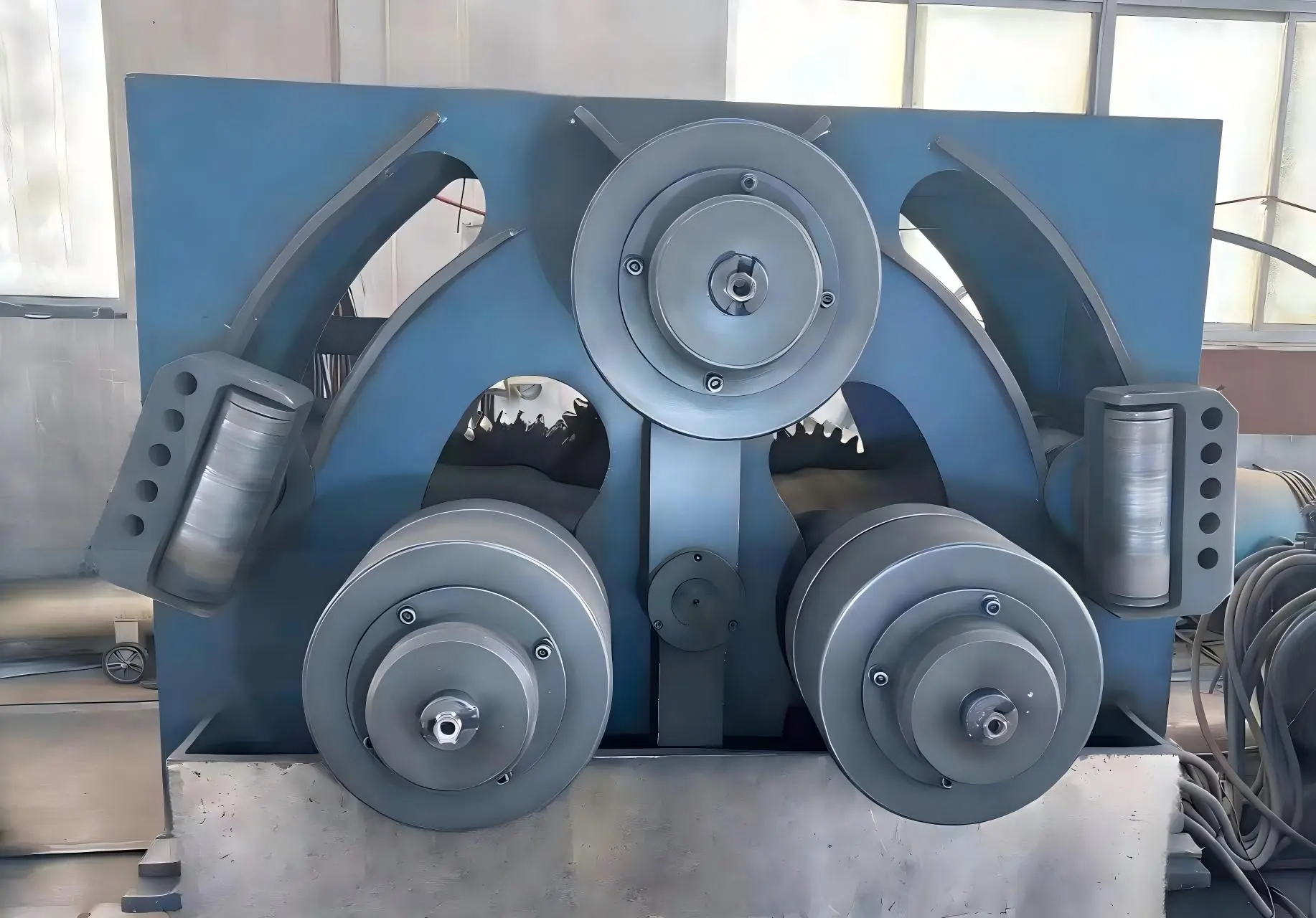
Established as Yixing Yangxi Light Industrial Machinery Factory in Zhoutie Town, Yixing City, on the shores of Taihu Lake. Initially operating with 45 employees across a 15-mu footprint, the company set the foundation for decades of specialized concentration and drying engineering.
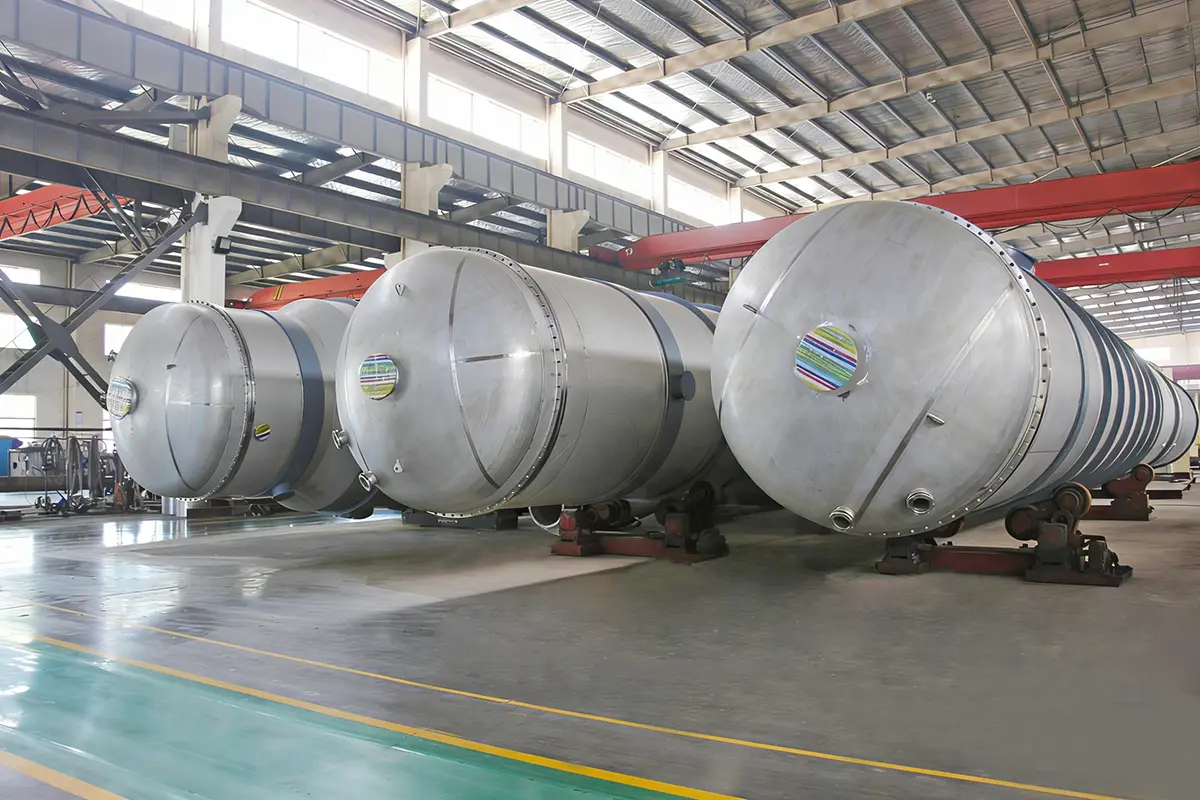
Installed across pharmaceutical, wastewater, and organic extraction sectors to handle heavy concentration duties under strict safety guidelines.
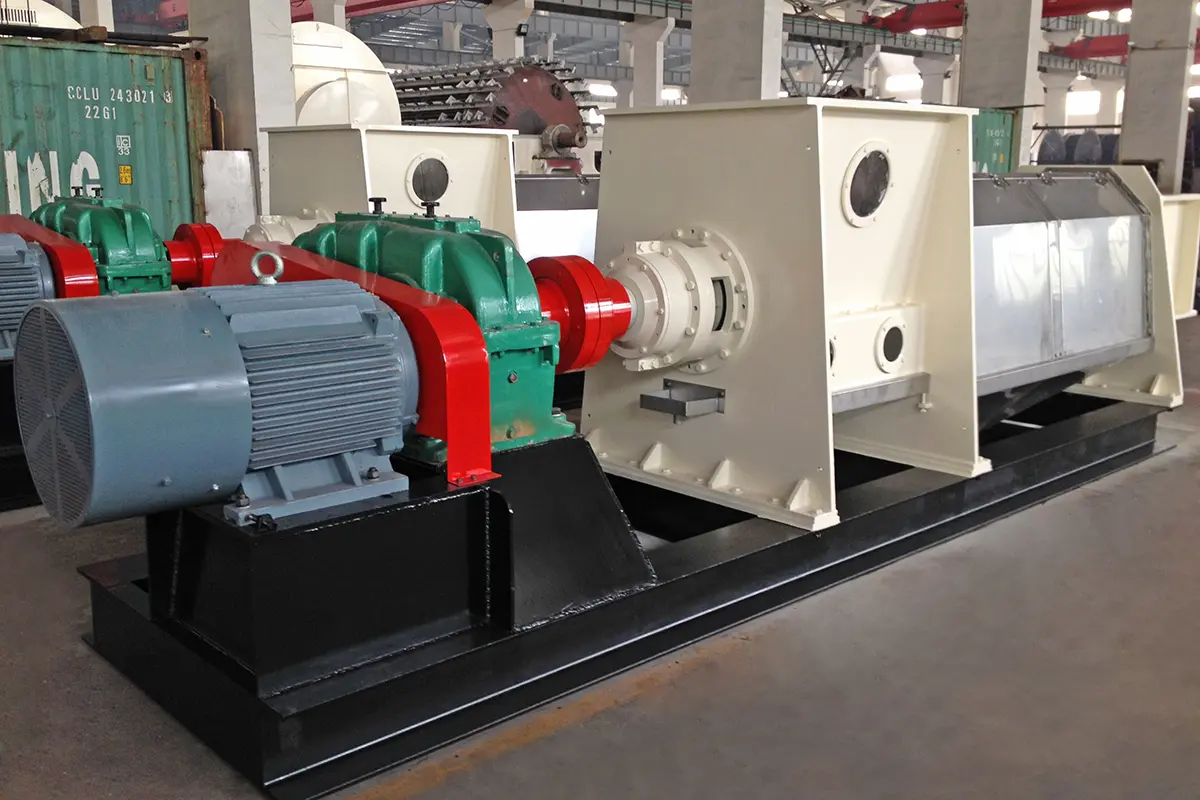
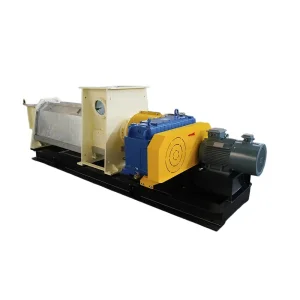
Employed in corn starch and agricultural processing lines to dewater starch fibers and germ cakes, preparing them for final drying stages.
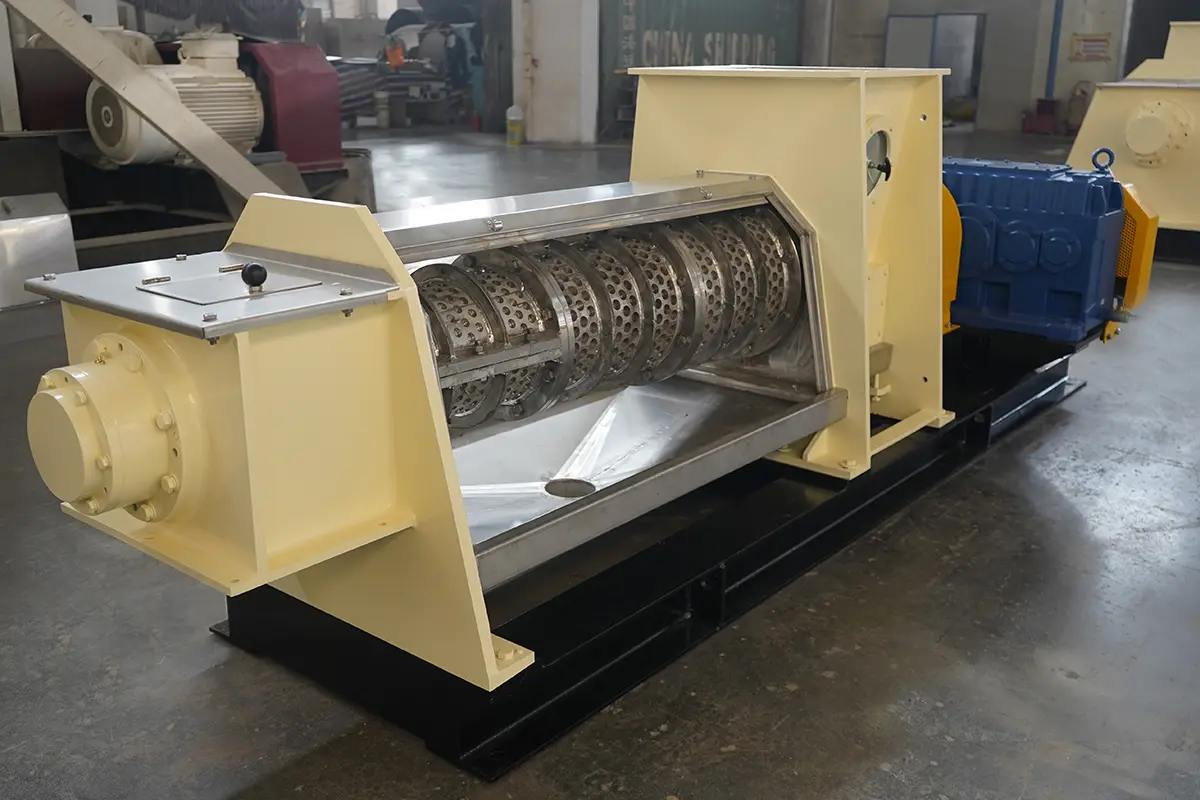
Designed to dry sticky or crystalline products using continuous spin heat input. Prevents agglomeration issues during final packaging.
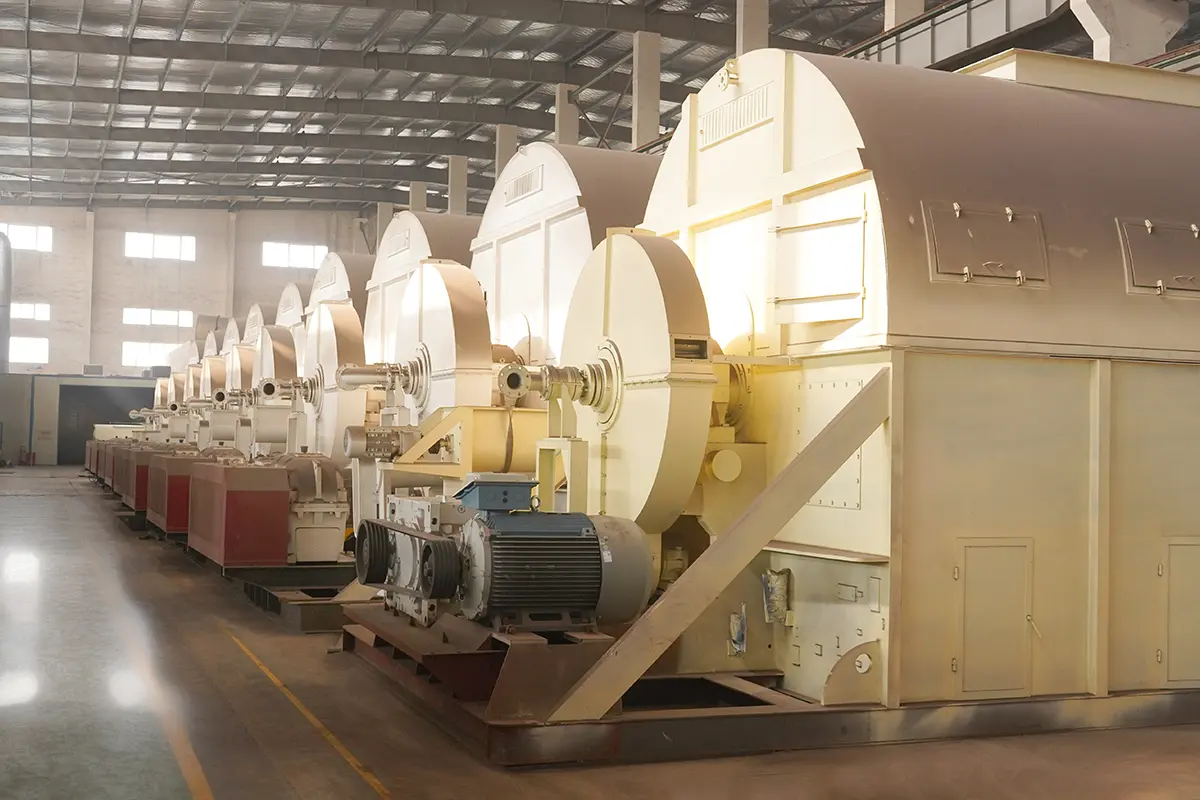
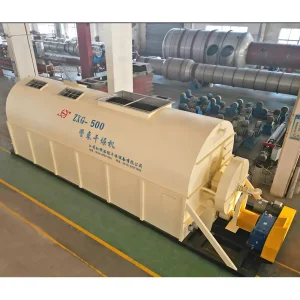
Indirect steam-heated tube bundle design that gently dries organic solids like corn germ, gluten, and animal protein feeds.
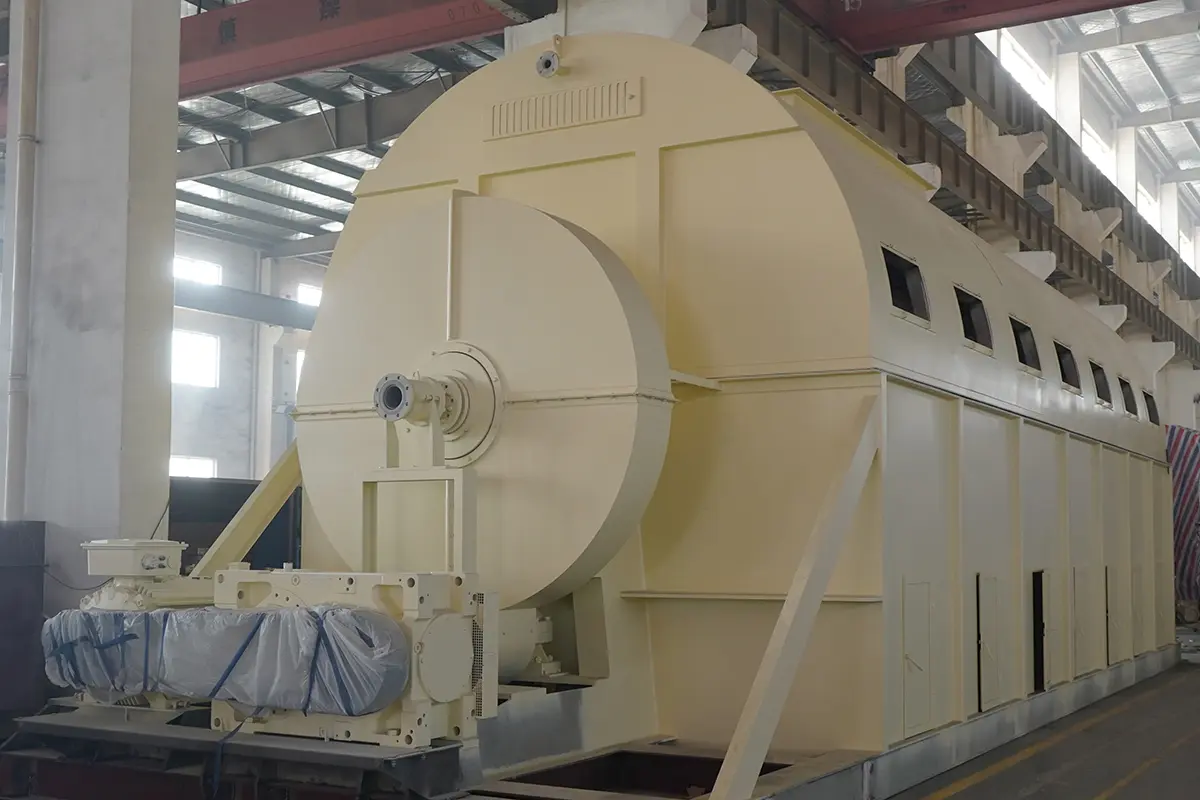
Features high steam efficiency and robust mechanical parts. Built to handle 24/7 continuous operations with minimal maintenance downtime.
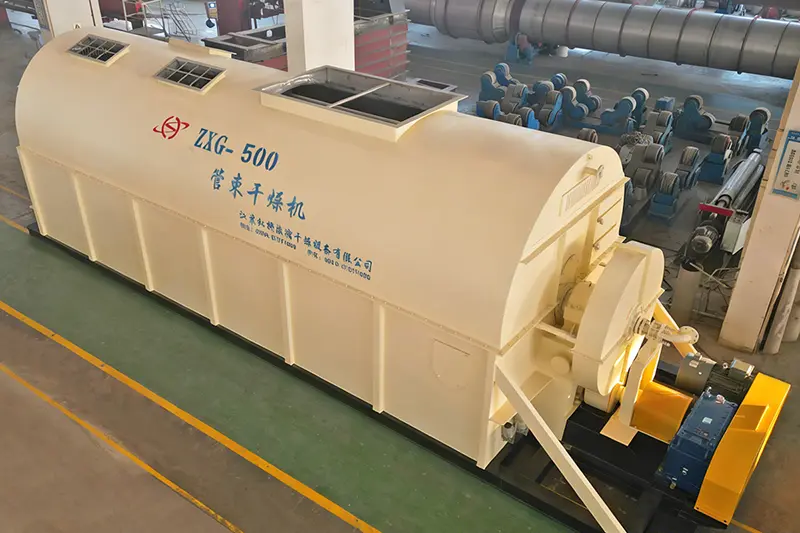
Heavy-duty rotating tube bundle assembly configured to resist abrasive wear from fibrous agricultural materials.

Contact our thermal processing engineers today for custom chemical modeling, process evaluations, or equipment quote estimates.
Request a Technical Quote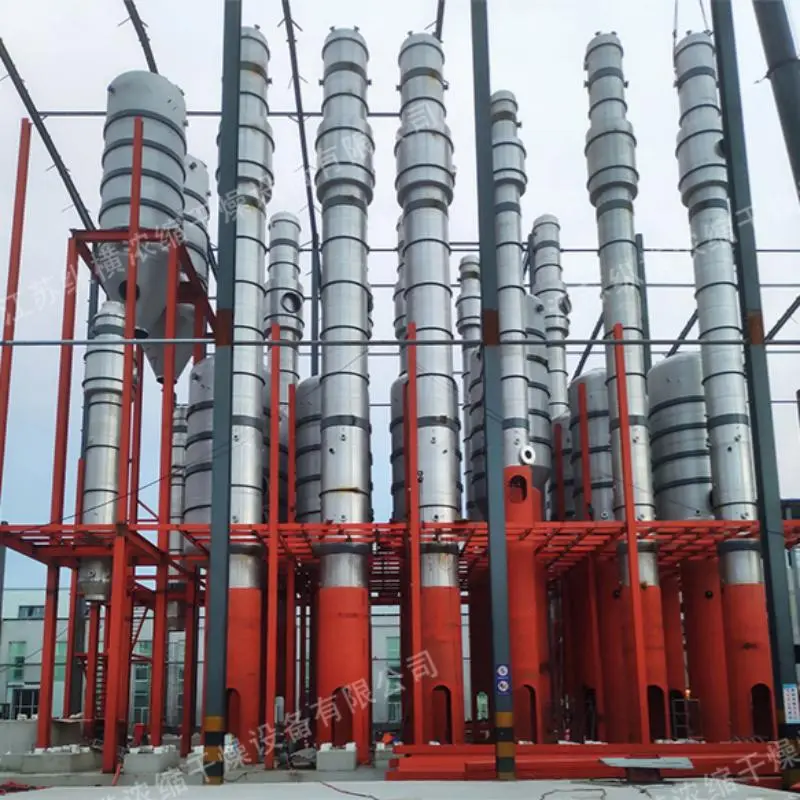
 June 18, 2026
Evaporators and condensers perform opposing thermal functions: the evaporator vaporizes solvent by absorbing heat under low pressures, while the condenser liquefies process vapors to recover valuable clean water or solvents. Modern chemical systems link these two units closely, utilizing cooling loops, vacuum ejectors, or steam thermocompressors to reduce energy use and carbon footprints.
Read Full Post → Zongheng