In modern industrial manufacturing, evaporation remains one of the most energy-intensive thermal separation technologies. Conventional multi-effect evaporation configurations consume massive amounts of live steam, generating substantial greenhouse gas emissions and high utility bills. Mechanical Vapor Recompression (MVR) technology represents a significant leap forward in thermodynamic efficiency, turning secondary waste steam back into primary thermal energy.
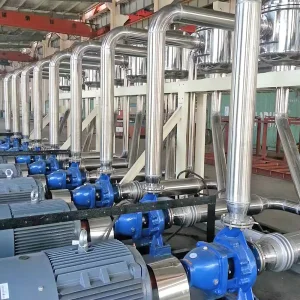
MVR operates on a simple but highly effective thermodynamic cycle: the low-pressure secondary vapor generated during the boiling process is not condensed immediately. Instead, it is drawn into a high-efficiency centrifugal compressor or roots blower, where its pressure and corresponding temperature are increased. This pressurized, higher-temperature steam is then directed back to the heating chamber of the same evaporator to act as the heating medium. Practically all the latent heat is recycled back into the system, reducing fresh steam consumption by up to 90%.
To quantify the optimization potential, we analyze the thermal energy demand required to evaporate 1 ton of water using different technological setups:
| Evaporation Technology Type | Fresh Steam Consumption (per Ton Water) | Electricity Demand (per Ton Water) | Equivalent Energy Cost Indicator | Typical ROI Timeline |
|---|---|---|---|---|
| Single-Effect Evaporator | 1.0 - 1.2 Tons | ~5 kWh | 100% (Baseline) | Not Applicable |
| Triple-Effect Evaporator | 0.35 - 0.4 Tons | ~8 kWh | 35% - 40% | Baseline comparison |
| Five-Effect Evaporator | 0.2 - 0.25 Tons | ~12 kWh | 20% - 25% | 3 - 4 Years |
| MVR Evaporation Plant (Zongheng) | 0.02 - 0.05 Tons | 15 - 30 kWh | 10% - 15% | 1 - 1.5 Years |
By shifting the primary energy input from thermal steam to electrical energy, the Coefficient of Performance (COP) of Zongheng MVR evaporators typically reaches between 10 and 20. This exceptional efficiency significantly offsets initial Capital Expenditures (CAPEX) within months of constant operation.
Founded in 1992 as the Yixing Yangxi Light Industry Machinery Factory, Jiangsu Zongheng has transitioned into a highly advanced concentration and drying equipment pioneer. Our team relies on over three decades of empirical factory data and structural engineering experience to optimize liquid separation lines.
We achieved the prestigious ASME "U" Stamp Authorization in 2012 and maintain compliance with ISO9001 and CE certification protocols. Every vessel, heat exchanger, and compressor is subjected to strict non-destructive testing (NDT) to operate reliably under extreme pressure differential conditions.
Our facility covers over 54,000 square meters, featuring a dedicated 22,000 square meter production workshop. Equipped with state-of-the-art automated plasma welding, CNC rolling mills, and high-capacity polishing tools, we process high-grade corrosion-resistant alloys including SUS316L, Duplex 2205, and Titanium.
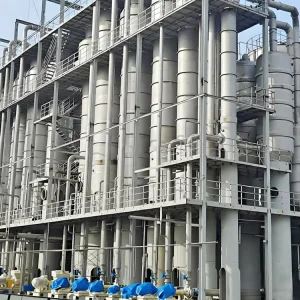
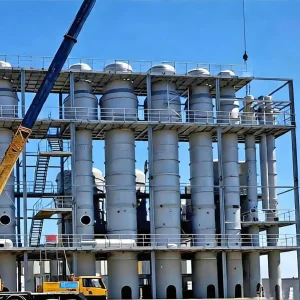
Designed primarily for heat-sensitive liquids. The liquid feed enters the evaporator top header, where a specialized distribution plate ensures the formation of a uniform thin film descending down the inner walls of the vertical tubes. As vapor flows parallel to the liquid, it maximizes heat transfer. This configuration provides a short residence time, minimal pressure drop, and prevents thermal degradation of organic components in milk, juice, starch sugar, and pharmaceutical extractions.
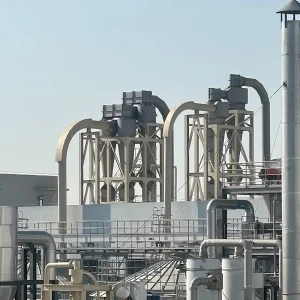
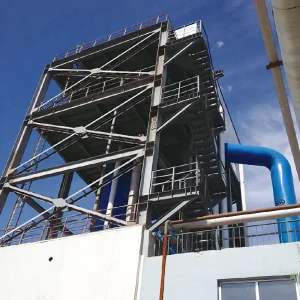
Jiangsu Zongheng's MQG Airflow Dryer utilizes high-velocity hot air to fluidize and suspend damp particles. The air system is engineered with varied pipe diameters to create rapid impulses, constantly tumbling material and accelerating heat transfer during transit. The moisture flashes off instantly, enabling the system to process large volumes of starch, chemicals, and food powders efficiently.
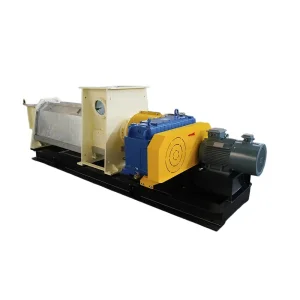
Zongheng single screw presses deliver rugged solid-liquid separation. Raw slurry is fed into the filtration chamber, where a variable pitch screw continuously compresses the solids against a wedge wire screen cylinder. The liquid drains outward through the screen slits, while the highly concentrated dry cake is discharged at the axial outlet. Excellent for starch fiber dewatering, spent grains processing, and pulp filtration.
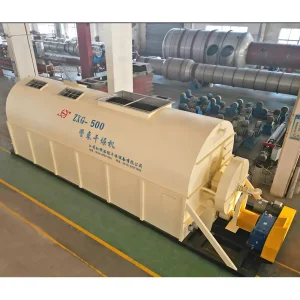
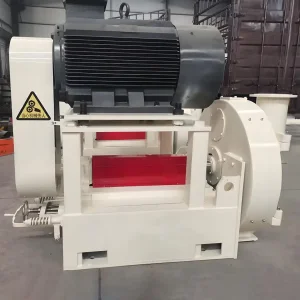
An indirect steam-heated drying solution. A rotating bundle of steam tubes sits inside a stationary outer shell housing the moist material. Shovels on the outer diameter of the tube bundle scoop, lift, and slide the material along the hot tube surfaces. Volatile gases are carried off by a gentle countercurrent airflow. Ideal for processing alcohol DDGS, gluten meal, and organic agricultural residues.
Established as Yixing Yangxi Light Industrial Machinery Factory beside Taihu Lake. Commenced fabrication of basic vessels and food processing components with 45 employees.
Achieved ISO9001 Quality System Certification, standardizing internal quality management systems and manufacturing processes.
Recognized officially as a Jiangsu Provincial High-Tech Enterprise, marking a pivot toward proprietary R&D in energy-efficient evaporators.
Granted the Special Equipment Manufacturing License of the People's Republic of China (License No: TS2232C42) for pressure vessels.
Acquired the ASME "U" Stamp authorization, opening global export pathways for industrial evaporators and pressure equipment.
Expanded quality systems to secure International Quality System Certification (No. 45021), verifying supply chain integrity for international contractors.
Now operating a 54,000+ sqm production hub. The team boasts over 20 engineers and 3 senior thermal specialists, providing fully integrated turn-key plant design.
Industrial concentration and drying equipment must be designed around the chemical properties of the specific feed material. A universal machine does not exist. Zongheng works with international process owners to design bespoke plants tailored for the following sectors:
In the bio-ethanol sector, dry mill plant byproducts (stillage) contain vital proteins and nutrients. Using our MVR evaporation plants, thin stillage is concentrated into syrup. This syrup is then combined with wet cake before passing through Zongheng ZXG Tube Bundle Dryers to yield Distillers Dried Grains with Solubles (DDGS), transforming a wastewater management challenge into a profitable source of animal feed.
Regulatory frameworks globally mandate strict controls on chemical waste disposal. High-salinity chemical wastewater requires evaporation and crystallization to separate mineral salts from purified clean water. Zongheng integrates Falling Film MVR evaporators with Forced Circulation crystallizers to handle calcium, sodium, and ammonium salts, recovering up to 98% of clean process condensate.
For cassava, corn, and potato starch refining, Zongheng Starch Washing Cyclones extract maximum starch yield while separating soluble proteins. Combined with high-efficiency airflow dryers, the end product achieves superior moisture balance and consistent grain sizes.
We design custom evaporation and drying plants tailored to your chemical parameters and production capacity. Get in touch with our thermal design engineers today.
Request a QuoteExplore technical configurations, system upgrades, or plant retrofits. We welcome partners worldwide to visit our state-of-the-art facilities in Jiangsu.
View Contact Details Zongheng