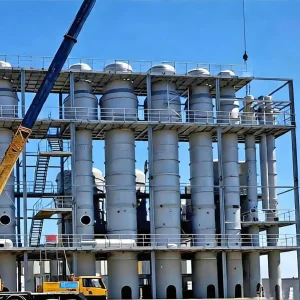
Engineered solutions designed for high performance, thermal efficiency, and global standards
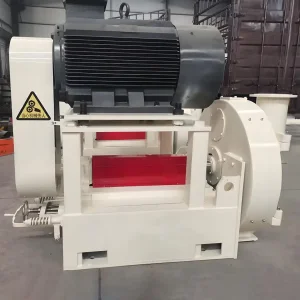
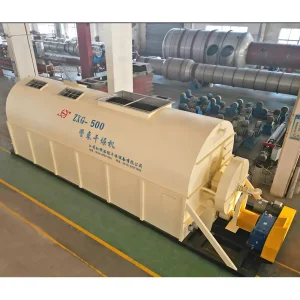
In modern process engineering, the term Material Dryer Machine Factories & Factory represents more than simple hardware fabrication; it designates the epicentre of complex thermal dynamics, mechanical separation, and energy conservation methodologies. As heavy industries face escalating pressures to align with net-zero carbon initiatives and volatile global fuel indices, the choice of drying and evaporation systems dictates the operational viability of entire processing facilities.
Historically, manufacturing plants focused heavily on volume output, often neglecting thermal efficiency. Today, global supply chains require high-precision moisture extraction and liquid concentration plants that balance energy consumption with product purity. Whether processing heat-sensitive agricultural derivatives, executing starch purification, or concentrating volatile chemical wastewater streams, industrial plants must minimize energy loss.
Procurement workflows within multinational chemical, agricultural, and wastewater treatment enterprises are shifting toward value-driven engineering specifications. For an EPC (Engineering, Procurement, and Construction) planner or Plant Director, searching for a "Material Dryer Machine Factory" involves verifying key technical credentials rather than just finding a supplier. Buyers look for:
Maximizing heat transfer coefficients ($U$) while maintaining mechanical stability under heavy duty cycles.
Preserving chemical structures and preventing thermal degradation of heat-sensitive compounds.
Compliance with global pressure vessel codes such as ASME (Section VIII, Division 1) and European CE directives.
By addressing these parameters, the engineering design must incorporate low-oxygen loops, indirect steam injection, counter-current heat transfer matrices, and automatic PLC interfaces. This level of technical oversight is essential to guarantee reliable continuous operation.
To assist procurement and mechanical engineers, we outline the functional mechanics, fluid behavior, and thermodynamics of our primary industrial product lines.
The Jiangsu Zongheng ZXG Tube Bundle Dryer represents a premier design in indirect steam-contact drying. Unlike direct-fired rotary dryers, the ZXG operates by rotating a dense concentric pack of steam-heated tubes inside a stationary outer shell.
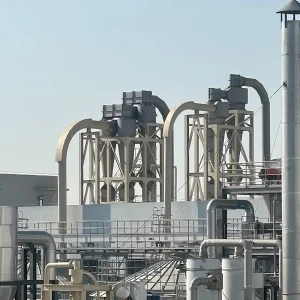
For particulate materials requiring rapid moisture extraction, the MQG Industrial Airflow Dryer offers high-velocity flash drying.
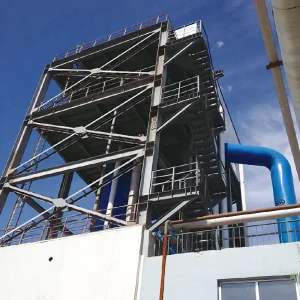
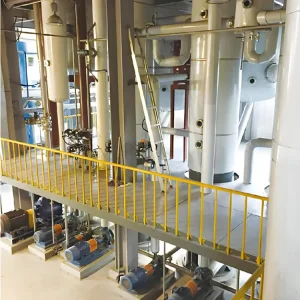
Concentration of liquid mixtures requires specialized evaporation systems configured for specific fluid dynamics:
Before entering thermal dryers, mechanical pre-dewatering is crucial. The Single Screw Press uses a progressive pitch screw to compress slurry against an outer screen envelope, reducing moisture prior to downstream thermal drying.
Over three decades of manufacturing quality, high-pressure certifications, and technology innovation
Founded in 1992 as the Yixing Yangxi Light Industry Machinery Factory, Jiangsu Zongheng Concentrating and Drying Equipment Co., Ltd. has evolved into a modern enterprise specializing in industrial concentration, drying, starch refining, and Category III pressure vessels. Located in Zhoutie Town, Yixing City, on the shores of Taihu Lake, our facility spans 54,000 square meters, including 22,000 square meters of high-capacity workshops.
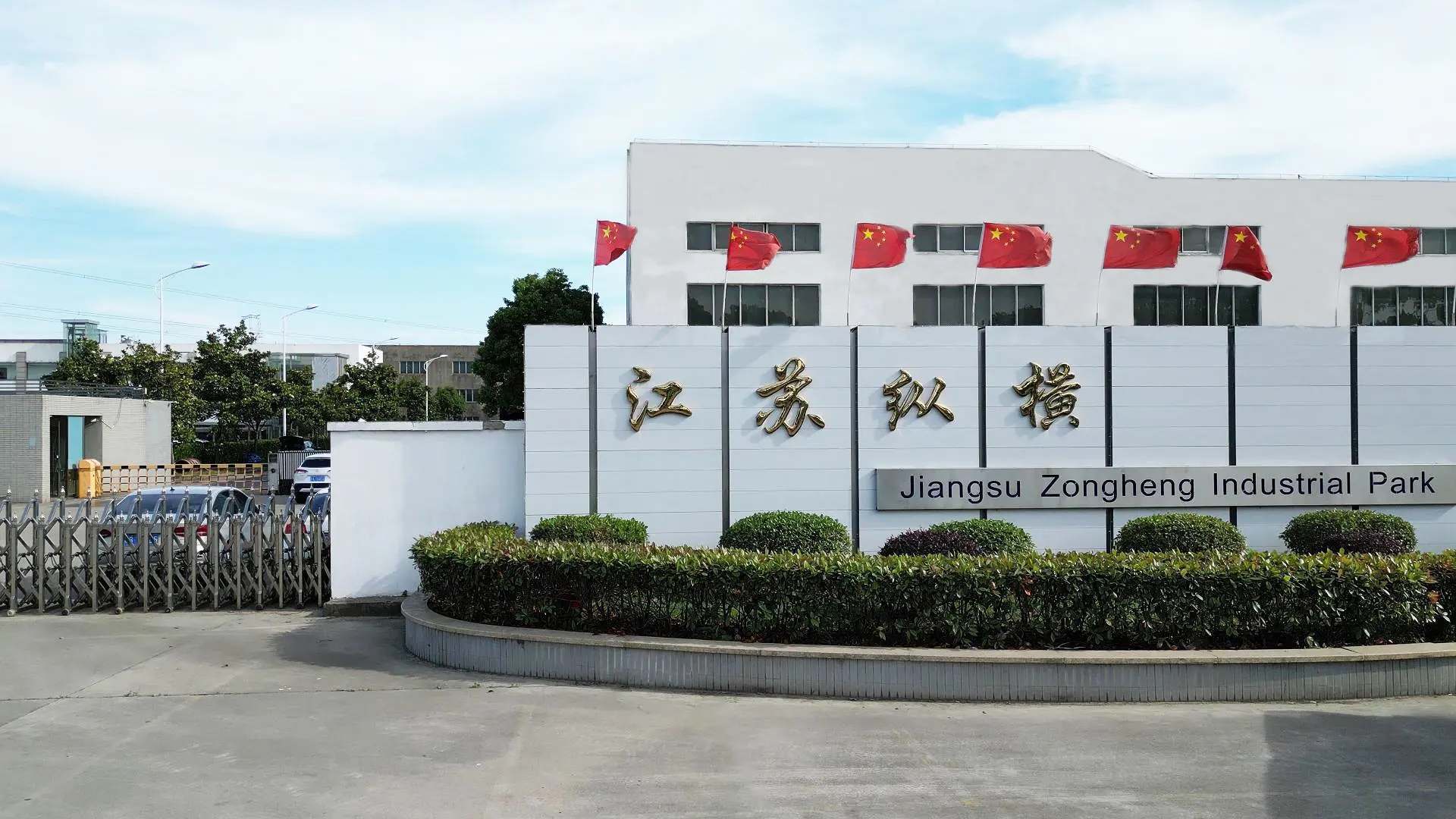
Established as Yixing Yangxi Light Industrial Machinery Factory, covering 15 mu with 45 employees, laying the foundation for local manufacturing.
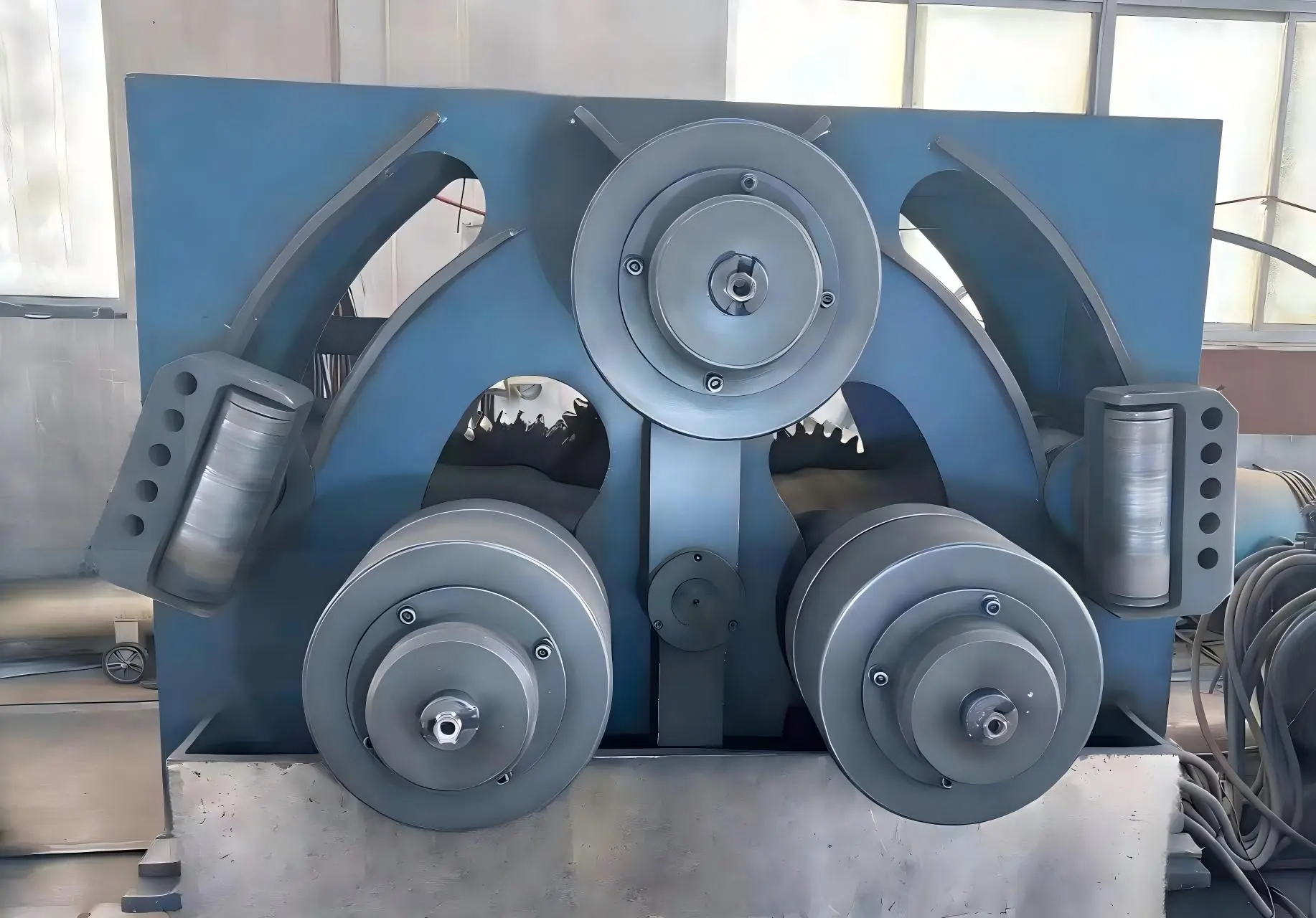
Obtained ISO9001 Quality Management certification, formalizing standardized production systems.
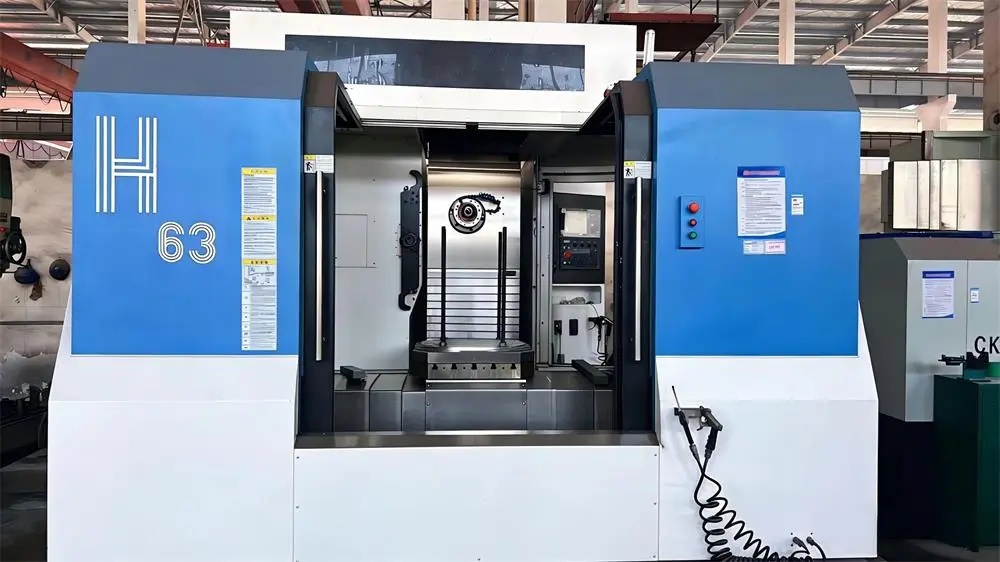
Recognized as a Jiangsu Provincial High-Tech Enterprise, acknowledging our investments in research and design.
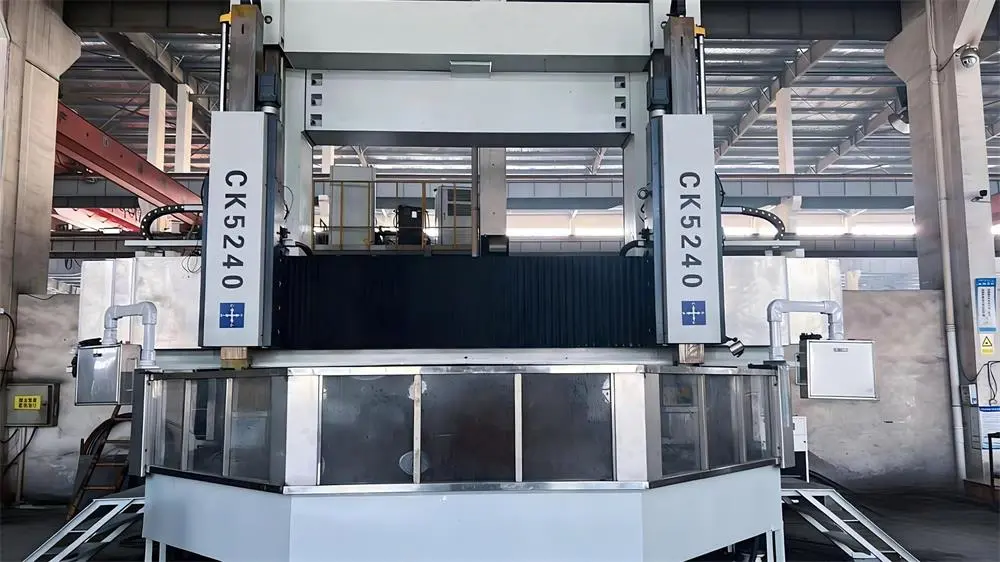
Secured the Special Equipment Manufacturing License of the P.R.C. (TS2232C42) for low and medium pressure vessels.
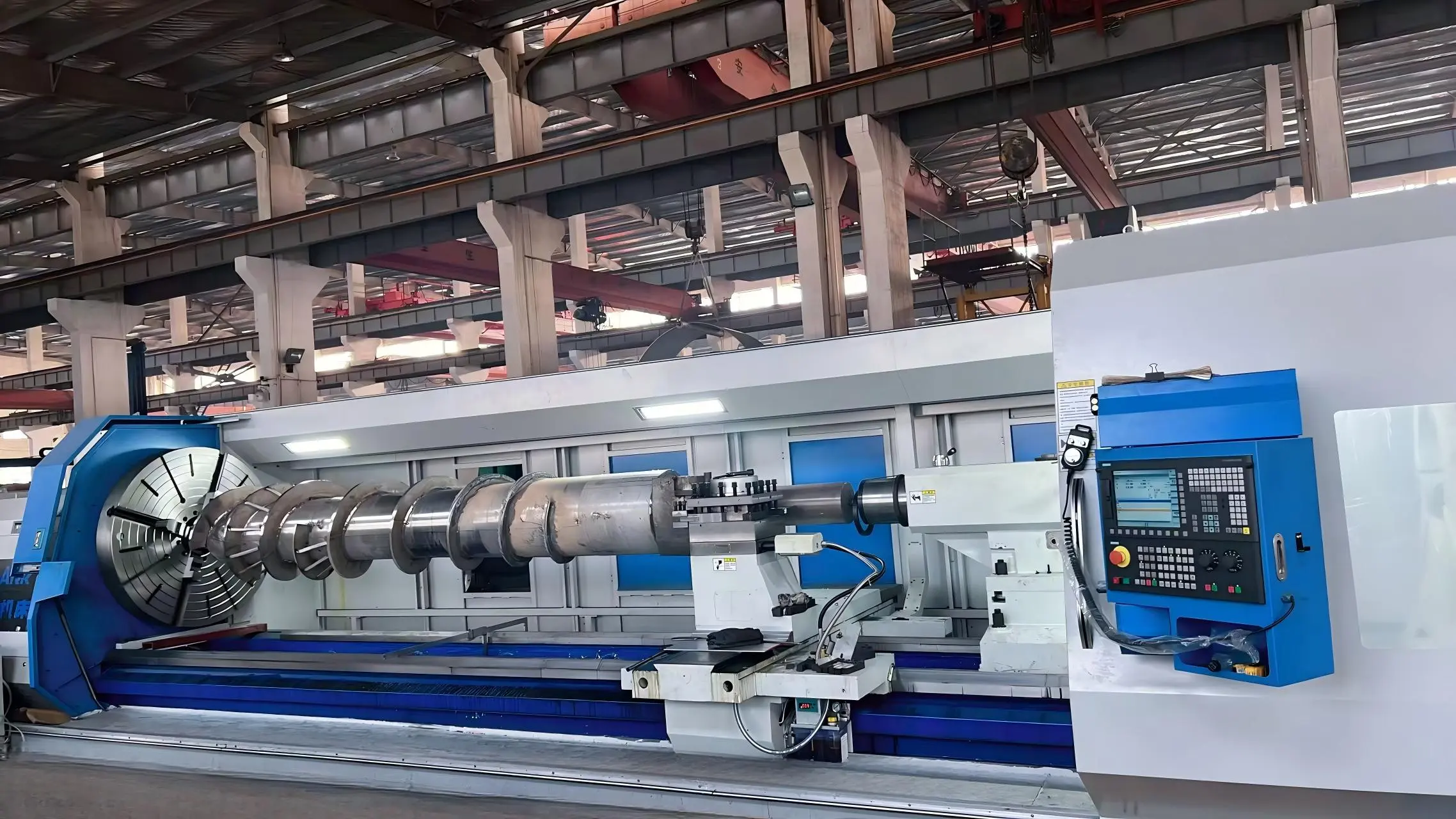
Acquired the ASME "U" Stamp authorization, opening access to international process markets.
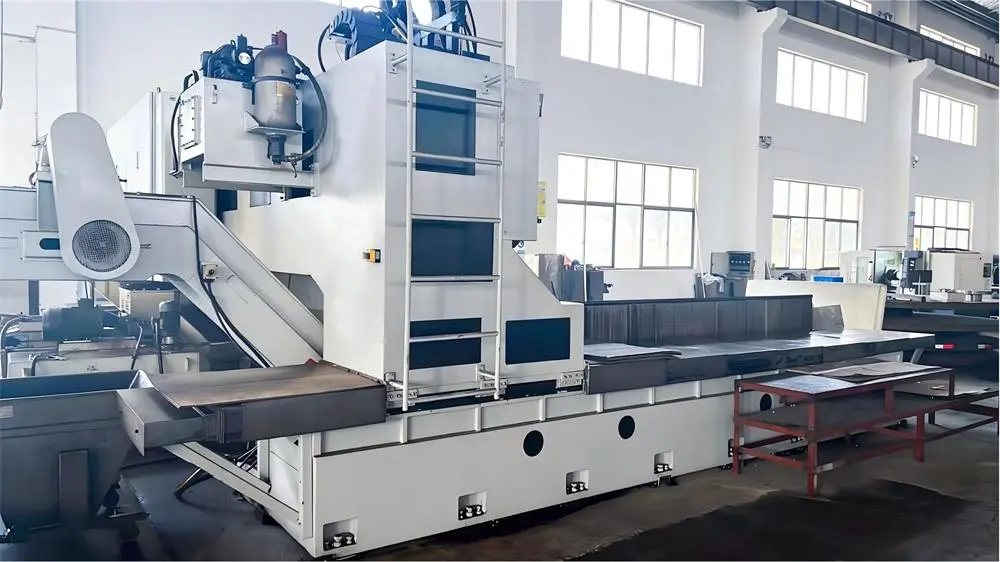
Achieved international quality system certification (No. 45021), validating our global quality assurance systems.
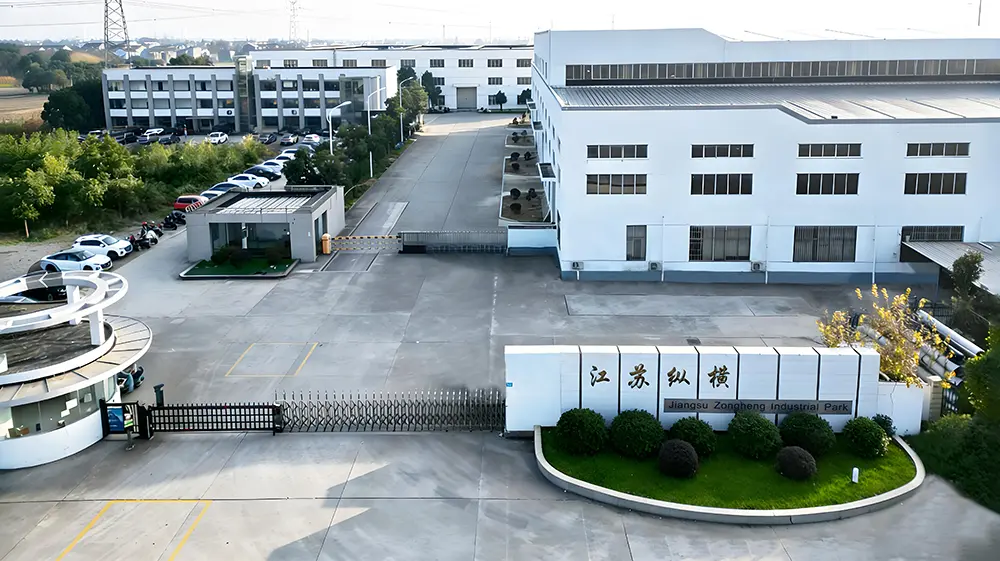
Operating out of 54,000+ m² facilities with 22,000+ m² workshops, supported by 20+ engineers and 120 staff.
Jiangsu Zongheng systems are designed for chemical, food fermentation, alcohol, pharmaceutical, and environmental protection sectors. High-capacity evaporation plants require reliable corrosion resistance, structural safety, and localized support.
All plants are built under quality management schemes compliant with international standards, such as ISO 9001 and ASME Section VIII. Our fabrication process uses non-destructive testing (NDT), hydrostatic verification, and raw material tracking to ensure performance in demanding environments.
Additionally, our project delivery system covers engineering, manufacturing, transport logistics, onsite mechanical assembly, automation integration, and operator training to support long-term reliability.
Technical answers to common questions about drying, evaporation, and pre-treatment systems
Essential units supporting starch wash, dewatering, separation, and custom evaporation loops
Discuss your thermal efficiency targets, material properties, and regulatory compliance requirements. Our engineering team can assist with system sizing, integration planning, and performance estimates.
 Zongheng