Explore our primary array of high-efficiency evaporators, mill systems, and mechanical presses, engineered for industrial-grade concentration, separation, and dewatering applications.
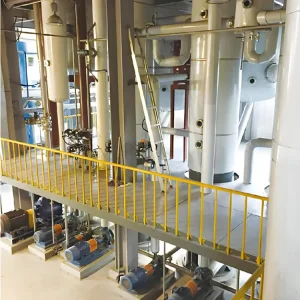
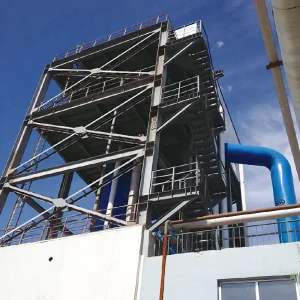
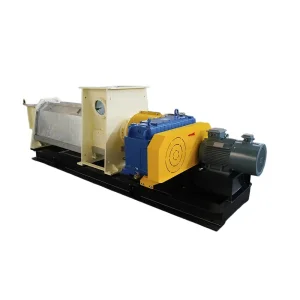
In modern chemical synthesis, food processing, and environmental wastewater remediation, the selection of evaporation materials and equipment represents a mission-critical investment. At Jiangsu Zongheng Concentrating and Drying Equipment Co., Ltd., we operate at the intersection of metallurgical selection and advanced process thermodynamics. Selecting correct corrosion-resistant materials (such as Titanium Grade 2, Duplex Stainless Steel 2205/2507, and Hastelloy alloys) is the foundation of our engineering practice.
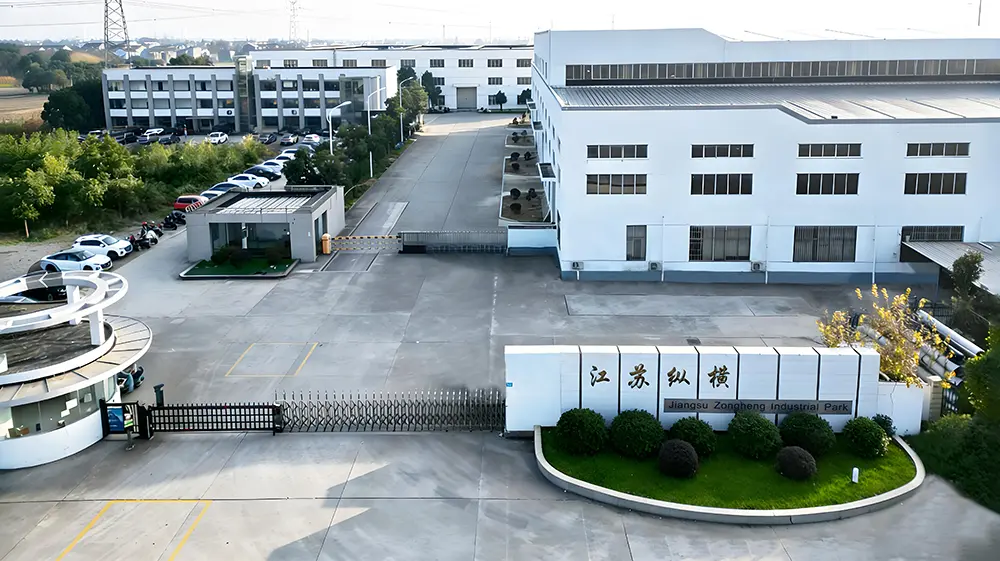
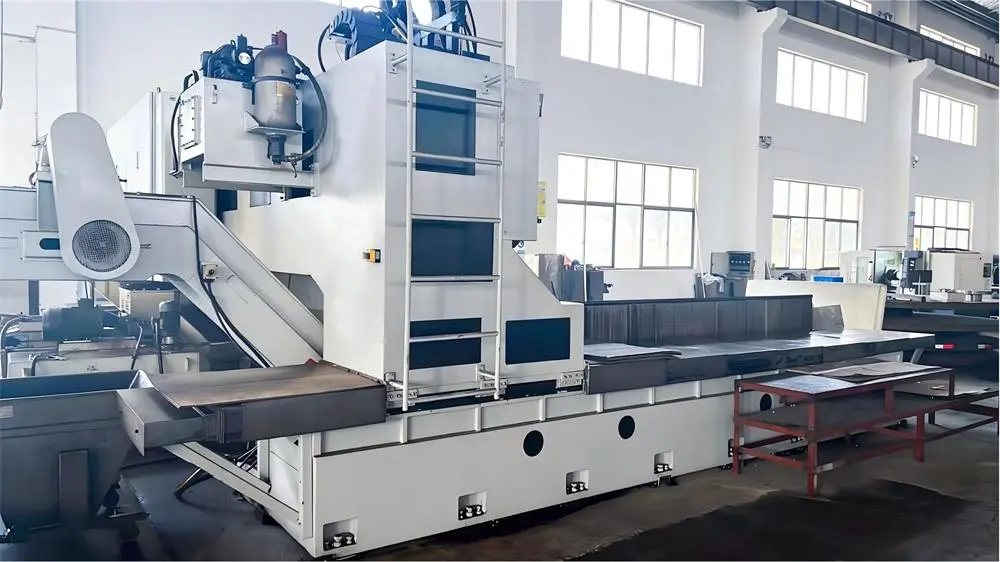
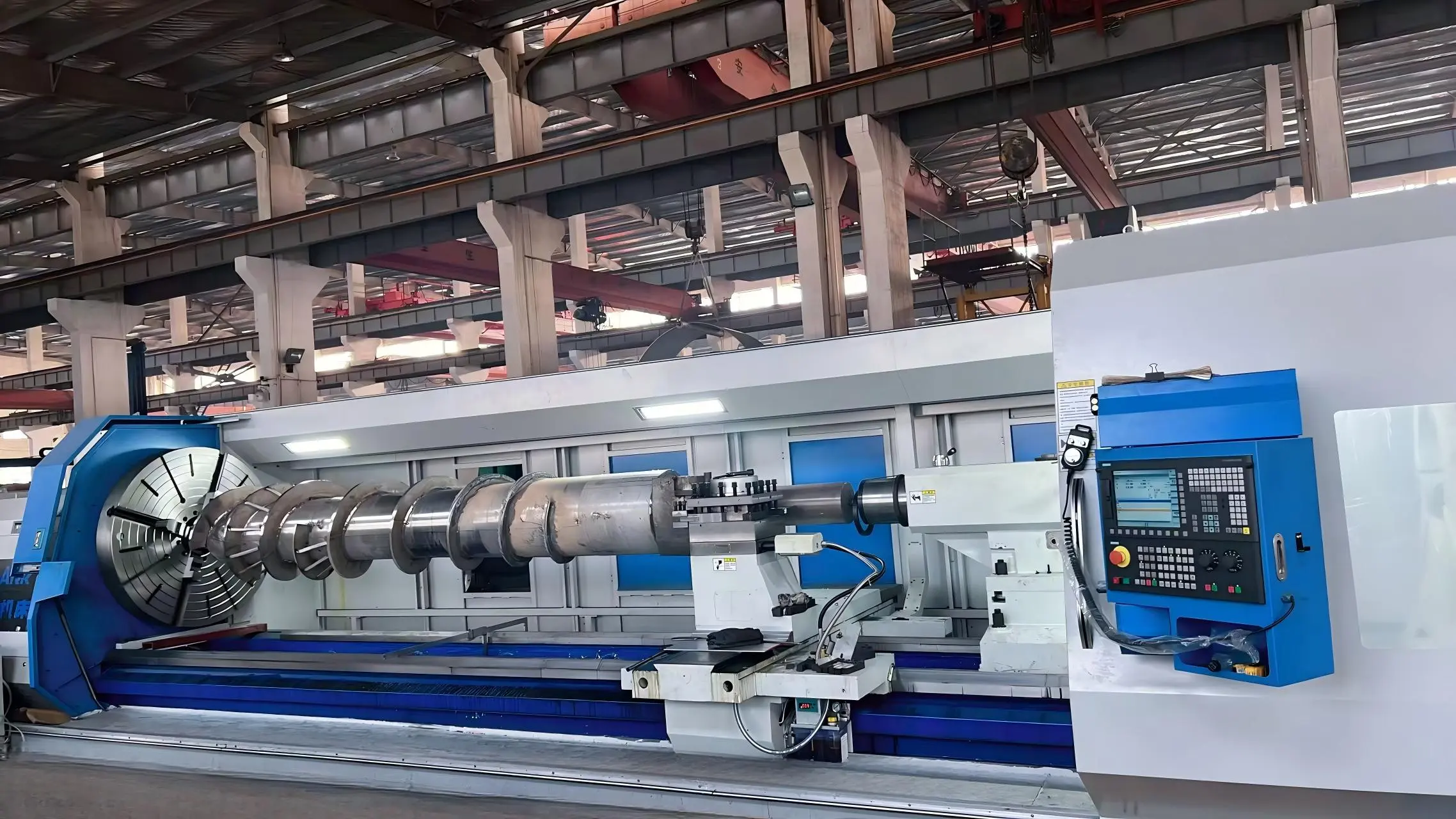
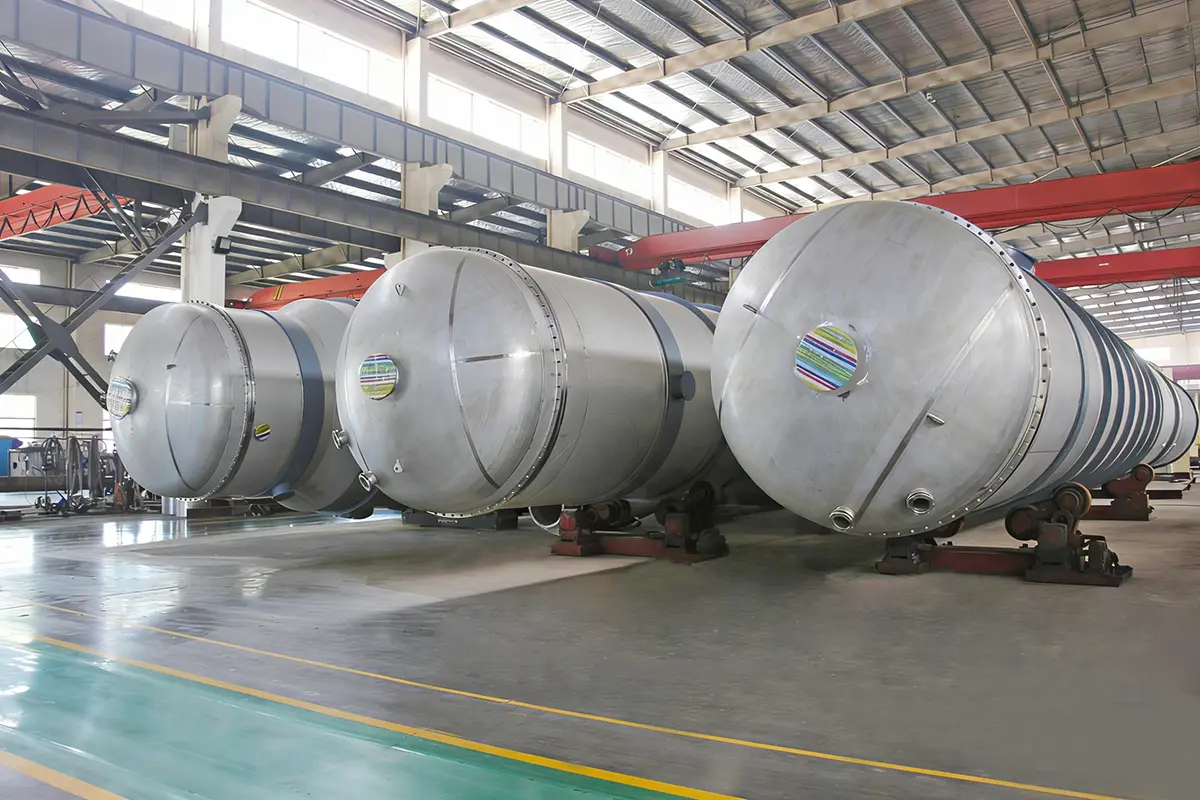
By operating our own advanced manufacturing facilities in Yixing, China, we ensure that every falling film evaporator, MVR system, and single screw press conforms to rigorous global regulatory frameworks. Our factory specializes in the construction of Category III medium and low-pressure vessels, bridging the gap between high-yield processing requirements and safety compliance. We design systems that reduce operating expenditures (OPEX) by up to 60% compared to traditional multi-effect thermal vaporization plants.
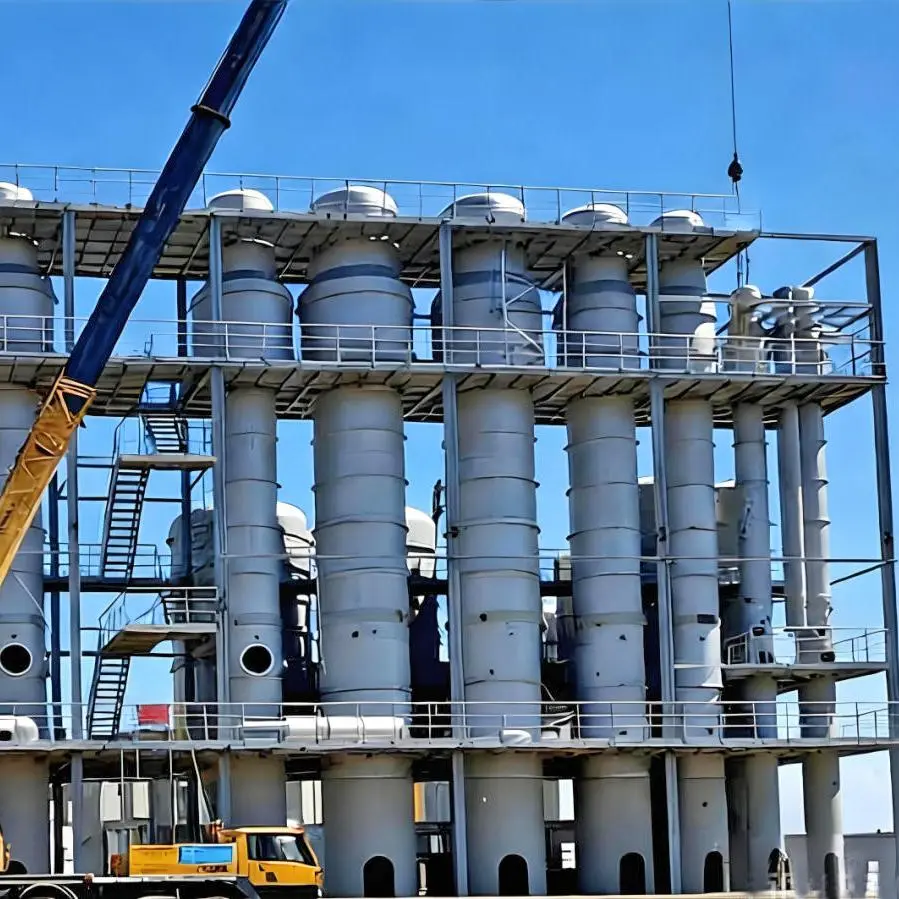
Optimized heat transfer coefficients through engineered fluid distribution systems and specialized alloy tube bundles, maximizing thermal output and minimizing energy footprint.
Our ISO 9001 and ASME "U" Stamp credentials guarantee that every pressure vessel and evaporation plant is built to withstand extreme thermal stresses and corrosive chemical runtimes.
We provide comprehensive engineering, procurement, and construction (EPC) support along with complete localization integration for structural code verification and automation interfaces.
Our integrated solutions address every phase of liquid concentration and solid-liquid separation. Explore the engineering profiles below.
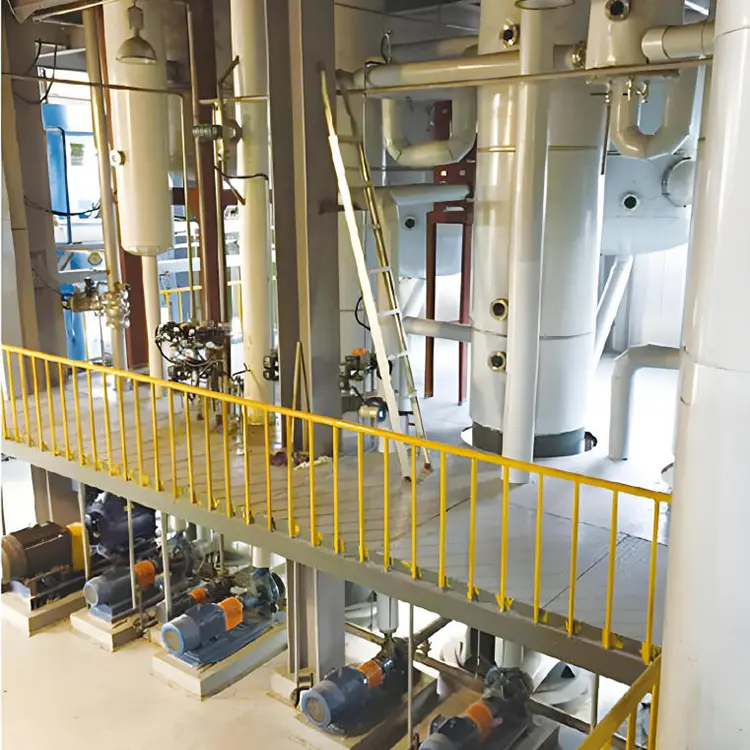
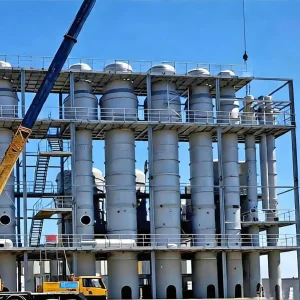
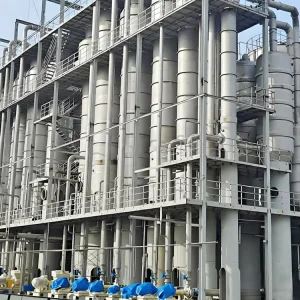
We design custom-engineered Falling Film, Forced Circulation, MVR (Mechanical Vapor Recompression), and Waste Heat Evaporator systems. These plants optimize energy usage by recycling latent heat of vaporization. Our systems feature short residence times to prevent thermal degradation of heat-sensitive compounds. By maintaining complete wetting of the heat-exchanging tubes, we mitigate scaling and fouling in high-salinity wastewater or organic food concentrations.
A comparative evaluation of energy efficiency, metallurgical integrity, and process optimization strategies for modern industrial operations.
In traditional thermal separation systems, multi-effect evaporators consume significant quantities of fresh boiler steam. Fresh steam is introduced into the first effect, and the generated secondary vapor is used as a heating medium in the subsequent effect, operating at lower pressures and temperatures. While this improves energy utility compared to a single-effect system, the total latent heat of vaporization is ultimately discarded in the condenser system, demanding immense cooling water configurations.
MVR (Mechanical Vapor Recompression) transforms this thermodynamic cycle. Instead of condensing the secondary vapor generated from the product slurry, a high-efficiency centrifugal fan or roots-style compressor mechanically compresses the vapor. This compression increases the vapor's pressure and corresponding saturation temperature. The higher-energy steam is then returned to the shell side of the same heating chamber, where it condenses, transferring its latent heat to the boiling product inside the tubes. This thermal loop eliminates the need for fresh heating steam during steady-state operations, requiring electricity only to drive the compressor motor.
Evaporating corrosive media—such as corn steep liquor (CSL), pharmaceutical chemical intermediates, or high-salinity industrial wastewater—demands advanced metallurgical construction. The choice of evaporation materials dictates the longevity and reliability of the plant:
To prevent crystallization fouling and scaling on the heat exchanger surface, our factory designs custom liquid distribution plates at the top of falling film evaporator heads. These plates distribute the product liquid evenly down the inner walls of the heat exchange tubes as a thin film. Minimum wetting rates are computed based on fluid viscosity, density, and surface tension to prevent dry-outs, which can cause local crystallization, rapid fouling, and thermal tube failures.
A detailed look at the mechanics behind our two flagship heat transfer solutions.
Analyzing our manufacturing capabilities, geographic location, and integration practices for global process infrastructure.
Jiangsu Zongheng is situated in Yixing, Jiangsu Province—long recognized as China's premier hub for environmental engineering, raw metallurgy processing, and heavy pressure vessel manufacturing. This geographic concentration gives our factory immediate access to first-tier raw material steel mills and alloy stockists. The localized supply chain allows us to procure certified titanium plates, duplex stainless steel pipes, and precision forged tube sheets with minimized lead times.
By sourcing directly from primary domestic alloy producers, we maintain complete control over raw material testing and trace records. This integration reduces transportation overheads and enables rigorous quality inspections before fabrication begins. Additionally, our local manufacturing ecosystem features specialized subcontractors for industrial surface polishing, pickling, passivation, and stress-relief heat treatments, optimizing both fabrication costs and overall delivery schedules.
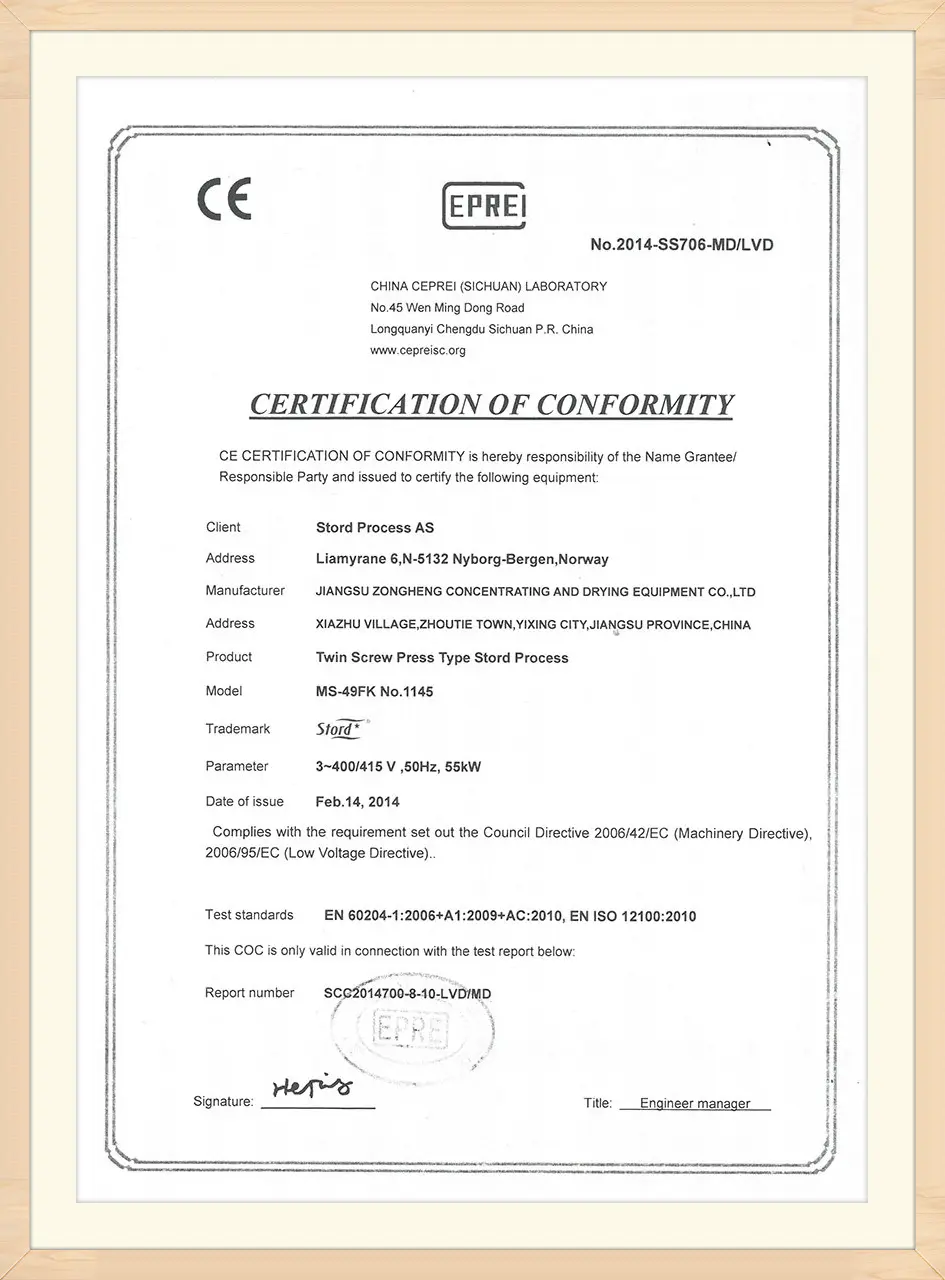
International buyers of heavy-duty evaporation plants face strict compliance requirements across different jurisdictions. Our engineering and manufacturing processes are aligned with global certification protocols:
We also configure evaporation machinery to match target factory standards. This includes adapting automation components to Siemens, Rockwell Automation, or ABB architectures, designing support structures to withstand local seismic and wind loads, and supplying certified non-destructive testing (NDT) documentation, including radiographic and ultrasonic weld testing reports.
Industrial thermal evaporation plants serve as the backbone for various sector-specific applications:
Over three decades of engineering innovation, international certification, and facility expansion.
Today, our facilities span over 54,000 m² of total land, with over 22,000 m² of high-bay production space. Our team includes 3 senior structural engineers, 20+ specialized application engineers, and 120 skilled technical staff, driving large-scale global projects.
Obtained international quality system certification (Certificate No.: 45021), establishing a structured quality assurance system aligned with modern manufacturing and inspection standards.
Acquired the ASME "U" Stamp authorization, validating our welding and metallurgical assembly procedures for pressure vessels destined for high-standard global markets.
Secured the Special Equipment Manufacturing License of the People's Republic of China (License No.: TS2232C42), authorizing the production of Category III pressure vessels.
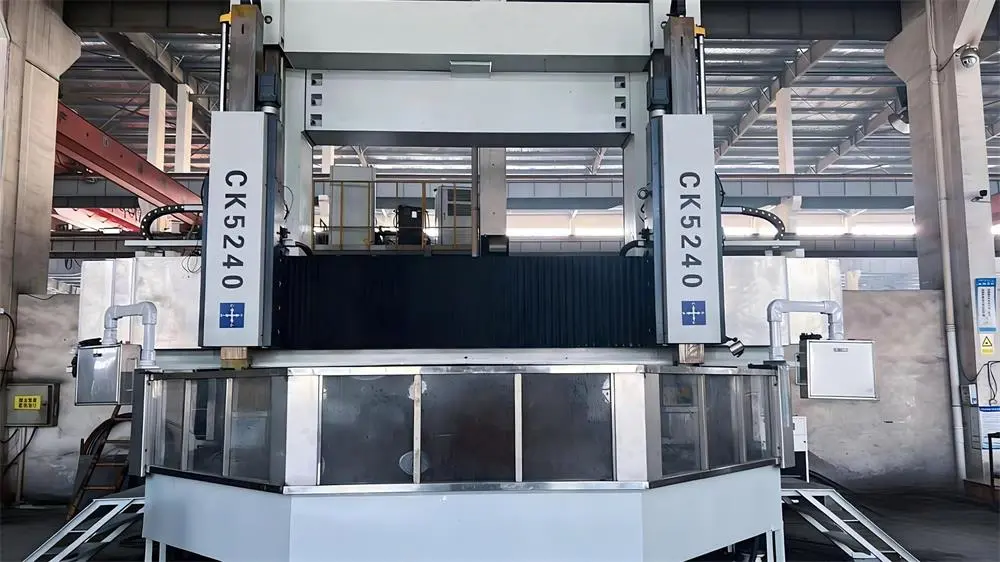
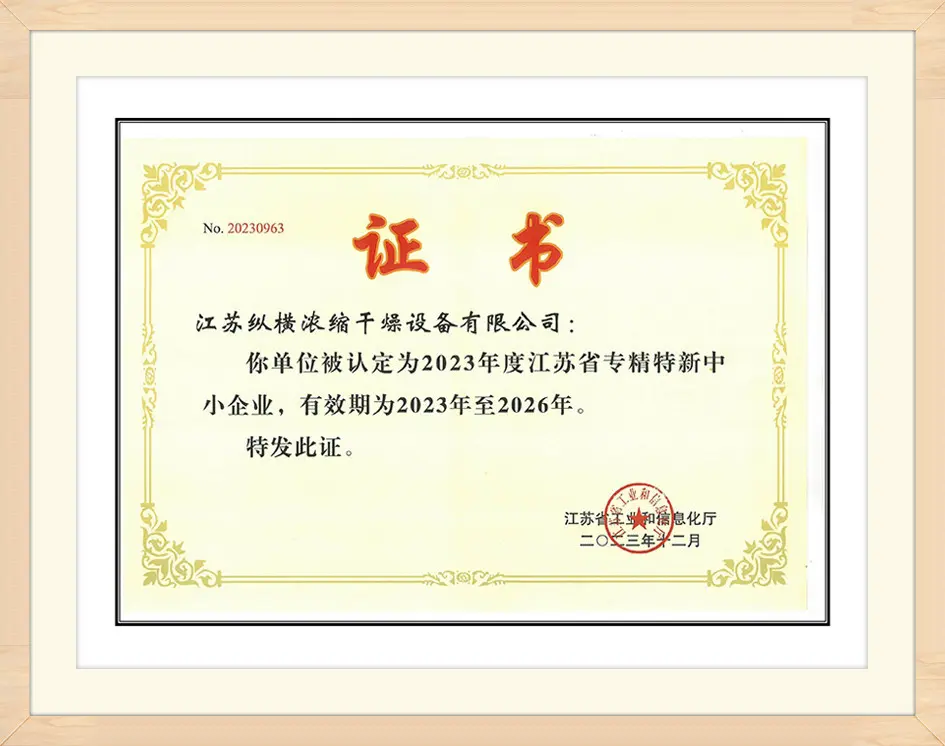
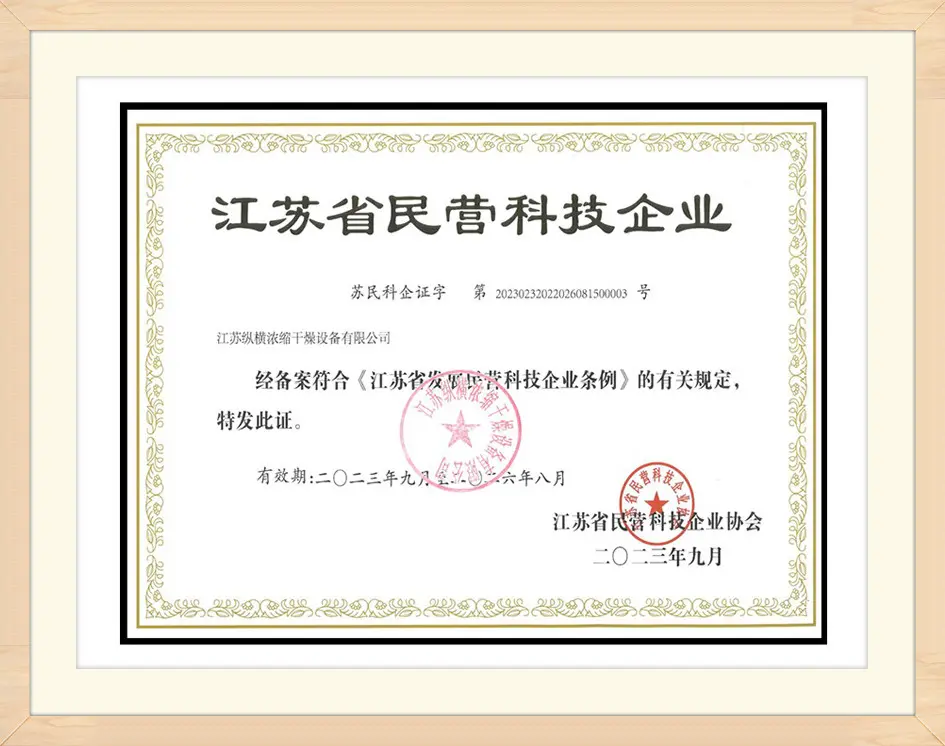
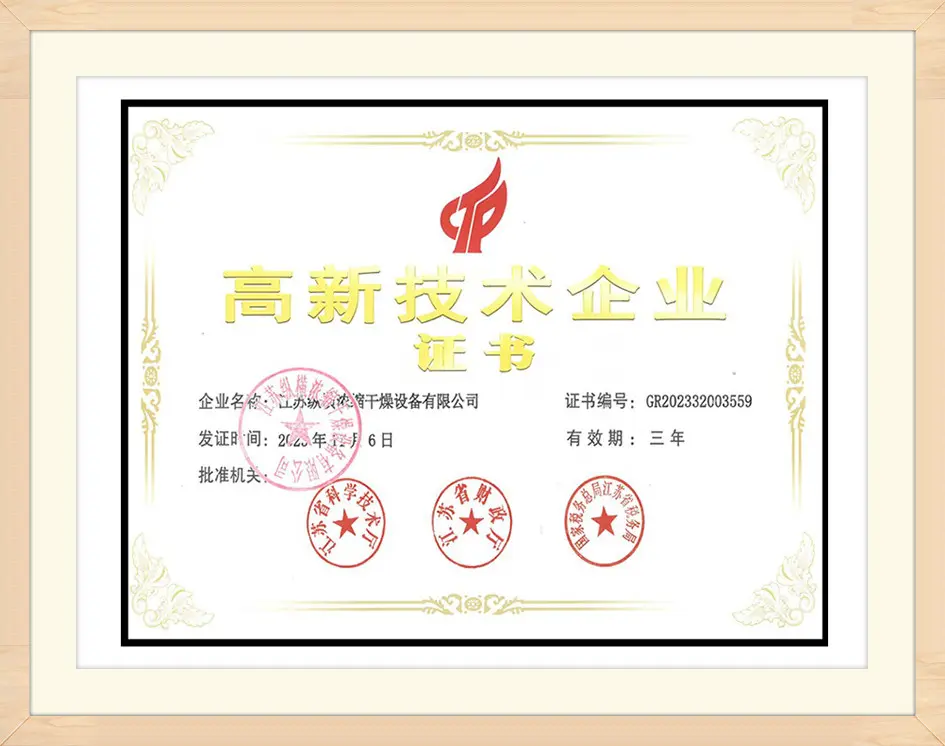
Formally recognized as a Jiangsu Provincial High-Tech Enterprise, following the introduction of energy-saving falling film evaporators and low-oxygen bundle dryer designs.
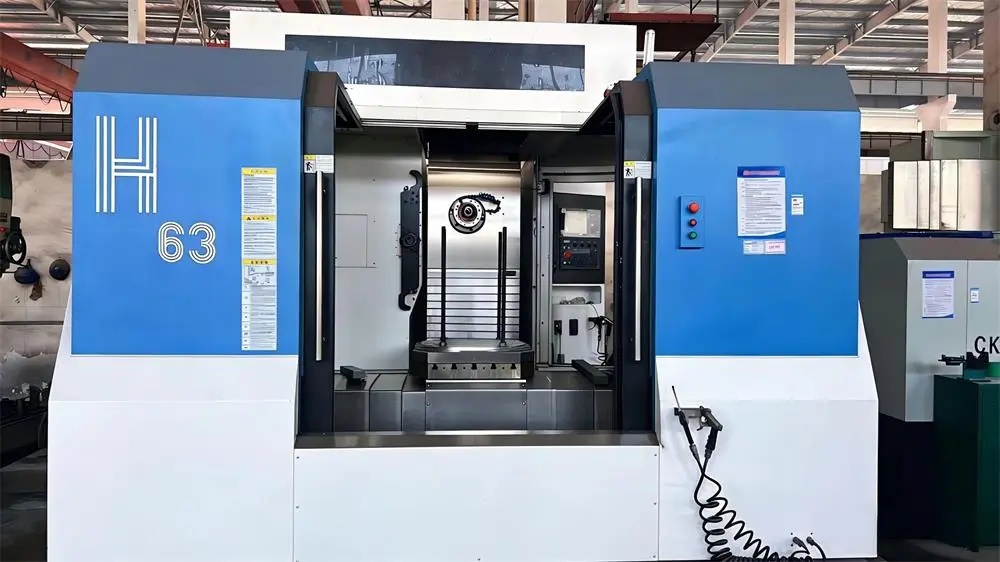
Obtained our initial ISO 9001 quality management system certification, formalizing quality checks from product design through to after-sales support.
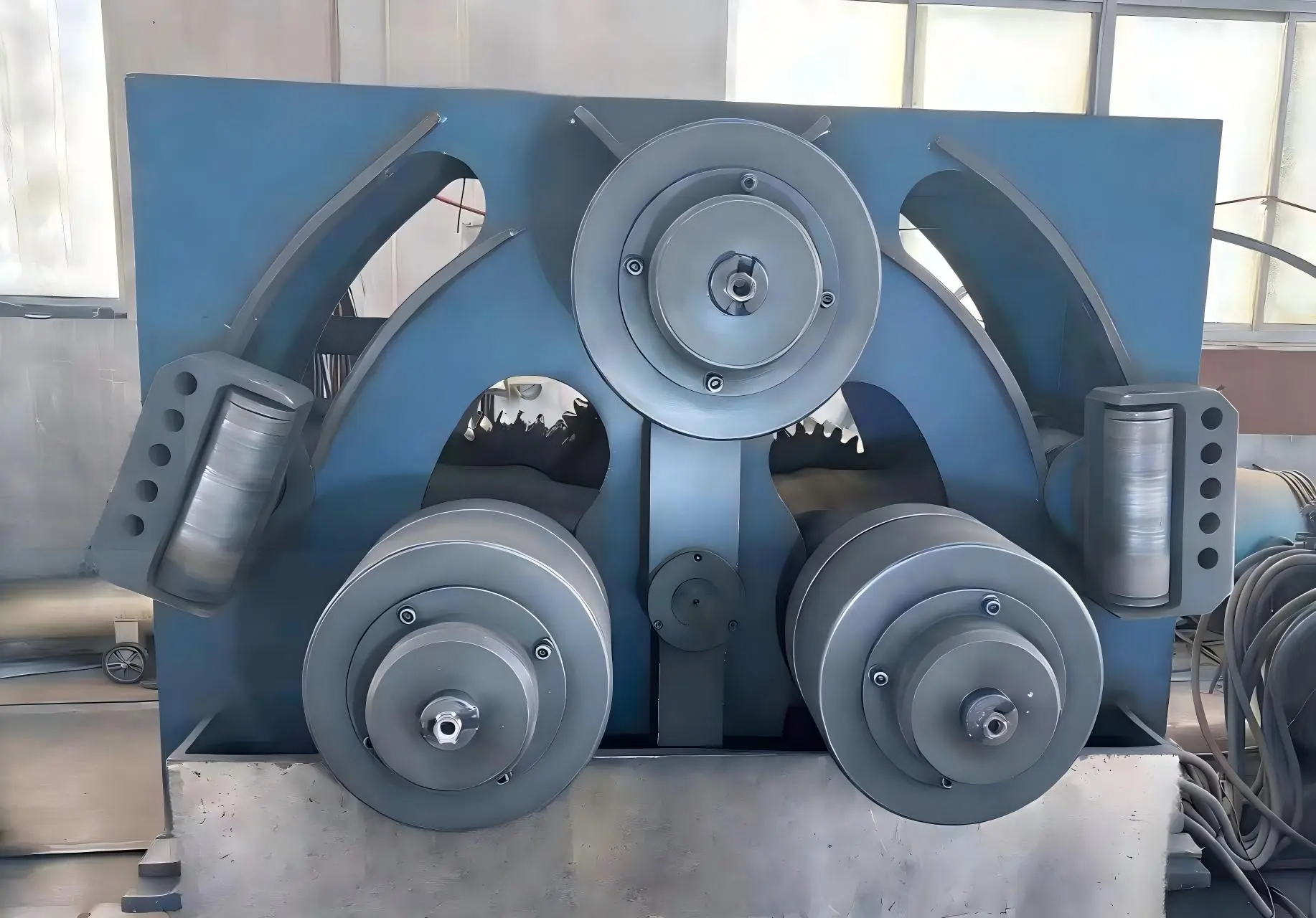
Founded as Yixing Yangxi Light Industry Machinery Factory, focusing on concentrating and drying systems for agricultural and light industrial applications in Eastern China.
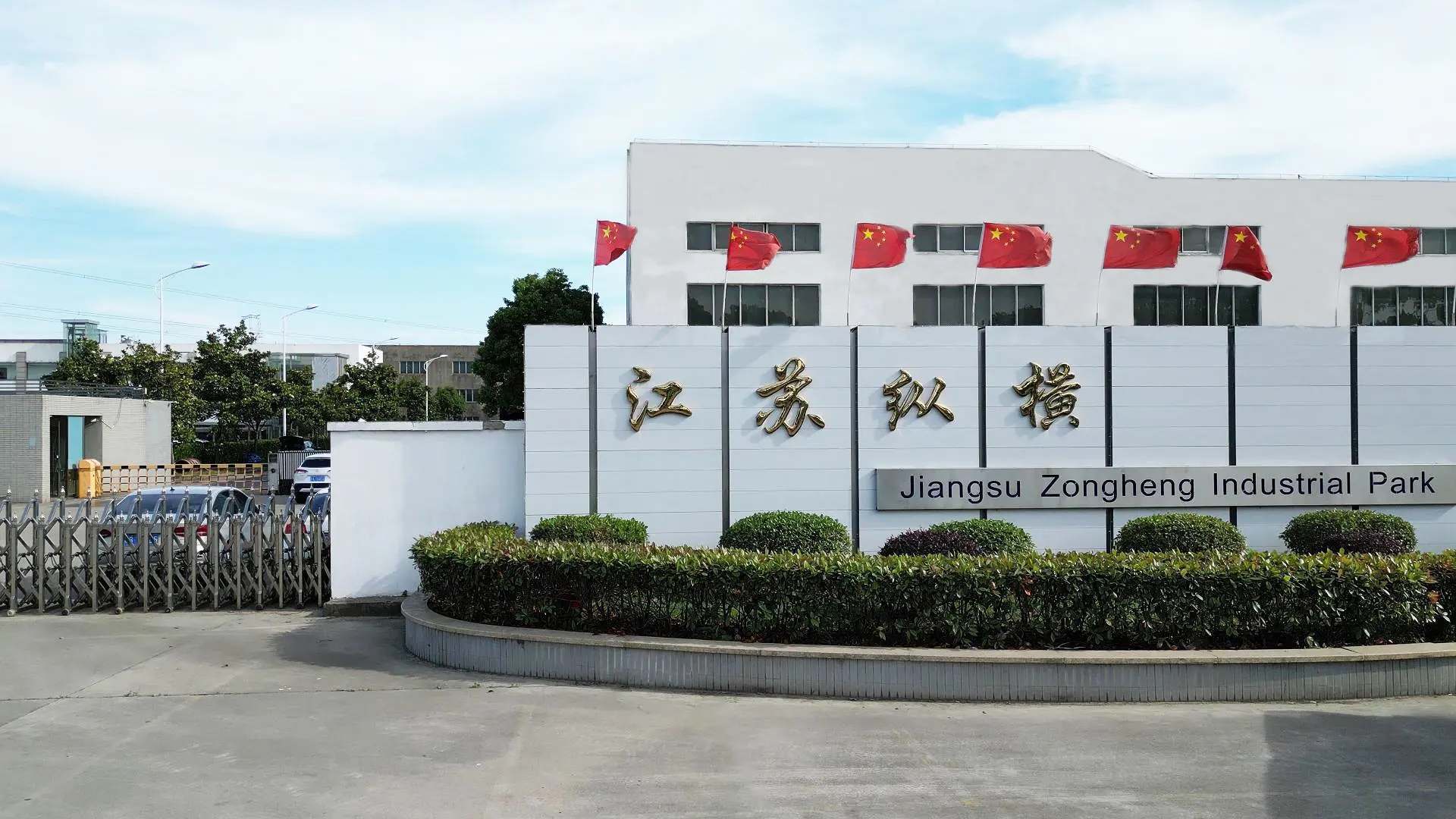
Our machinery is utilized globally in food processing, starch refineries, chemical synthesis, and environmental waste treatment.
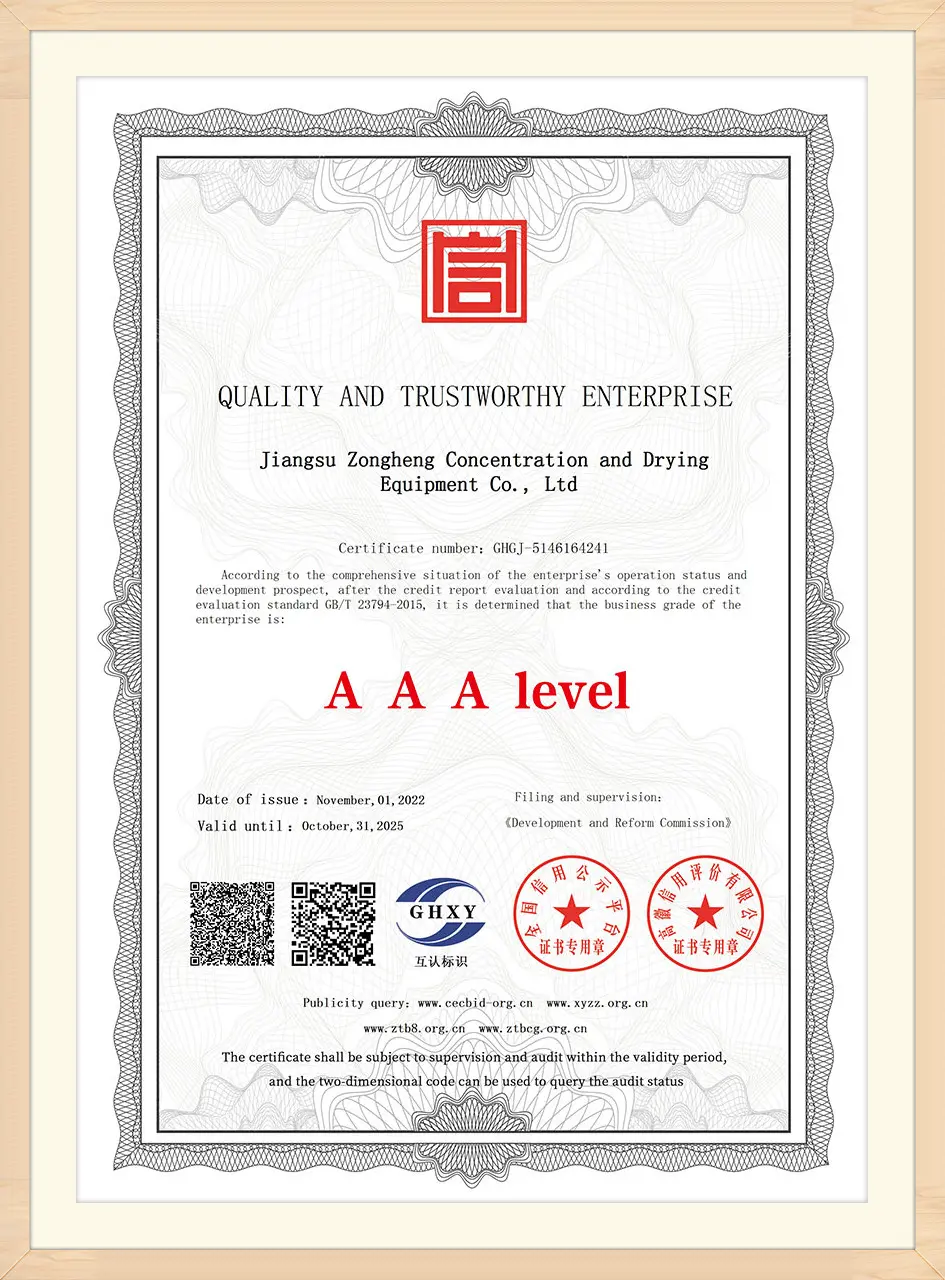
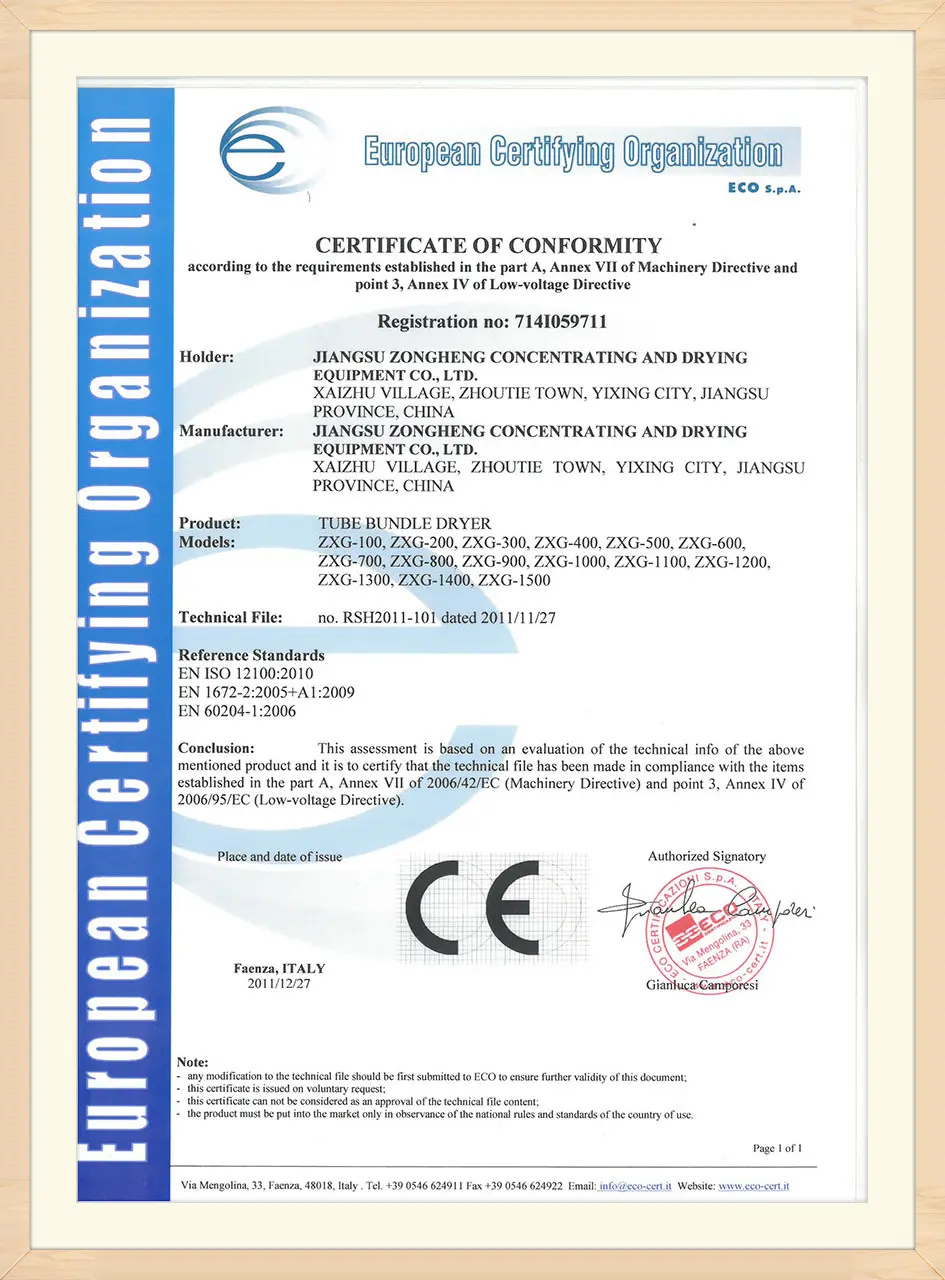
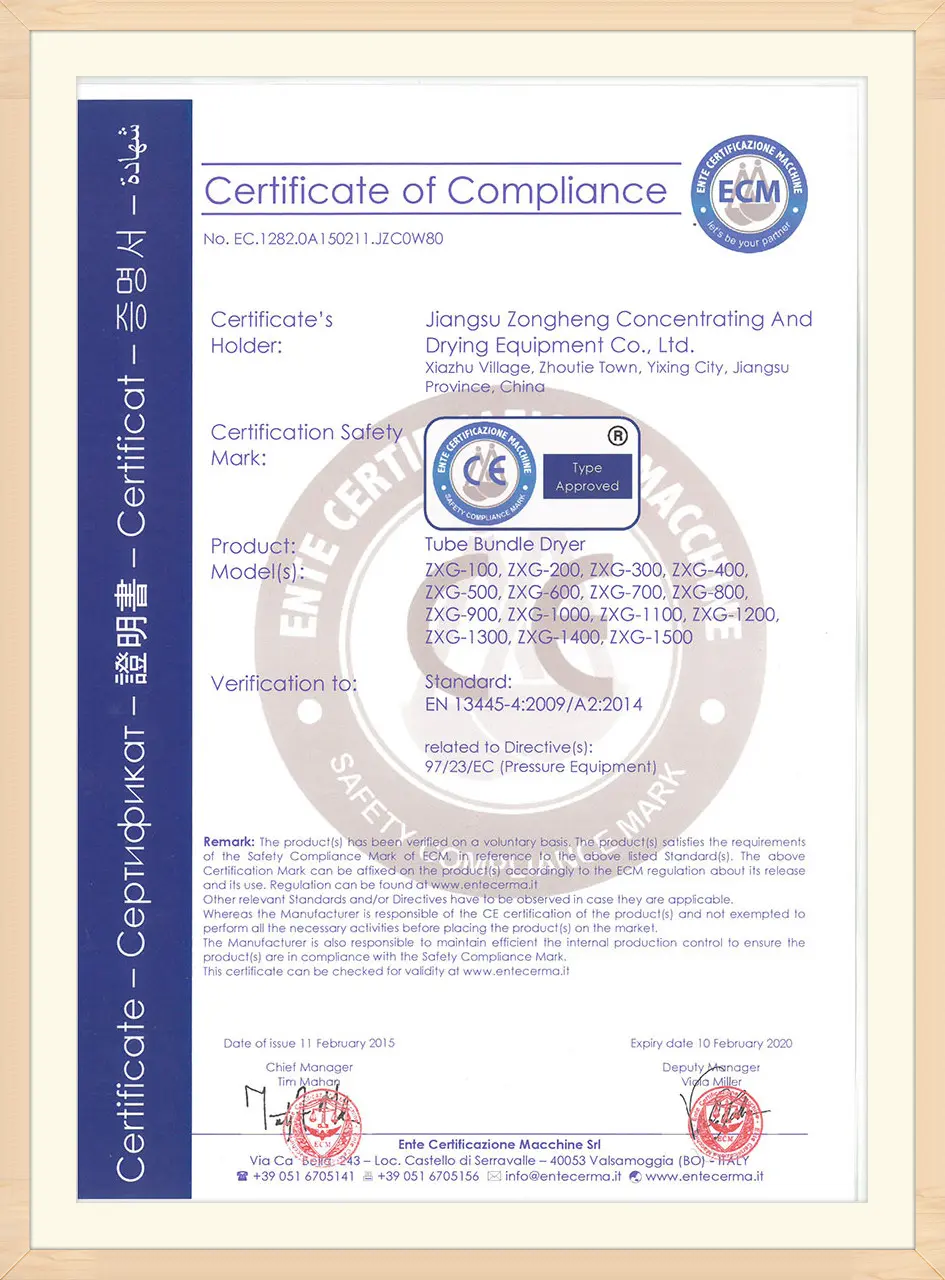
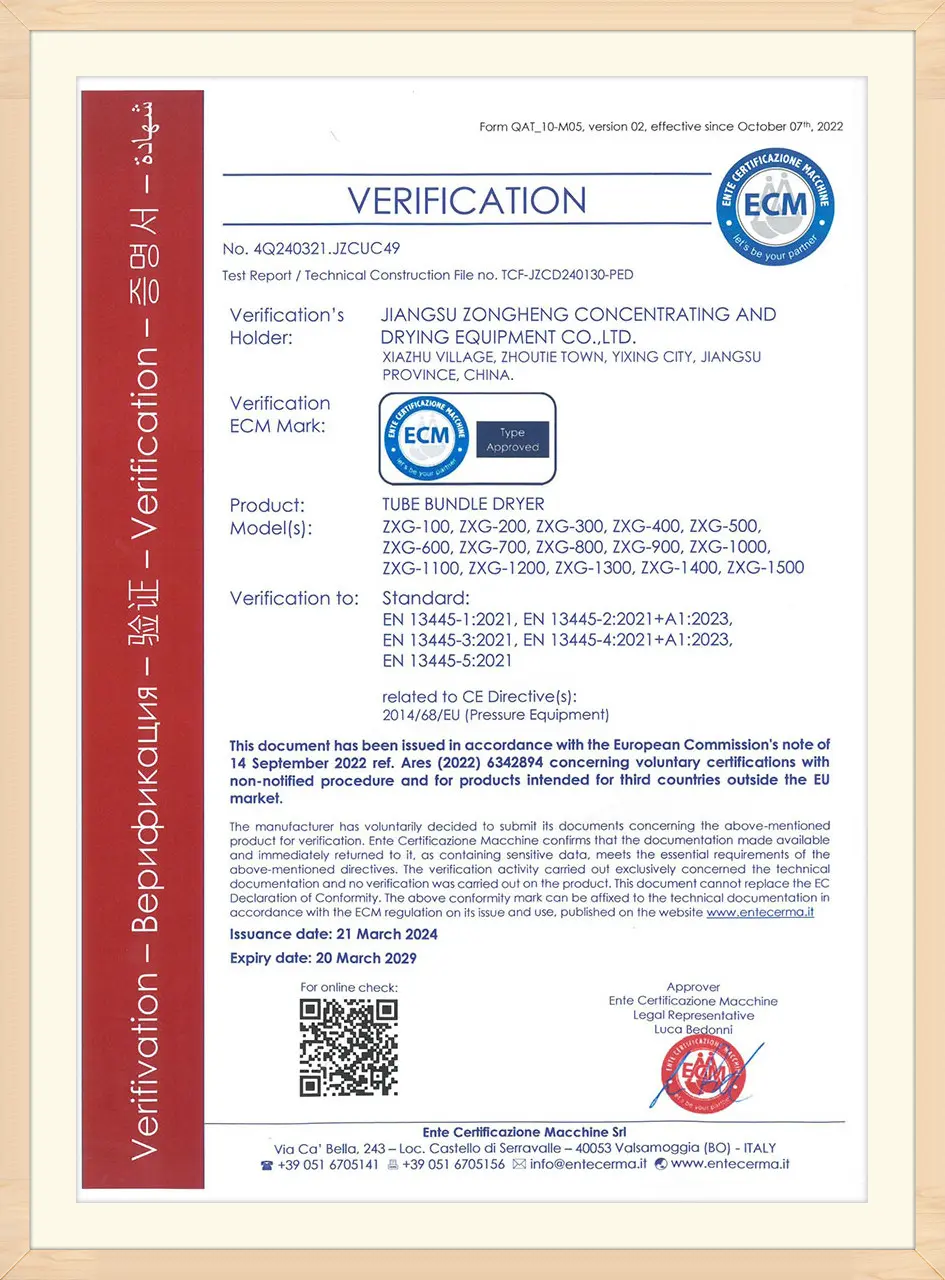
Our manufacturing processes are backed by verified design credentials and third-party inspection certifications.

At Jiangsu Zongheng, we maintain quality standards across our production lines. Every pressure vessel undergoes hydrostatic pressure testing, radiographic weld tests, and material verification. Our compliance with international quality frameworks is documented through certified quality management systems, allowing us to supply process equipment for complex chemical refinery and food production applications globally.
Clear, authoritative technical answers regarding our design practices, materials, and international logistics.
Our Mechanical Vapor Recompression (MVR) evaporators reuse the latent heat of secondary vapor by compressing it, reducing steam consumption to near zero during steady-state runs. This design lowers energy consumption by 70% to 80% compared to typical double-effect systems, with power usage generally ranging from 15 kWh to 25 kWh per ton of water evaporated, depending on the feed solution's boiling point elevation (BPE).
For high-chloride applications, we construct wet-contact surfaces using high-grade Titanium (Grade 2 or Grade 11) or Duplex Stainless Steel (2205 or 2507). Titanium forms a durable protective oxide film under high-velocity flow conditions, resisting pitting, stress corrosion cracking, and crevice degradation.
Yes. Jiangsu Zongheng holds the ASME "U" Stamp authorization, which is recognized across North America and globally. We construct vessels according to ASME Section VIII Division 1 guidelines and work with third-party inspection bodies to supply certified testing documentation, including radiographic and hydrostatic test certificates.
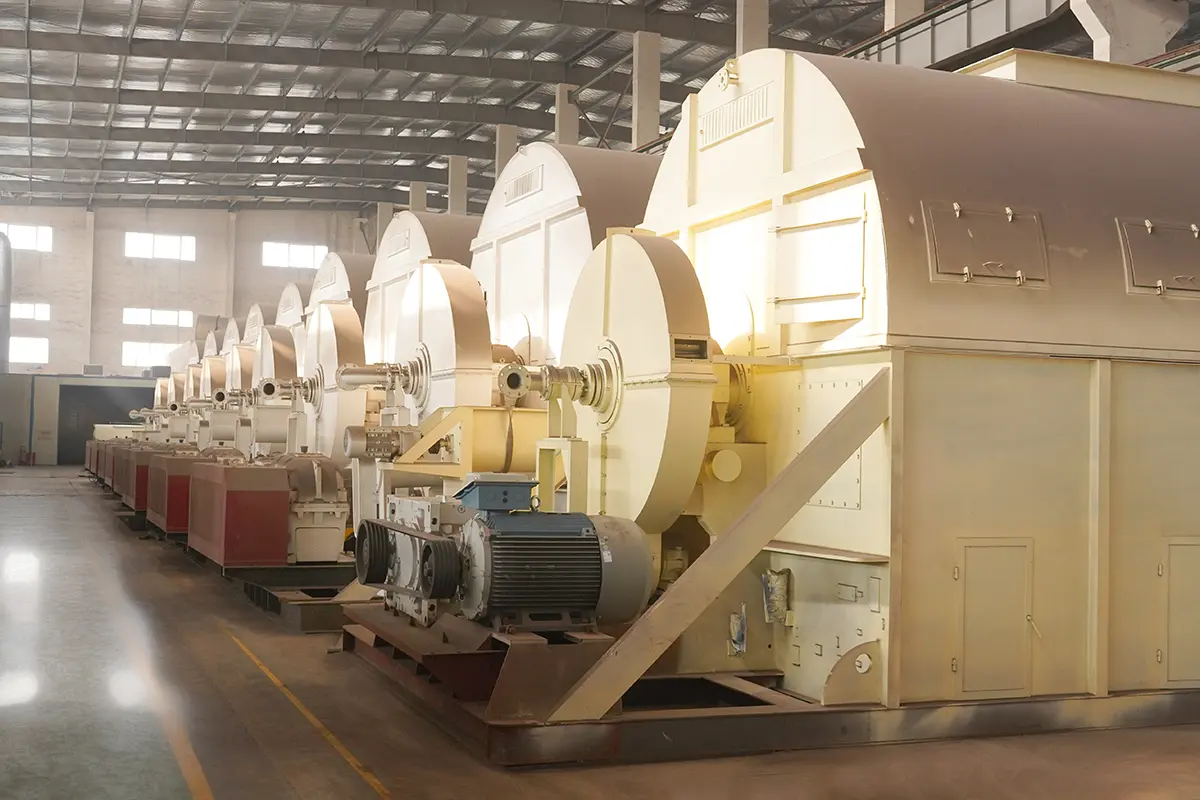
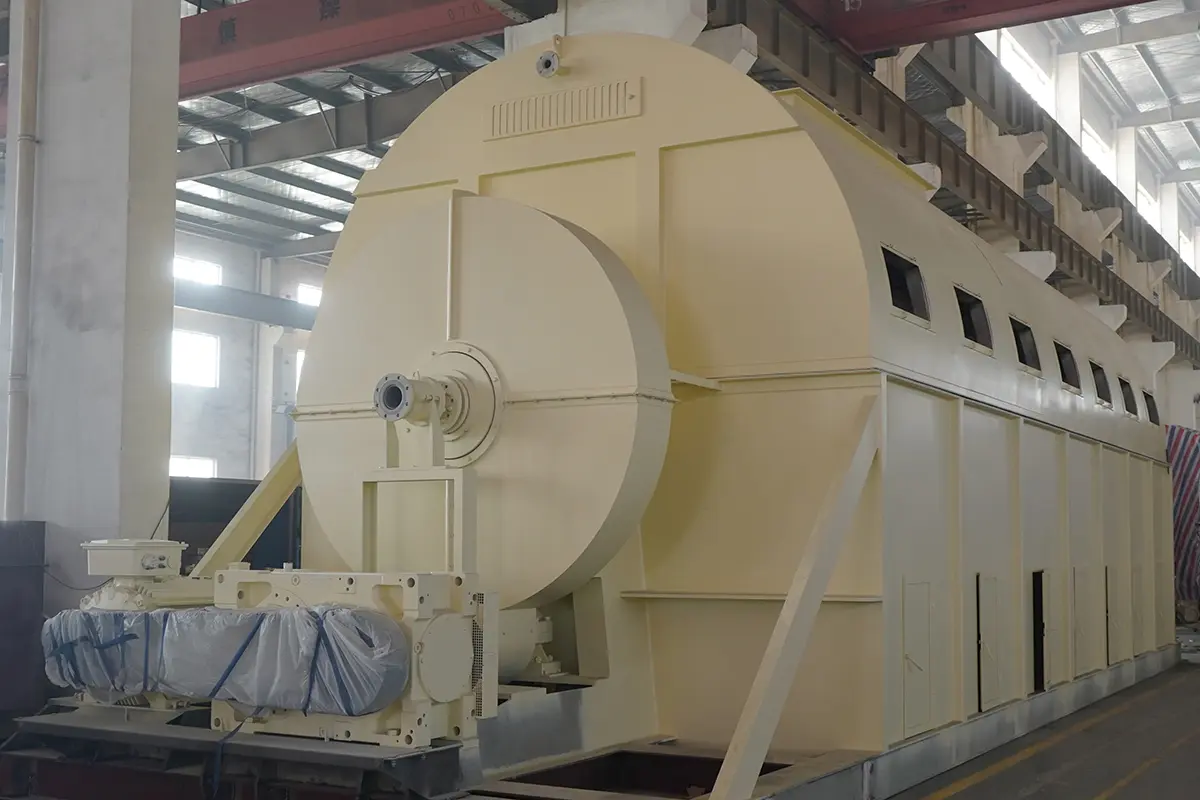
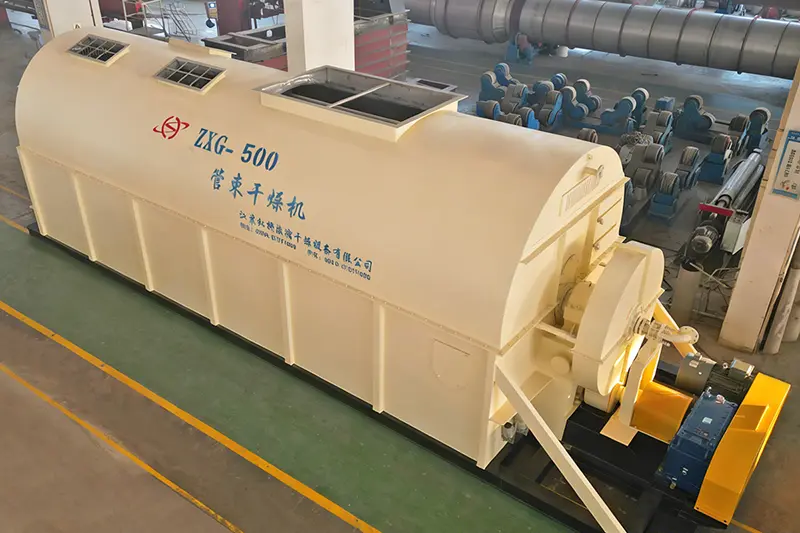
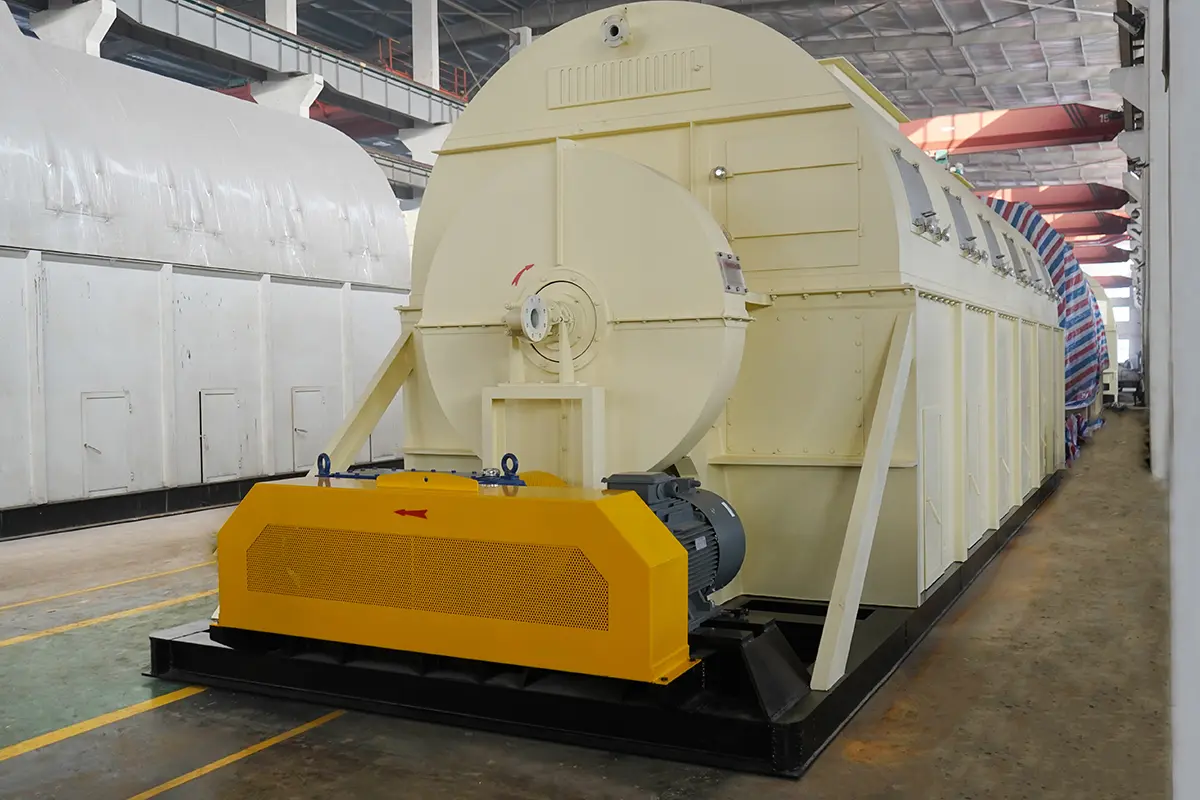
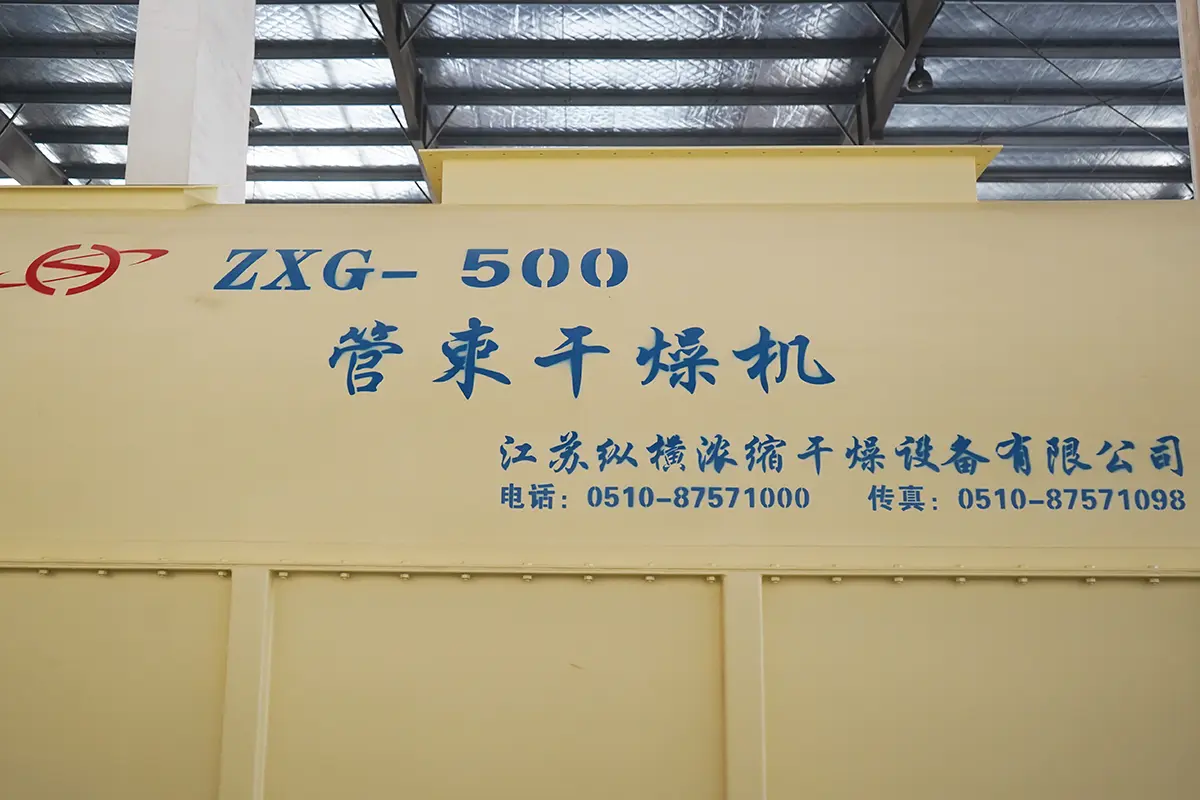
Our ZXG Tube Bundle Dryers are built with thickened heat-exchanging tubes and heavy-duty structural steel frames. With proper steam quality control and routine maintenance—such as periodic tube cleanings and bearing lubrication—our bundle dryers typically achieve a service life exceeding 15 to 20 years in continuous starch or DDGS production environments.
Yes. Our engineering division conducts structural fitment checks and designs skid-mounted evaporation systems for existing plant footprints. We model connections using 3D CAD platforms to ensure new piping, electrical systems, and structural framing align with your site's physical layout and control system protocols.
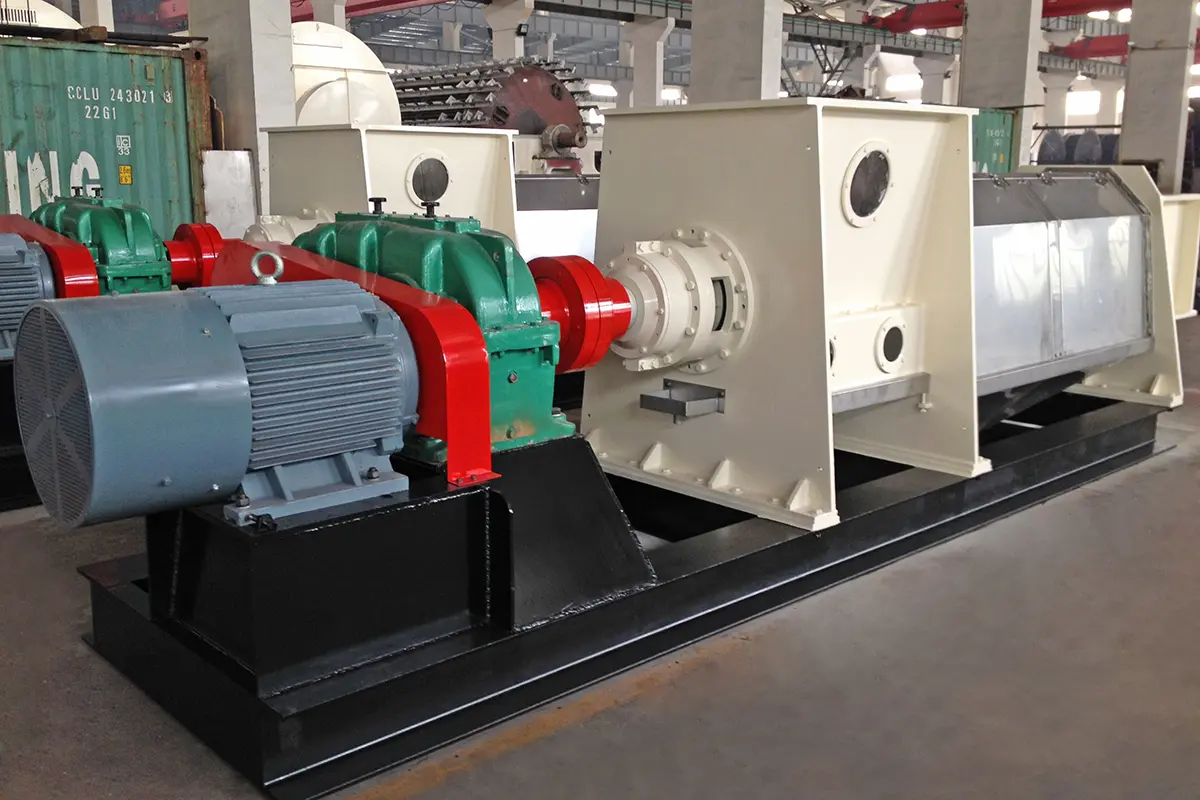
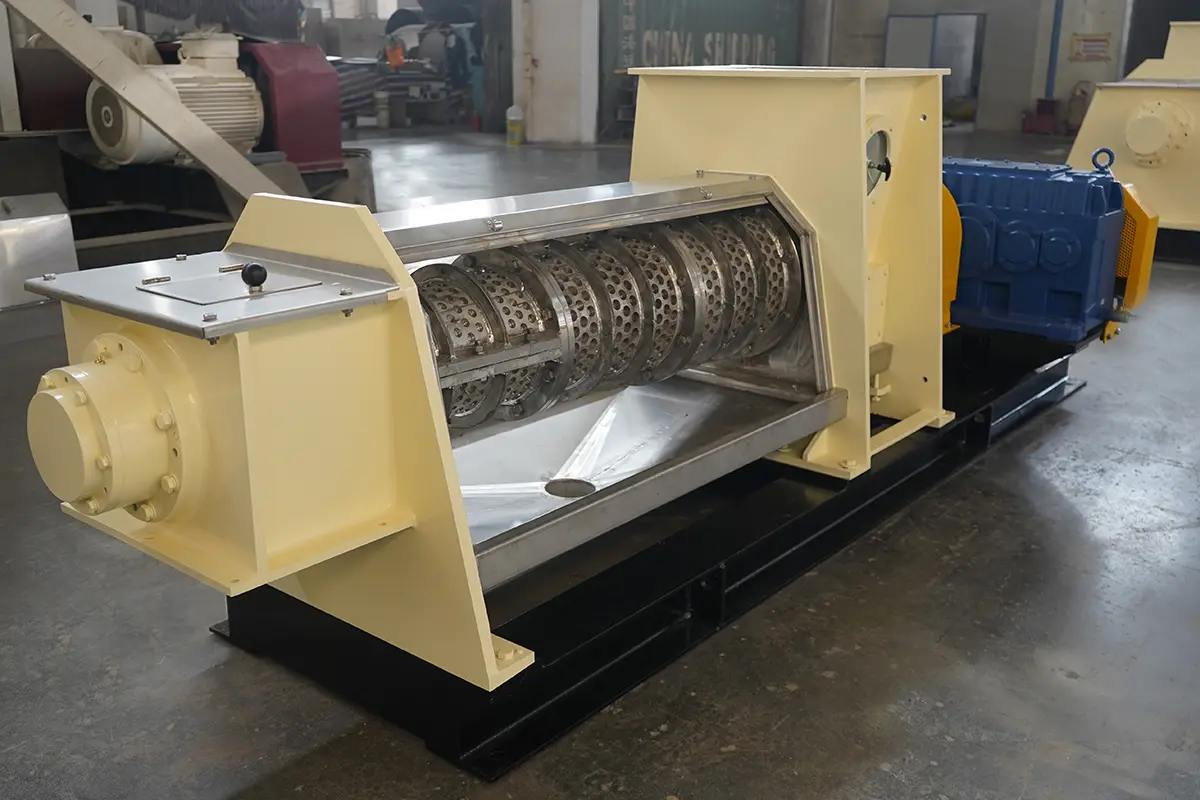
Our Single Screw Press handles input slurries with initial moisture contents up to 85% to 90%, dewatering corn fiber, germ, and similar organic solids down to 55% to 60% cake moisture. This performance is achieved through high-torque helical gearing and optimized screen basket designs, significantly reducing the energy required for downstream thermal drying.
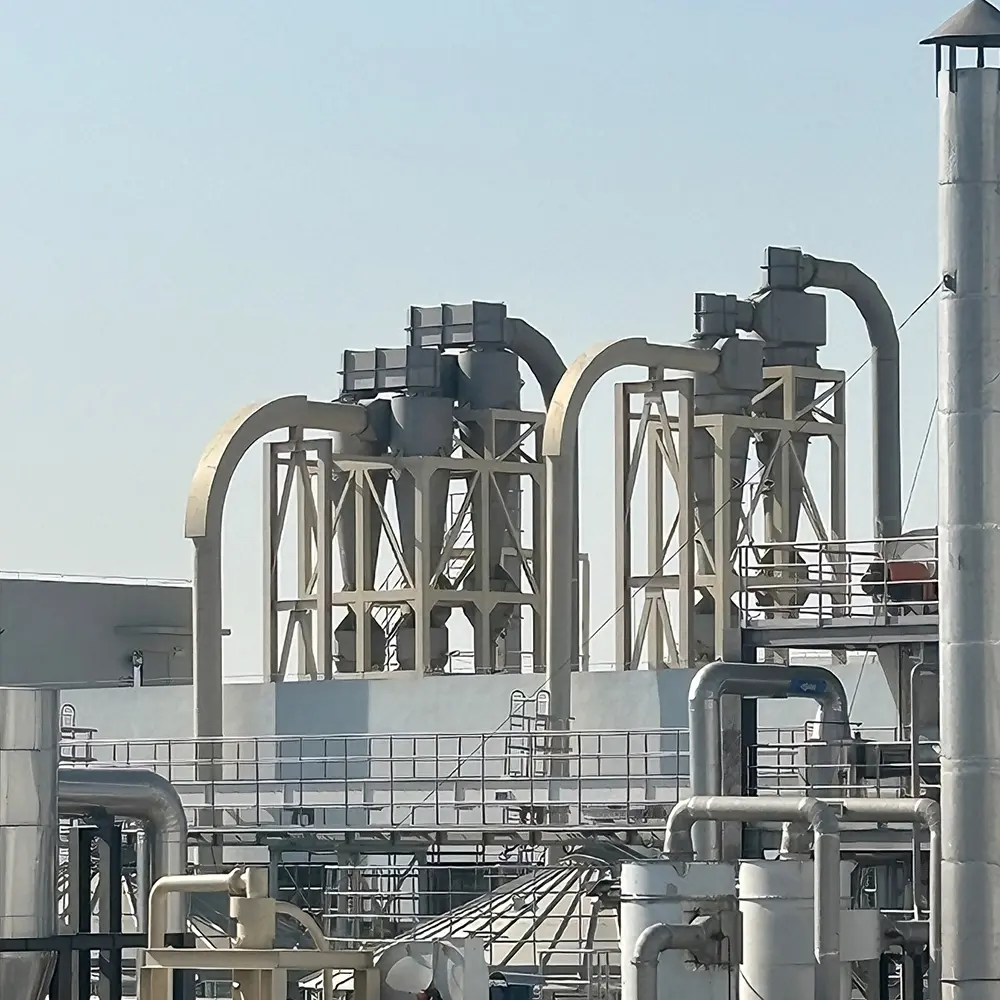
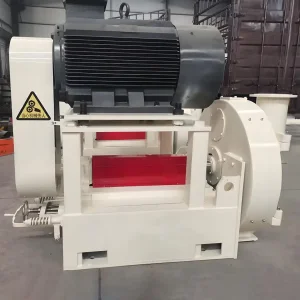
Explore our specialized dryer plants, starch washing cyclones, and precision germ mill machines for dry mill extraction and processing lines.
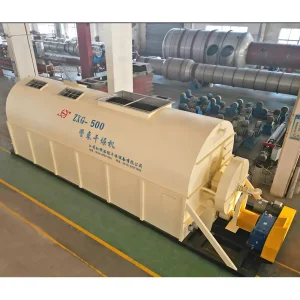
We welcome partners from all industrial sectors to explore custom thermal concentration and mechanical drying options. Let our design division engineer a system tailored to your technical requirements.
Contact our engineering and procurement office in Yixing, China, for comprehensive technical layouts, material specifications, and mechanical options.
 Zongheng