Advanced Concentration, Separation & Drying Machinery
Industrial Evolution, Trends, and Advanced Refining Technology
In modern wet milling industries, the extraction and purification of starch from botanical sources such as corn (maize), cassava (tapioca), potato, wheat, and sweet potato demand extremely precise solid-liquid separation. The starch hydrocyclone represents the mechanical heart of this separation process. Historically, starch factories relied on bulky, high-maintenance centrifuges to concentrate and wash starch slurries. However, the development of multicyclone systems—specifically miniaturized, highly parallelized cyclone assemblies—has completely transformed the global industrial landscape.
Currently, the global demand for high-purity starch is escalating, driven by the expansion of downstream applications. These include modified food starches, bio-plastics (such as PLA), sweeteners (HFCS), paper manufacturing additives, and pharmaceutical excipients. Industrial manufacturers face the dual challenges of maximizing starch recovery index (minimizing starch loss in waste streams) and minimizing fresh water usage. A key development is the configuration of multi-stage hydrocyclone washing systems, which typically range from 6 to 12 stages in potato starch processes and up to 12 to 18 stages in corn starch systems. This configuration allows for counter-current washing, enabling plants to produce premium Grade-A starch while significantly reducing the fresh water consumption footprint.
Three prominent trends are shaping the future of starch hydrocyclone engineering and supplier demands:
Performance details of core evaporation and drying setups
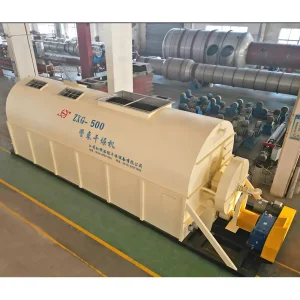
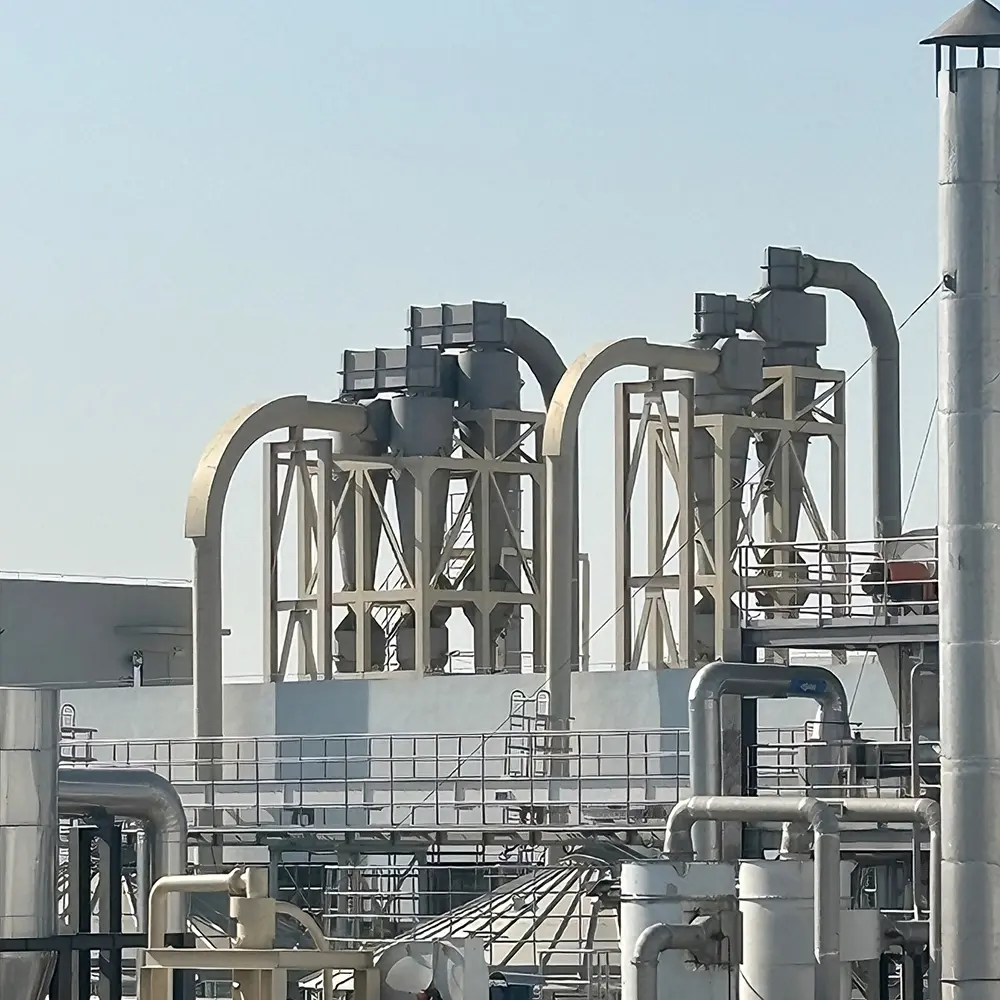
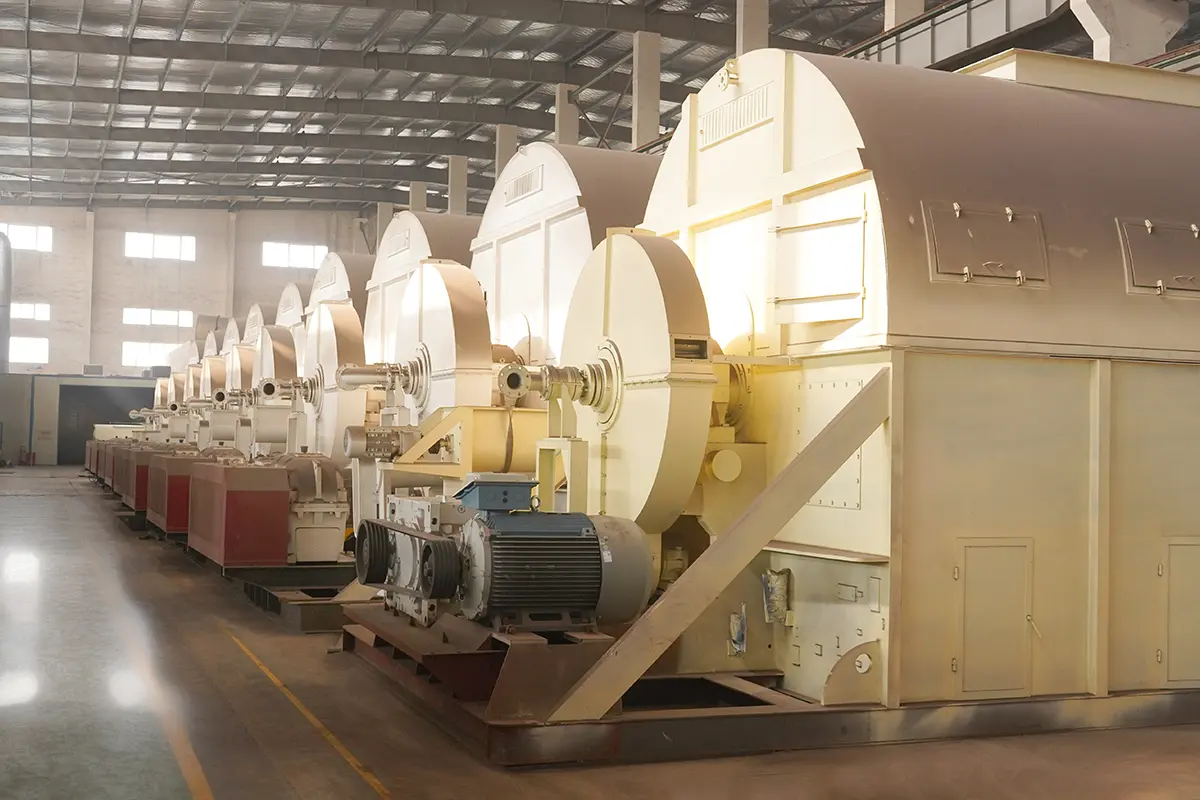
Jiangsu Zongheng's MQG Airflow Dryer employs high-speed hot air to suspend and fluidize damp materials. By utilizing impulse airflow generated from precisely varied tube diameters, it continuously tumbles the particles while conveying them. This design ensures rapid, uniform, and efficient drying throughout the entire transportation process within the system. It is ideal for the rapid dehydration of starches, proteins, and fibers.
The integration of this airflow technology with upstream hydrocyclone washing loops creates a highly synchronized starch line, minimizing wet cake accumulation and thermal degradation of starch molecules.
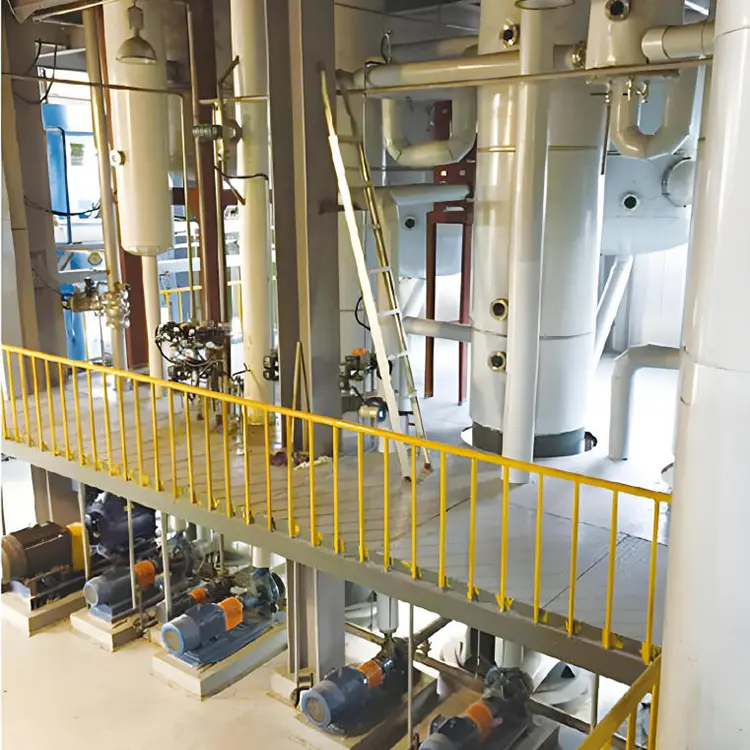
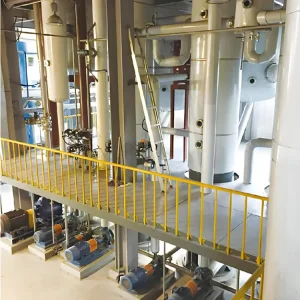
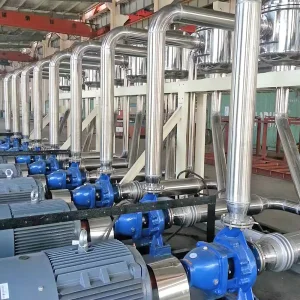
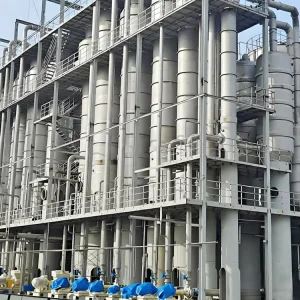
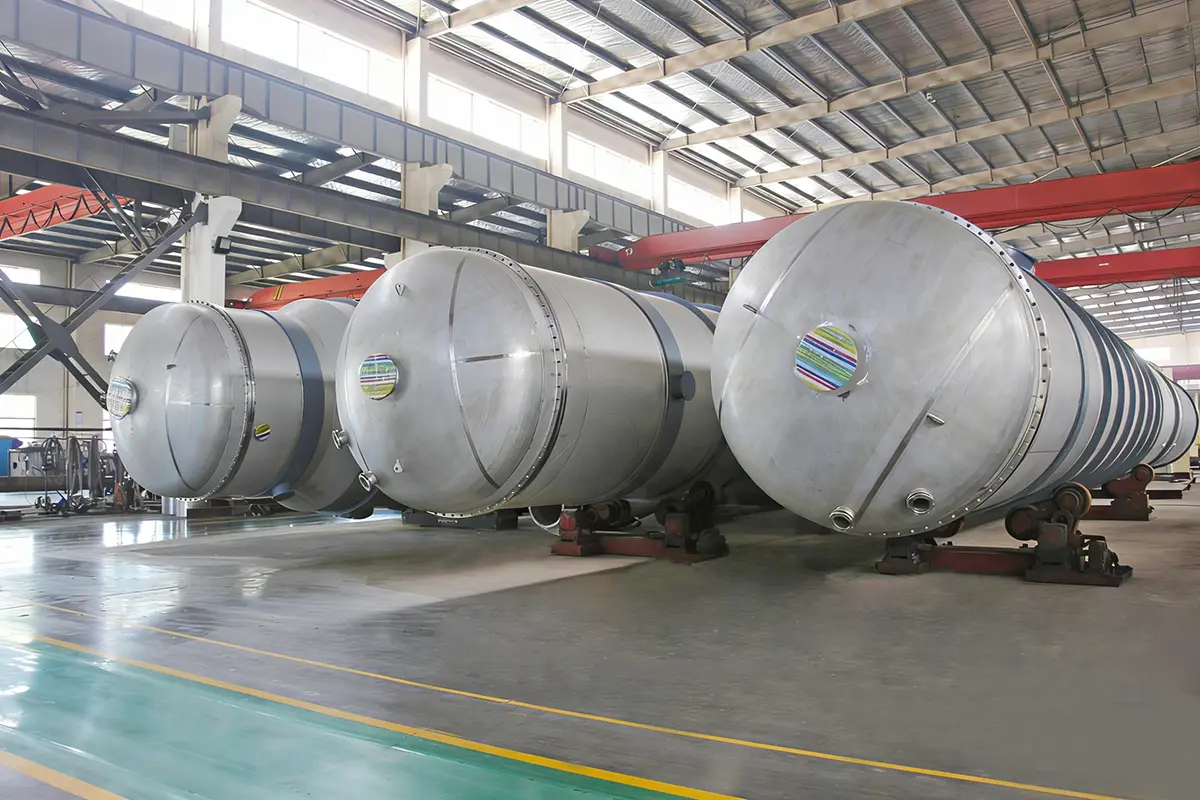
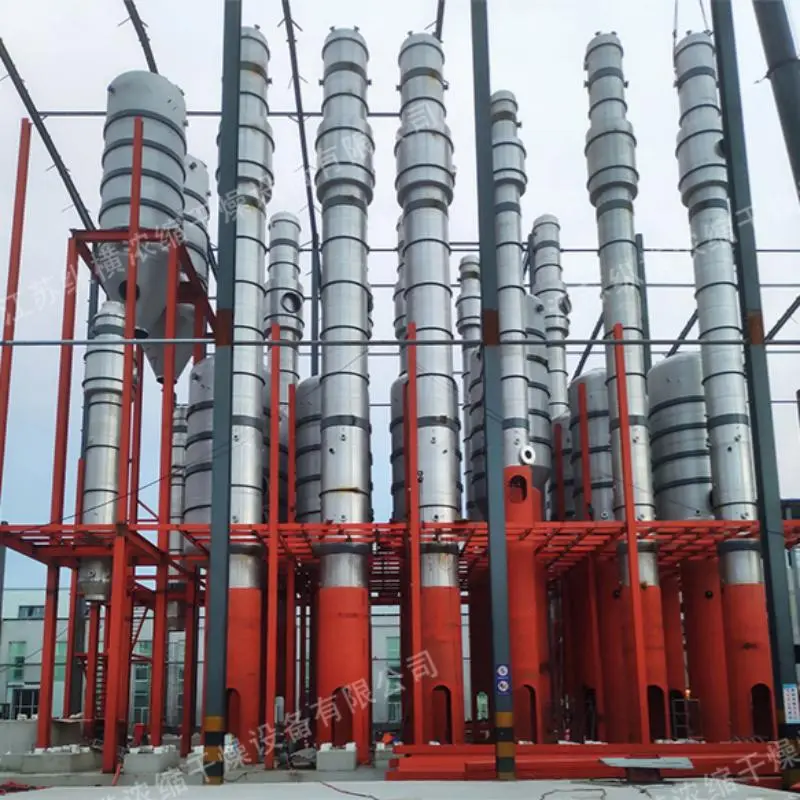
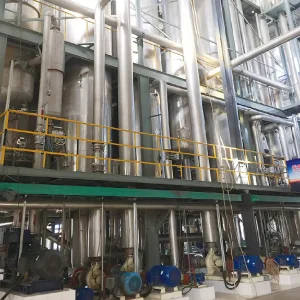
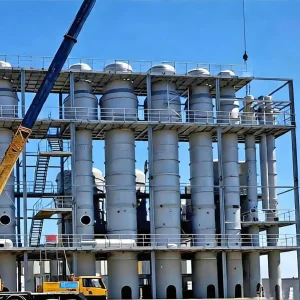
A falling film evaporator efficiently concentrates heat-sensitive liquids. The feed liquid forms a thin film flowing down heated vertical tubes, where it partially evaporates. Vapor generated flows parallel to the liquid, enhancing the process. It ensures a short residence time and low operating temperature, preserving product quality.
The system requires proper liquid distribution and complete surface wetting to prevent fouling and maintain high thermal efficiency and operational stability. It is ideal for treating steep water or concentration processes within DDGS lines.
The processing profile of starch varies widely by region, requiring custom setups for hydrocyclone stations:
The development of next-generation starch washing systems focuses on three main engineering goals:
Decades of Scale, Engineering Depth, and Manufacturing Rigor
A Journey of Technological Evolution Since 1992
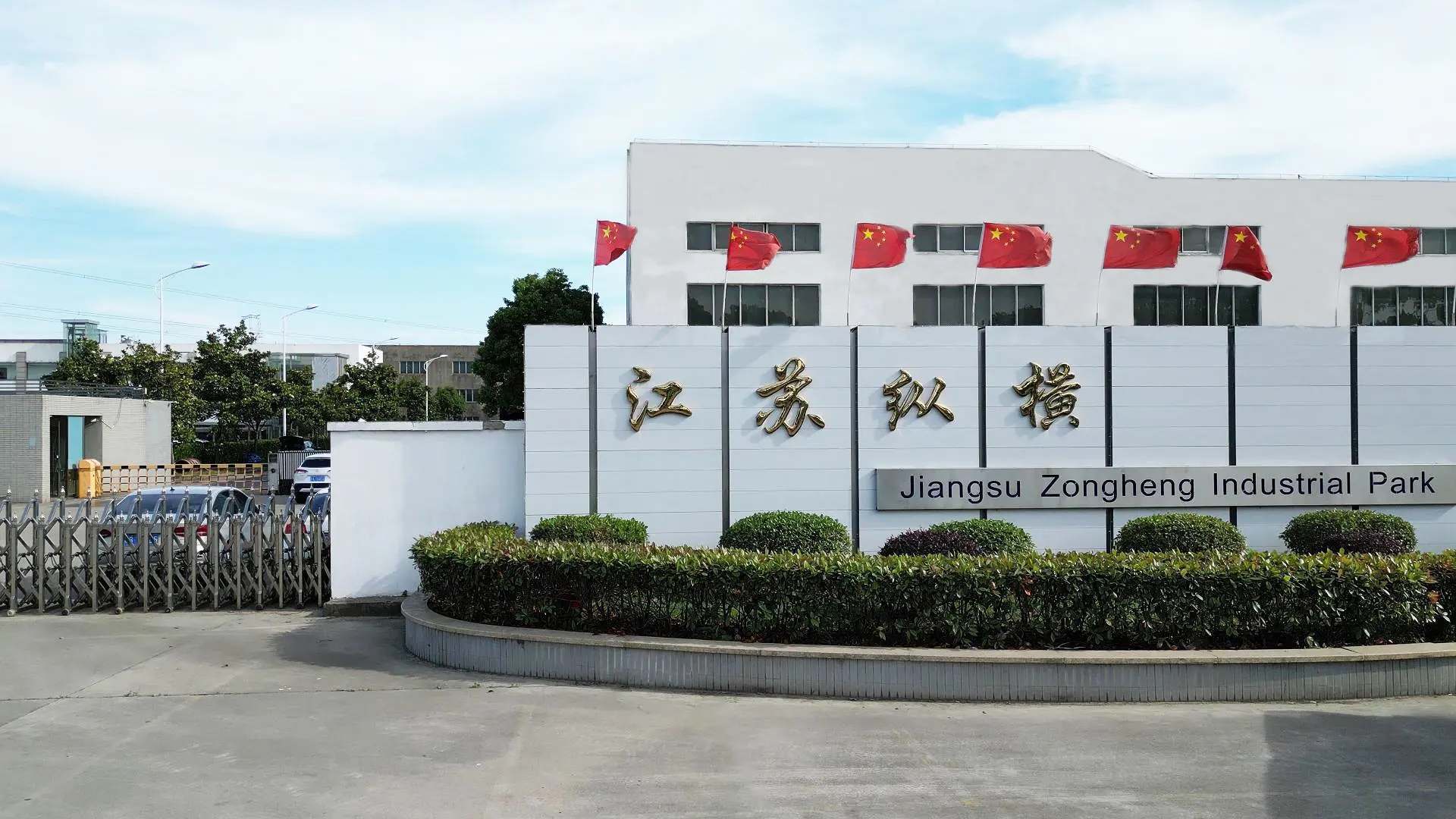
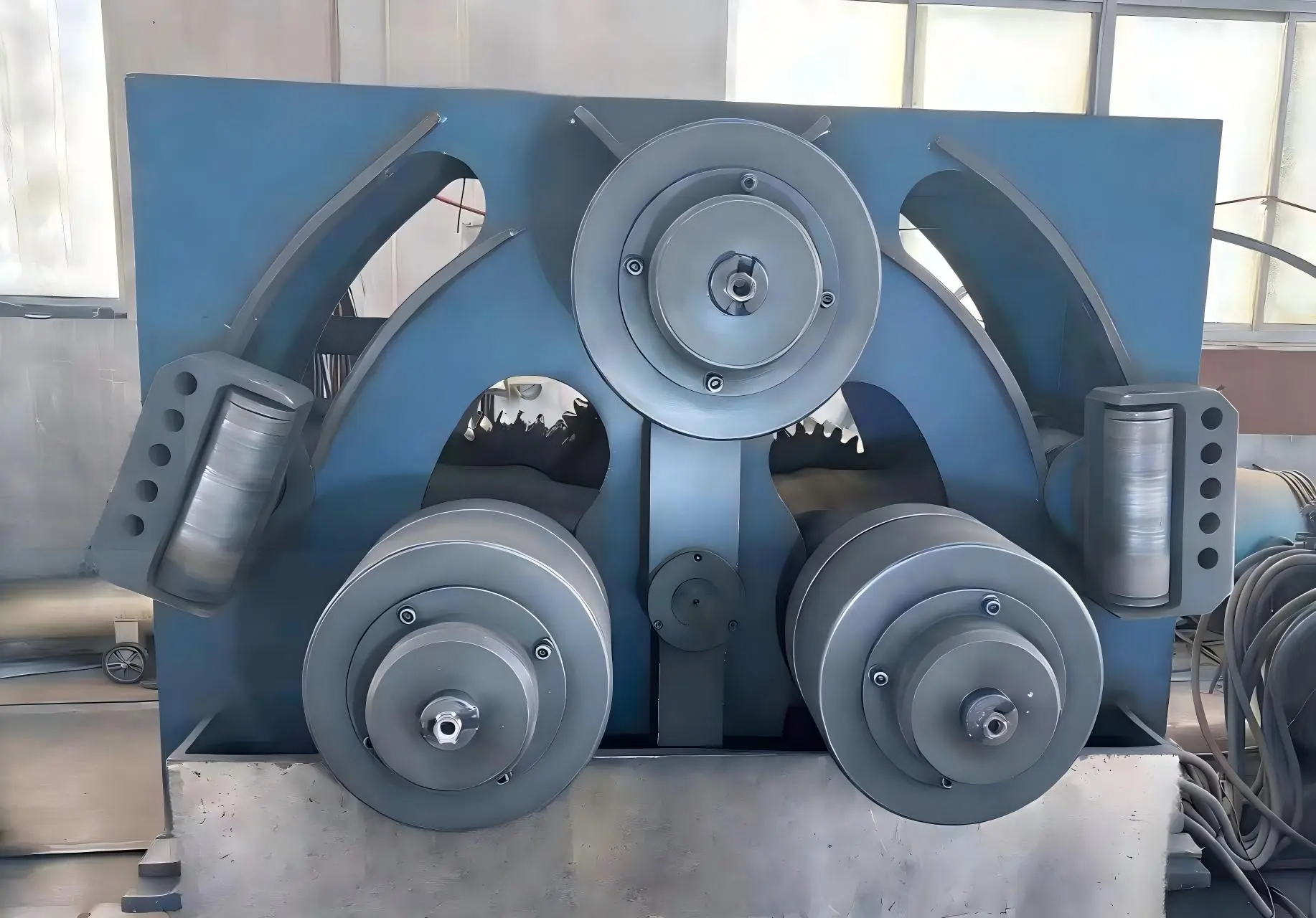
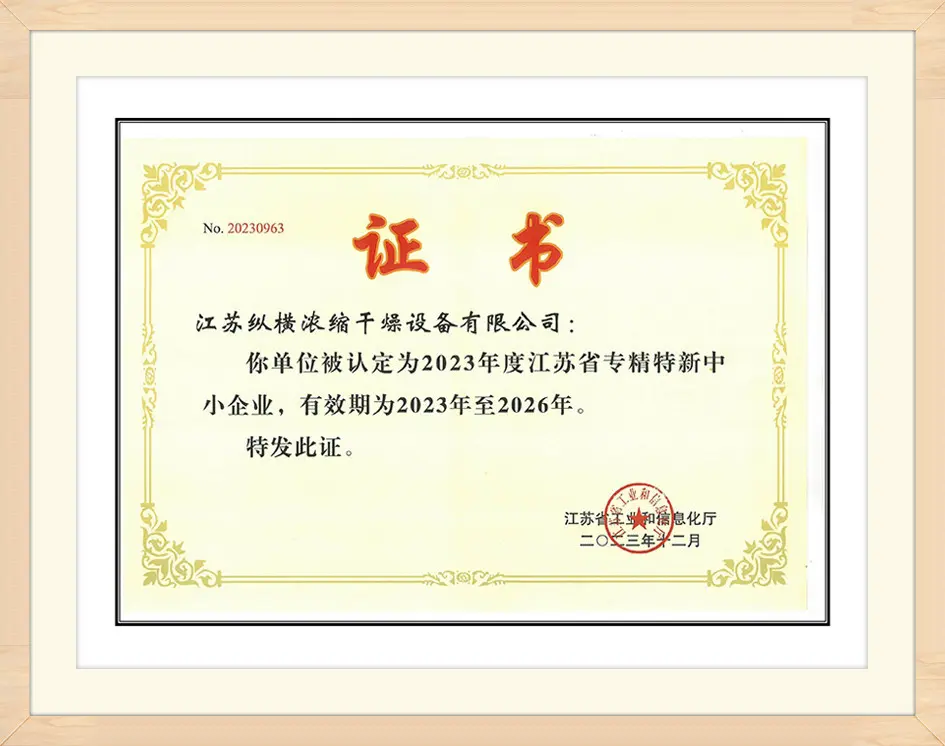
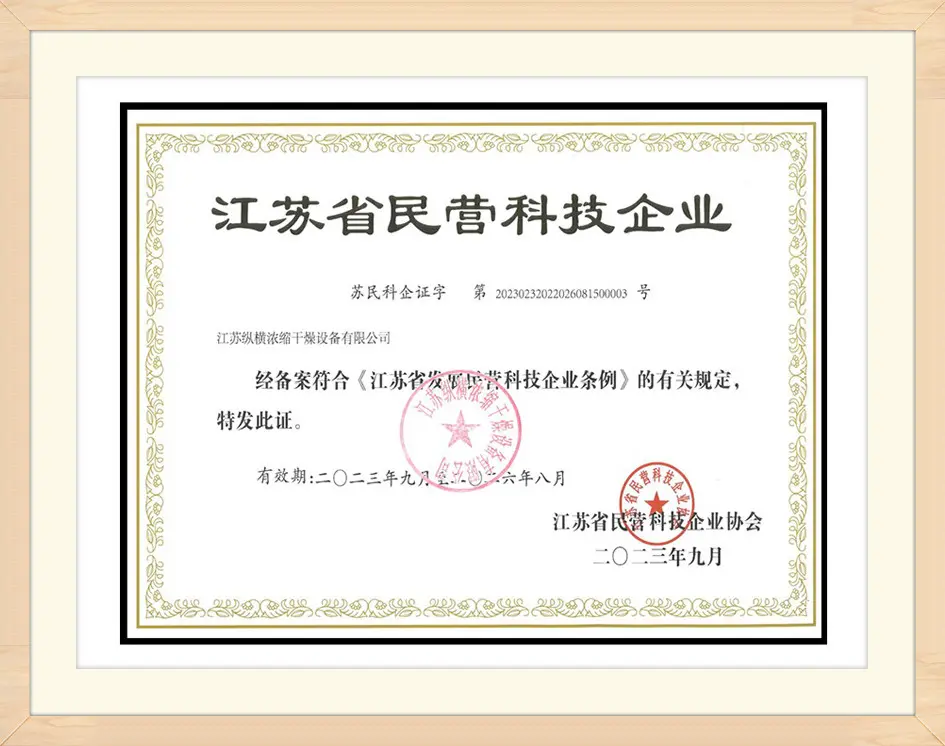
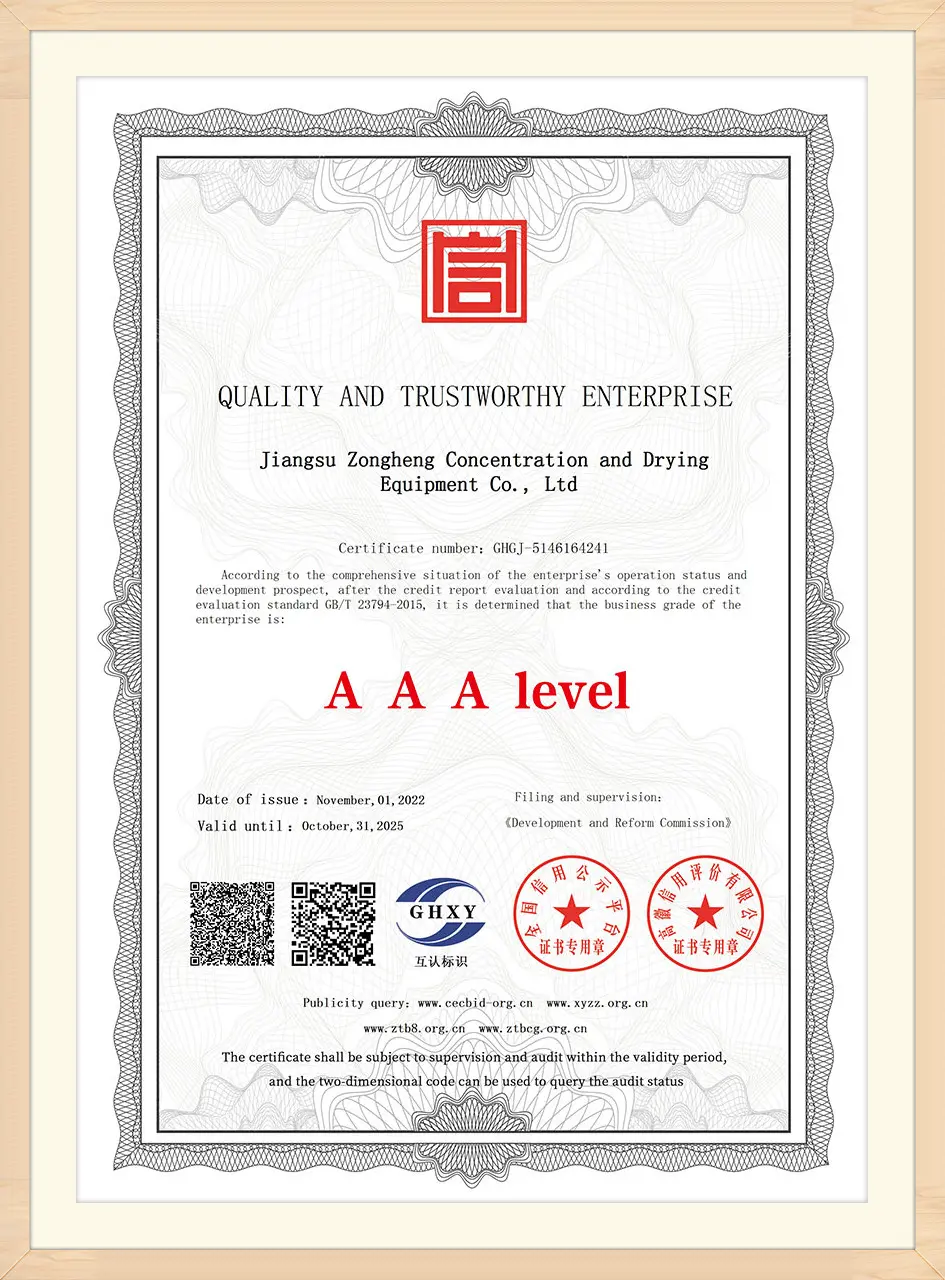
Jiangsu Zongheng Concentrating and Drying Equipment Co., Ltd. (formerly Yixing Yangxi Light Industry Machinery Factory), founded in 1992, is situated in Zhoutie Town, Yixing City, along the shores of Taihu Lake. As a modern high-tech enterprise, we specialize in the design and manufacture of advanced industrial equipment for concentration, drying, starch refining, starch hydrocyclones, alcohol DDGS systems, and Category III medium & low-pressure vessels.
As a member of the China Starch and Alcohol Association, Zongheng designs and delivers systems used worldwide in food fermentation, starch refining, chemical processing, pharmaceuticals, wastewater treatment, and petrochemical plants.
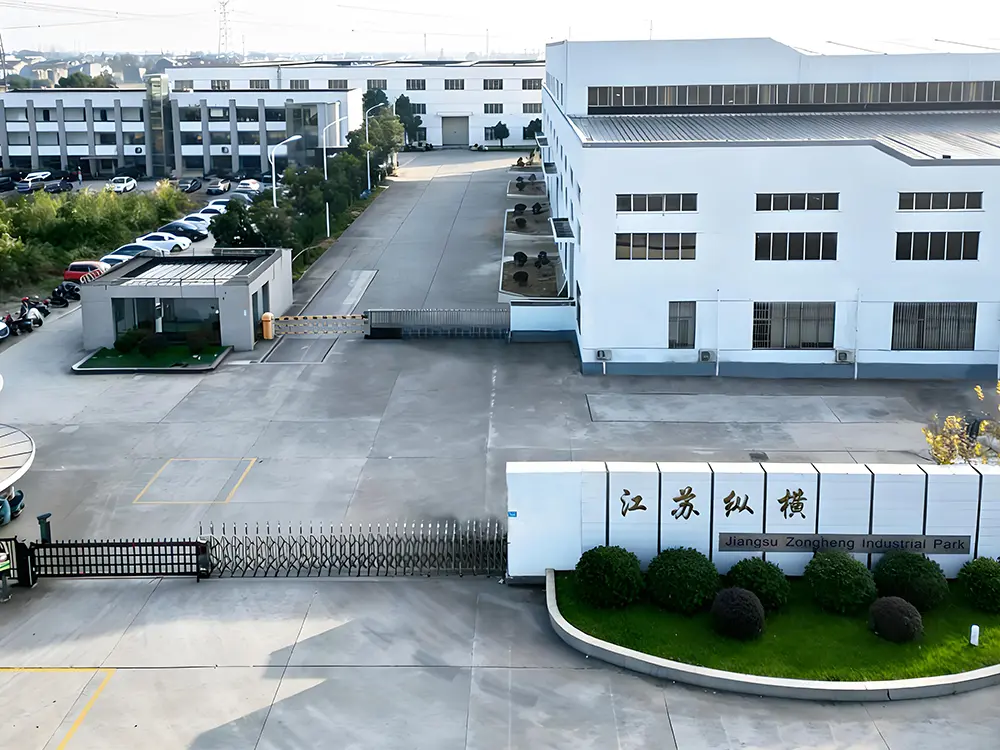
Established as Yixing Yangxi Light Industrial Machinery Factory, covering 15 mu with 45 employees, laying the groundwork for our separation technology division.
Achieved ISO9001 Quality Management standards, formalizing manufacturing controls for high-pressure industrial equipment.
Officially recognized as a Jiangsu Provincial High-Tech Enterprise, acknowledging our innovations in evaporation and drying design.
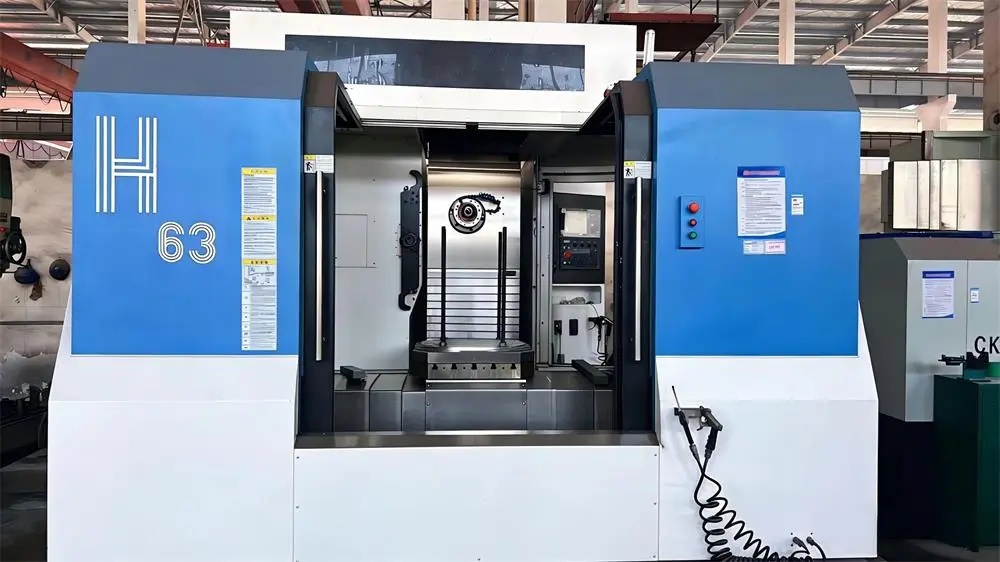
Obtained the Special Equipment Manufacturing License of the P.R.C. (License No. TS2232C42) for pressurized vessel production.
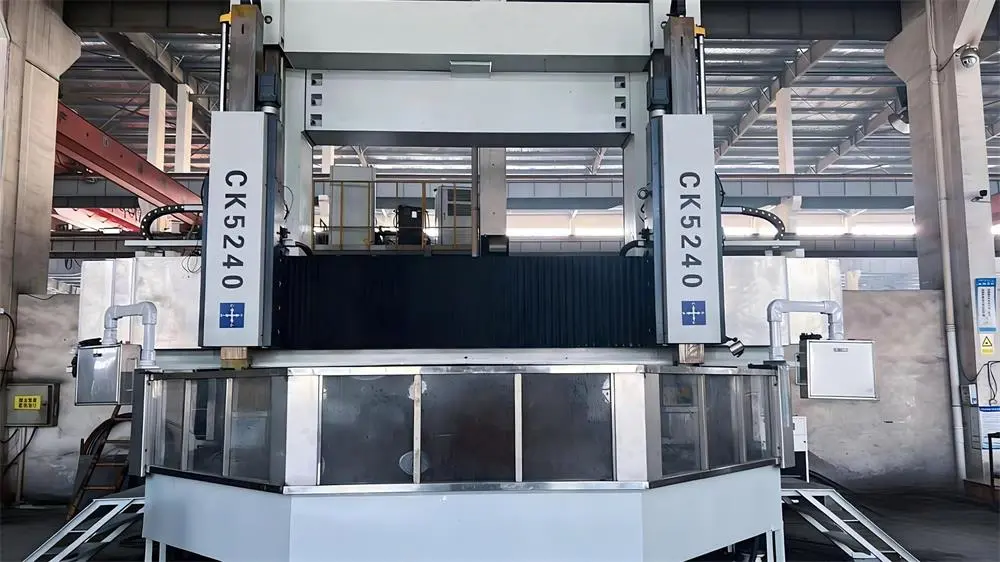
Received the ASME "U" Stamp authorization, aligning our pressure vessels with international standards and expanding our global reach.
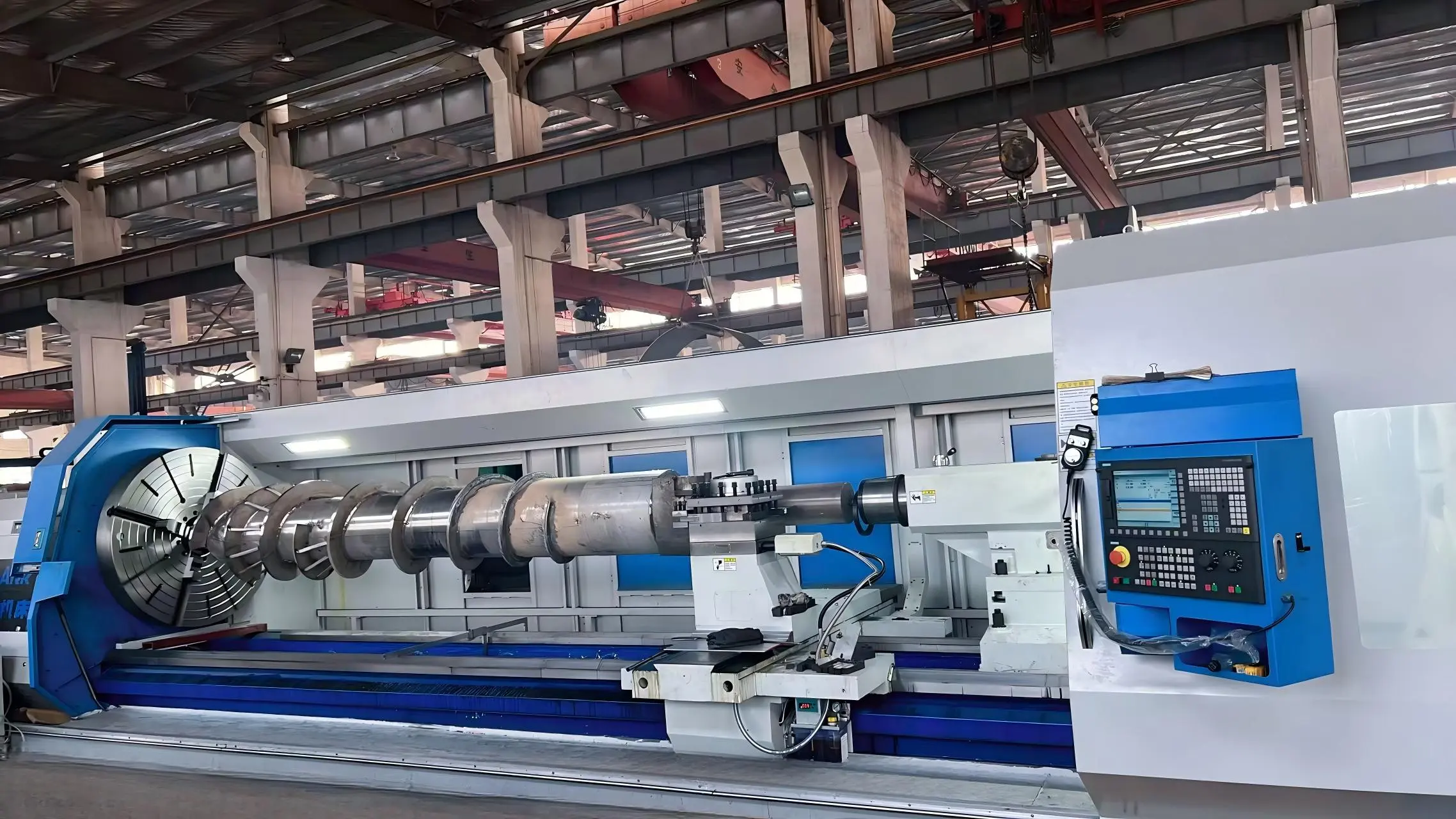
Earned international quality system certification (Certificate No. 45021), verifying our end-to-end quality control.
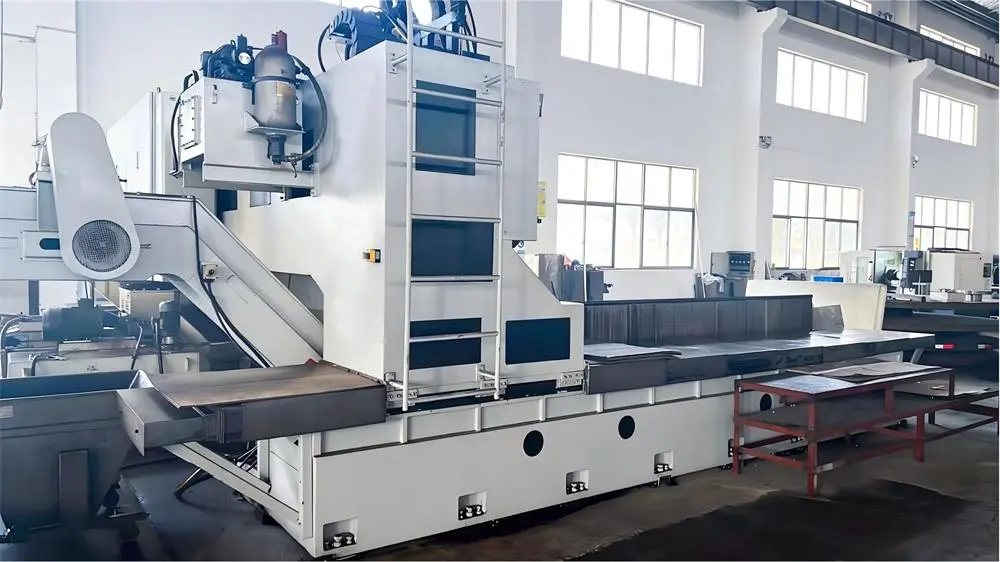
Operating a 54,000+ sqm footprint with 22,000+ sqm of workshops. Our engineering team includes 3 senior engineers and 20+ associate engineers.
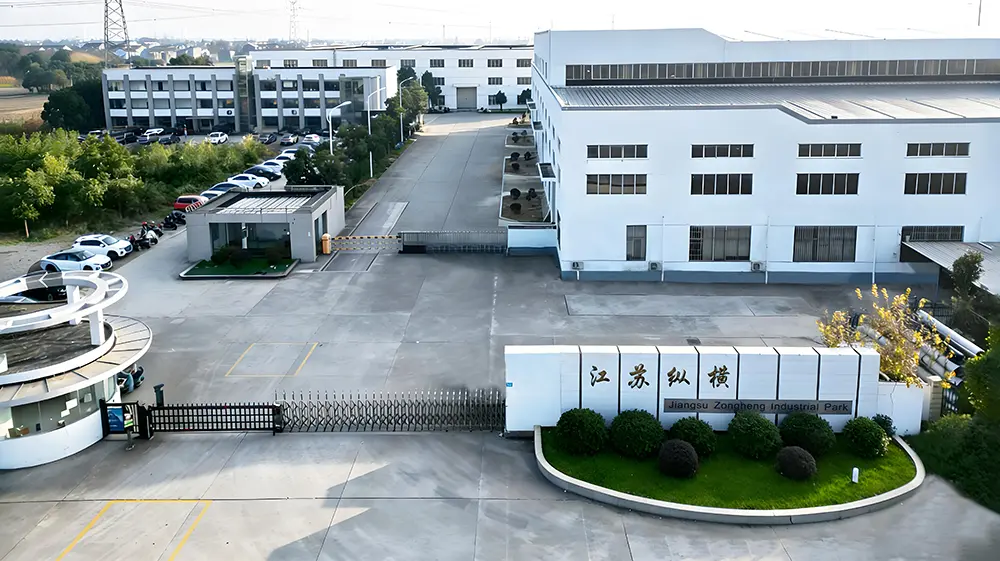
Where Zongheng Systems Drive Efficiency
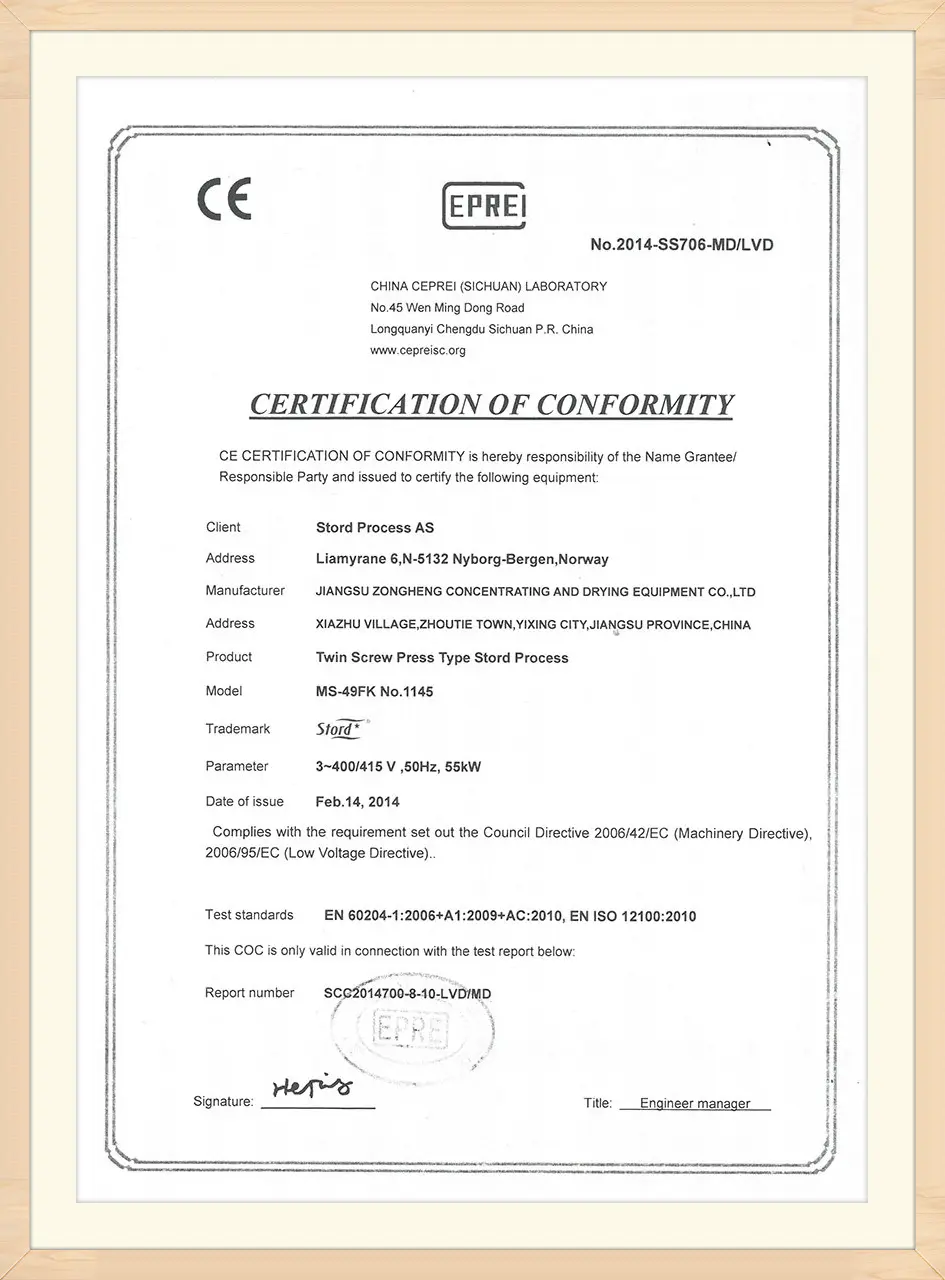
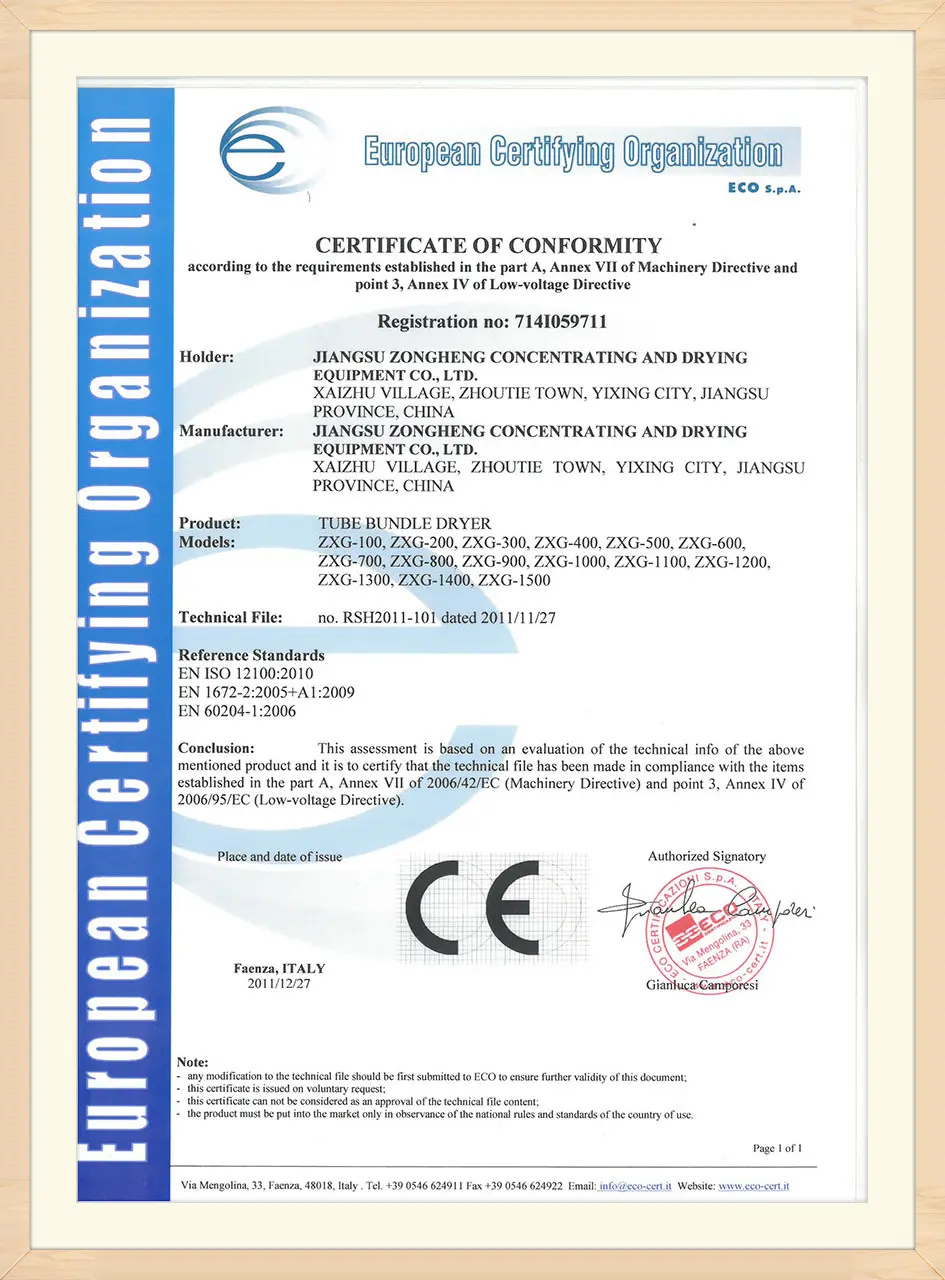
Committed to International Engineering Standards

Insights from Our Engineering Support Team
Starch loss in the overflow is usually caused by insufficient feed pressure, clogged nozzles, or incorrect underflow density settings. Maintaining the recommended feed pressure drop (typically 0.45–0.60 MPa) creates the centrifugal force needed to push smaller starch granules toward the underflow wall. Regular nozzle inspections and automated backpressure tuning help minimize overflow losses.
Standard materials wear down quickly under the abrasive flow of starch slurries. Using modified POM or high-grade PA66 extends operational life. For highly abrasive inputs (like sand-laden cassava pulp), integrating ceramic underflow nozzles provides excellent wear resistance and keeps the separation diameter stable over time.
A counter-current design routes fresh wash water in the opposite direction of the starch flow. This setup reduces fresh water consumption while effectively washing away impurities like soluble proteins and fine fibers, allowing the plant to produce high-purity Grade-A starch.
For global projects, manufacturers should hold ASME certifications (such as the "U" Stamp) for pressure vessels, ISO9001 Quality Management standards, and comply with regional safety and pressure vessel regulations (like the EU's PED directive).
High feed concentration (above 20° Bé) increases slurry viscosity, which can disrupt the vortex flow and reduce separation efficiency. We recommend keeping feed concentrations between 12° Bé and 18° Bé for optimal starch-protein separation.
News from Jiangsu Zongheng
 Jun 18, 2026
The evaporator absorbs heat to vaporize media, while the condenser releases heat to liquefy vapor; the two perform opposite cooling and heating functions. Operating under low pressure, the evaporator generates cold energy and concentrates liquid substances efficiently...
Read Full Article →Evaporators, Airflow Dryers, Degerming Mills, and Screw Presses
We welcome friends from all industries, both domestic and international, to partner with us for mutual growth and success.
 Zongheng