Industrial wastewater containing high concentrations of sodium sulfate ($Na_2SO_4$) presents a significant environmental and operational challenge for chemical processing, lithium-ion battery recycling, printing, and metallurgical operations globally. Because of strict Zero Liquid Discharge (ZLD) mandates, direct discharge of saline effluent is no longer viable.
An optimized Sodium Sulfate Wastewater Evaporator utilizes advanced evaporation and crystallizing principles to separate water from salt minerals. The unique solubility curve of sodium sulfate—which peaks sharply at 32.4°C and shifts towards anhydrous forms at higher temperatures—requires custom-engineered crystallizers. Without accurate thermal engineering and boundary layer fluid control, scale forms rapidly on heat transfer tubes, causing severe drop-offs in thermal efficiency.
Beyond compliance, modern evaporation systems are designed to retrieve high-purity sodium sulfate crystals that can be recycled back into industrial processes (e.g., detergent compounding, pulp bleaching, or glass making) or sold as high-value commodities, offsetting the capital expenditures of treatment plants.
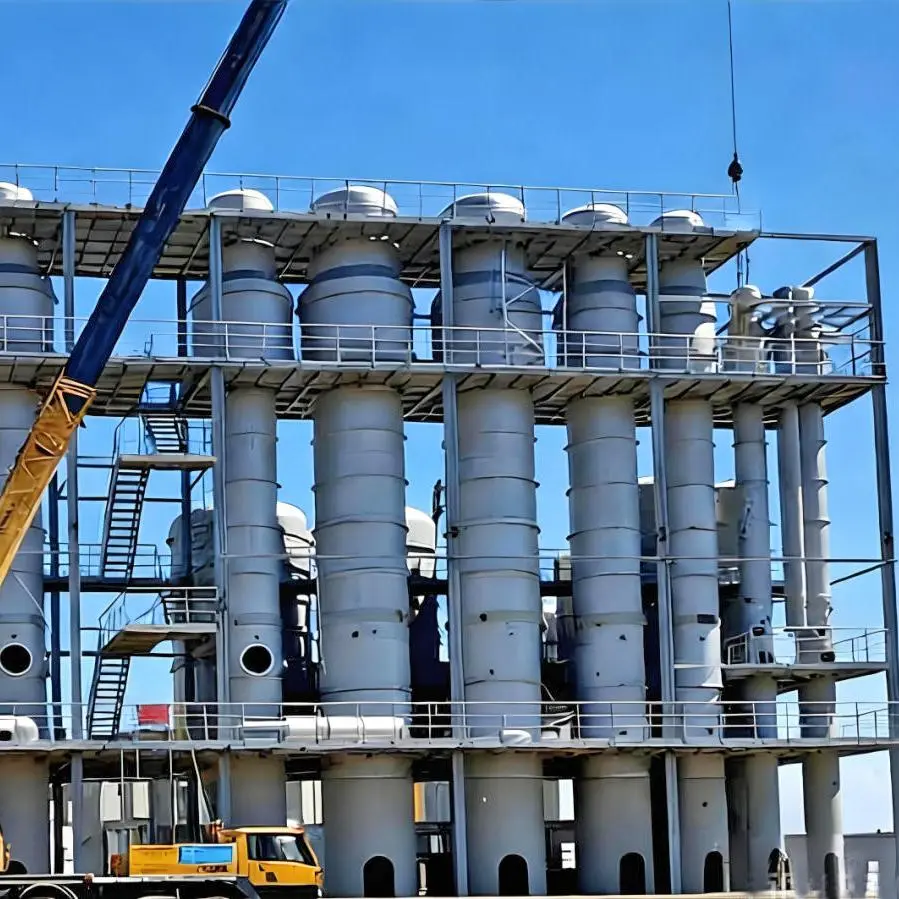
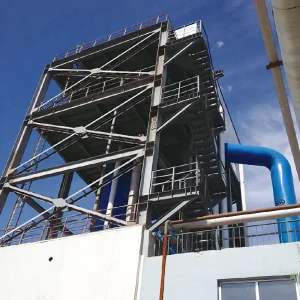
Ideally suited for concentrating diluted streams, a falling film evaporator feeds liquid through distribution tubes, forming a thin, gravity-driven film. Vapor runs parallel to the liquid stream, enabling high thermal efficiency and short residence times to protect heat-sensitive chemistry.
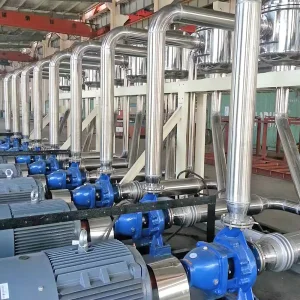
The standard system for high-salinity crystallization. High-velocity axial flow pumps drive the slurry through heat exchanger tubes. Boiling is suppressed until the fluid enters the flash vessel, preventing crystallization and scale formation on heat transfer surfaces.
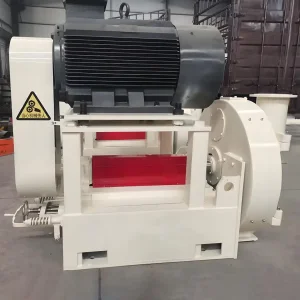
A highly energy-efficient solution that compresses secondary vapor using a mechanical compressor (roots or centrifugal). This elevates its thermal energy, allowing it to be recycled as heating steam for the evaporator, reducing primary energy consumption by over 70%.
Global procurement teams evaluate wastewater treatment equipment suppliers through three lenses: **Energy Consumption Performance (OPEX)**, **Material Reliability (Corrosion Mitigation)**, and **Compliance/International Certification**.
High-salinity sodium sulfate wastewater contains high concentrations of chloride ions. In these environments, standard carbon steel and 304/316L stainless steel are highly susceptible to stress corrosion cracking and pitting. Consequently, suppliers are required to construct wetted components using premium materials, including **Titanium (Grade 2/TA2)**, **Duplex Stainless Steel (2205/2507)**, and **Hastelloy C276**.
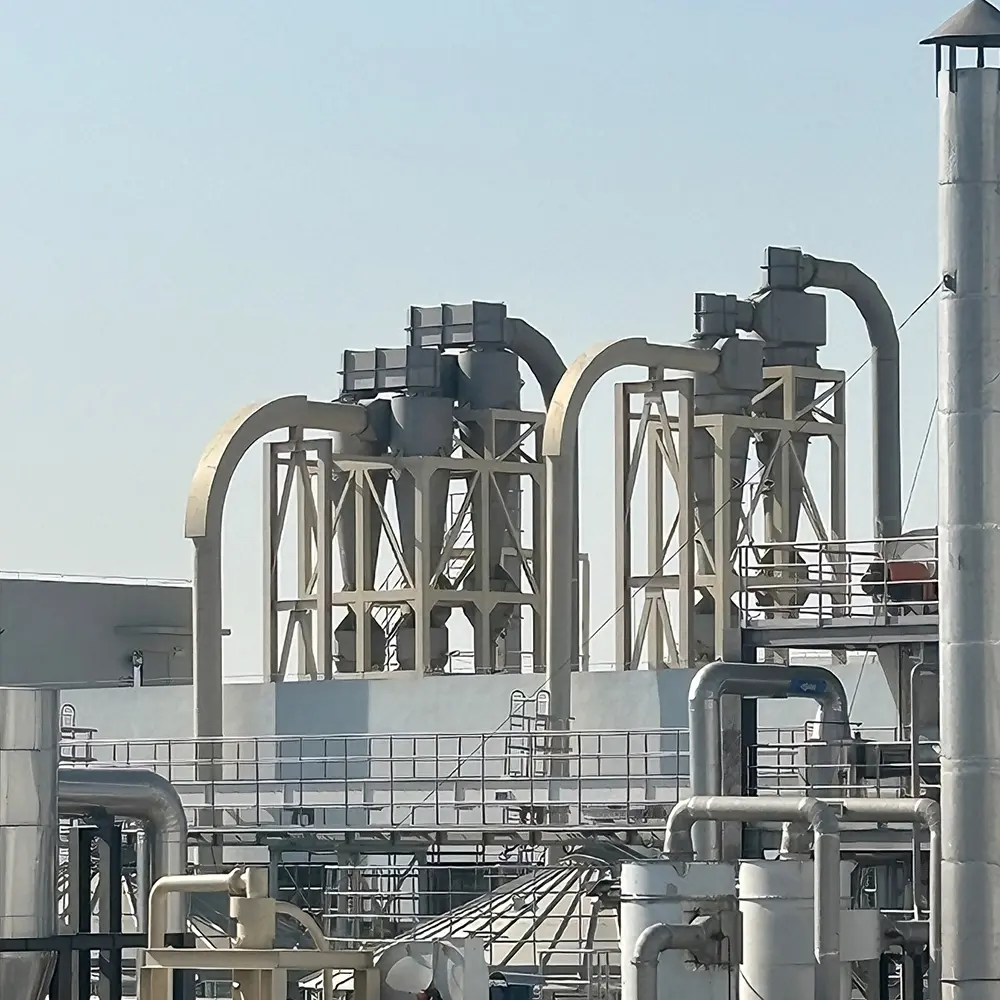
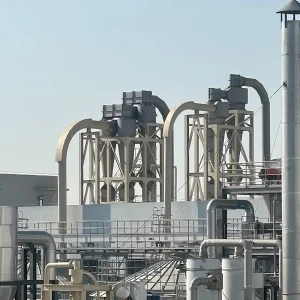
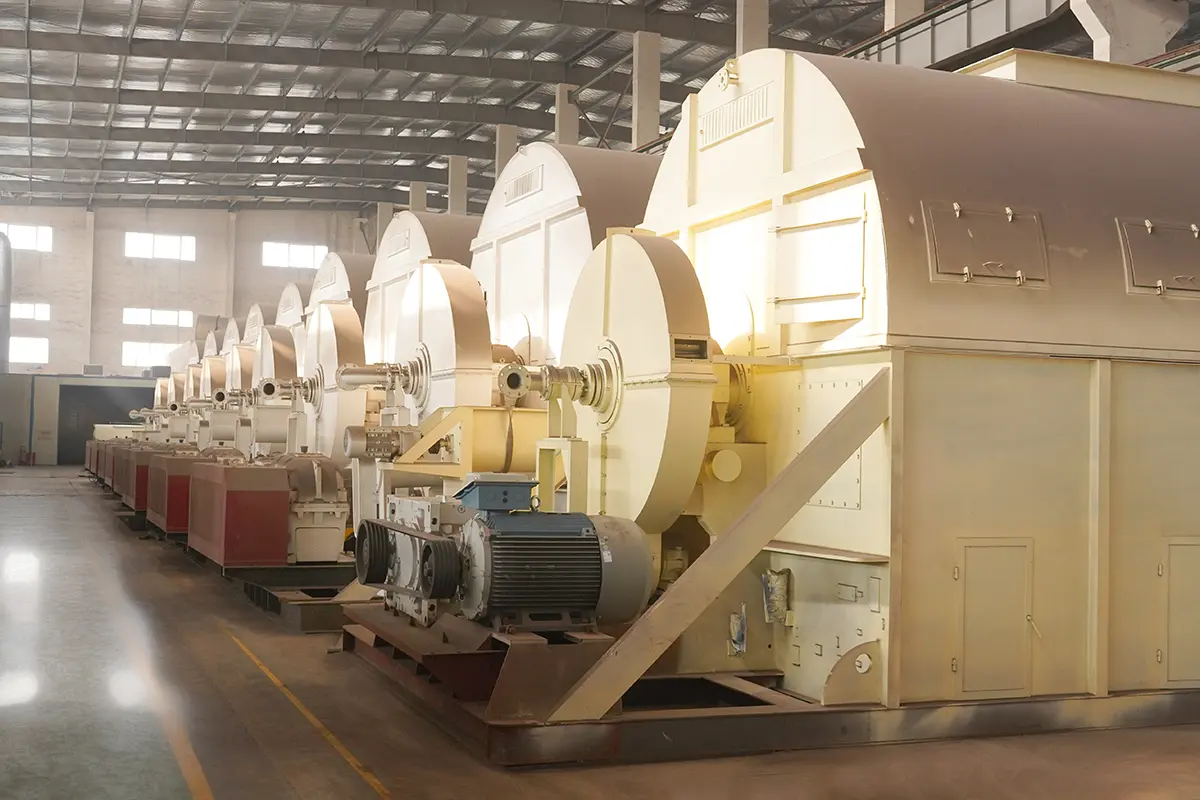
The MQG Airflow Dryer employs high-speed hot air to suspend and fluidize materials. By utilizing impulse airflow generated from varied tube diameters, it continuously tumbles particles while conveying them. This design ensures rapid, uniform, and efficient drying throughout the transportation process within the system, making it an excellent final stage for recovered sodium sulfate crystal drying.
It plays a key role in the downstream recovery phase, converting moist sodium sulfate cake into free-flowing, high-purity industrial-grade powder.
A falling film evaporator efficiently concentrates heat-sensitive liquids. The feed liquid forms a thin film flowing down heated vertical tubes, where it partially evaporates. Vapor generated flows parallel to the liquid, enhancing the process. It ensures a short residence time and low operating temperature, preserving product quality.
The system requires proper liquid distribution and complete surface wetting to prevent dry patching, fouling, and scaling, maintaining high thermal efficiency and operational stability.
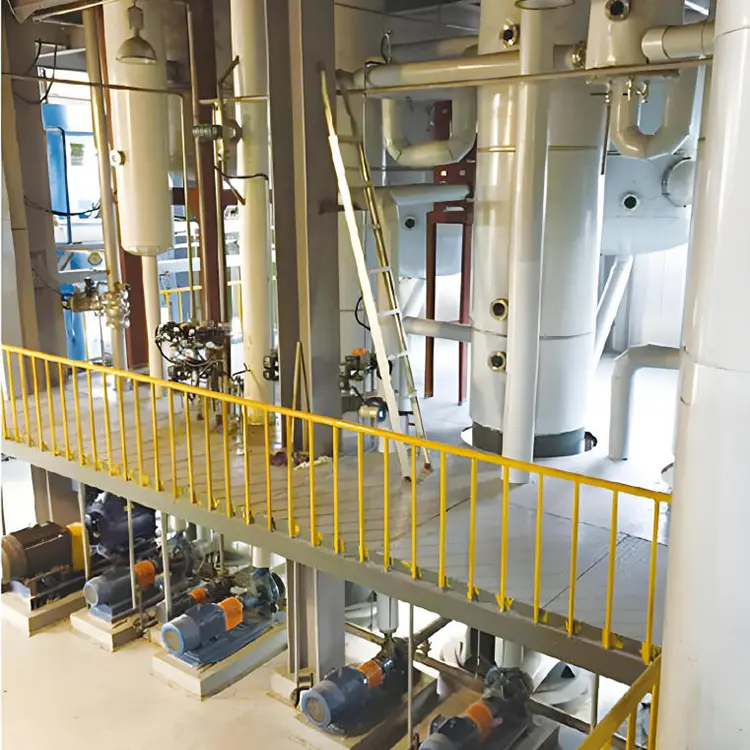
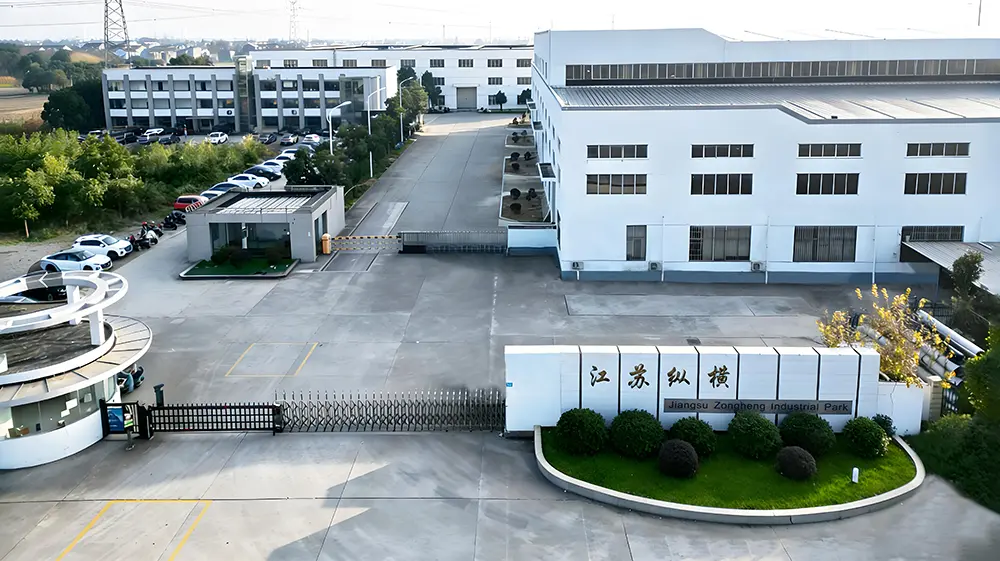
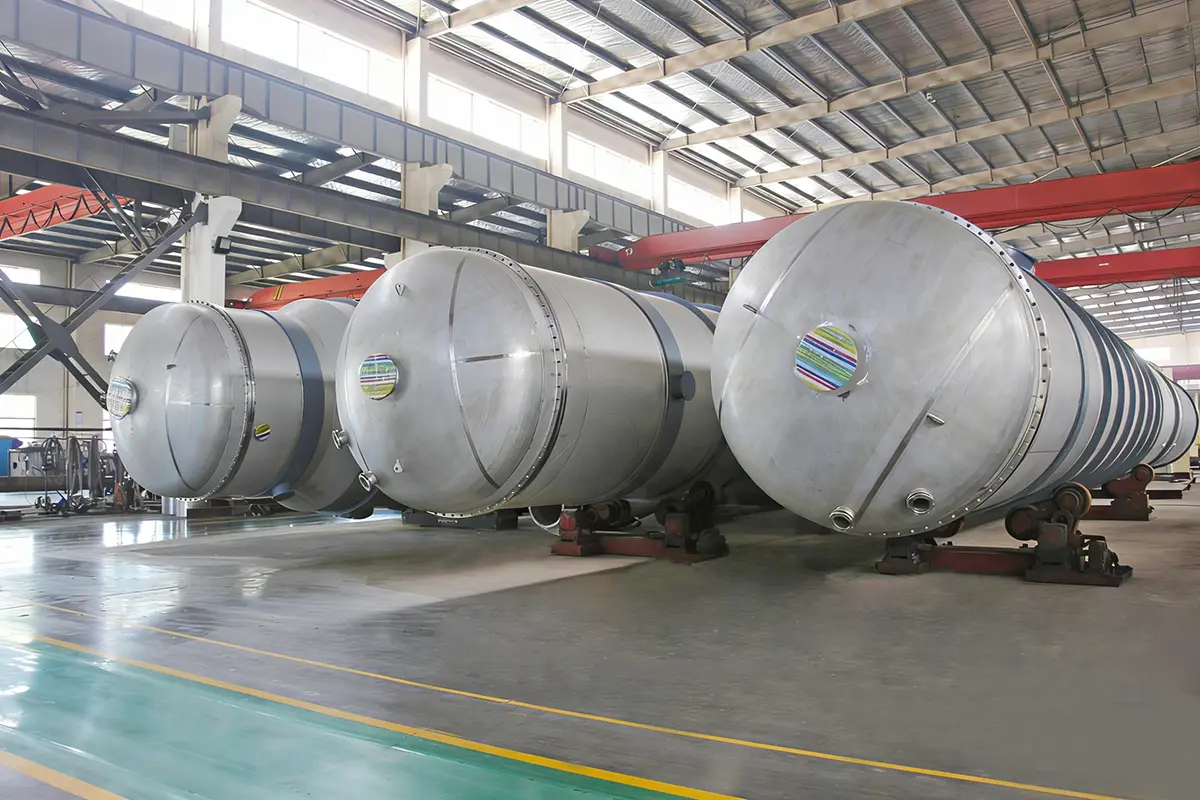
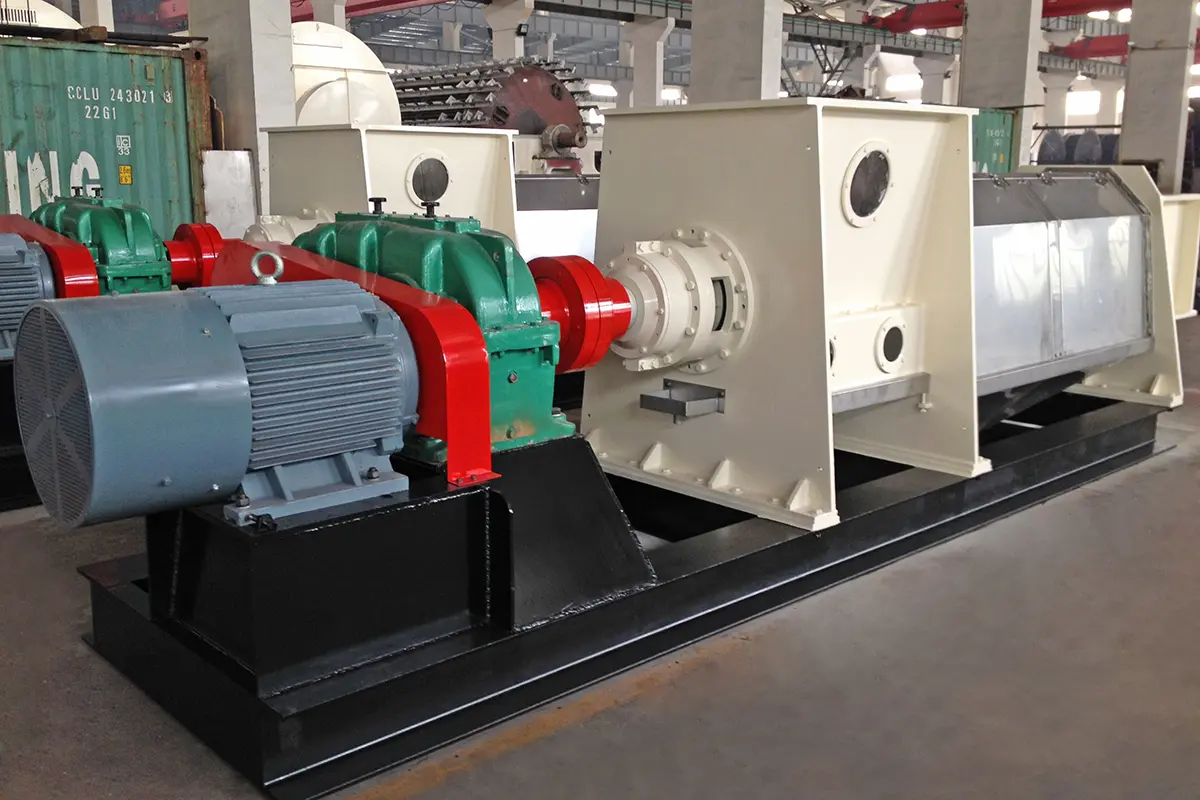
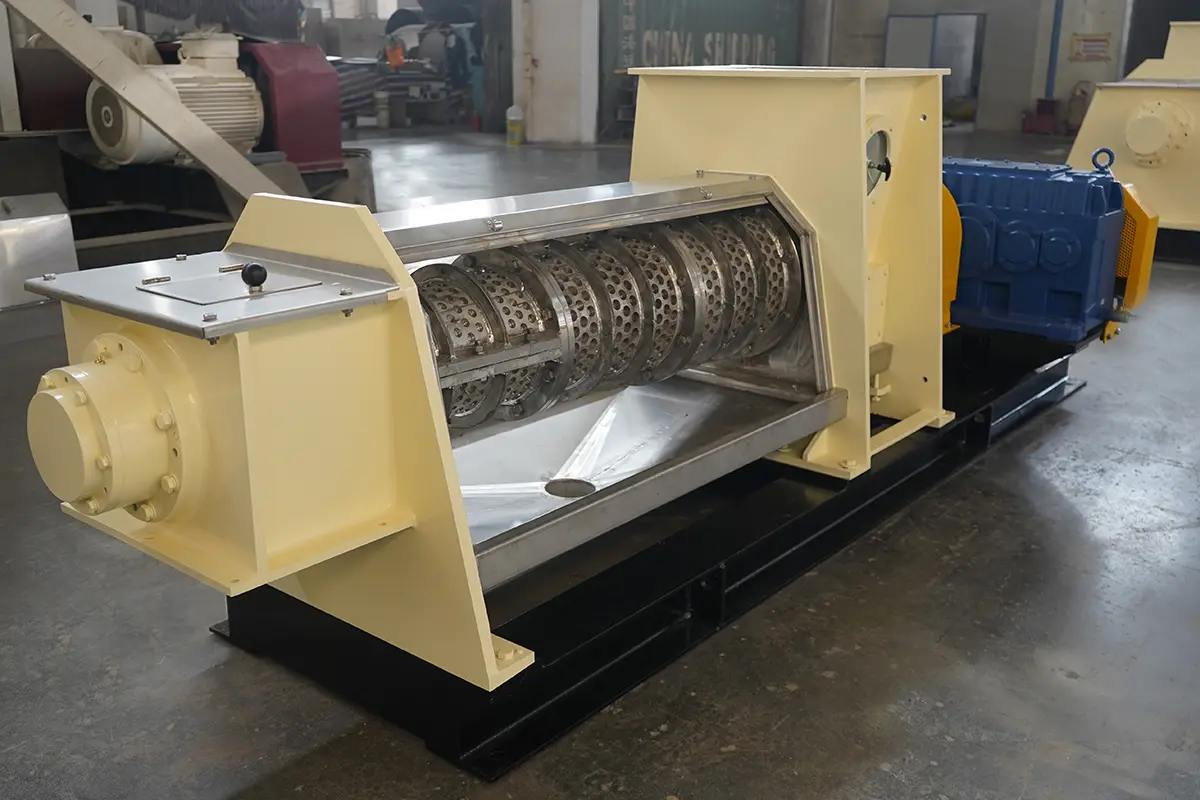
Jiangsu Zongheng Concentrating and Drying Equipment Co., Ltd. (formerly Yixing Yangxi Light Industry Machinery Factory), founded in 1992, is located in Zhoutie Town, Yixing City, on the shores of Taihu Lake. The company covers an area of over 54,000 square meters, with a production workshop area of over 22,000 square meters.
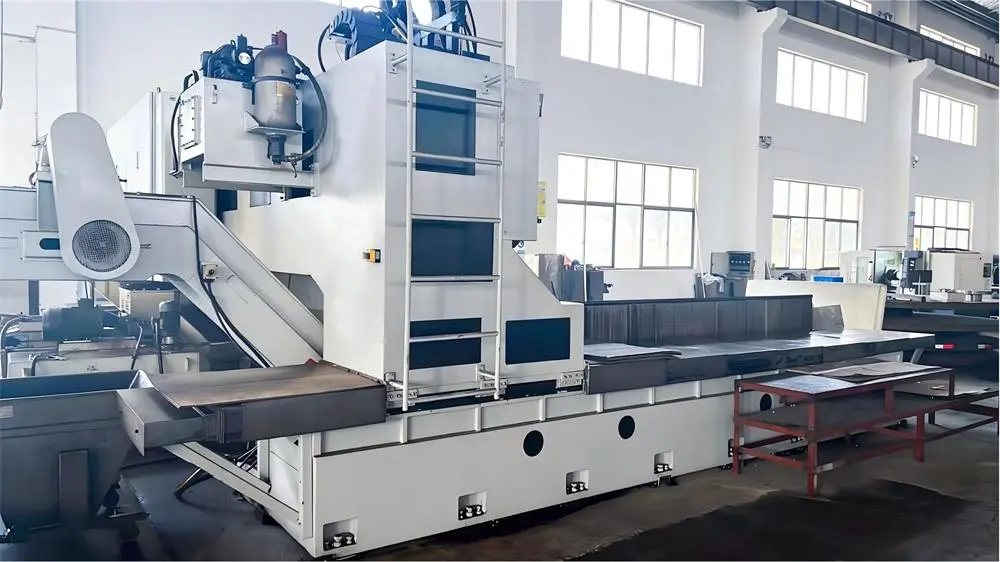
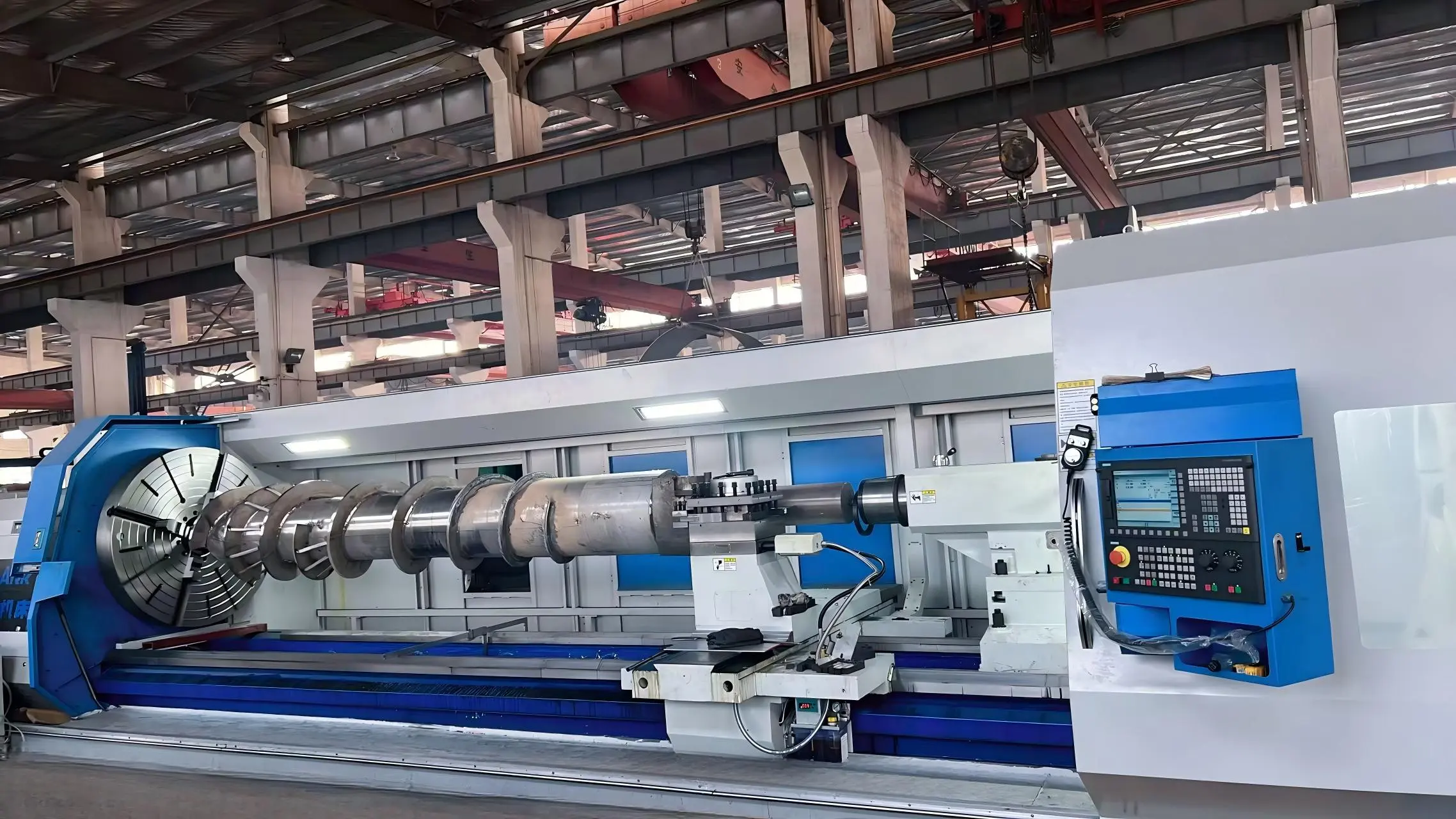
As a modern high-tech enterprise specializing in the manufacturing of concentration, drying, starch industry, alcohol DDGS, and Category III medium & low-pressure vessel equipment, Jiangsu Zongheng is an active member of the China Starch and Alcohol Association. Our products are widely used in chemical, food fermentation, pharmaceutical, and environmental protection sectors.
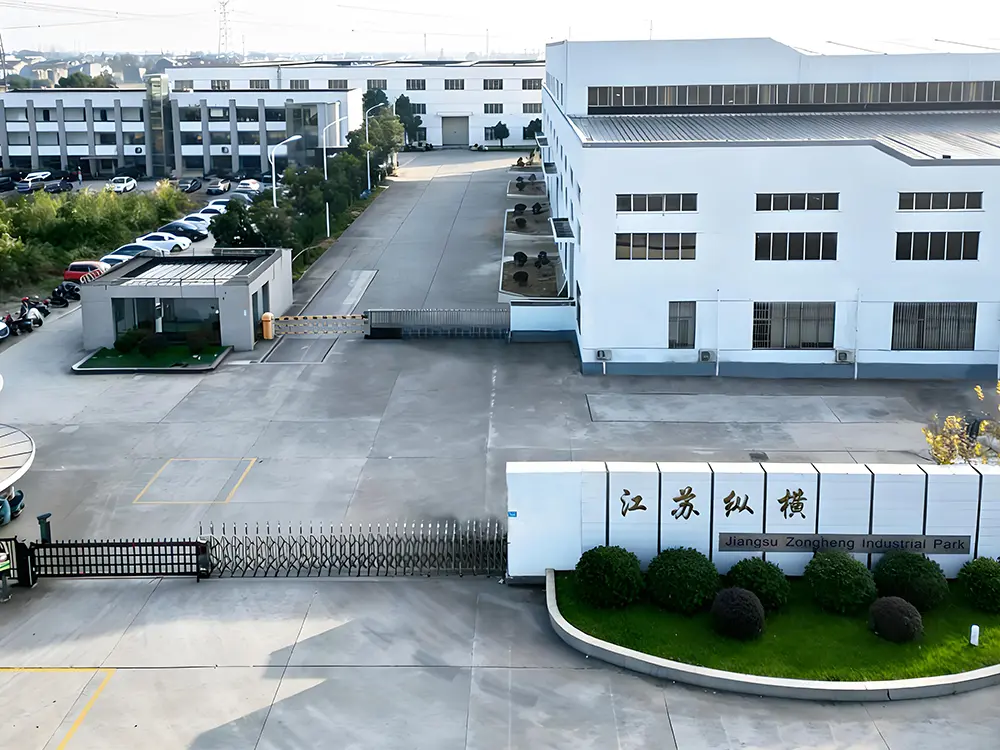
The company covers 54,000+ sqm, with 22,000+ sqm workshop space. The technical team includes 3 senior engineers, 20+ engineers/assistant engineers, and a total staff of 120 people.
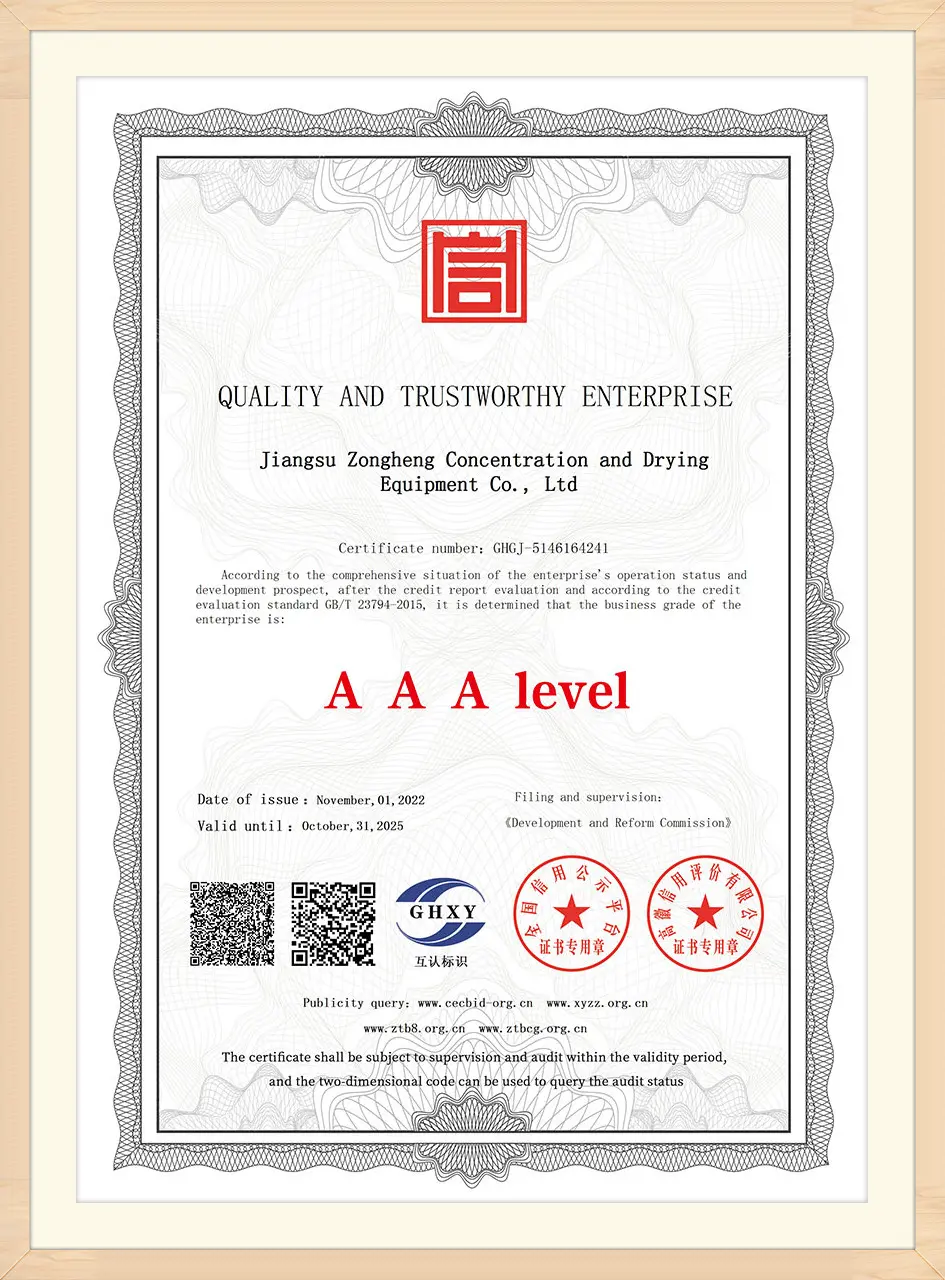
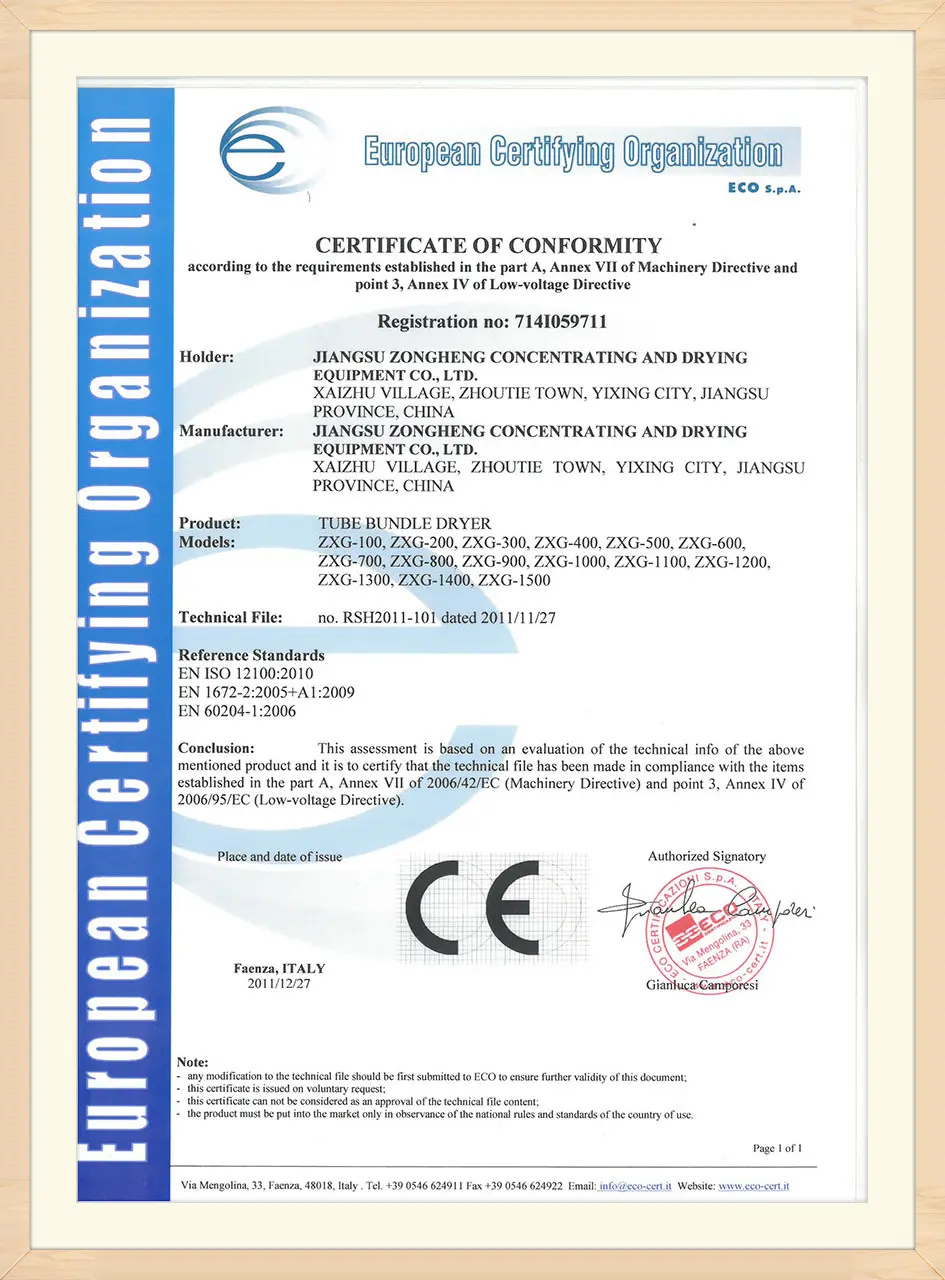
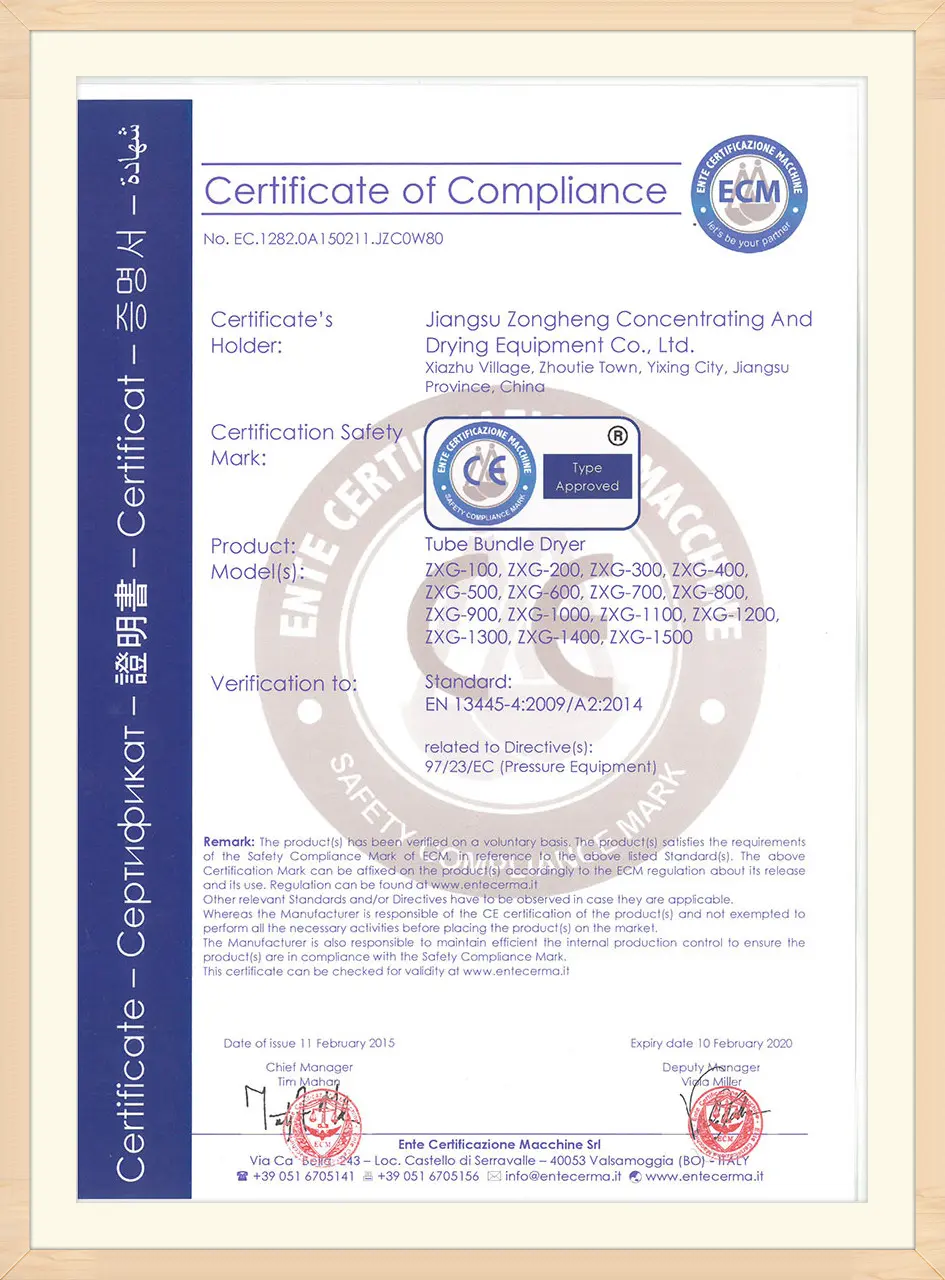
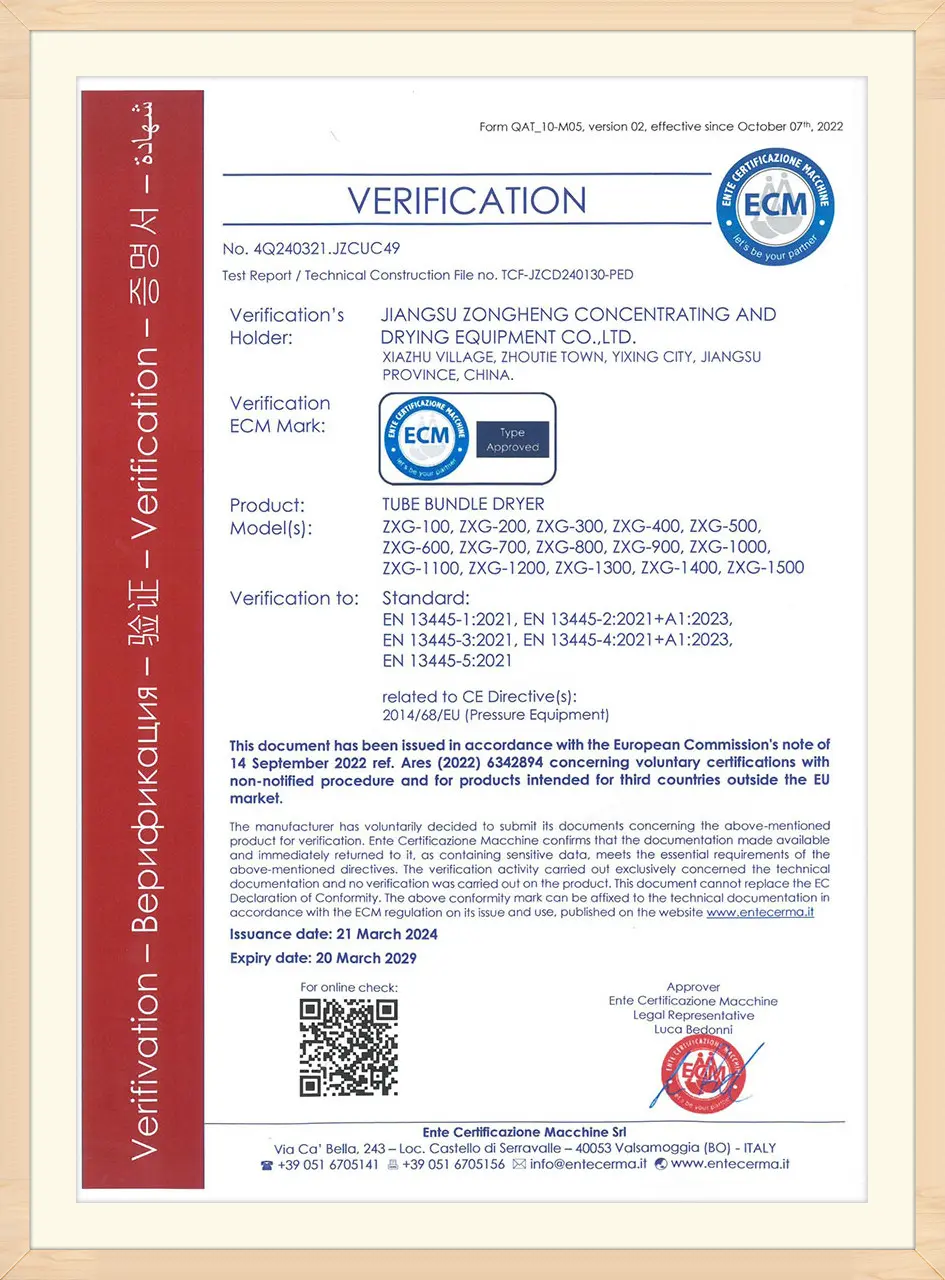
Achieved international quality system certification (Certificate No.: 45021), establishing a complete quality assurance system aligned with international standards.
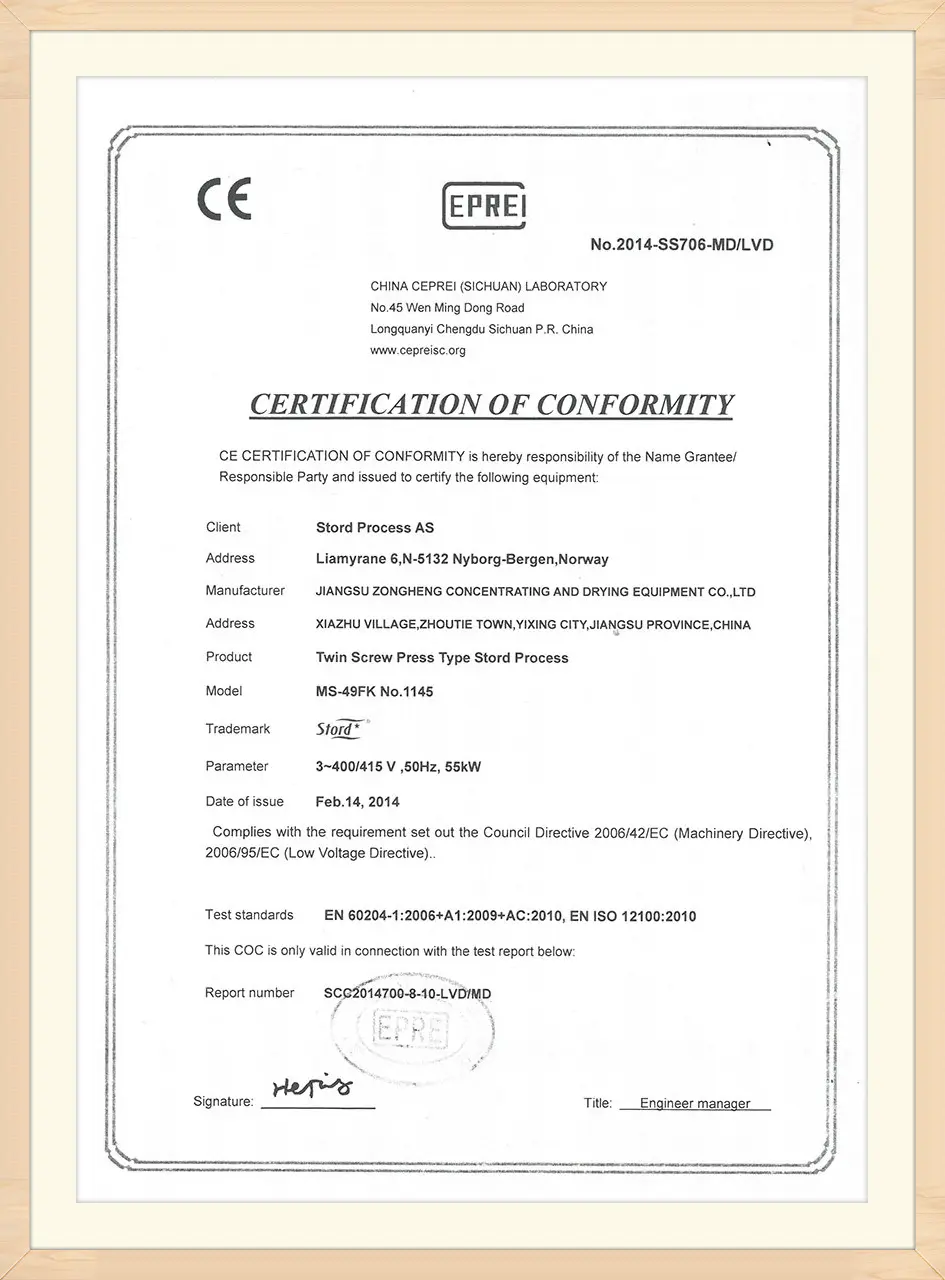
Acquired the ASME "U" Stamp authorization, facilitating entry into key international high-pressure vessel manufacturing markets.
Obtained the Special Equipment Manufacturing License of the People's Republic of China (License No.: TS2232C42) for pressurized industrial units.
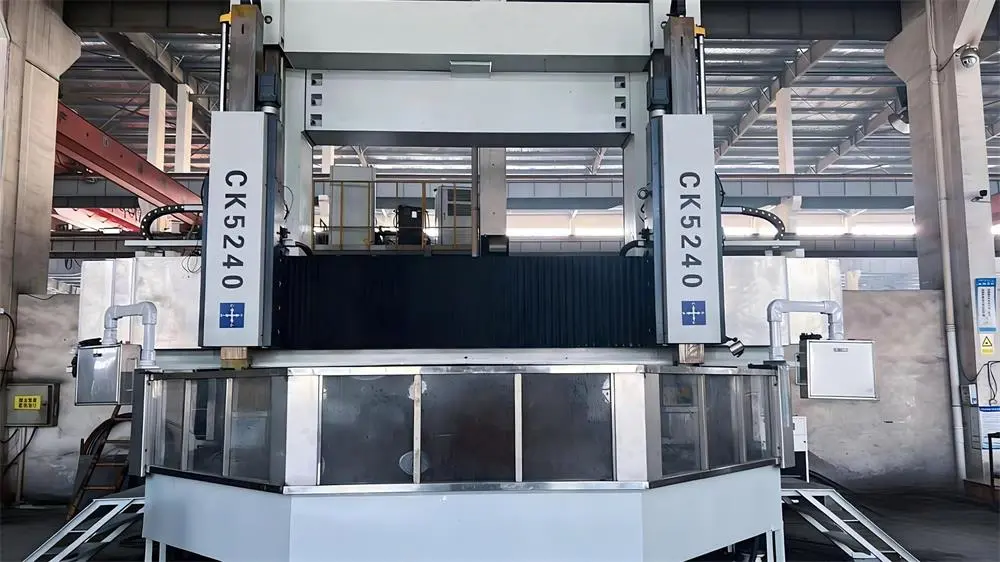
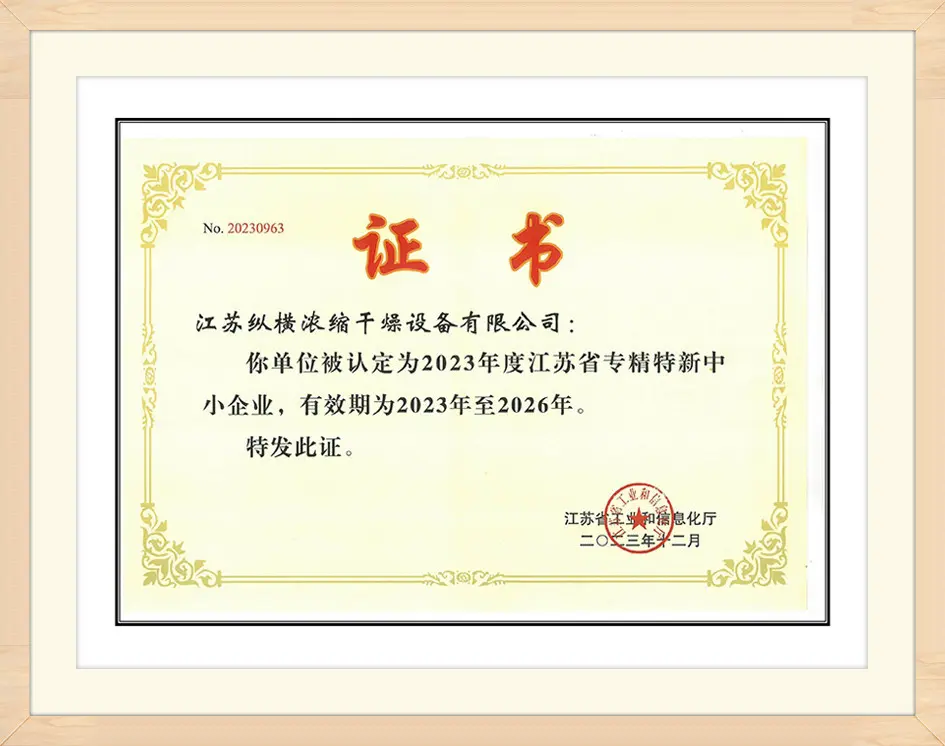
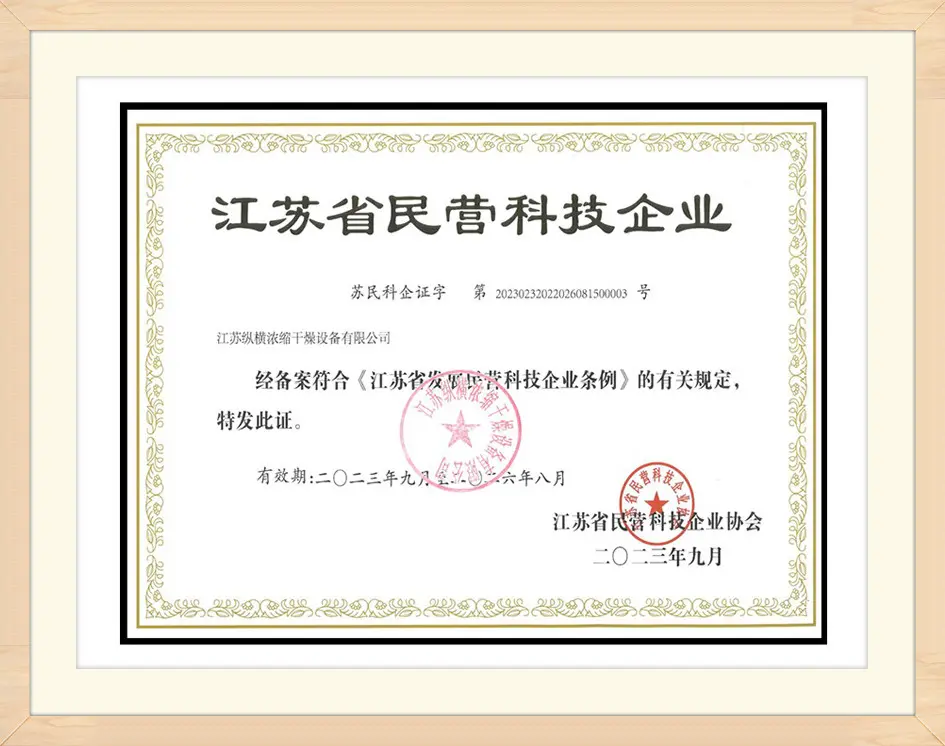
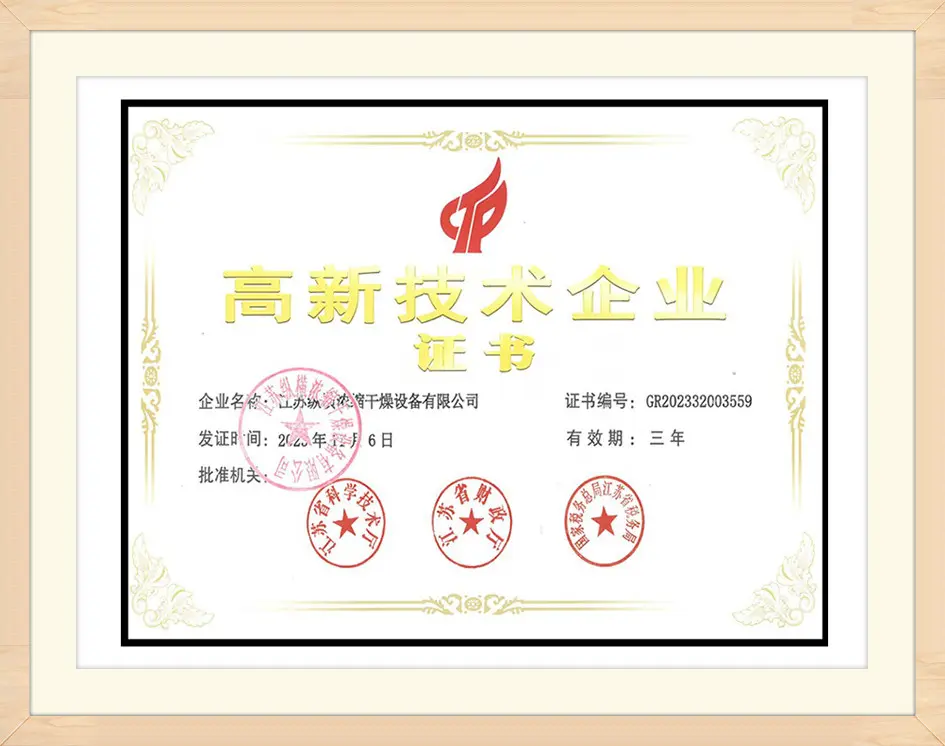
Recognized as a Jiangsu Provincial High-Tech Enterprise, acknowledging our dedication to environmental technology development.
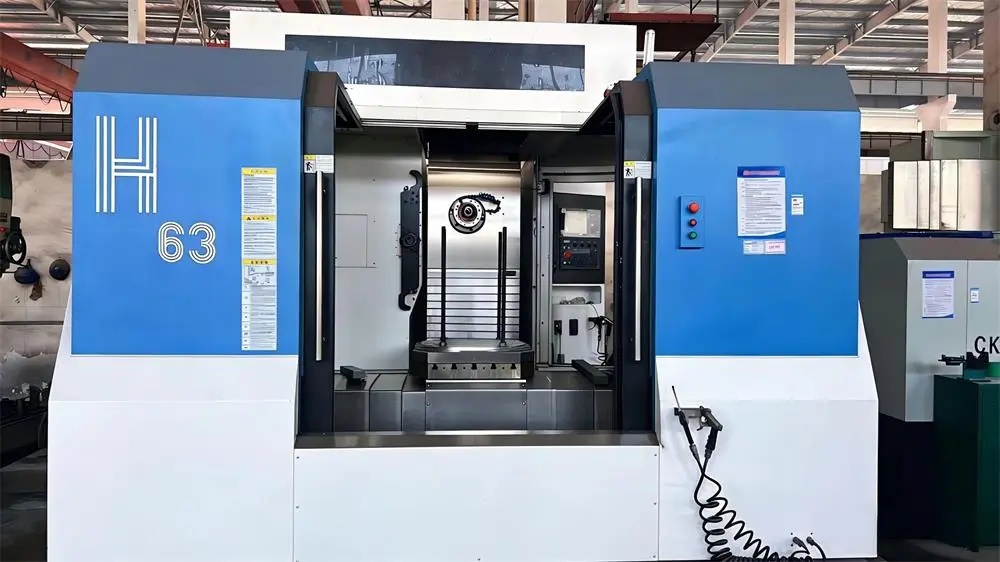
Obtained ISO9001 quality management system certification, formalizing our structural quality procedures.
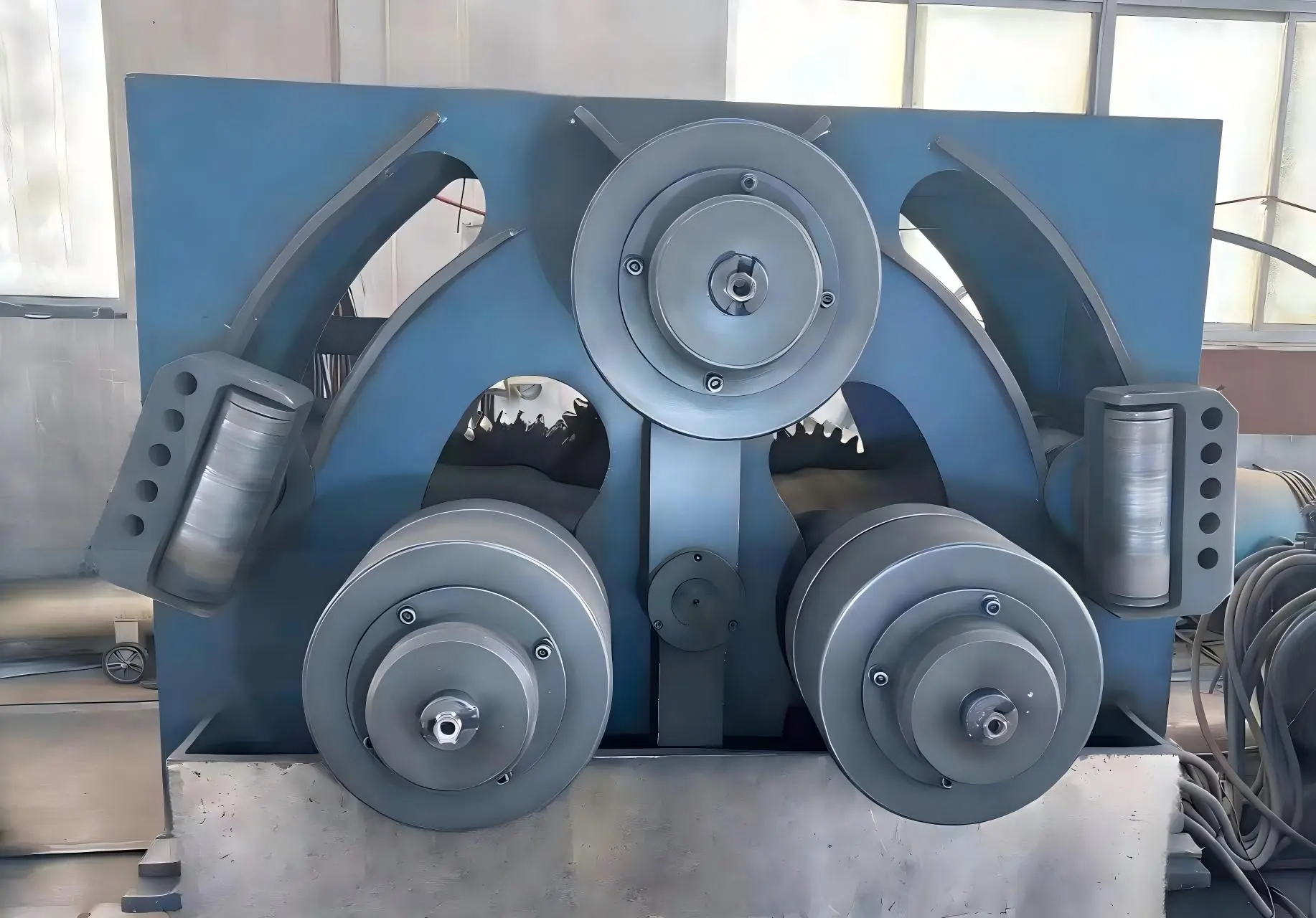
Yixing Yangxi Light Industrial Machinery Factory was established, covering a total area of approximately 15 mu with 45 employees.
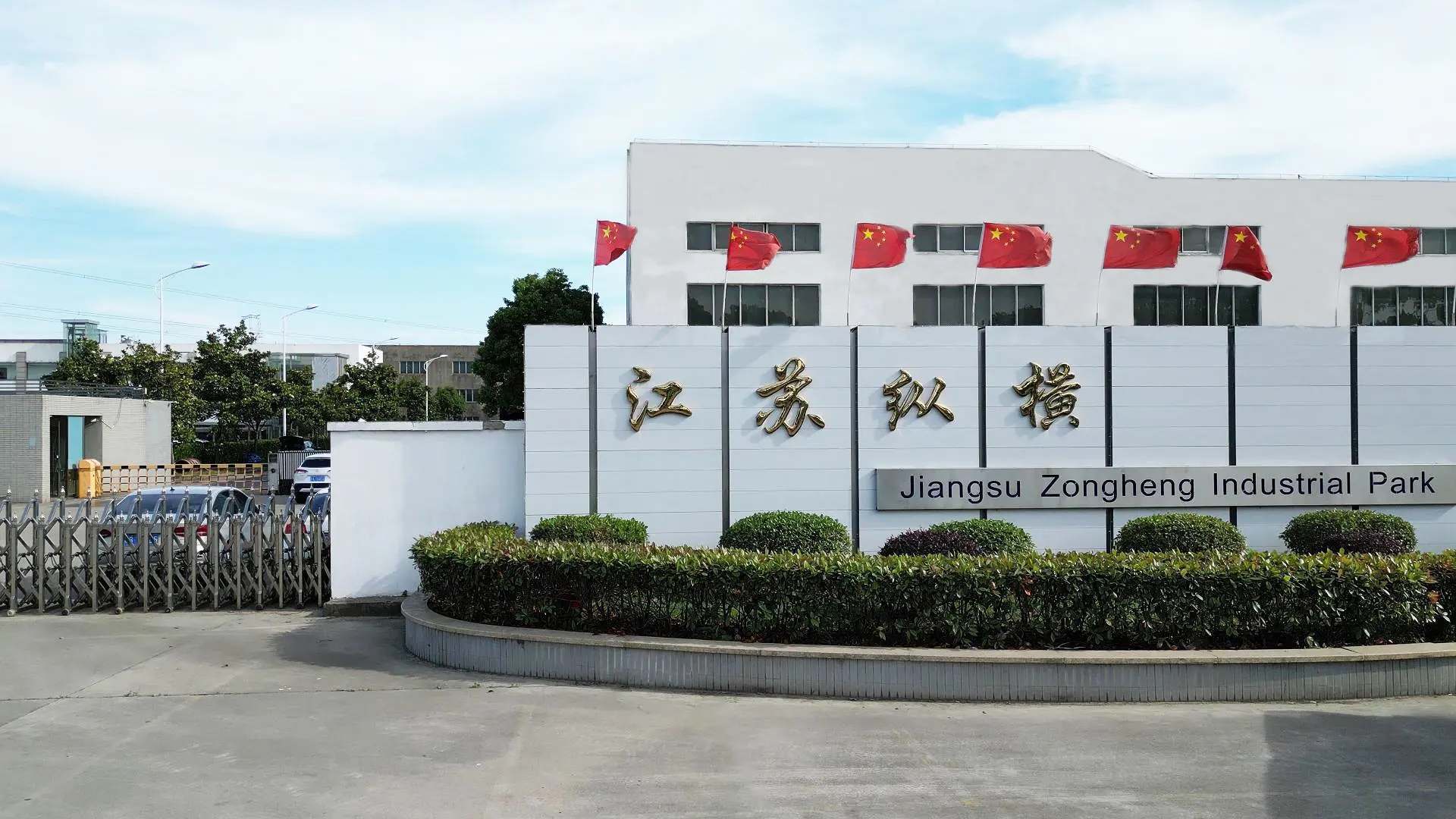
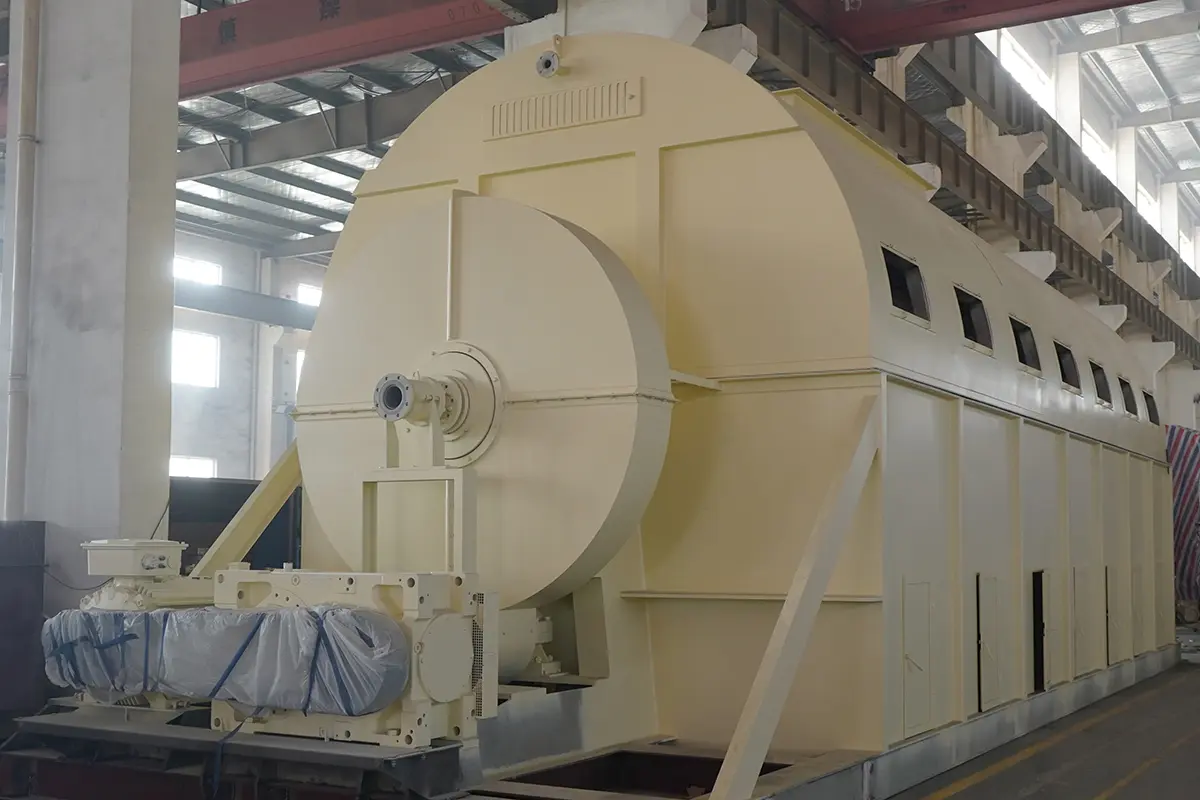
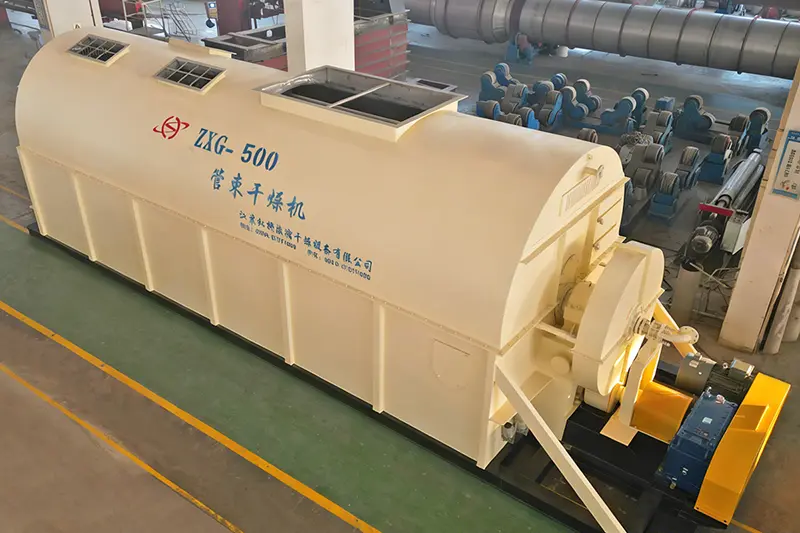
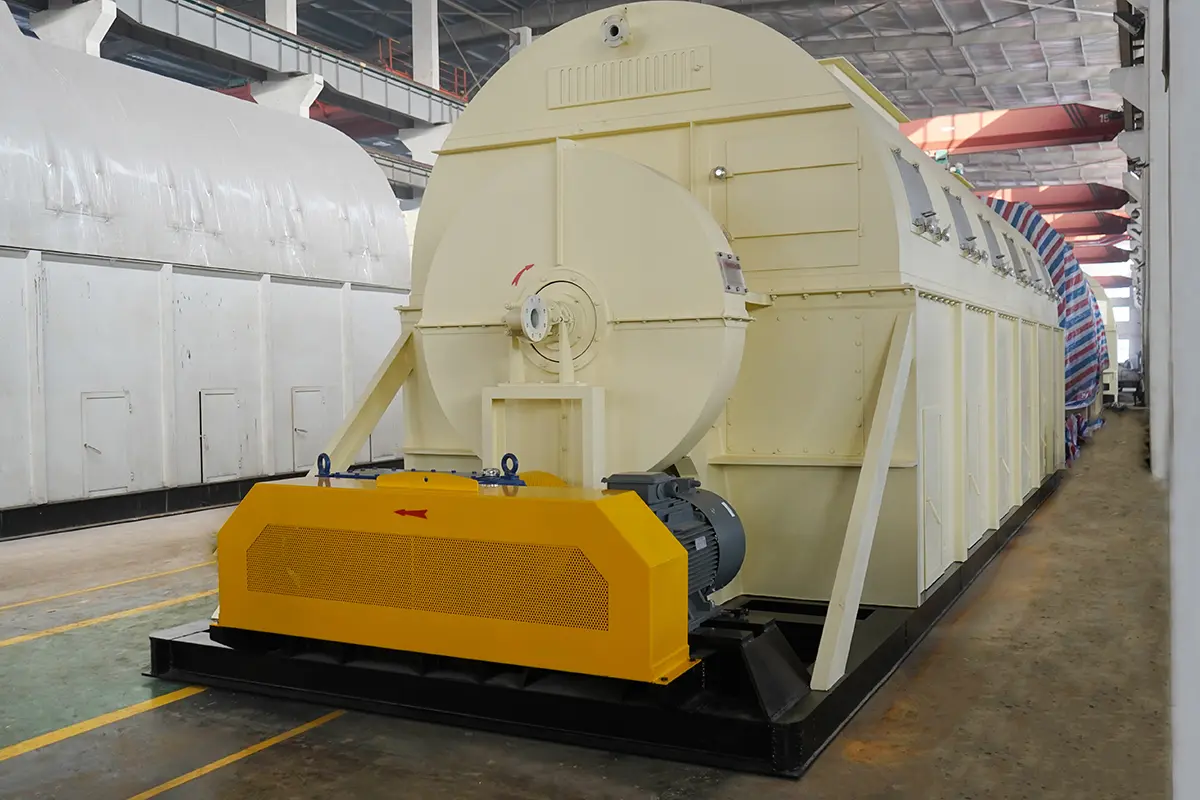

Industrial evaporation technology is moving towards smart integration. The main priority is preventing scaling. Automated cleaning-in-place (CIP) cycles are guided by integrated sensor networks that monitor real-time Heat Transfer Coefficients (HTC). When the HTC drops below a calculated limit, the PLC initiates cleaning protocols, preventing thick, structural scale formation.
The next generation of MVR evaporators will use high-speed magnetic levitation centrifugal vapor compressors. These units eliminate mechanical wear, oil contamination, and efficiency drops associated with gearboxes. They also handle the fluctuations in boiling point elevation (BPE) characteristic of complex, mixed-salt wastewaters.
Energy recovery remains crucial. By coupling waste heat evaporators with drying vapor or exhaust gas streams from boilers and calcination units, plant operators can minimize live steam requirements. This setup achieves efficient heat exchange at minimal operating cost.
An MVR evaporator generally consumes between 15 to 25 kWh of electrical energy per ton of water evaporated. This is significantly lower than traditional multi-effect steam evaporators, which require large amounts of raw live steam. The specific consumption depends on the boiling point elevation (BPE) of the solution, which rises with salt concentration.
To control scaling, we use forced circulation designs to suppress boiling inside the exchanger tubes. The fluid is kept pressurized and velocity is maintained above 2.0 m/s, preventing crystallization until the slurry enters the flash separation chamber. We also integrate automatic acid-washing and clean-in-place (CIP) loops to remove trace precipitates before they build up.
For mixed waste streams containing chlorides, we use wetted components made of Duplex SS 2205, Duplex 2507, or titanium (Grade 2/TA2). For non-corrosive, pure sodium sulfate streams, Grade 316L stainless steel provides an effective and cost-efficient alternative.
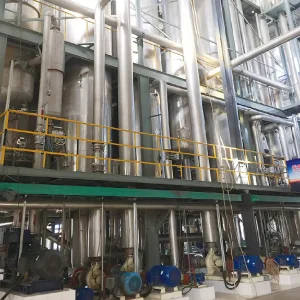
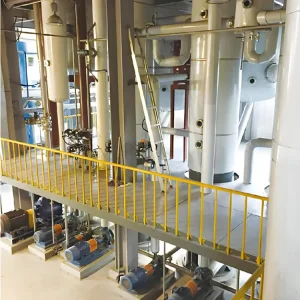
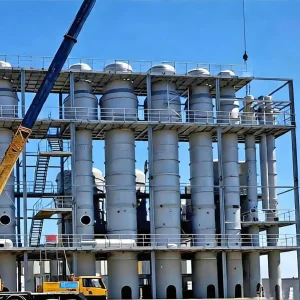
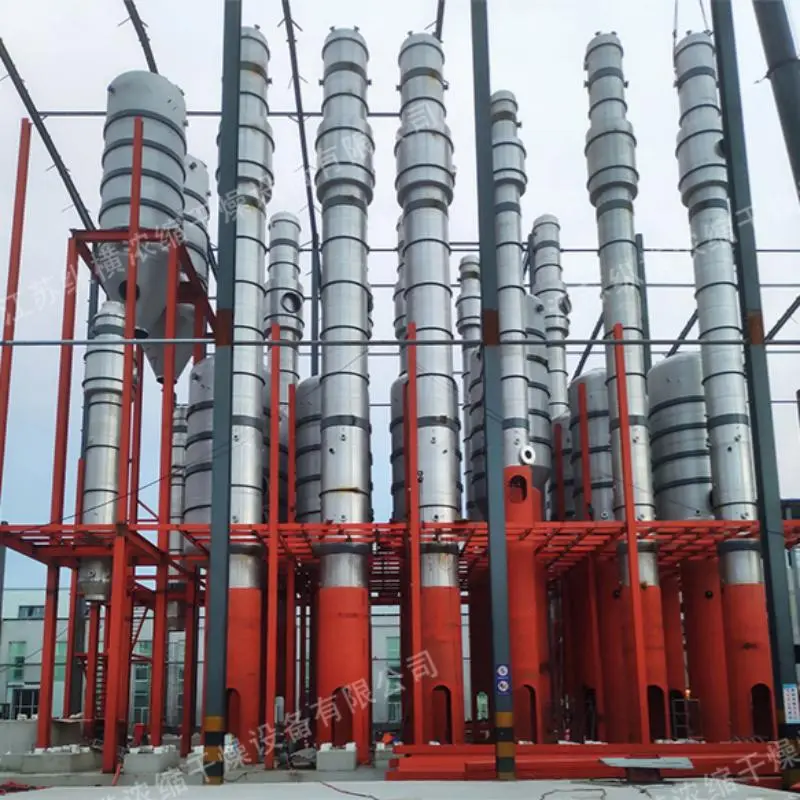
The evaporator absorbs heat to vaporize media, while the condenser releases heat to liquefy vapor; the two perform opposite cooling and heating functions. Operating under low pressure, the evaporator generates cold energy and concentrates solids...
We warmly welcome friends from various industries, both domestic and international, to visit us for cooperation and mutual development!
Get to know our detailed contact information and discuss custom industrial evaporation plants for your specific process requirements.
 Zongheng