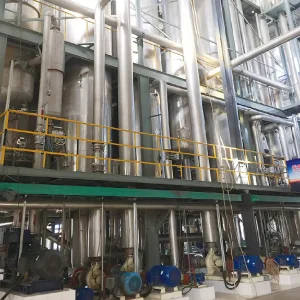
Optimal configuration for high-fouling, viscous brine concentration applications.
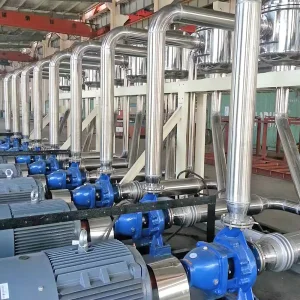
High-efficiency separation cyclones engineered for starch wash and refining.
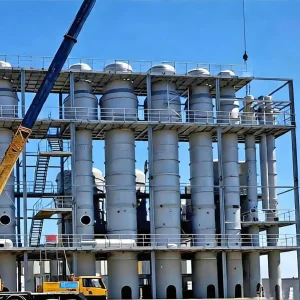
Optimized energy conservation utilizing thermal vapor recompression mechanisms.
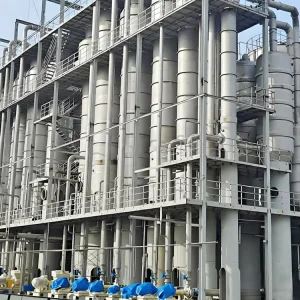
Advanced industrial design recycling low-grade waste steam to reduce operational costs.
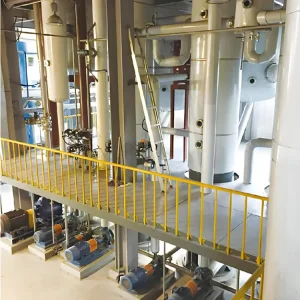
Compliant thermal process systems engineered to preserve volatile organic chemistry profiles.
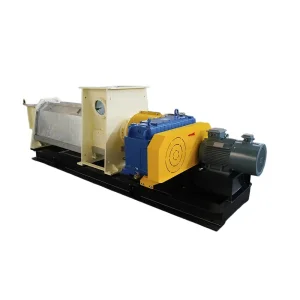
High-performance mechanical cake moisture reduction and solid separation systems.
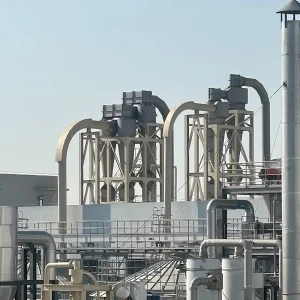
Flash drying technology for particulate materials using high-velocity thermal streams.
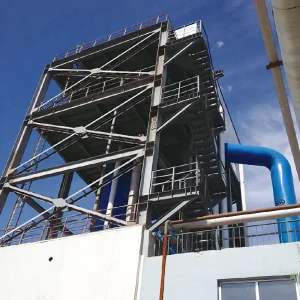
Mechanical vapor recompression (MVR) systems yielding maximum thermodynamic recovery.
Global sea salt recovery has transitioned from solar salt marshes to highly engineered mechanical thermal systems to satisfy pure culinary, medical, and industrial grade requirements. Industrial sea salt evaporation requires the extraction of pure sodium chloride (NaCl) from natural seawater or industrial brine reserves while managing chemical impurities such as magnesium chloride, calcium sulfate, and potassium salts. The optimization of evaporation plants relies on accurate temperature management and dynamic control of crystallization kinematics.
Advanced salt crystallization is performed via vacuum evaporators to achieve strict crystal sizing distributions and high chemical purity. Natural solar evaporation relies heavily on weather variations, whereas closed-loop mechanical systems allow continuous, multi-effect or mechanical vapor recompression processing. Utilizing state-of-the-art evaporation equipment mitigates organic contamination, minimizes environmental waste discharge, and limits specific thermal energy consumption per ton of crystallised output.
The vaporization of large quantities of water from highly saline solutions demands significant latent heat of vaporization. Modern industrial facilities employ advanced methodologies to capture, compress, and reuse steam. By integrating design principles from multi-effect evaporation and Mechanical Vapor Recompression (MVR), the specific steam demand can be drastically reduced, transforming the economic model of large-scale salt refineries globally.
Vacuum evaporation allows salt crystallizers to operate under low-temperature conditions, preventing scaling of calcium species and reducing high-temperature metal stress corrosion cracking.
Choosing the correct equipment configurations involves analyzing thermodynamic parameters, electricity tariffs, and available local waste heat resources. The two primary industry paradigms for industrial sea salt concentration are Multi-Effect Evaporation (MEE) and Mechanical Vapor Recompression (MVR):
| Operational Parameter | Mechanical Vapor Recompression (MVR) | Multi-Effect Evaporation (MEE) |
|---|---|---|
| Main Energy Source | Electricity (Mechanical Compressor) | Thermal Steam (Boiler or Waste Heat) |
| Steam Consumption | Near zero during steady-state run | 0.25 to 0.40 tons per ton of water evaporated |
| Cooling Water Need | Minimal (Vapor condensed within heat exchanger) | High demand for final effect condenser |
| OPEX Profile | Low in countries with competitive power costs | Favorable when integrated with waste steam |
Forced circulation evaporators are ideal for salt crystallization. Highly concentrated slurry is pumped through heat exchanger tubes at high velocities, preventing scale deposition on heat transfer surfaces. Evaporation occurs inside a flash separator vessel rather than on the exchanger surfaces. Conversely, falling film systems are utilized for pre-concentration steps where liquid viscosities remain low and crystals have not yet precipitated, optimizing capital cost and overall heat transfer coefficients.
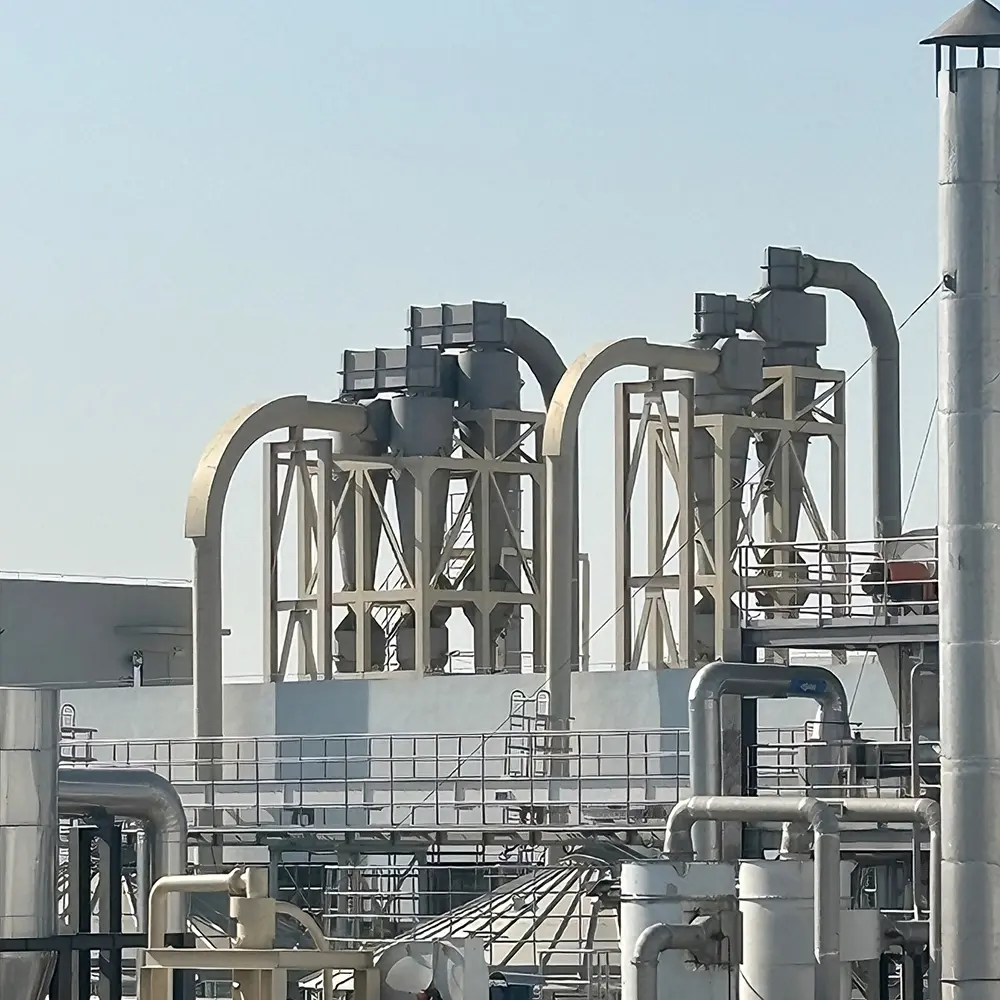
Jiangsu Zongheng's MQG Airflow Dryer employs high-speed hot air to suspend and fluidize materials. By utilizing impulse airflow generated from precisely varied tube diameters, it continuously tumbles particles while conveying them. This design ensures rapid, uniform, and efficient drying throughout the entire transportation process within the system.
View Details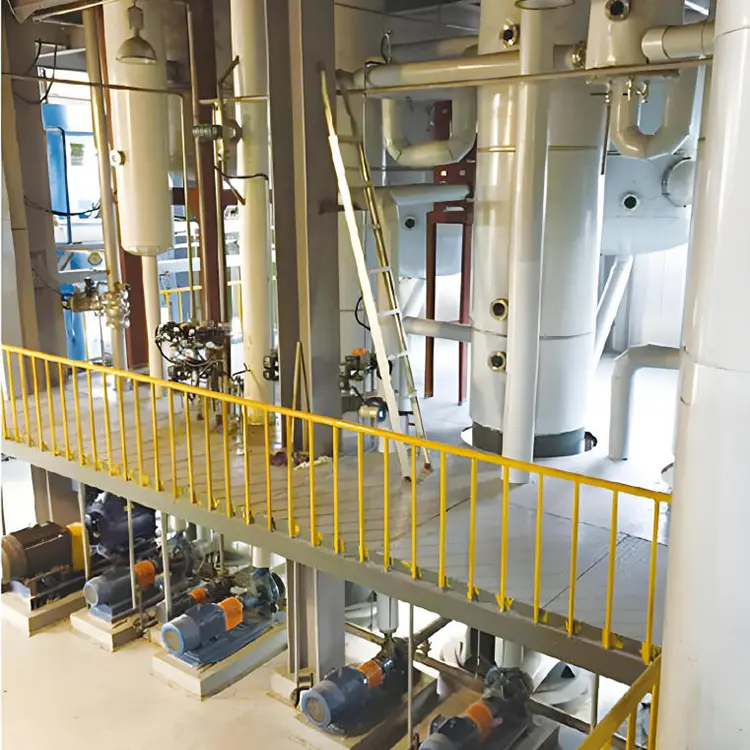
A falling film evaporator efficiently concentrates heat-sensitive liquids. The feed liquid forms a thin film flowing down heated vertical tubes, where it partially evaporates. Vapor generated flows parallel to the liquid, enhancing the process. It ensures a short residence time and low operating temperature, preserving product quality. The system requires proper liquid distribution and complete surface wetting to prevent fouling and maintain high thermal efficiency and operational stability.
View DetailsGlobal procurement teams analyzing salt evaporation systems face complex operational, structural, and regulatory criteria. Because the system operates in a highly corrosive environment containing hot, saturated sodium chloride, engineering specifications must be meticulously reviewed to ensure operational reliability.
Key procurement focus areas include:
Our pressure equipment is designed, fabricated, tested, and certified according to global pressure vessel directives and standards.
Jiangsu Zongheng Concentrating and Drying Equipment Co., Ltd. (formerly Yixing Yangxi Light Industry Machinery Factory), established in 1992, is situated in Zhoutie Town, Yixing City, on the shores of Taihu Lake. Since its founding, the company has evolved into a modern, high-tech production facility specializing in evaporator, industrial dryer, starch processing, and high-pressure vessel manufacturing. The factory encompasses over 54,000 square meters, with more than 22,000 square meters of dedicated processing workshop area.
Our team includes 3 senior engineers, over 20 professional and assistant engineers, and a total staff of 120 technicians. We design and manufacture concentration, drying, starch refining, alcohol DDGS, and Category III medium and low-pressure vessels, providing custom engineering and localized service to the chemical, pharmaceutical, and wastewater treatment industries.
As an active member of the China Starch and Alcohol Association, we align our product engineering with modern environmental standards, supporting carbon reduction goals and zero-liquid-discharge (ZLD) requirements.

Consult with our process engineering team to review thermal layouts, mass balances, and chemical compatibility parameters.
Multi-stage washing and classification systems for optimized starch extraction.
Continuous press designs featuring optimized compression profiles for fiber separation.
Concentrates organic-rich effluents utilizing waste heat sources, optimizing energy consumption.
Engineered to process fibrous slurry feeds in starch and food processing lines.
Reduces emissions by recycling waste energy streams, lowering carbon intensity.
Engineered mechanical design optimizes dry solid output while minimizing motor power demand.
Engineered for heavy industrial evaporation environments, incorporating automatic CIP controls.
Optimized screw design for starch co-product moisture reduction applications.
 Zongheng