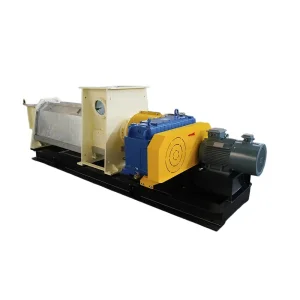
High-performance mechanical dewatering systems engineered specifically to extract moisture efficiently from fibrous materials and agricultural slurry.
Explore System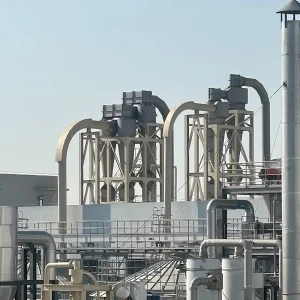
Utilizes high-velocity hot air flows to suspend damp particulate matter, driving instantaneous moisture evaporation during pneumatic transport.
Explore System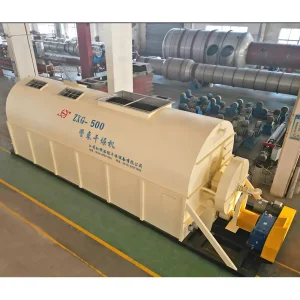
Steam-heated indirect drying systems optimized for handling heat-sensitive granular crops and starches, ensuring safe operations in low-oxygen states.
Explore System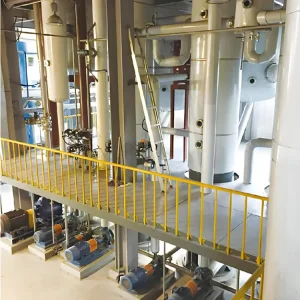
Advanced thermal concentration setups that pass a liquid film down vertical heated tubes, preserving biological compounds in delicate liquids.
Explore System
CE-compliant high-performance evaporation loops designed for European safety standards, delivering minimal residence thermal impact.
Explore System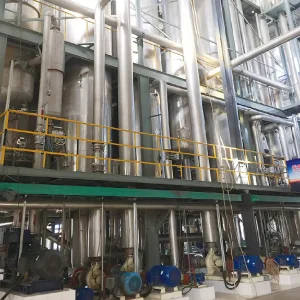
Engineered for materials prone to scaling, crystallization, or high-viscosity buildup by implementing fast fluid recirculation rates.
Explore System
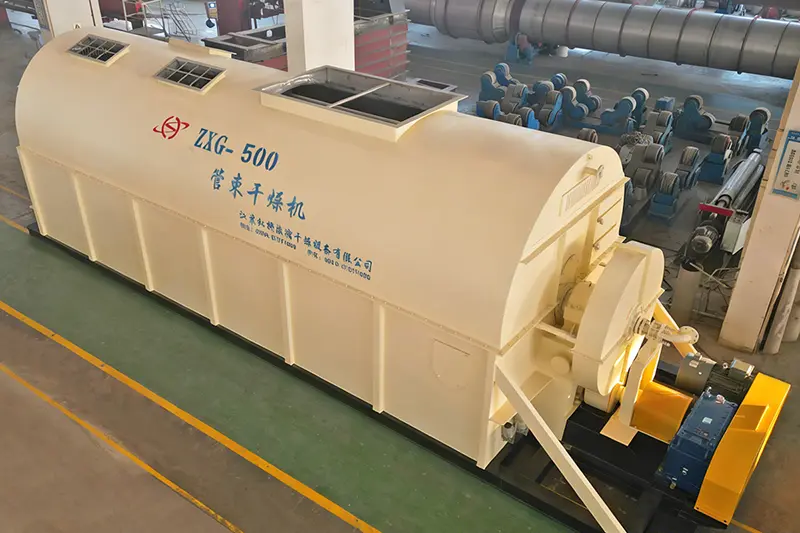
Heavy-duty industrial bundle dryers providing uniform heat transfer and highly efficient moisture recovery with indirect steam loops.
Explore System
High-capacity solid-liquid separators optimized to reduce thermal loads on subsequent rotary or pneumatic drying components.
Explore SystemIn modern agricultural logistics, preserving harvested grain viability and preventing post-harvest loss is a critical global challenge. As climate volatility introduces unpredictable rain patterns during critical harvesting windows, traditional centralized grain drying depots are increasingly being supplemented by versatile, portable grain dryers and highly efficient decentralized drying complexes. Industrial operations require drying technologies that can minimize fuel consumption, prevent grain cracking, and operate reliably under continuous loads.
Historically, grain drying relied on basic direct-fired air heaters, exposing grain to combustion byproducts and uncontrolled temperatures, which often degraded starch quality and protein structures. Today’s industrial standard demands indirect steam or hot-air systems, similar to the technology utilized in Jiangsu Zongheng’s MQG Airflow Dryer. By suspending and fluidizing the material in high-velocity clean hot air, moisture is driven off uniformly without scorching the grain kernels.
Additionally, modern systems implement pulse-flow channels. Varying the diameters of pneumatic drying conduits introduces pressure differentials that cause particles to tumble continuously. This tumbling dynamic disrupts the boundary layer of saturated vapor surrounding each kernel, facilitating faster moisture transfer and reducing overall energy inputs by up to 25% compared to static fluid-bed systems.
A major design consideration for a global manufacturer is managing differing crop characteristics. For example, maize (corn) harvested at 25-30% moisture content requires robust, mass-flow continuous dehydration to reach a safe storage threshold of 14% without inducing stress cracks. Conversely, wheat requires gentle thermal thresholds to preserve gluten strength, while paddy rice requires long tempering periods between brief drying passes to prevent kernel breakage.
To meet these requirements, manufacturers must supply versatile modular drying frameworks that integrate:
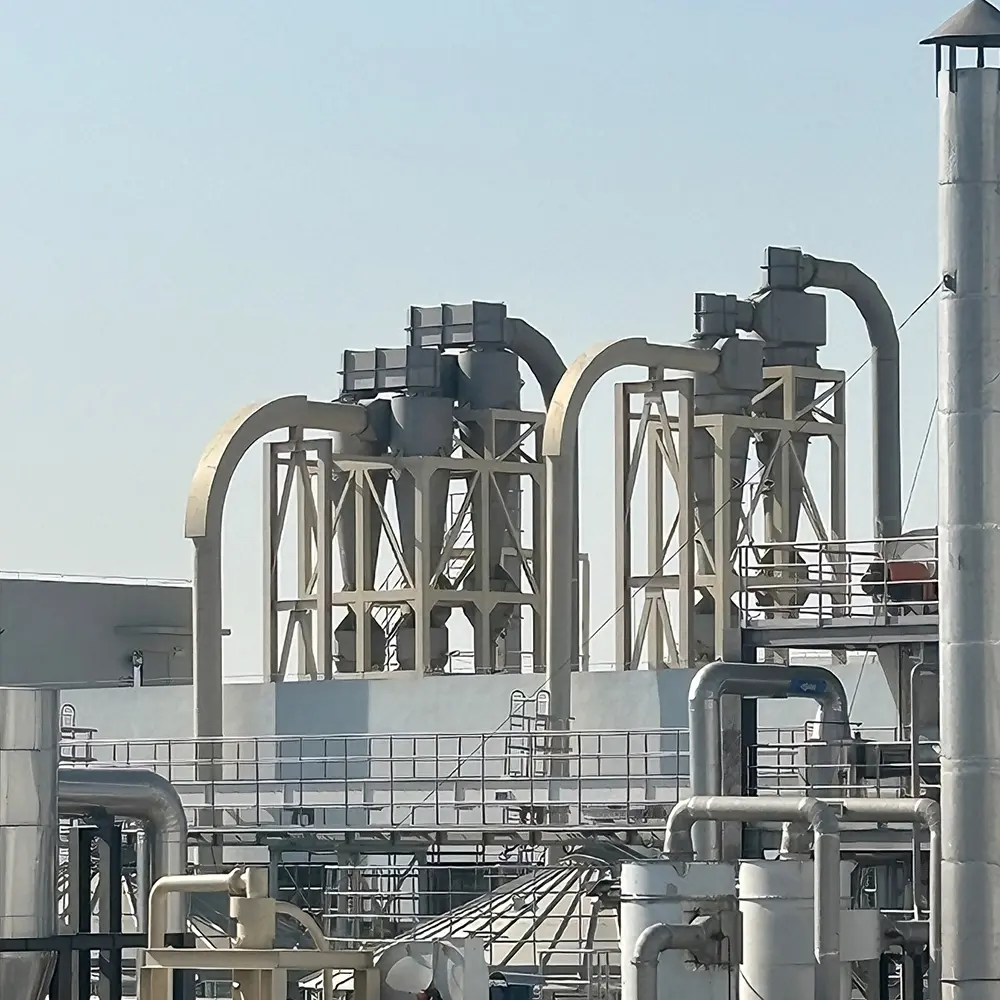
Jiangsu Zongheng's MQG Airflow Dryer employs high-speed hot air to suspend and fluidize the material. By utilizing impulse airflow generated from precisely varied tube diameters, it continuously tumbles the particles while conveying them. This design ensures rapid, uniform, and efficient drying throughout the entire transportation process within the system.
By optimizing the drying path and thermal exchange rates, agricultural processors can manage throughputs exceeding dozens of metric tons per hour while preserving organic integrity and avoiding local overheating zones.
View System SpecificationsA falling film evaporator efficiently concentrates heat-sensitive liquids. The feed liquid forms a thin film flowing down heated vertical tubes, where it partially evaporates. Vapor generated flows parallel to the liquid, enhancing the process. It ensures a short residence time and low operating temperature, preserving product quality. The system requires proper liquid distribution and complete surface wetting to prevent fouling and maintain high thermal efficiency and operational stability.
Explore Evaporation Solutions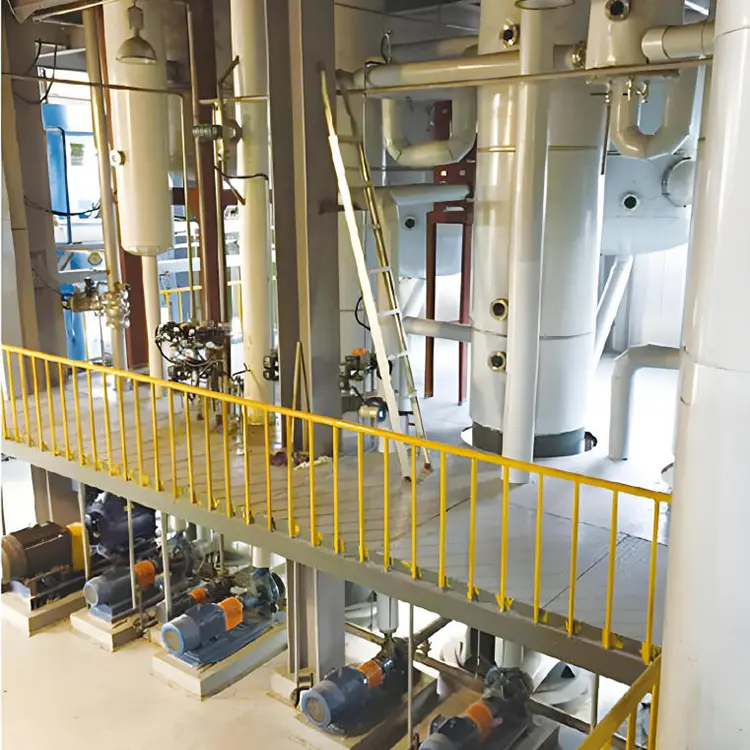
Purchasing heavy agricultural processing equipment from overseas requires evaluation of engineering standards, manufacturing processes, and compliance certifications. When sourcing a China portable grain dryer or centralized bundle dryer, procurement teams must look beyond initial capital expenditure and analyze total cost of ownership (TCO), thermal efficiency, and safety compliance.
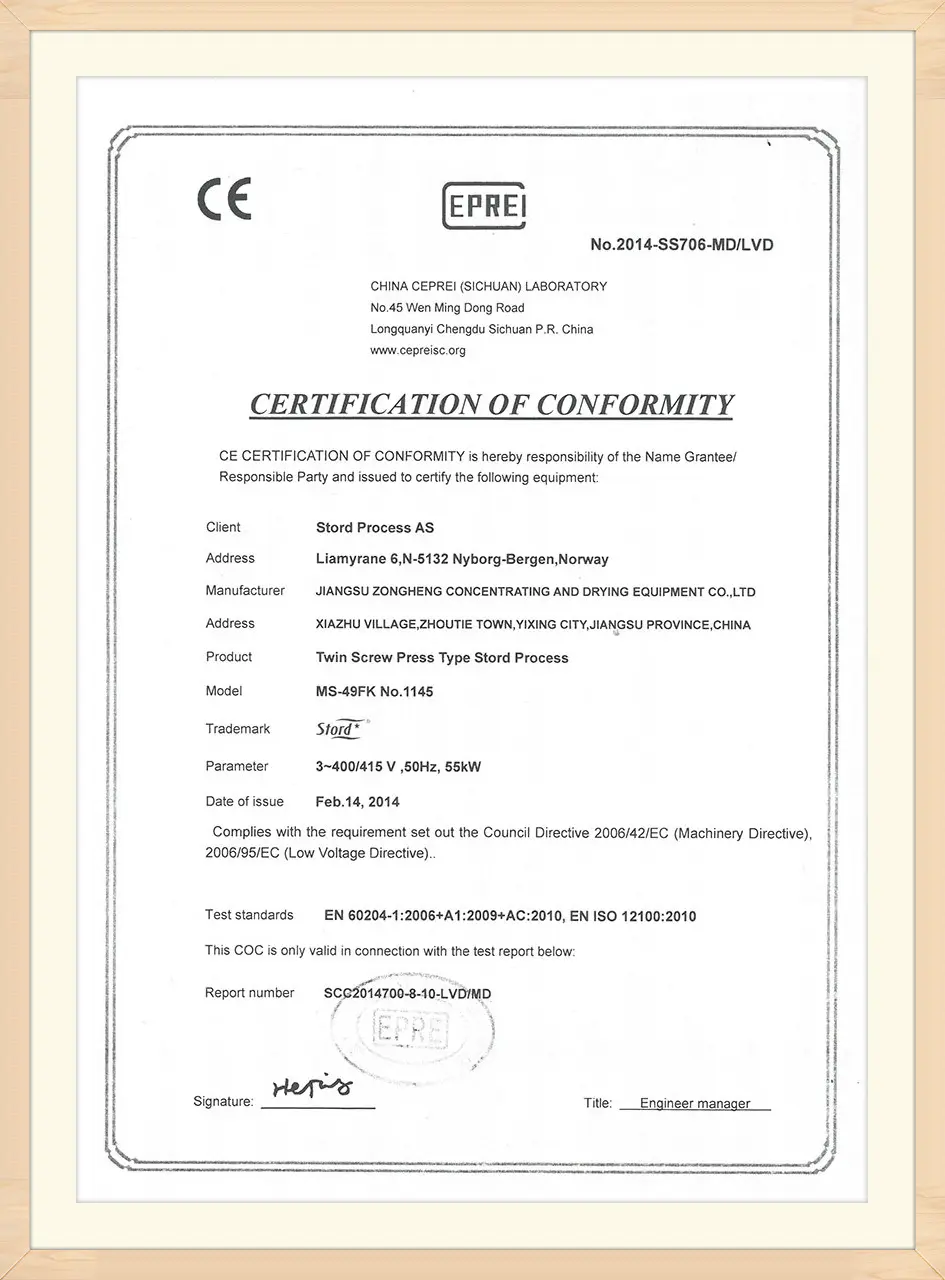
Industrial steam-heated drying and evaporation systems operate under high pressures and thermal cycles. Manufacturing facilities must possess certified design and production protocols. Standards such as the ASME "U" Stamp, the Special Equipment Manufacturing License of the PRC (Class III pressure vessels), and CE certification for European installations confirm that the factory’s materials, welding methods, and quality control systems are verified for safety.
Operational energy is the largest contributor to grain processing costs. Advanced setups integrate drying processes with waste heat recovery loops. Technologies such as Mechanical Vapor Recompression (MVR) and Waste Heat Evaporators capture low-grade exhaust vapors, compressing them to raise their thermal energy. This recycled heat is then fed back into the system, reducing primary steam consumption by up to 50-70%.
Industrial machinery must be built to withstand abrasive dust, moisture, and continuous operation. Structural components, rotating shafts, and heat exchanger tubes should utilize high-grade stainless steels (such as SUS304 or SUS316L) to prevent corrosion and corrosion-induced stress cracks. A properly designed system maintains structural integrity and processing efficiency for decades, even in continuous harvesting schedules.
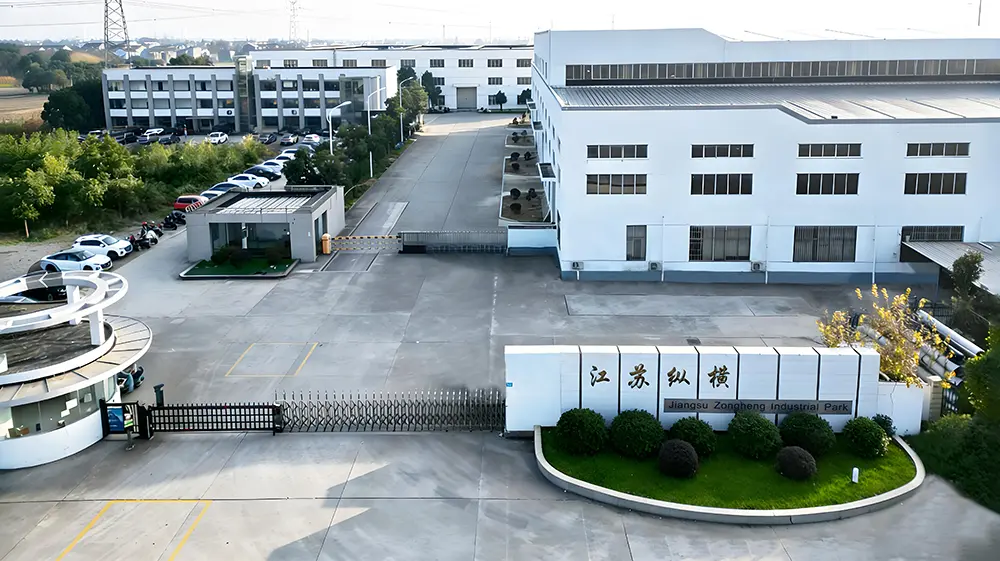
Jiangsu Zongheng Concentrating and Drying Equipment Co., Ltd (formerly Yixing Yangxi Light Industry Machinery Factory), founded in 1992, is located in Zhoutie Town, Yixing City, on the shores of the beautiful Taihu Lake. The company covers an area of over 54,000 square meters, with a production workshop area of over 22,000 square meters.
Today, the company covers a total area of over 54,000 square meters, with production workshop space exceeding 22,000 square meters. It currently employs 3 senior engineers and over 20 engineers and assistant engineers, with a total staff of 120 people.
Achieved international quality system certification (Certificate No.: 45021), establishing a complete quality assurance system aligned with international standards.
Acquired the ASME "U" Stamp authorization, marking the company's entry into a new phase of international development.
The company obtained the Special Equipment Manufacturing License of the People's Republic of China (License No.: TS2232C42) for Class III pressure vessels.
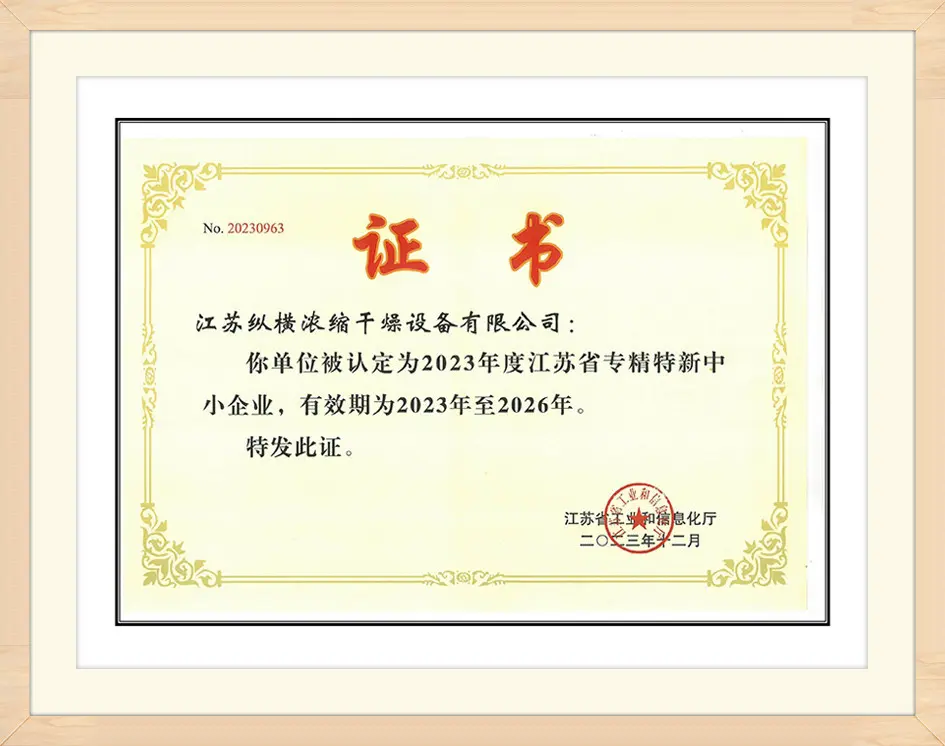
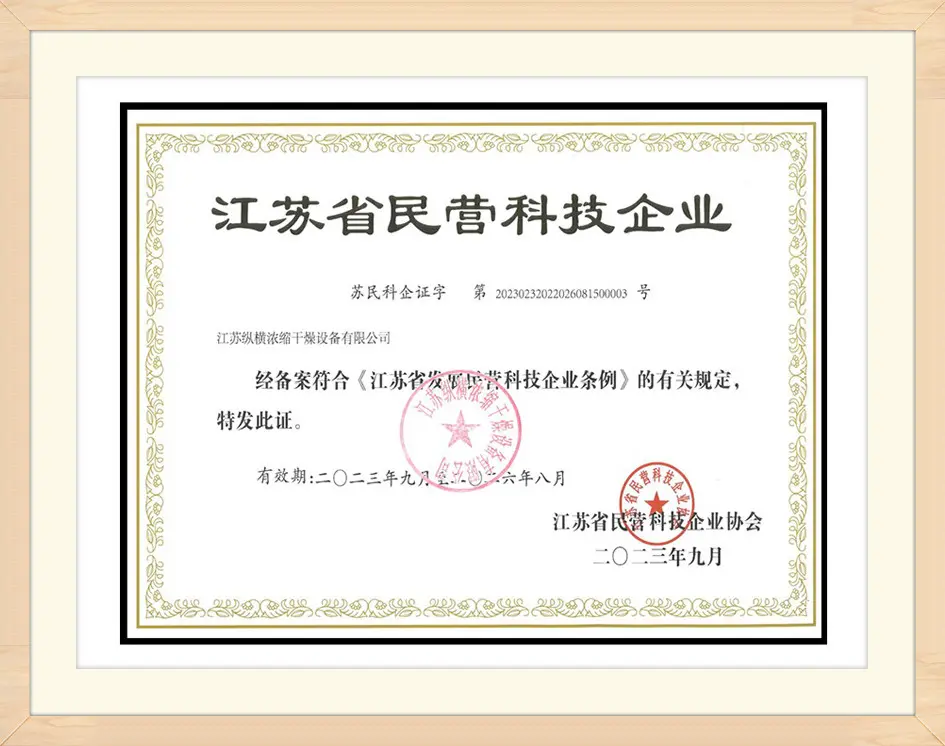
Recognized as a Jiangsu Provincial High-Tech Enterprise, demonstrating leadership in drying and evaporation technology R&D.
The company took the lead in obtaining ISO9001, structuring our raw material tracing, production, and installation workflows.
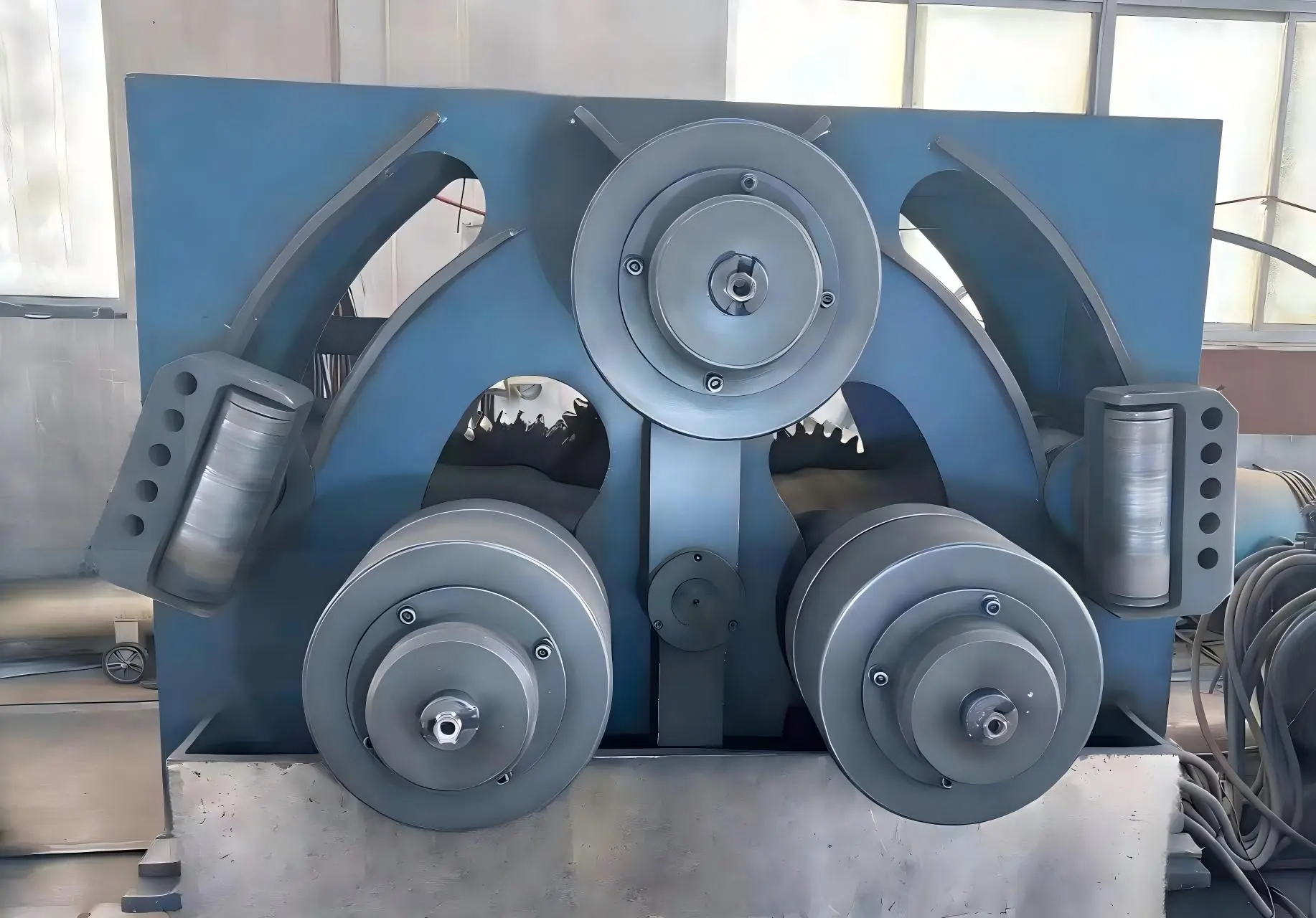
Jiangsu Zongheng Concentrating and Drying Equipment Co., Ltd, formerly known as Yixing Yangxi Light Industrial Machinery Factory, was established. The initial facility covered an area of approximately 15 mu and had 45 employees.
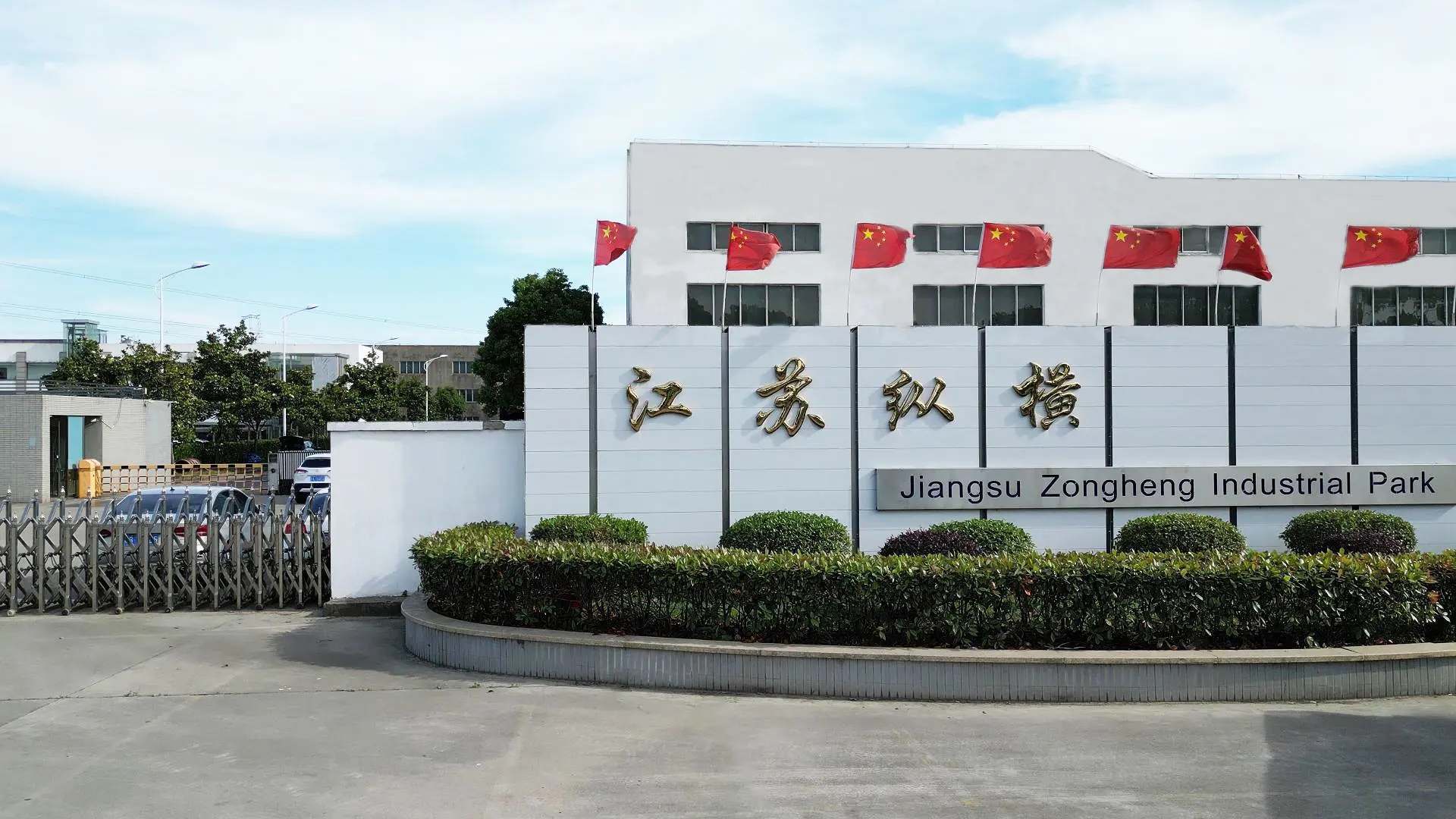
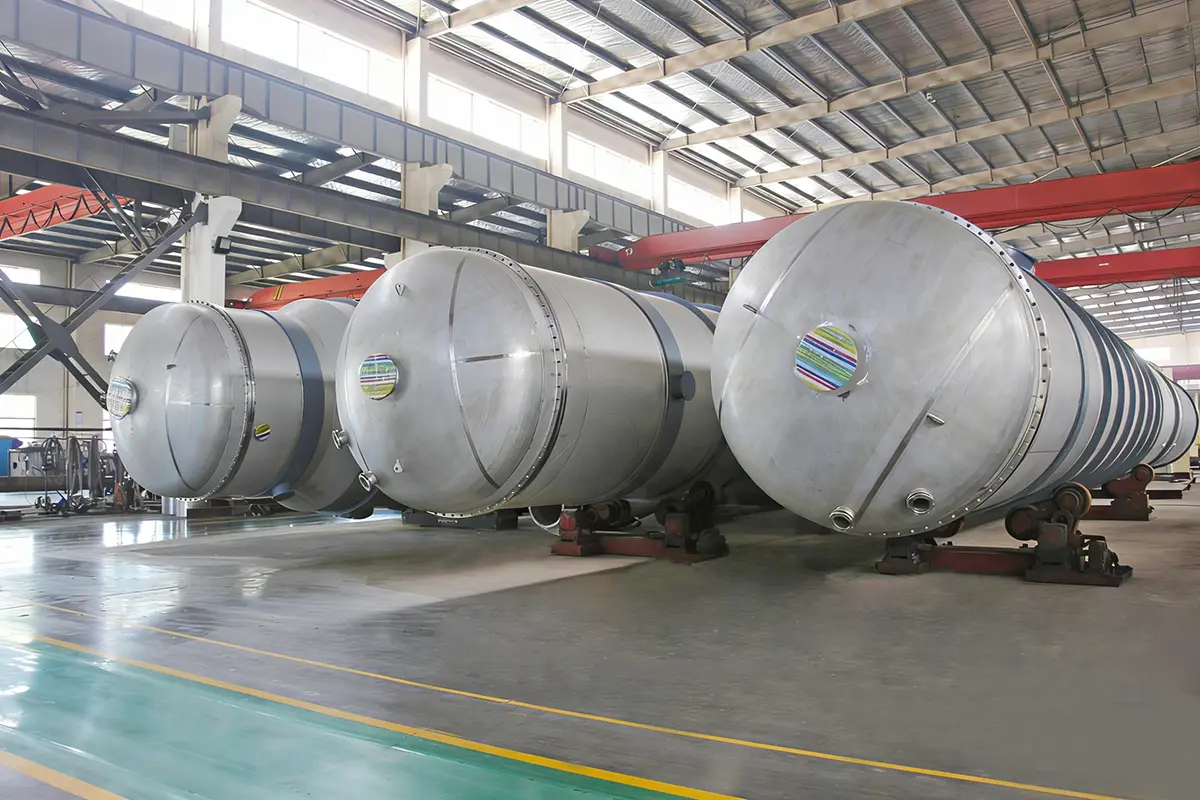
Concentrates liquids across chemical processing, wastewater treatments, and food fermentation loops by applying low-temperature vacuum boiling.
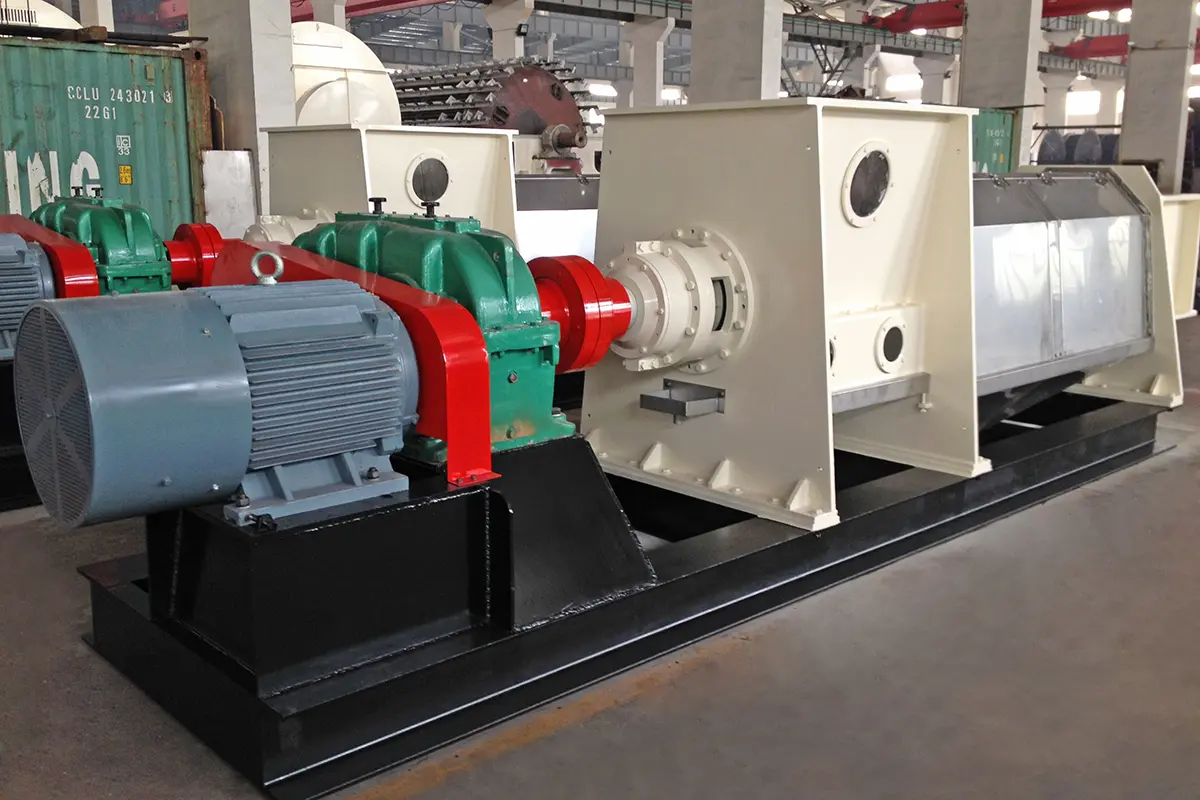
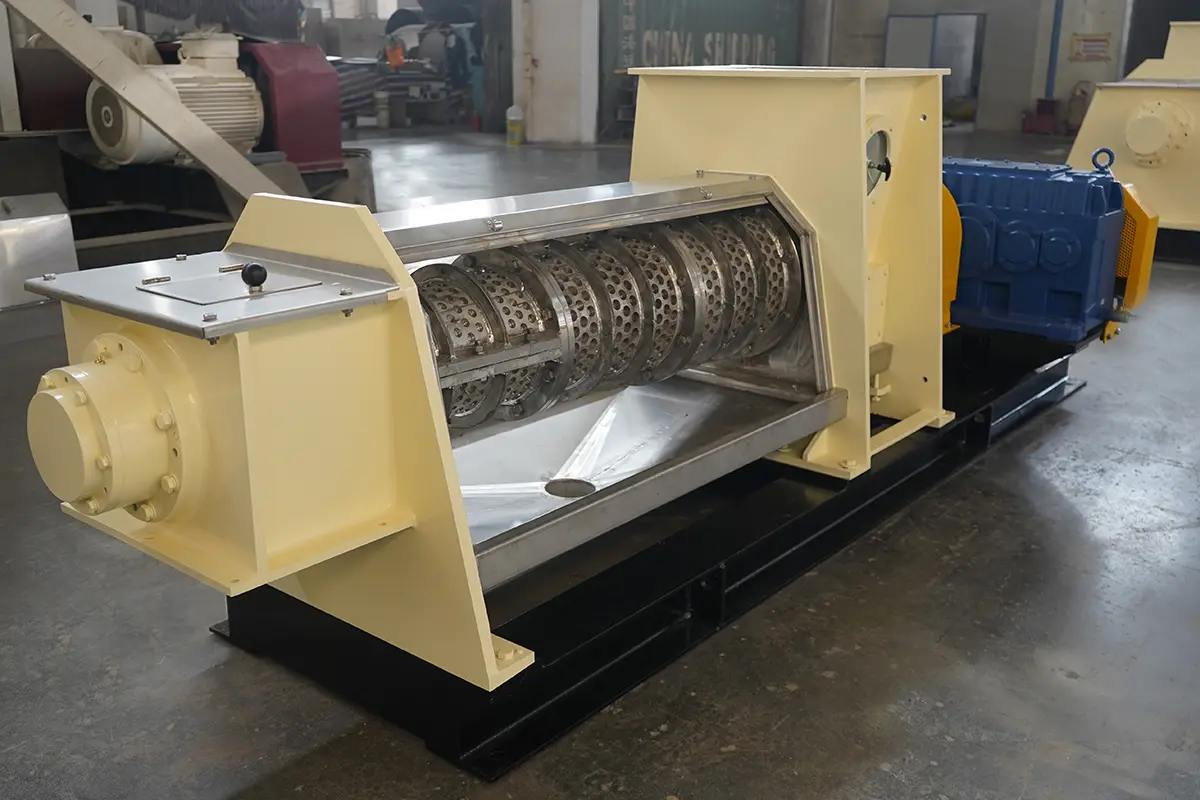
Extracts free liquids mechanically from organic waste, fiber pulps, and starches prior to thermal drying to reduce primary energy demand.
High-speed centrifugal separators designed to clarify suspensions, isolate fine starches, and handle crystalline components.
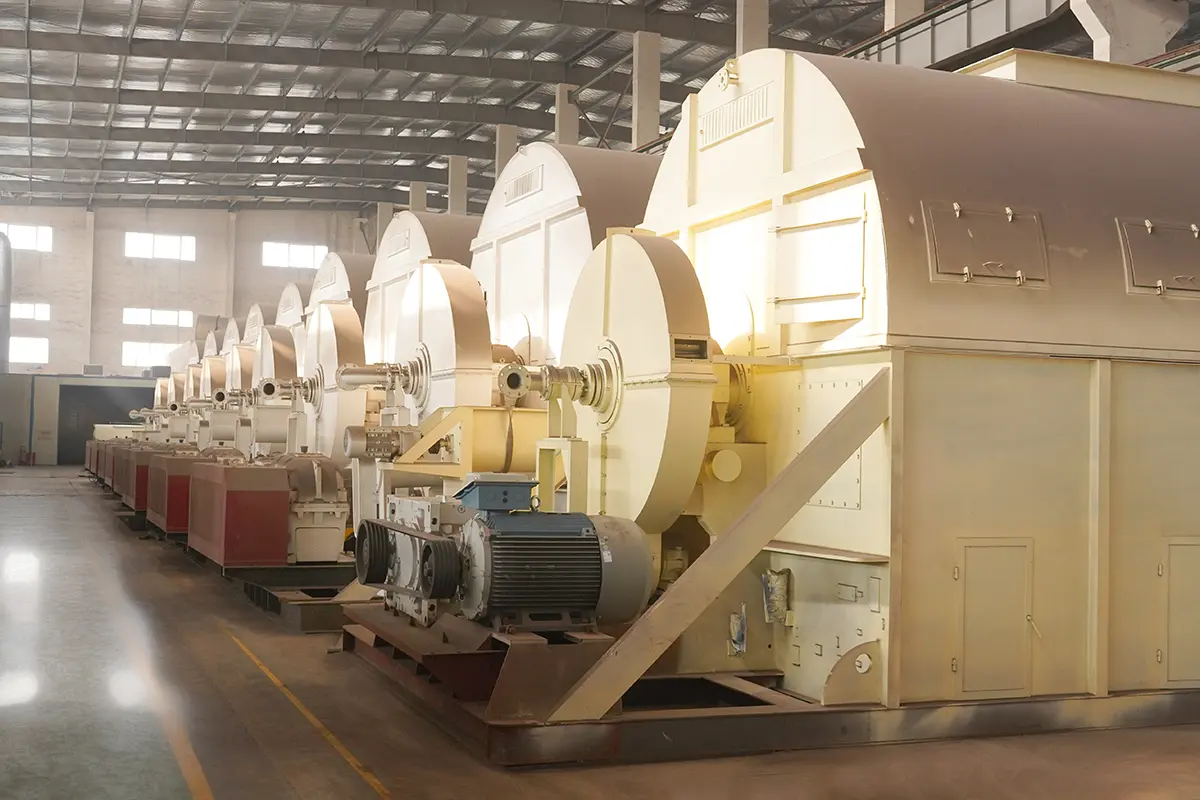
Provides contact drying for high-throughput starch refining and agricultural processing, maintaining stable steam temperatures.
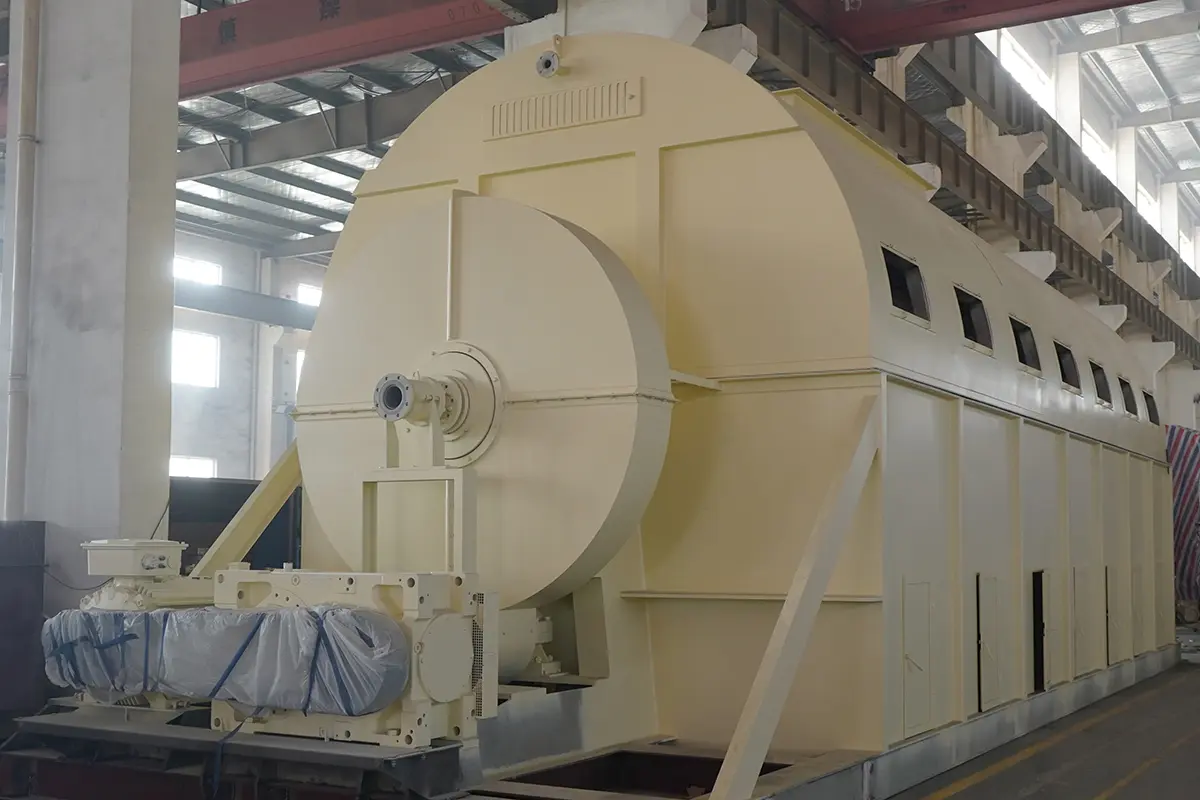
Safe processing environment for combustible agricultural dusts, DDGS products, and fine organic compounds.
Integrated concentration loops designed for corn wet-milling, wheat starch lines, and DDGS plant sub-products.
The drying sector is undergoing a transition driven by carbon reduction requirements and automation. As B2B agricultural processors face higher operating costs, machinery builders are implementing smart sensors and hybrid heating systems to improve efficiency.
Traditional drying systems rely on manual sample measurements to adjust system parameters, which can lead to over-drying or under-drying during initial operation. The next generation of systems integrates inline moisture analyzers. These sensors measure inlet moisture and product density, adjusting feed speed and steam volume in real time. This automated control maintains consistent moisture outputs within a 0.5% tolerance, protecting grain quality and preventing energy waste.
To reduce reliance on fossil fuels, modern plants are incorporating hybrid heating configurations. By combining direct biomass heat sources, steam heat exchangers, and electrical heat pumps, systems can adapt to available energy inputs. Additionally, integrating mechanical vapor recompression (MVR) allows processors to reuse exhaust energy, supporting more sustainable operations.
For decentralized agricultural areas, modular and portable processing systems are increasingly valuable. Building drying and dewatering equipment onto containerized or trailer-mounted frames allows processors to move machinery between locations. This flexibility helps farmers dry grain immediately after harvest, preserving crop value and reducing transportation costs.
Authorized manufacturer of high-pressure vessels meeting global safety guidelines.
Quality assurance systems applied to design, fabrication, and testing processes.
Licensed manufacturer of Class III special pressure vessels in the PRC.
Recognized for technological innovation in industrial drying and evaporation systems.
We welcome cooperation and design inquiries from agricultural processors, starch refiners, alcohol factories, and B2B distributors worldwide.
Engineered to process high-solid suspensions, offering reliable mechanical dewatering for starch plants and wastewater applications.
Explore System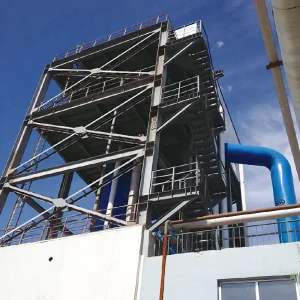
Mechanical Vapor Recompression plants utilize compressor technology to recycle steam energy, lowering thermal footprint and operating costs.
Explore System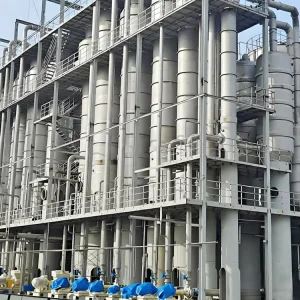
Designed to capture waste heat from drying processes and plant exhaust, reducing overall primary fuel and steam demand.
Explore System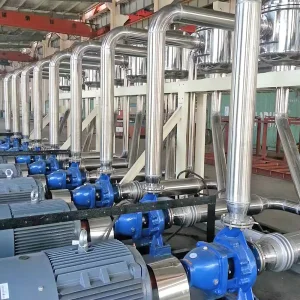
Specifically designed for multi-stage washing, purification, and impurity separation in commercial starch processing lines.
Explore System
Utilizes waste heat to concentrate industrial wastewater, helping plants reduce energy consumption and meet environmental regulations.
Explore System
High-performance vacuum concentration loops designed to preserve structural integrity in heat-sensitive food products.
Explore System
Engineered for materials prone to scaling and high viscosity, utilizing forced circulation loops to maintain constant velocity and prevent fouling.
Explore System
Indirect steam-heated dryers that protect materials from contamination while providing reliable moisture removal for high-throughput plants.
Explore System Zongheng