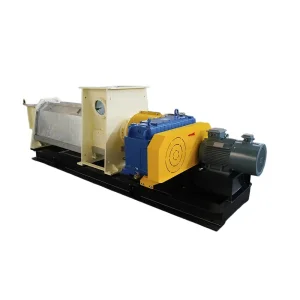
Direct factory dewatering solutions utilizing variable pitch technology to ensure high dryness output across agricultural, pulp, and wastewater sludge processing operations.
Read More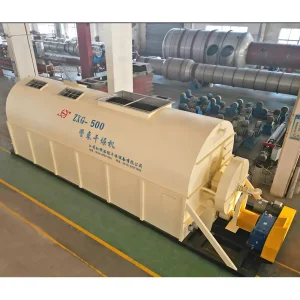
Engineered for light industry applications, delivering optimal heat exchange efficiency via low-pressure steam contact. Ideal for starch, DDGS feed, and chemical crystals.
Read More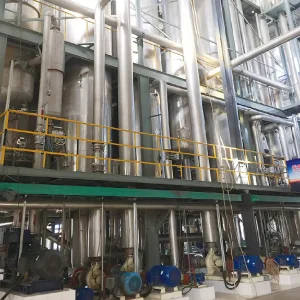
Excellent fouling resistance for crystallization processes. Built with high velocity circulation loops to handle high viscosity and highly scaling fluids.
Read More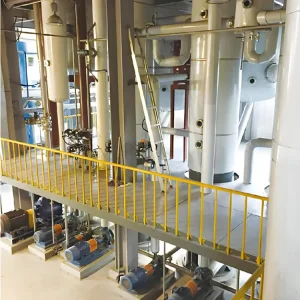
Advanced film distribution nozzles minimize residence time, protecting heat-sensitive compounds. High thermal efficiency reduces overall energy footprint.
Read More
Designed with heavy-duty screens and high-torque drives, delivering reliability for challenging pulp, paper, and wastewater treatment plants.
Read More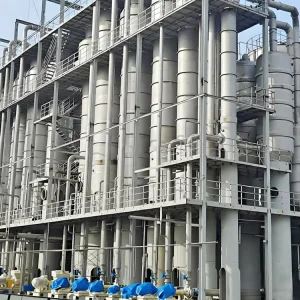
Reutilizes secondary vapors or waste steam from industrial dryers. Cuts primary steam consumption dramatically in starch sugar and ethanol mills.
Read More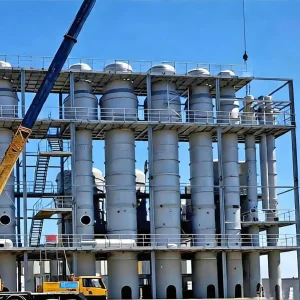
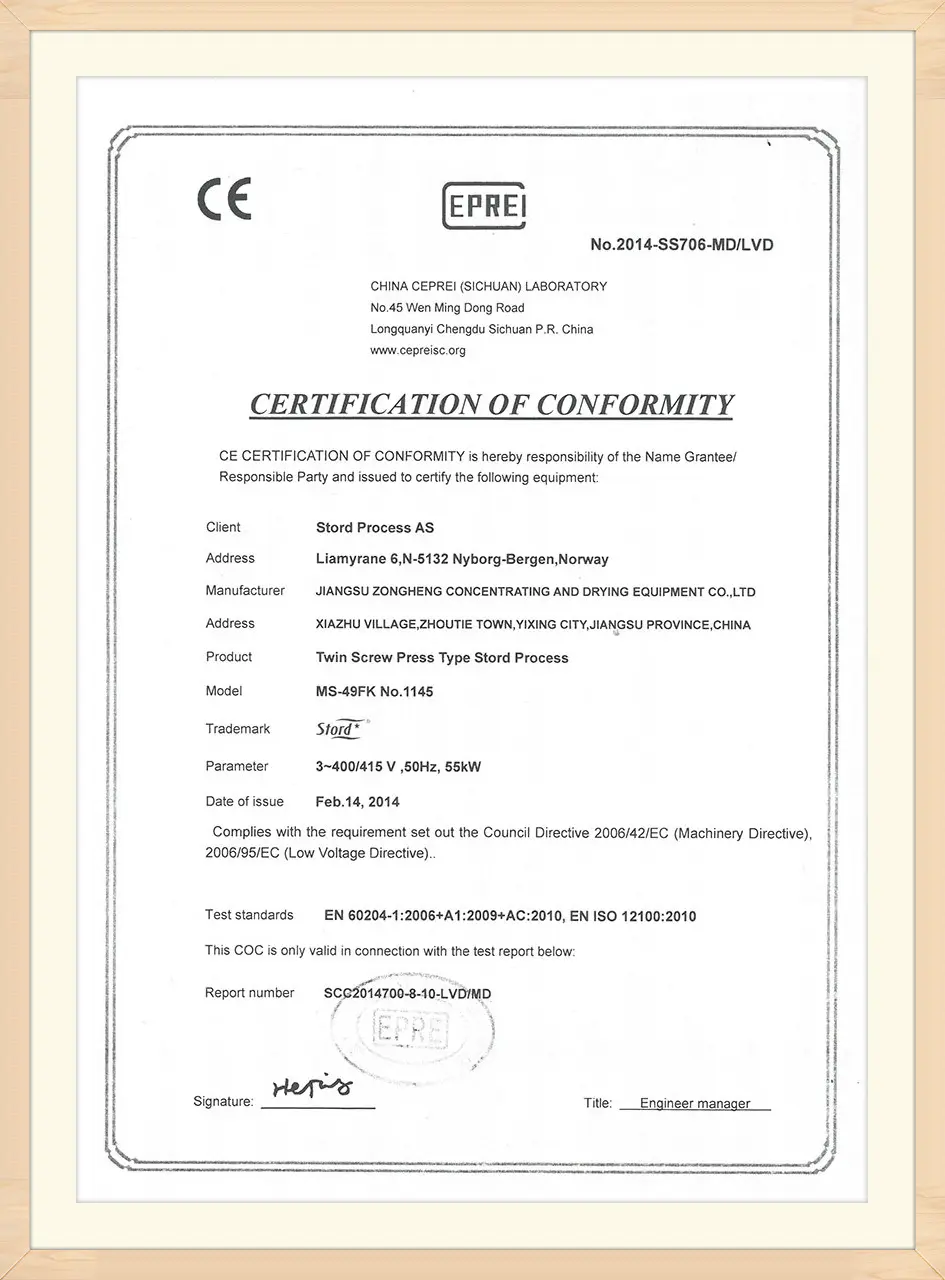
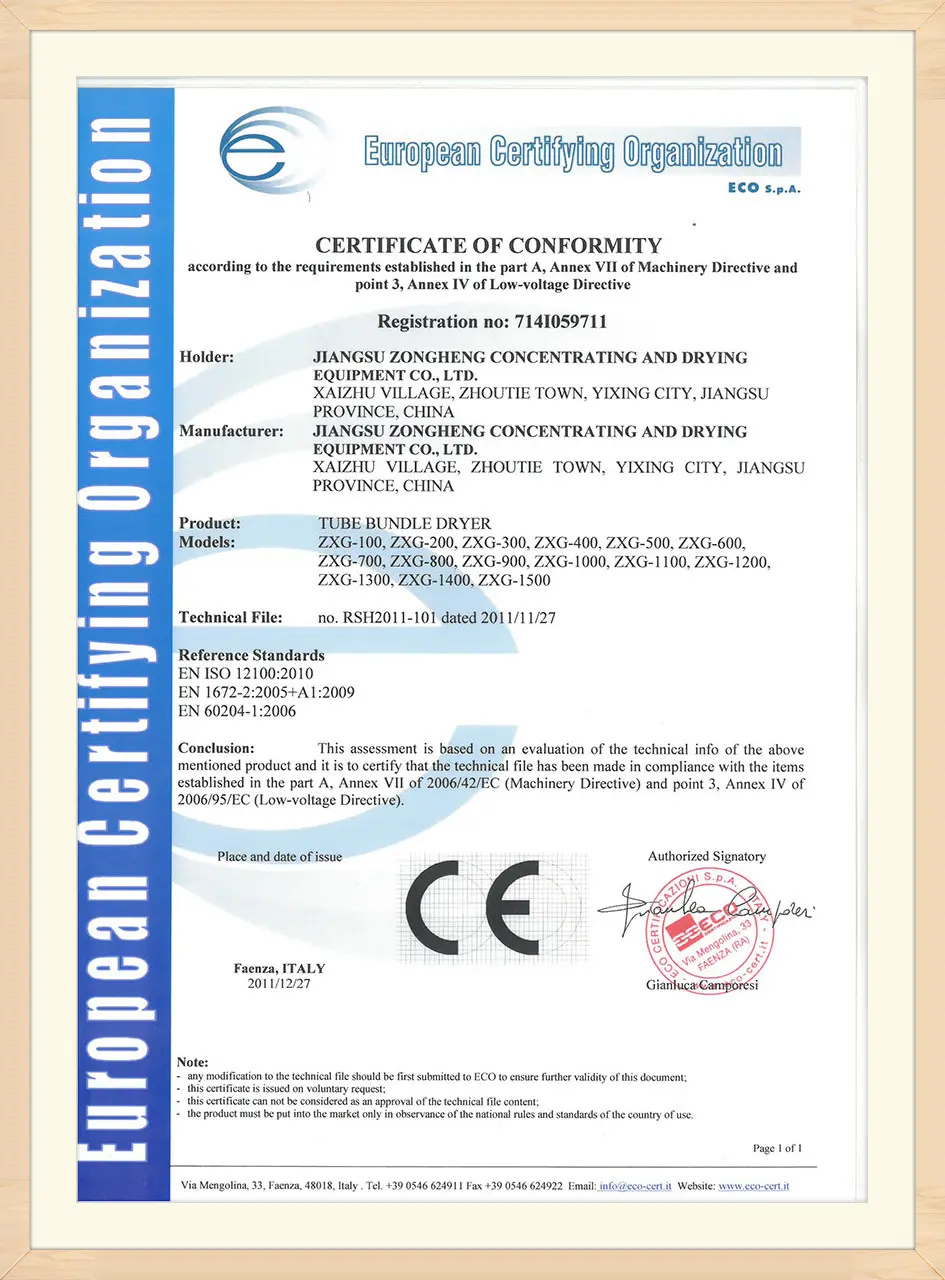
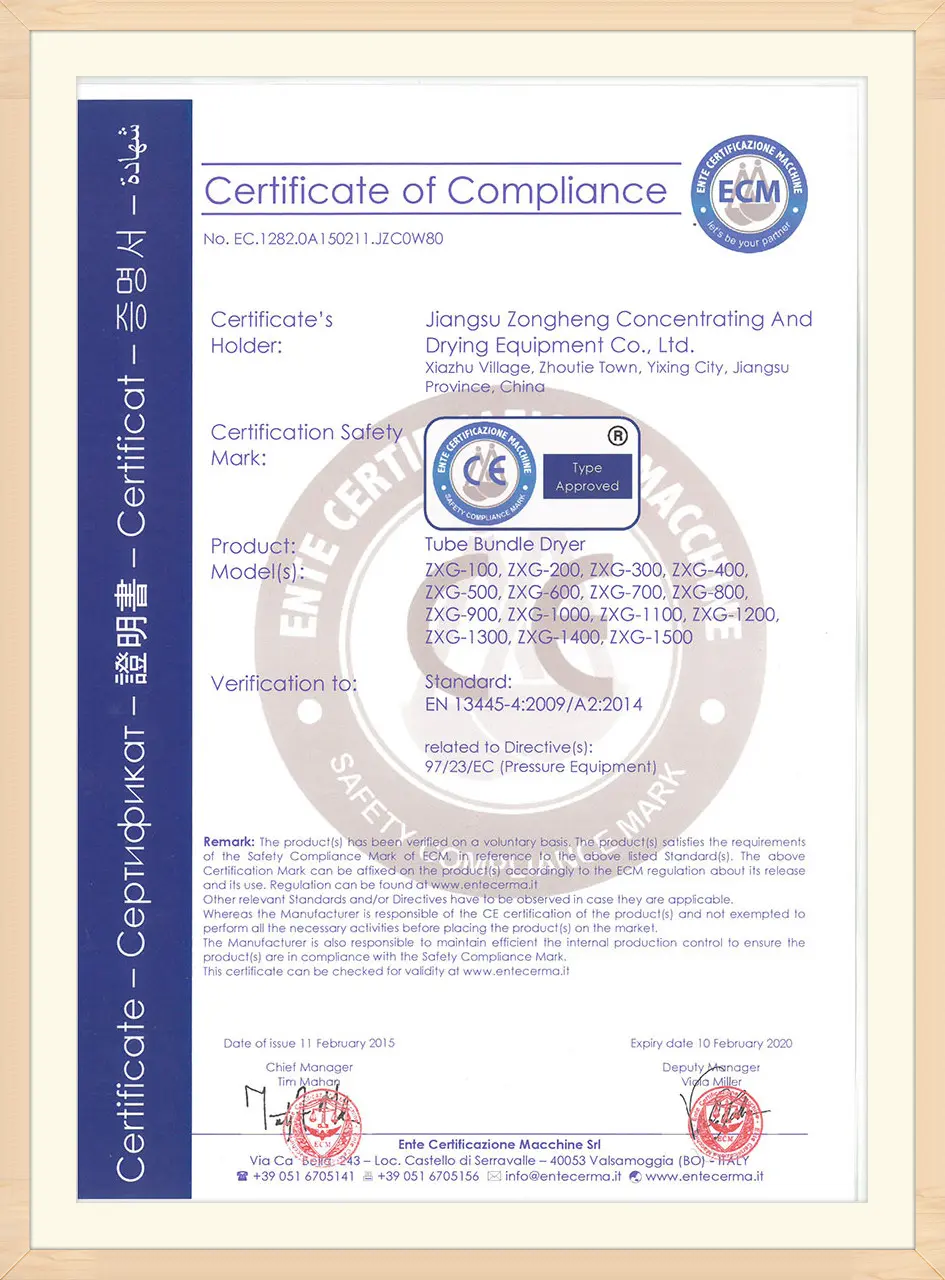
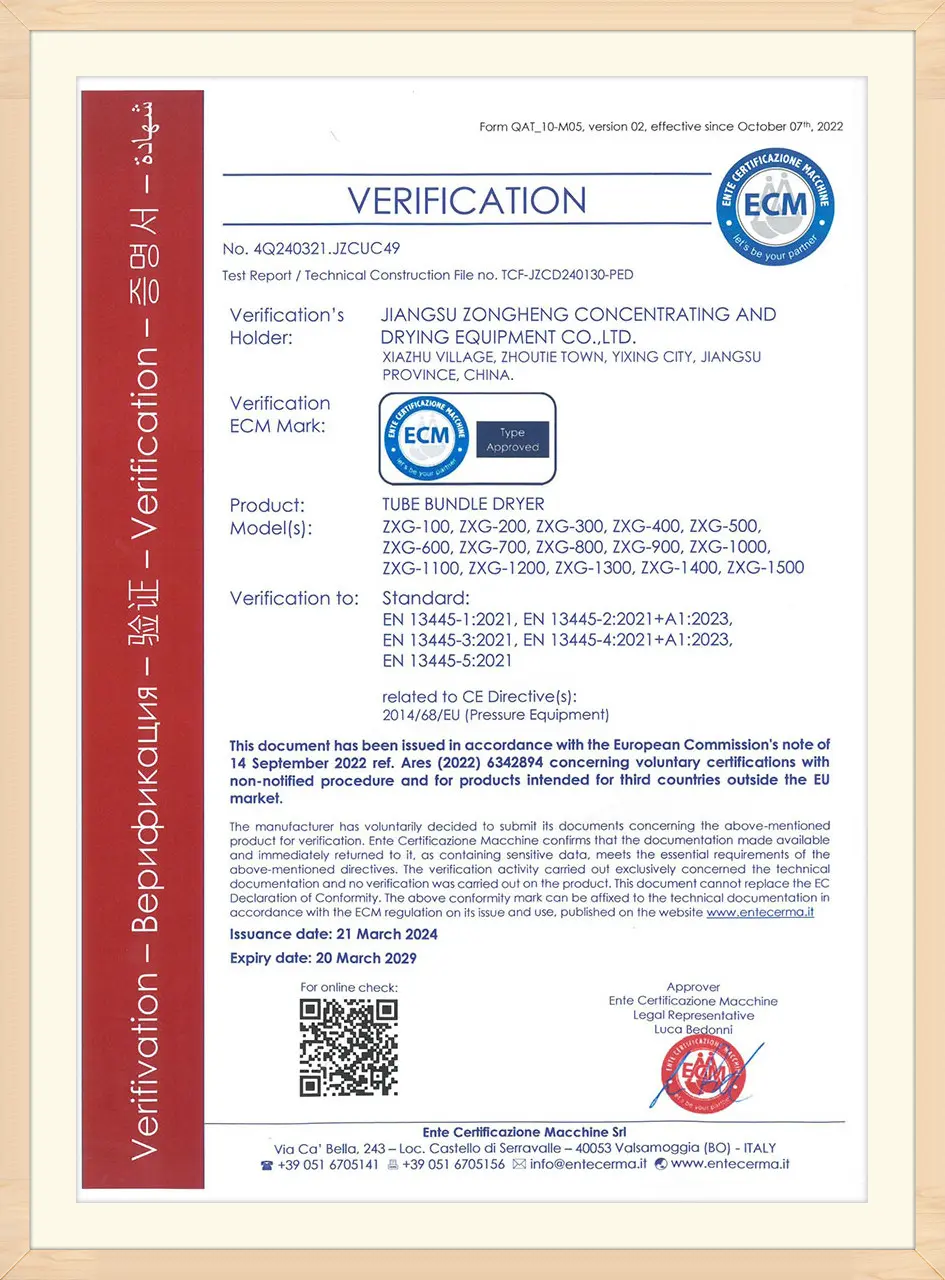
Full European standard compliance (CE PED) ensuring structural integrity and process control safety parameters for hazardous industrial environments.
Read More
Custom-engineered thermal separation systems designed to optimize vapor recompression ratios, decreasing standard operational expenditure.
Read MoreIndustrial evaporation and drying technologies constitute the core thermal processing elements of modern bio-refineries, chemical manufacturing, starch processing, and zero-liquid-discharge (ZLD) environmental mitigation lines. At the heart of these processes is the requirement to efficiently transfer thermal energy to phase-change liquid components (predominantly water) while maintaining the integrity of solute materials, reducing energy footprints, and minimizing system fouling.
Selecting an optimal evaporator plate and heat exchanger structure requires a precise evaluation of fluid dynamics, boiling point elevation (BPE), viscosity progression, and chemical compatibility. As leading manufacturers in China, Jiangsu Zongheng integrates advanced modeling to design film thickness, vapor velocities, and mechanical integrity that withstand severe operating cycles.
Rising global fossil fuel prices and stringent net-zero carbon initiatives force industrial plants to reconsider their thermal concentration lines. Traditional multi-effect evaporators consume substantial amounts of primary steam. Our current engineering designs prioritize Mechanical Vapor Recompression (MVR) and Thermal Vapor Recompression (TVR) integrations. By recycling latent heat from secondary vapor back into the evaporation process, MVR plants reduce live steam consumption by up to 90%, yielding unmatched return-on-investment profiles for large-scale operations.
Corrosive process liquors—such as high-chloride wastewater, organic acids from fermentation, and corn steep liquor—present severe stress-corrosion cracking and pitting hazards. Jiangsu Zongheng processes high-alloy materials, specializing in Duplex Stainless Steels (e.g., S32205, S32750), Hastelloy, and Titanium (Grade 1/2) for plate and tubular heat exchanges. We execute sophisticated welding procedures certified under ASME Section IX, ensuring every evaporator plate assembly meets exact mechanical standards.
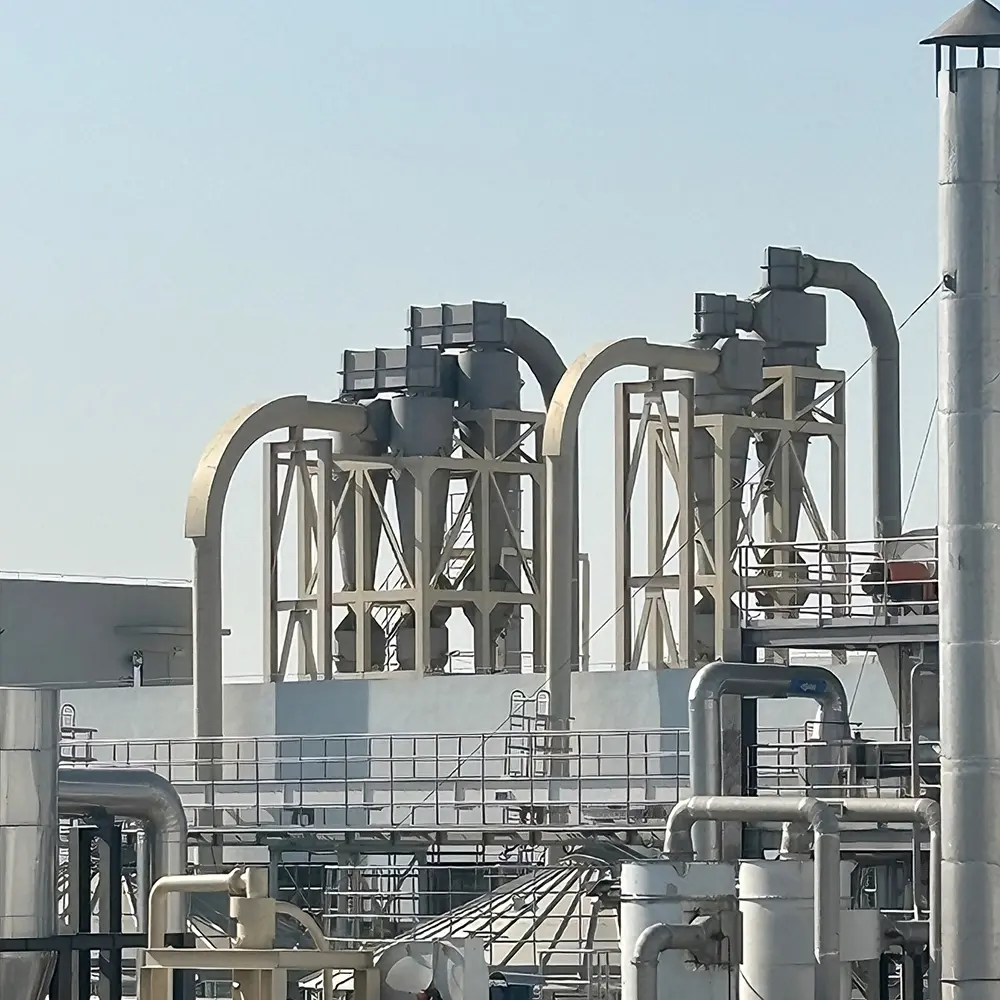
Jiangsu Zongheng's MQG Airflow Dryer employs high-speed hot air to suspend and fluidize the material. By utilizing impulse airflow generated from precisely varied tube diameters, it continuously tumbles the particles while conveying them. This design ensures rapid, uniform, and efficient drying throughout the entire transportation process within the system, making it ideal for starches, proteins, and chemical intermediate crystals requiring lightning-fast moisture flash-off.
Fluidization Dynamic: Flash processing in less than 1.5 seconds mitigates thermal degradation of heat-sensitive organic compounds while maintaining high-throughput output continuity.
View Technical Data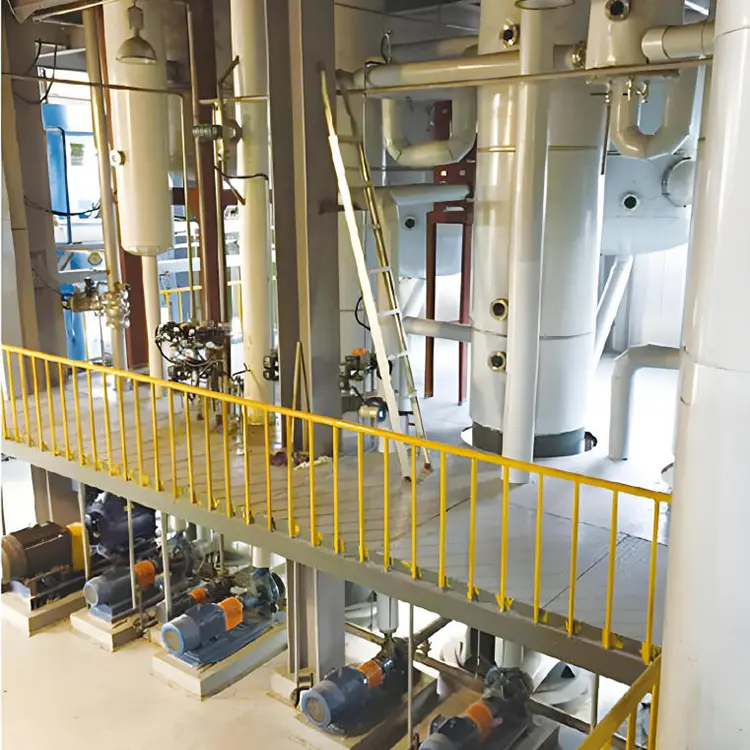
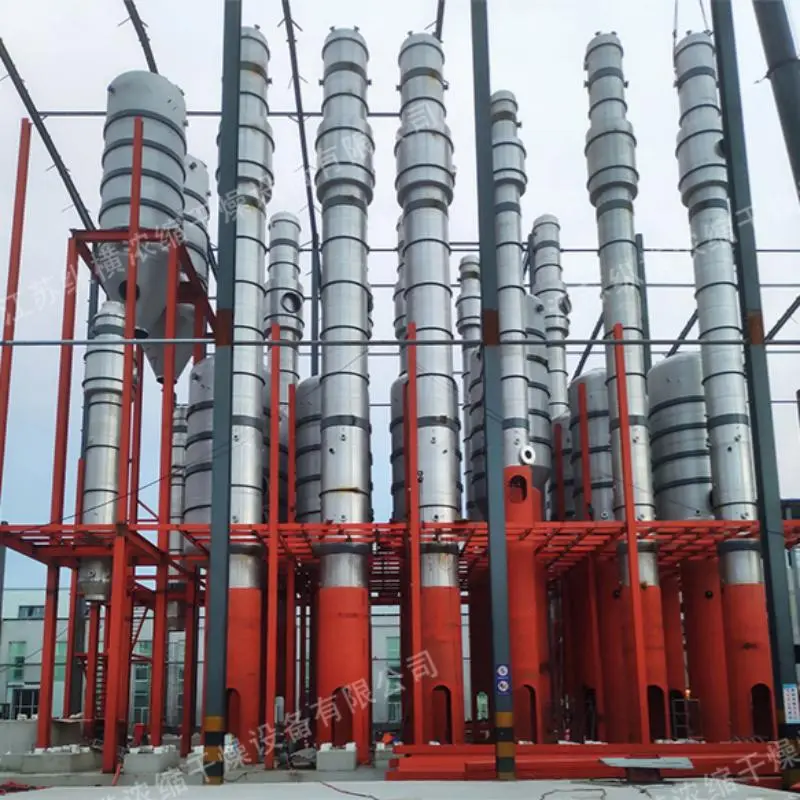
A falling film evaporator efficiently concentrates heat-sensitive liquids. The feed liquid forms a thin film flowing down heated vertical tubes or plates, where it partially evaporates. Vapor generated flows parallel to the liquid, enhancing the process. It ensures a short residence time and low operating temperature, preserving product quality. The system requires proper liquid distribution and complete surface wetting to prevent fouling and maintain high thermal efficiency and operational stability.
Design Criteria: Perfect distribution plate tolerance guarantees uniform wetting rate above critical minimums, effectively preventing dry patches, scaling, and caramelized solids deposits on heat exchange surfaces.
Request System Blueprint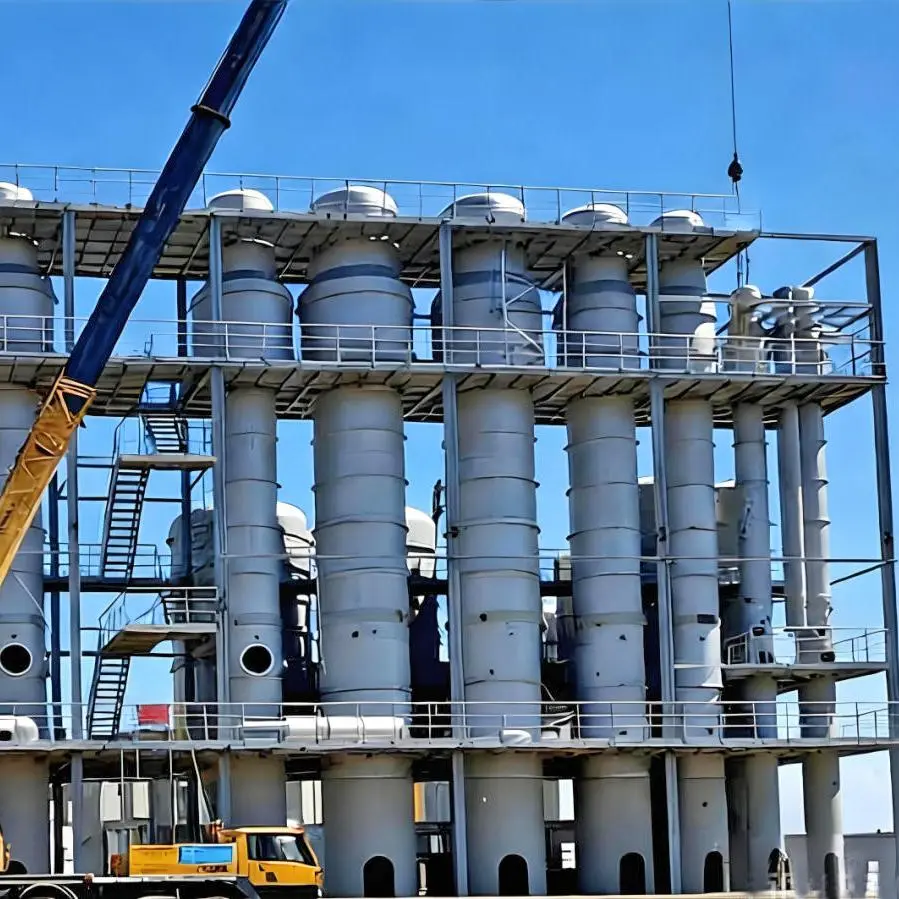
Zongheng provides energy-efficient, high-performance evaporation solutions including Falling Film, Forced Circulation, and MVR configurations customized for various process streams.
Read More
A falling film evaporator efficiently concentrates heat-sensitive liquids. Film-flow heat transfer provides rapid processing and minimal heat deterioration risks.
Read More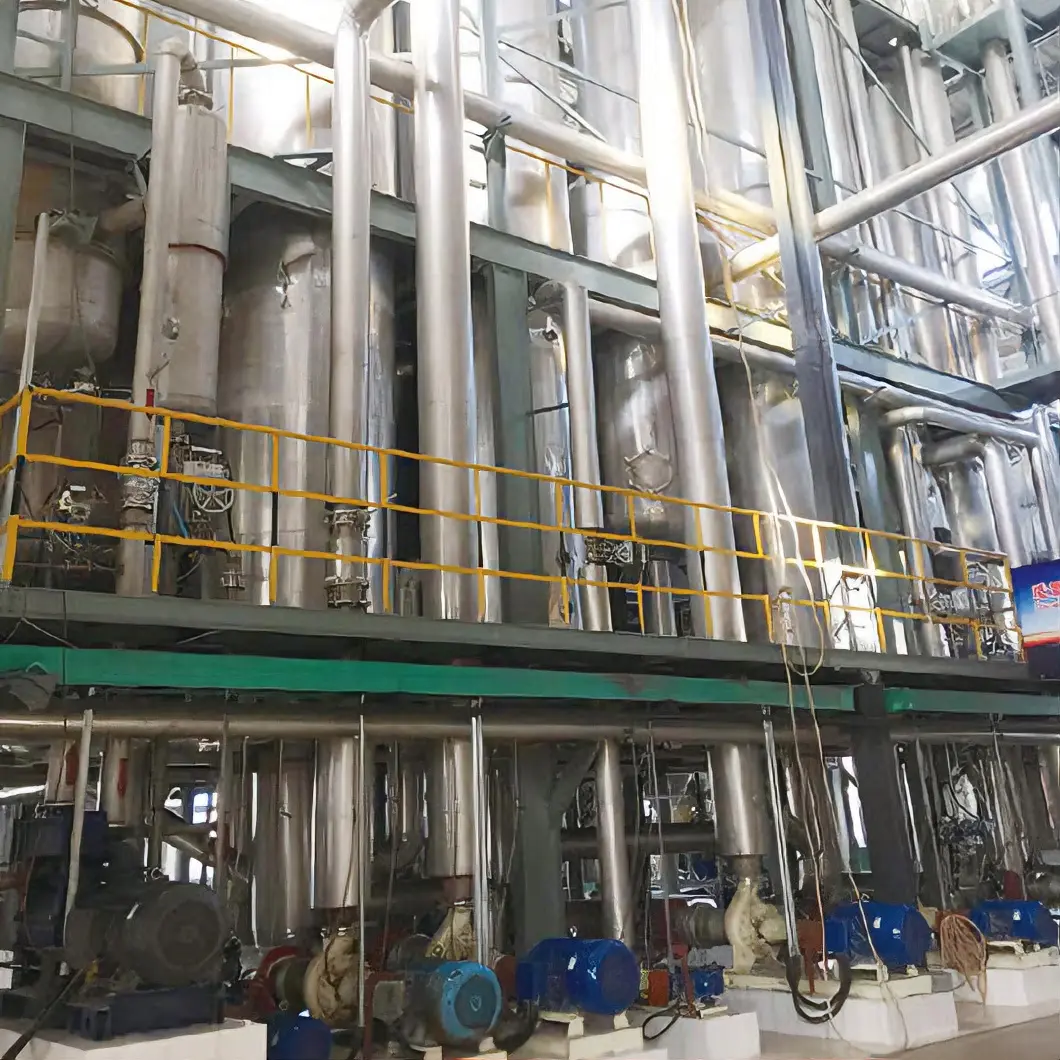
Zongheng is a premier Chinese manufacturer specializing in forced circulation evaporators designed to concentrate materials prone to crystallize, scale or become highly viscous.
Read More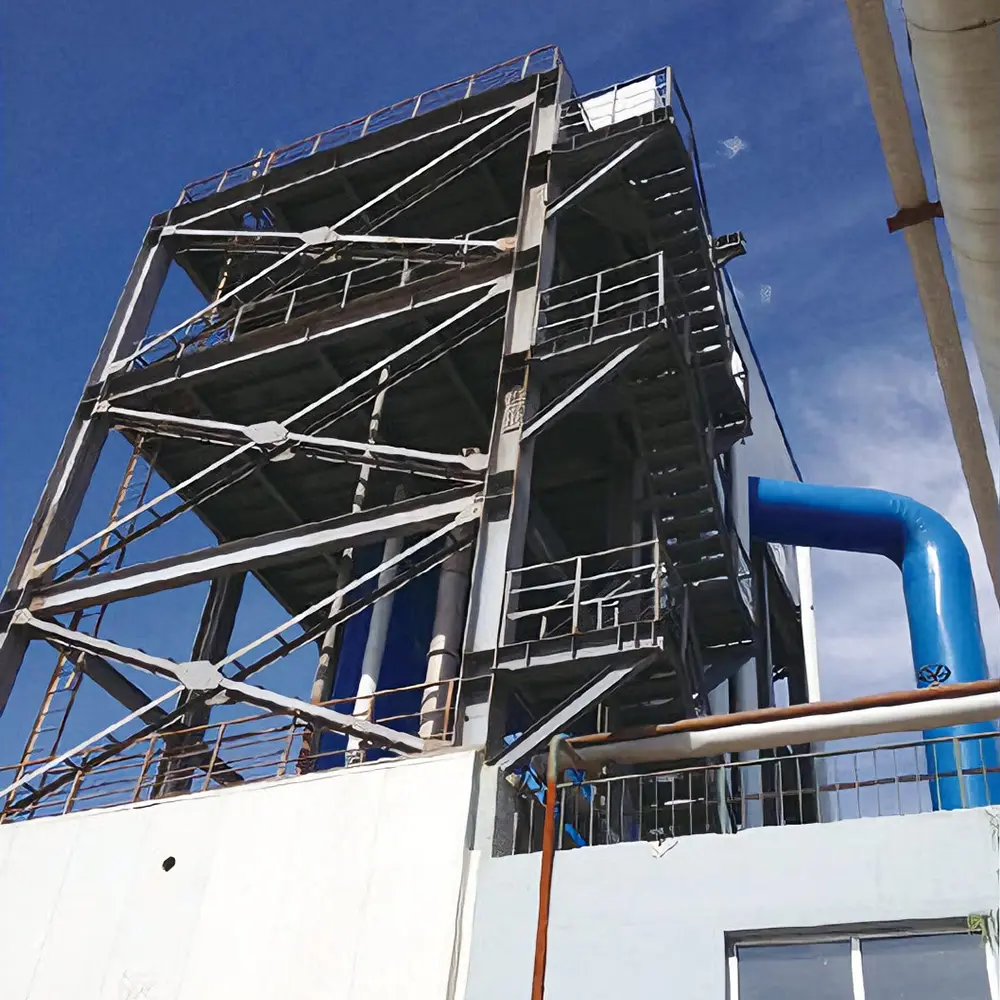
Mechanical Vapor Recompression (MVR) plants offer significant operational savings by reusing steam latent heat, minimizing secondary cooling water needs.
Read More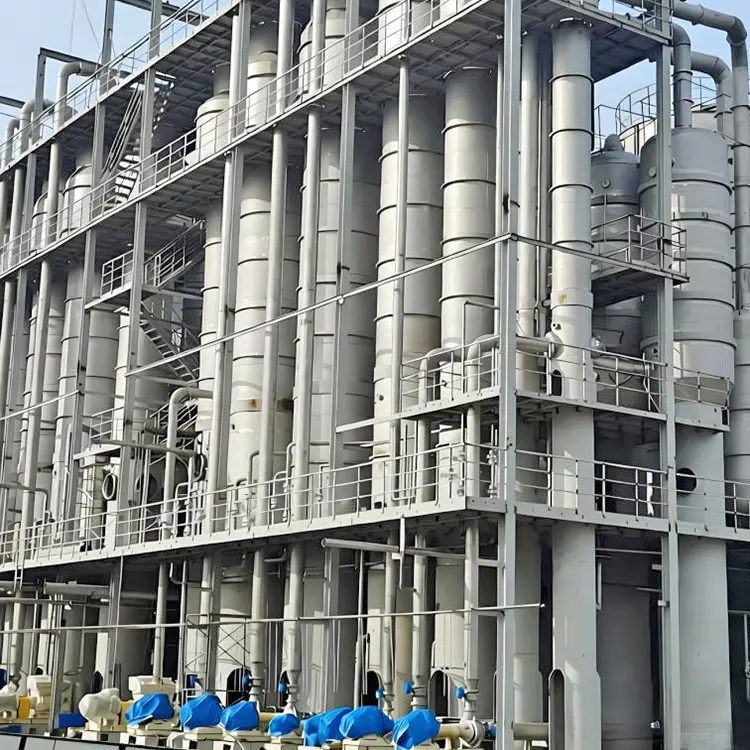
This design integrates multiple waste heat sources—including drying vapor and exhaust steam—to concentrate waste streams like corn steep liquor.
Read More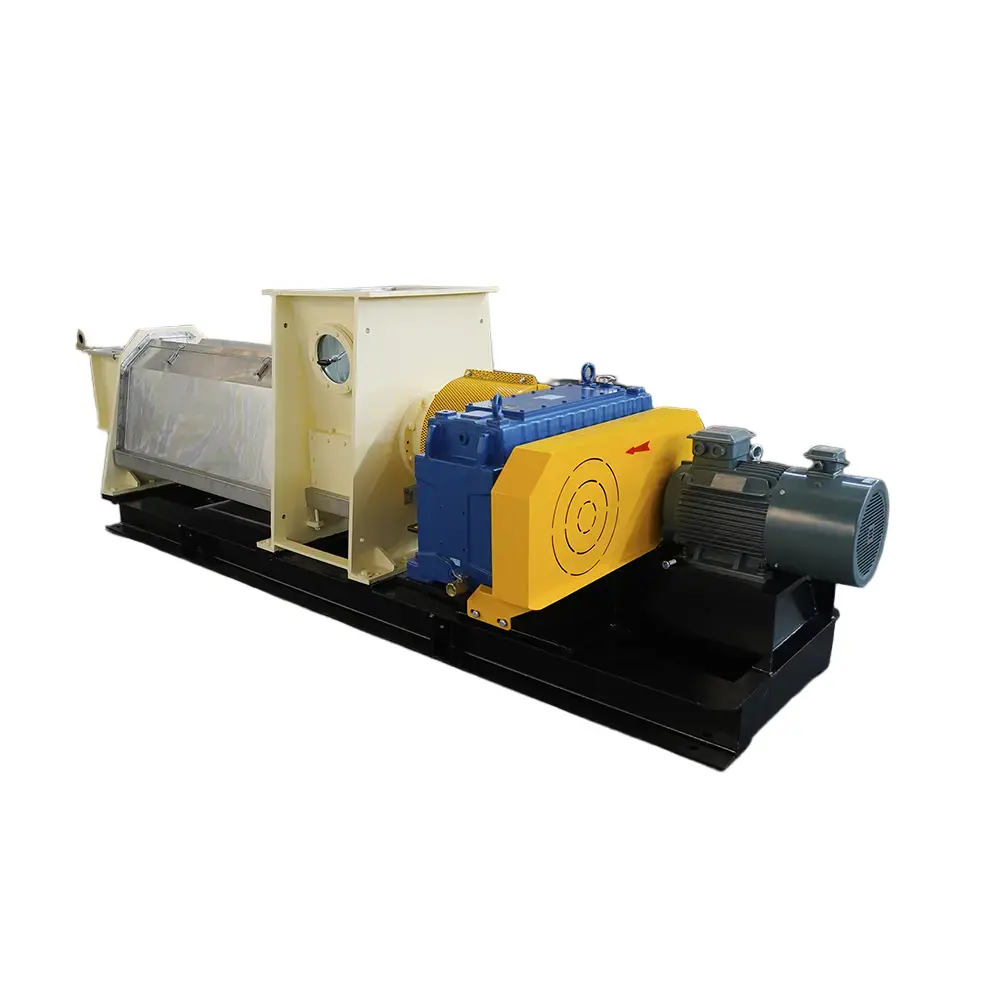
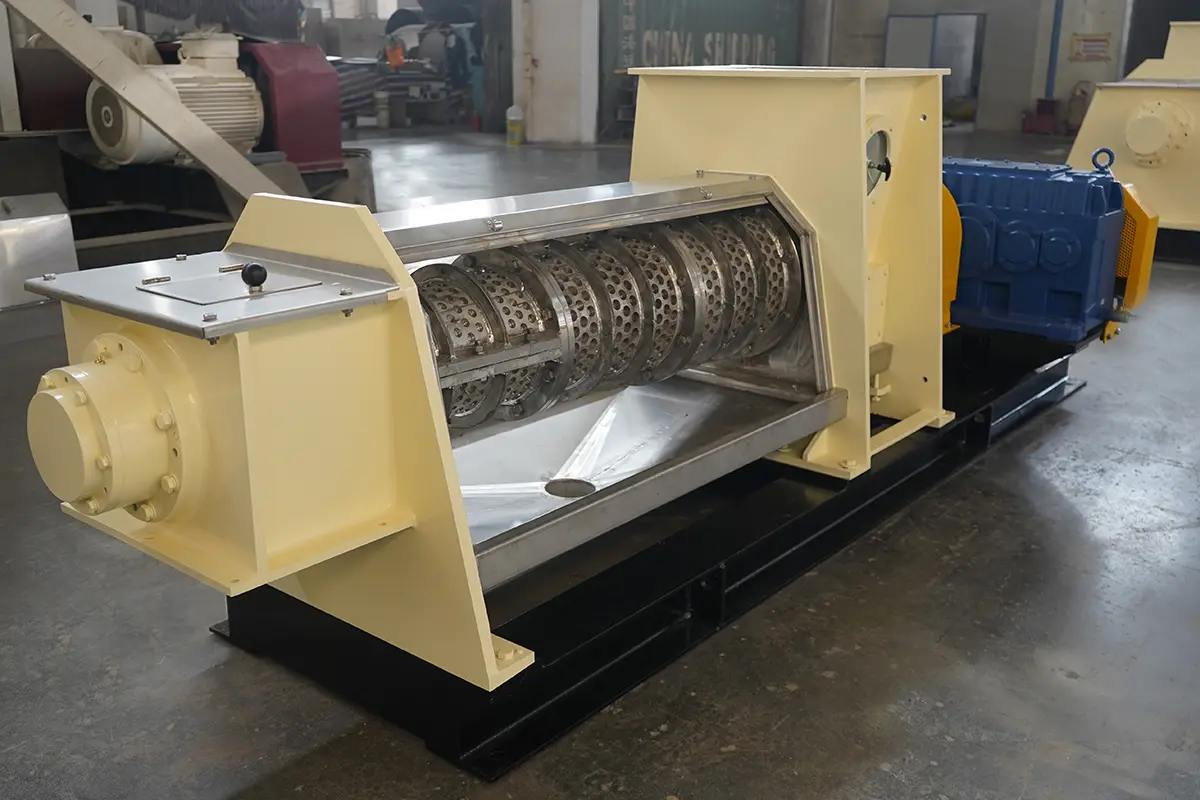
Jiangsu Zongheng's single screw press efficiently dewaters solid-containing slurries, yielding maximum dry solids separation through robust mechanical pressing.
Read More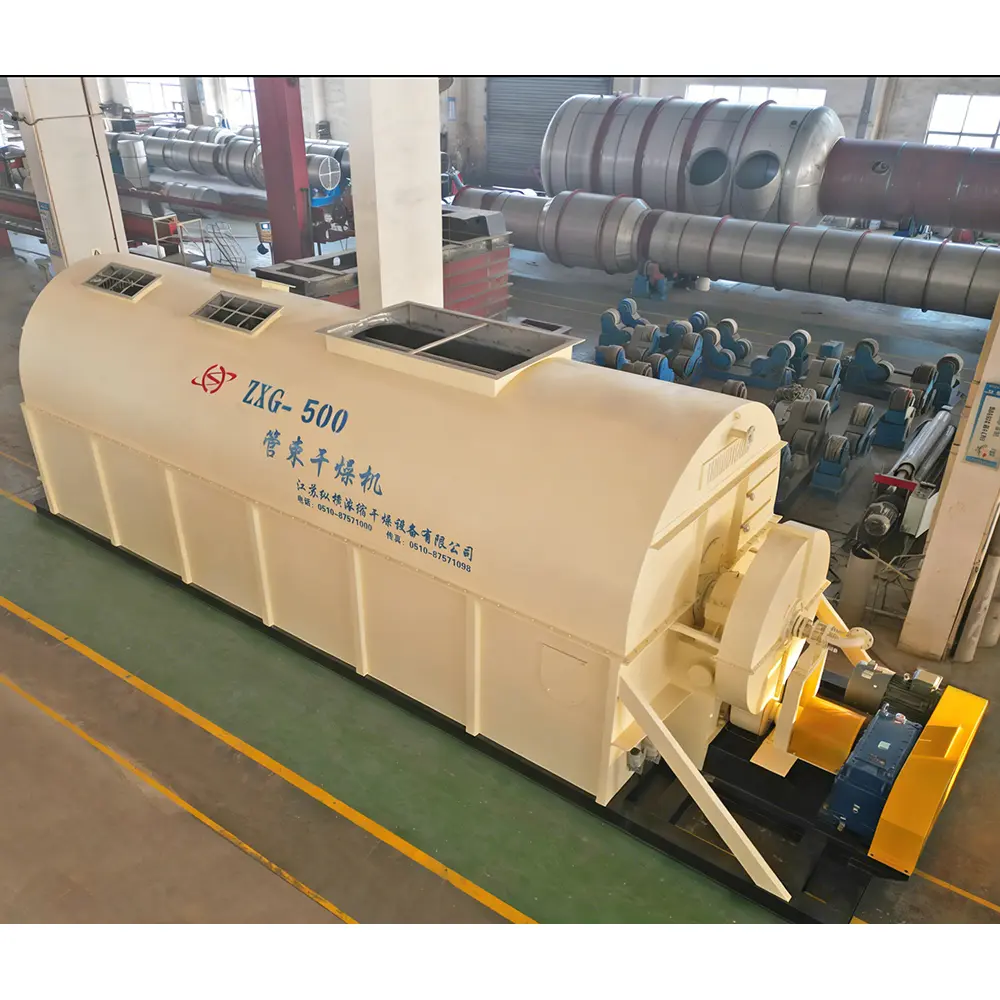
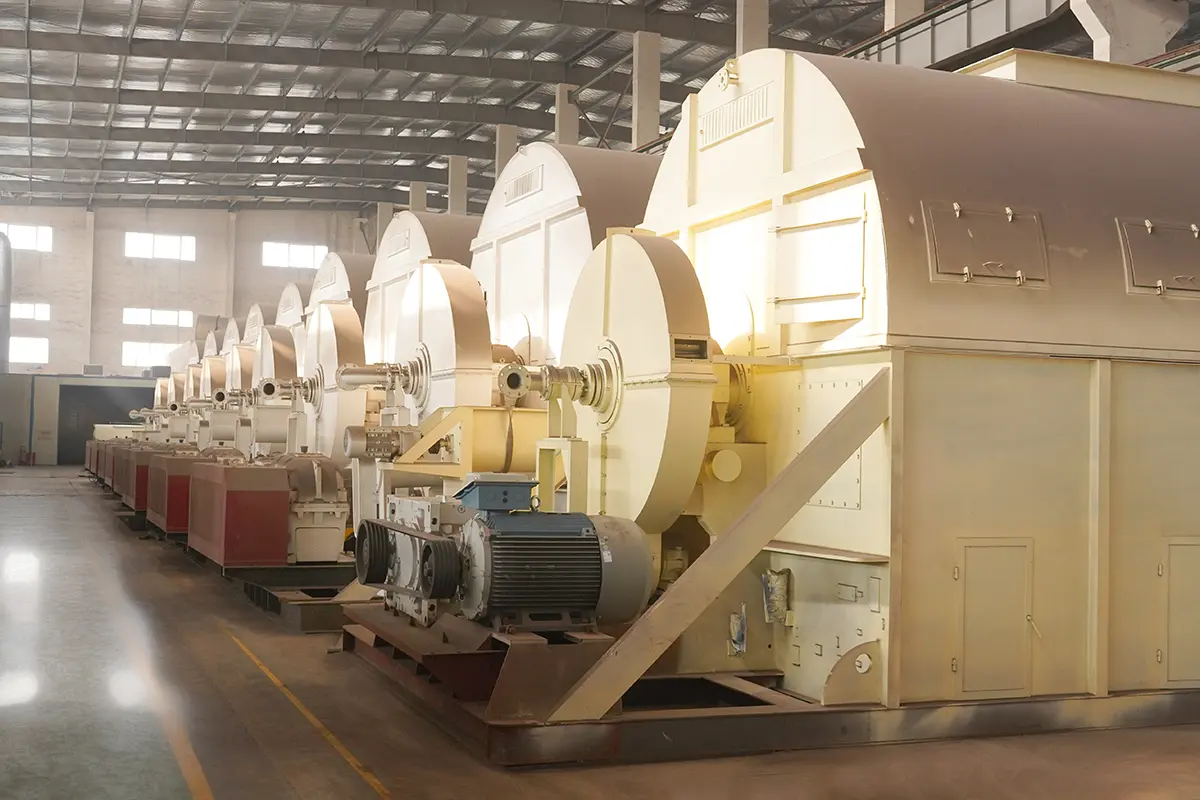
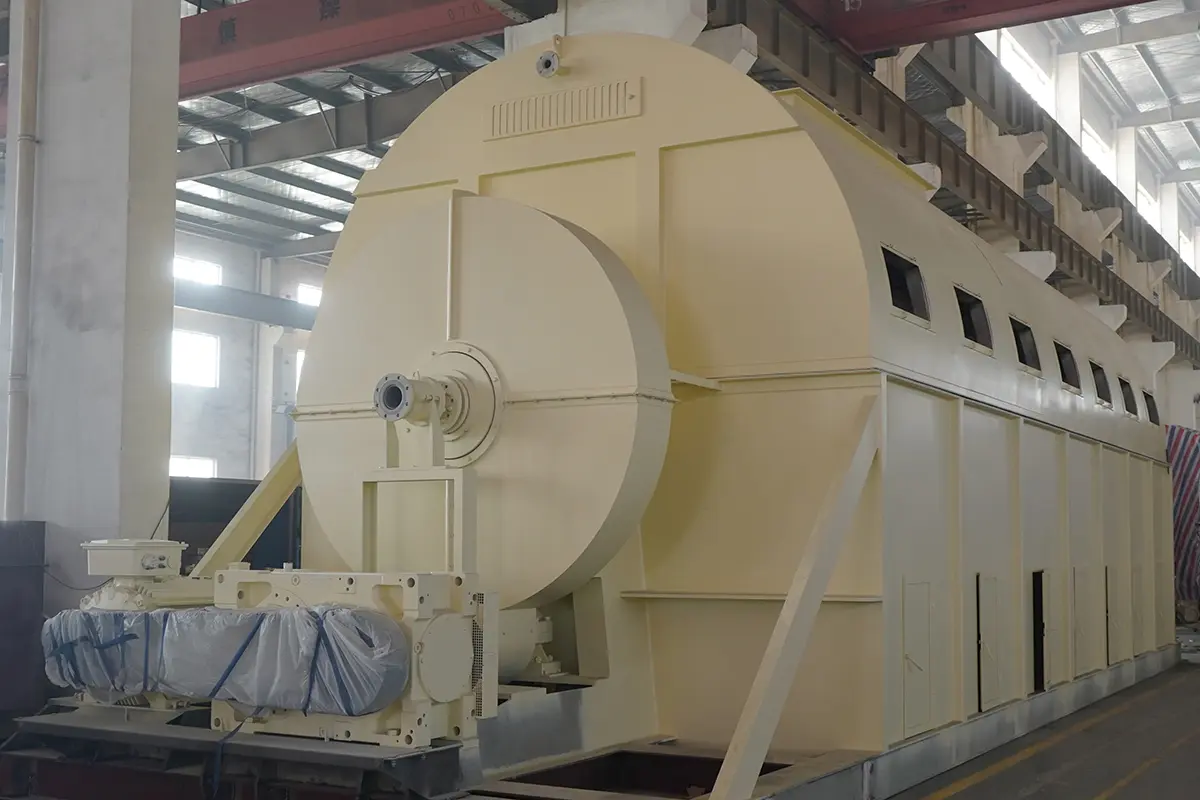
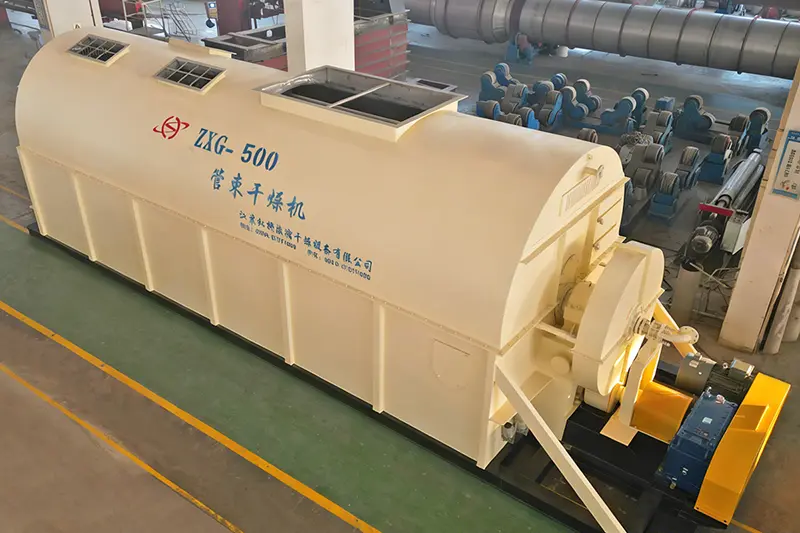
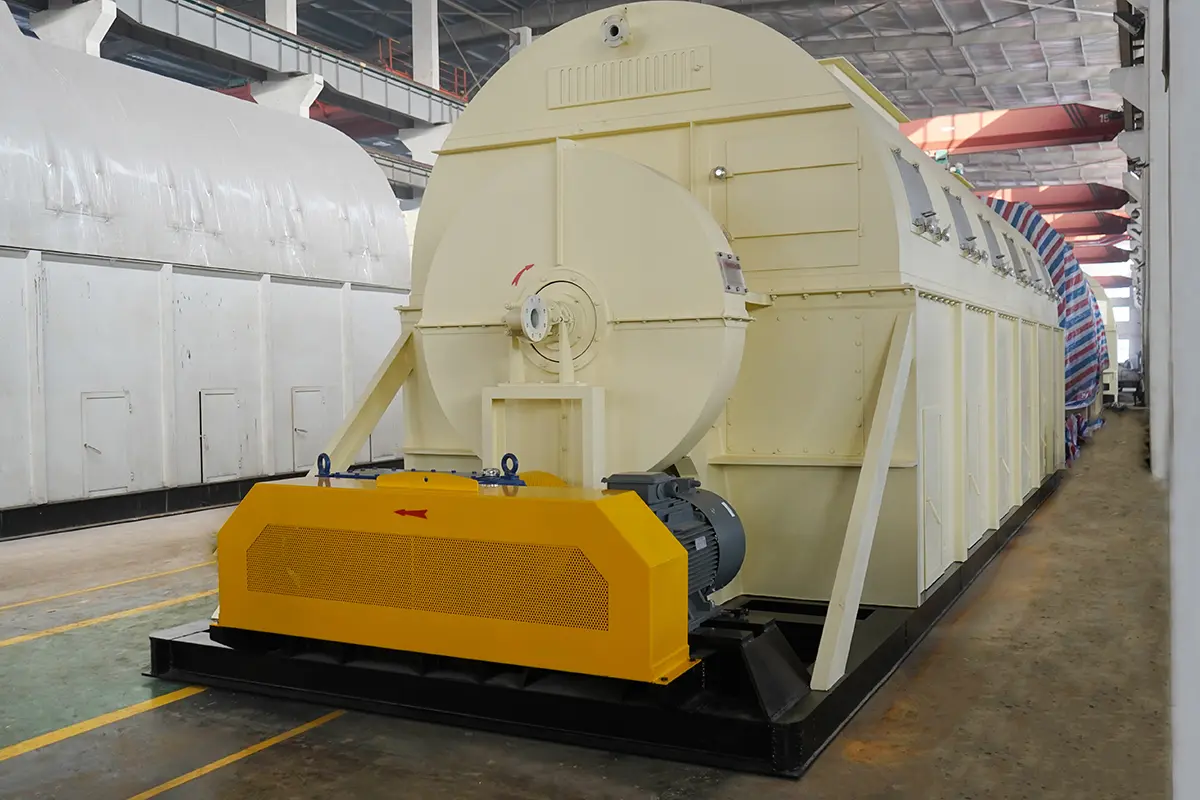
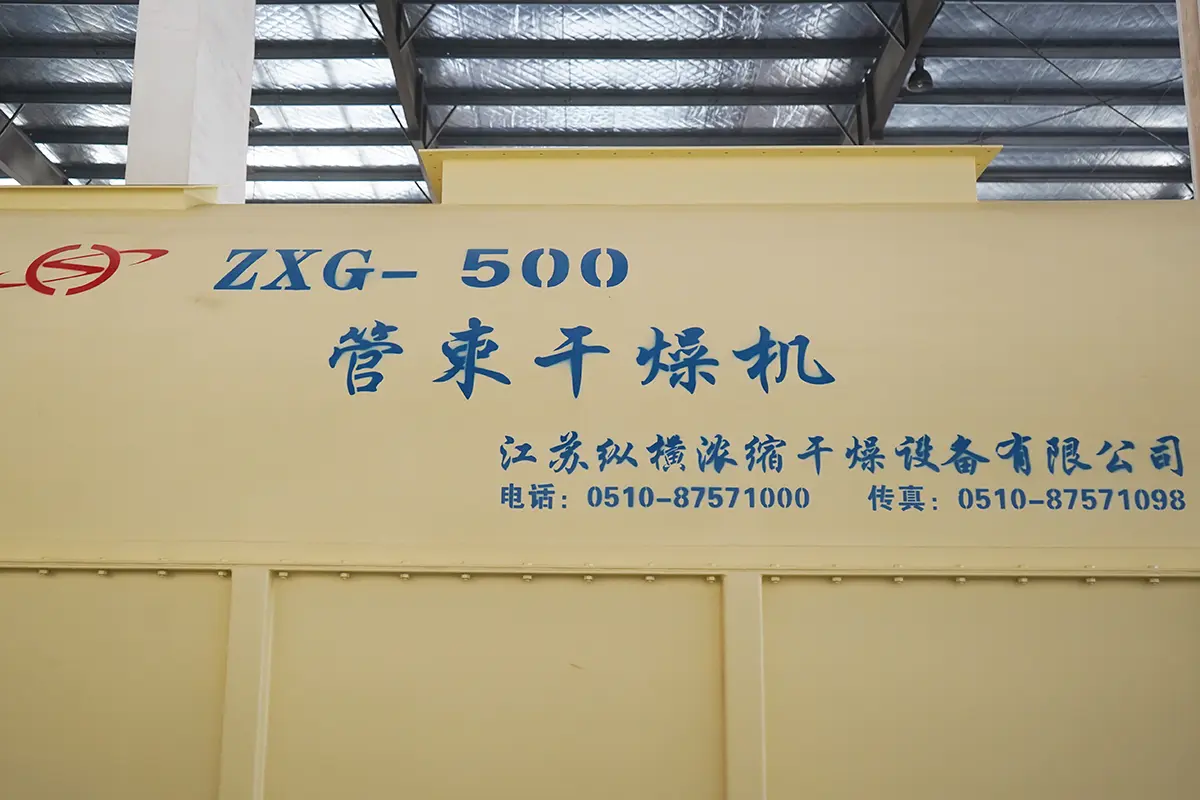
Jiangsu Zongheng's ZXG Tube Bundle Dryers ensure safe, low-oxygen drying via contact heating. Designed for organic residues, fibers, and animal proteins.
Read More
High speed thermal flash system, dynamically drying wet materials under uniform air suspension for optimized particle flow and moisture stability.
Read More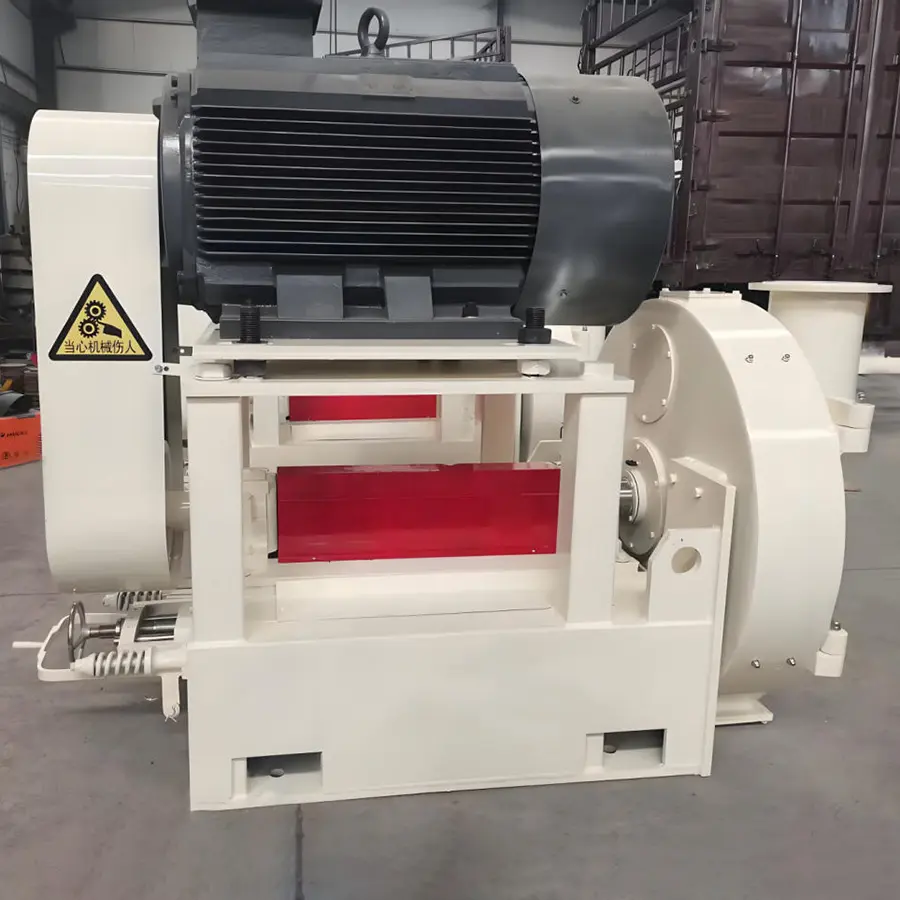
Zongheng's degerming mills ensure precision germ removal, preserving kernel structure while optimizing oil yield and quality in maize processes.
Read More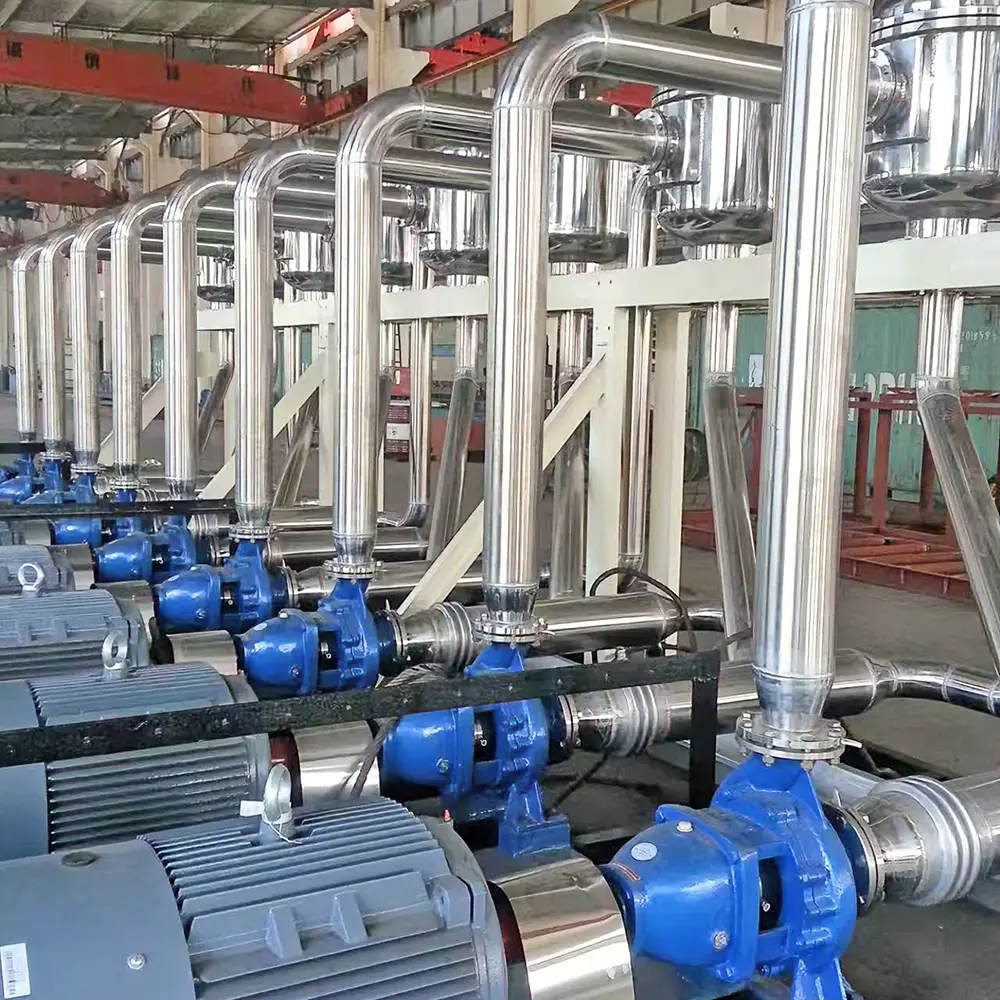
Jiangsu Zong's YDX Starch Washing Cyclone is specifically engineered for starch purification, refinement, and washing stages, boosting final solids purity.
Read MoreSelecting between plate-type falling film evaporators and conventional shell-and-tube heat exchangers involves evaluating several technical compromises:
However, shell-and-tube setups handle larger volume throughputs and coarser suspended particles. Jiangsu Zongheng assesses these trade-offs to match each system design with the client's feed properties.
Our evaporation plants run globally in demanding operational areas:
Corn Starch & Wet Milling: Concentrating corn steep liquor from 6% to 48% solids. This process utilizes waste heat from dryers to run the multiple-effect evaporator stages.
Industrial Wastewater ZLD: Recovering pure condensed water from high-COD chemical process waste, reducing discharge flows, and meeting local environmental regulations.
Biotechnology & Distillery Stills: Reclaiming yeast cultures and organic components from light phase vinasse. Combined with Zongheng's ZXG Tube Bundle Dryers, this produces DDGS feed compounds.
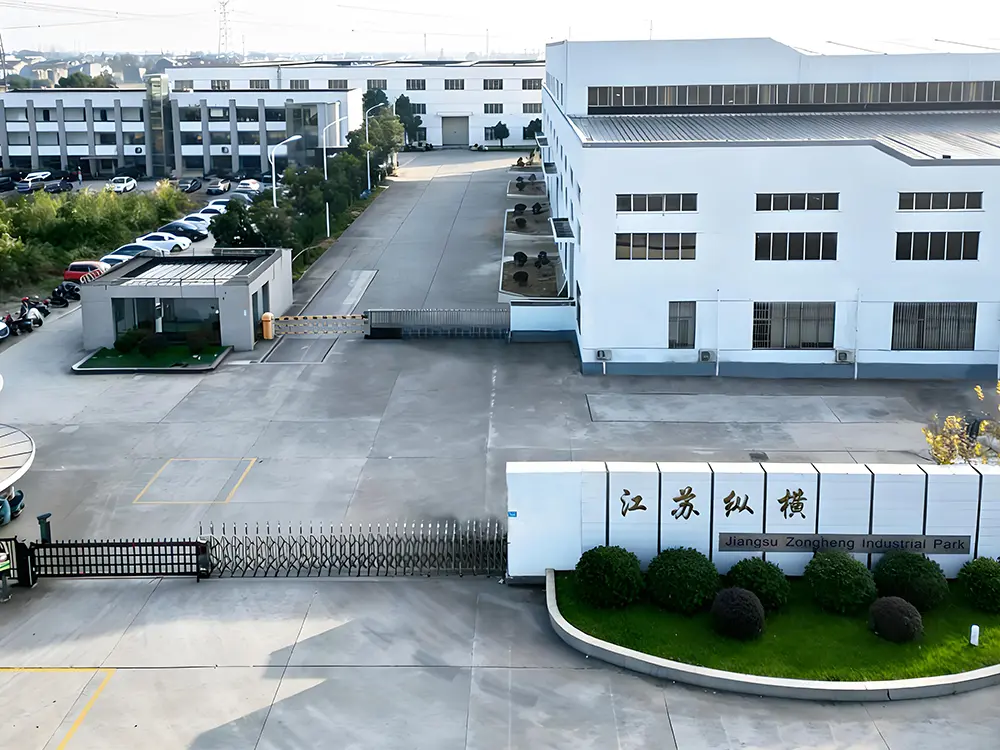
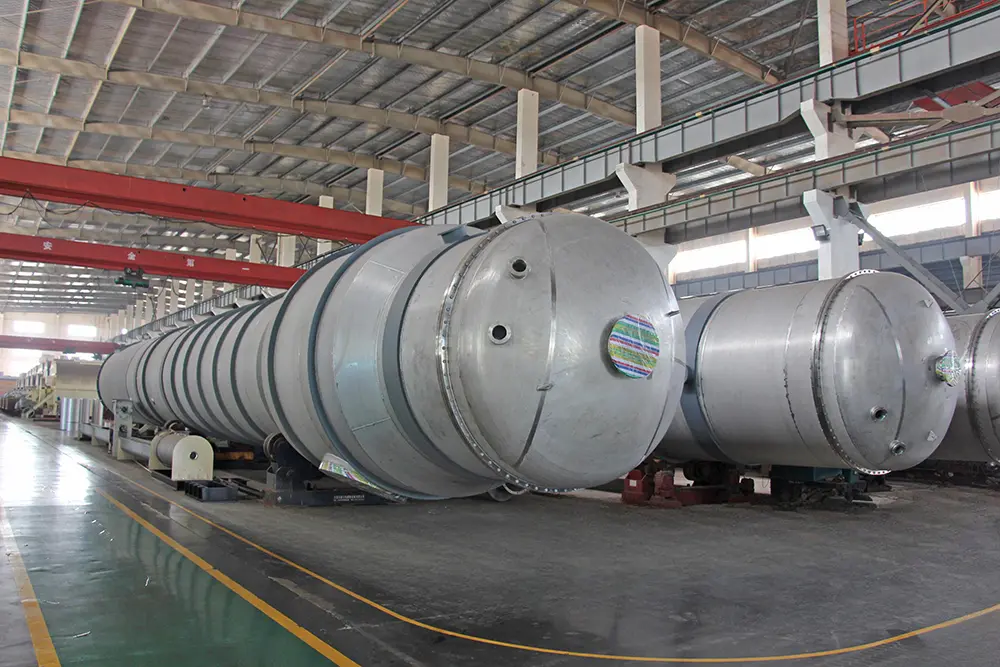
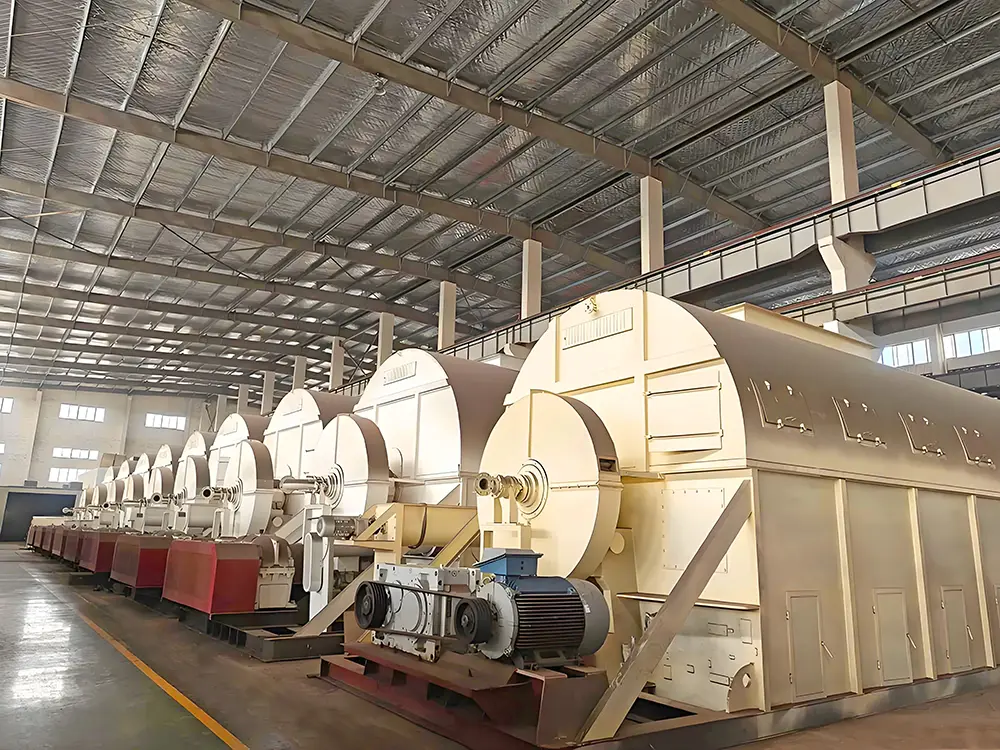
Jiangsu Zongheng (formerly Yixing Yangxi Light Industry Machinery Factory), founded in 1992, is located in Zhoutie Town, Yixing City, on the shores of Taihu Lake. The company covers an area of over 54,000 square meters, with a production workshop area of over 22,000 square meters.
Jiangsu Zongheng is a modern high-tech enterprise specializing in the manufacturing of concentration, drying, starch industry, alcohol DDGS, and Category III medium & low-pressure vessel equipment. As a member of the China Starch and Alcohol Association, its products serve the food fermentation, alcohol, chemical, pharmaceutical, environmental protection, and petrochemical sectors globally.
Download Factory Profile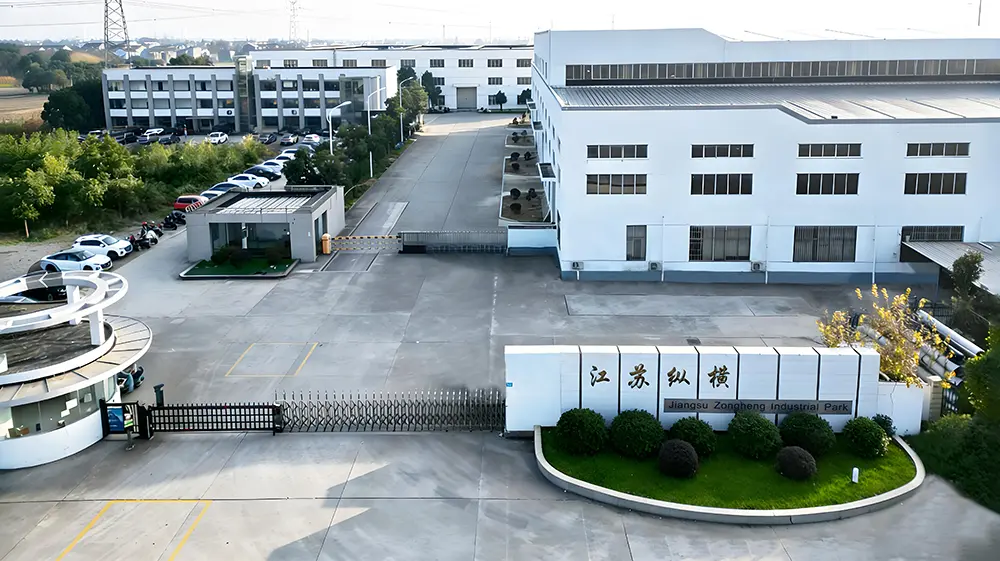
The company covers an area of over 54,000 square meters with workshop space exceeding 22,000 square meters. It employs 3 senior engineers, over 20 engineers/assistant engineers, and a total staff of 120 people, delivering system integrations worldwide.
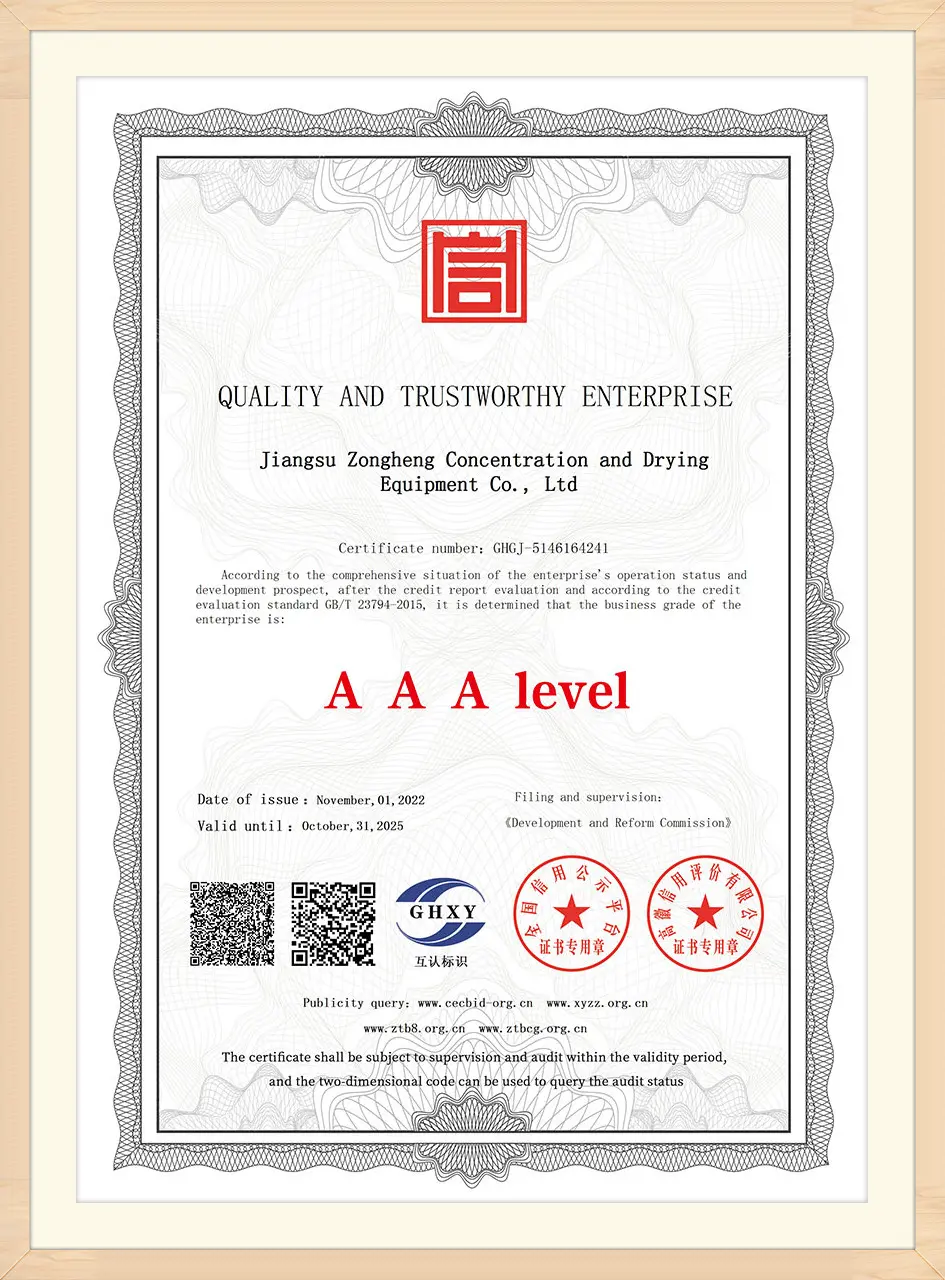
Achieved international quality system certification (Certificate No.: 45021), establishing a complete quality assurance system aligned with international standards.
Acquired the ASME "U" Stamp authorization from the American Society of Mechanical Engineers, marking the company's entry into high-specification vessel fabrication.
Obtained the Special Equipment Manufacturing License of the People's Republic of China (License No.: TS2232C42) for fabricating pressure vessels.
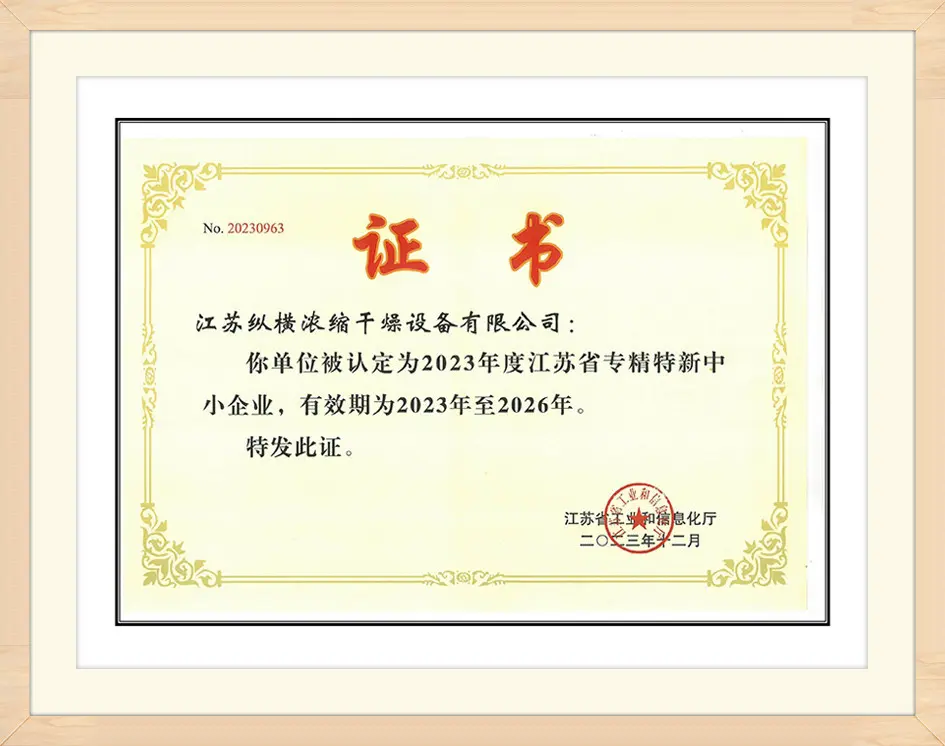
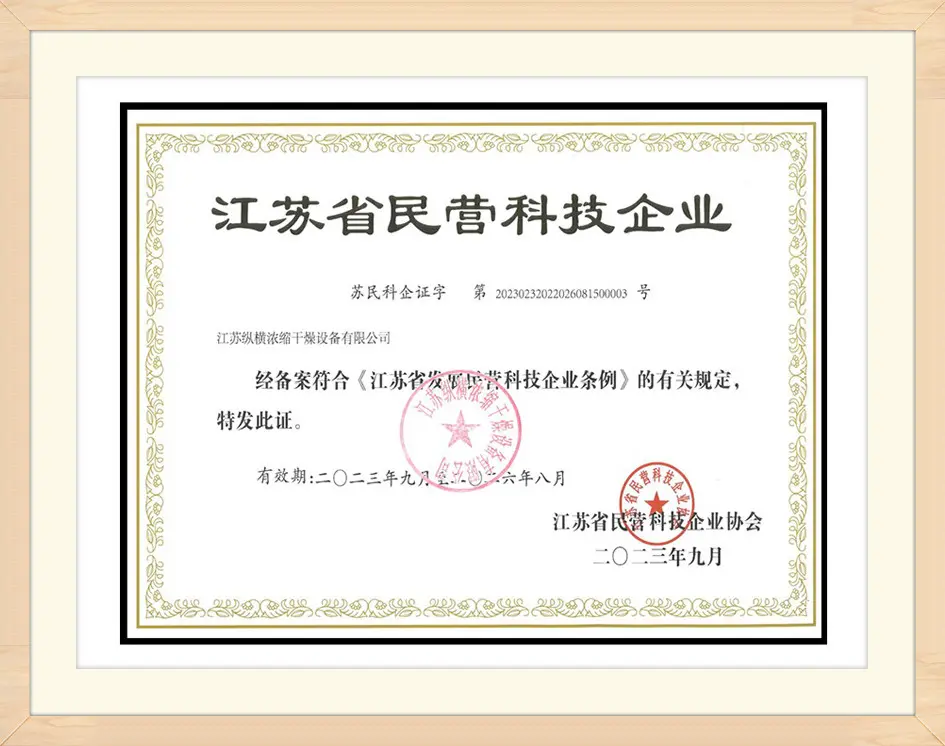
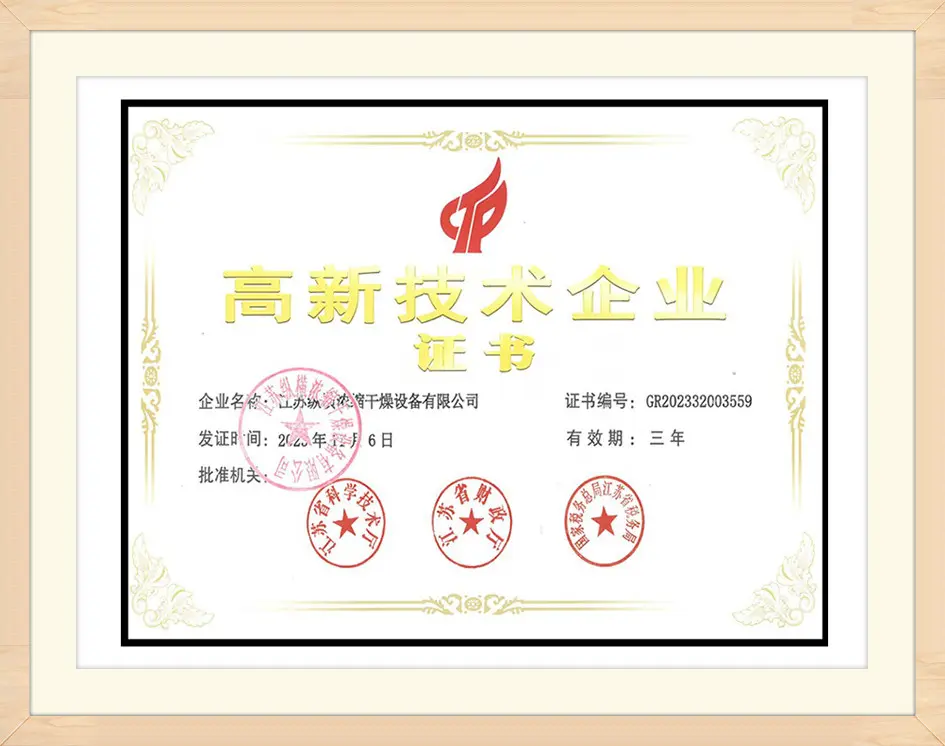
Officially recognized as a Jiangsu Provincial High-Tech Enterprise, raising public research and development budgets for thin film thermal kinetics.
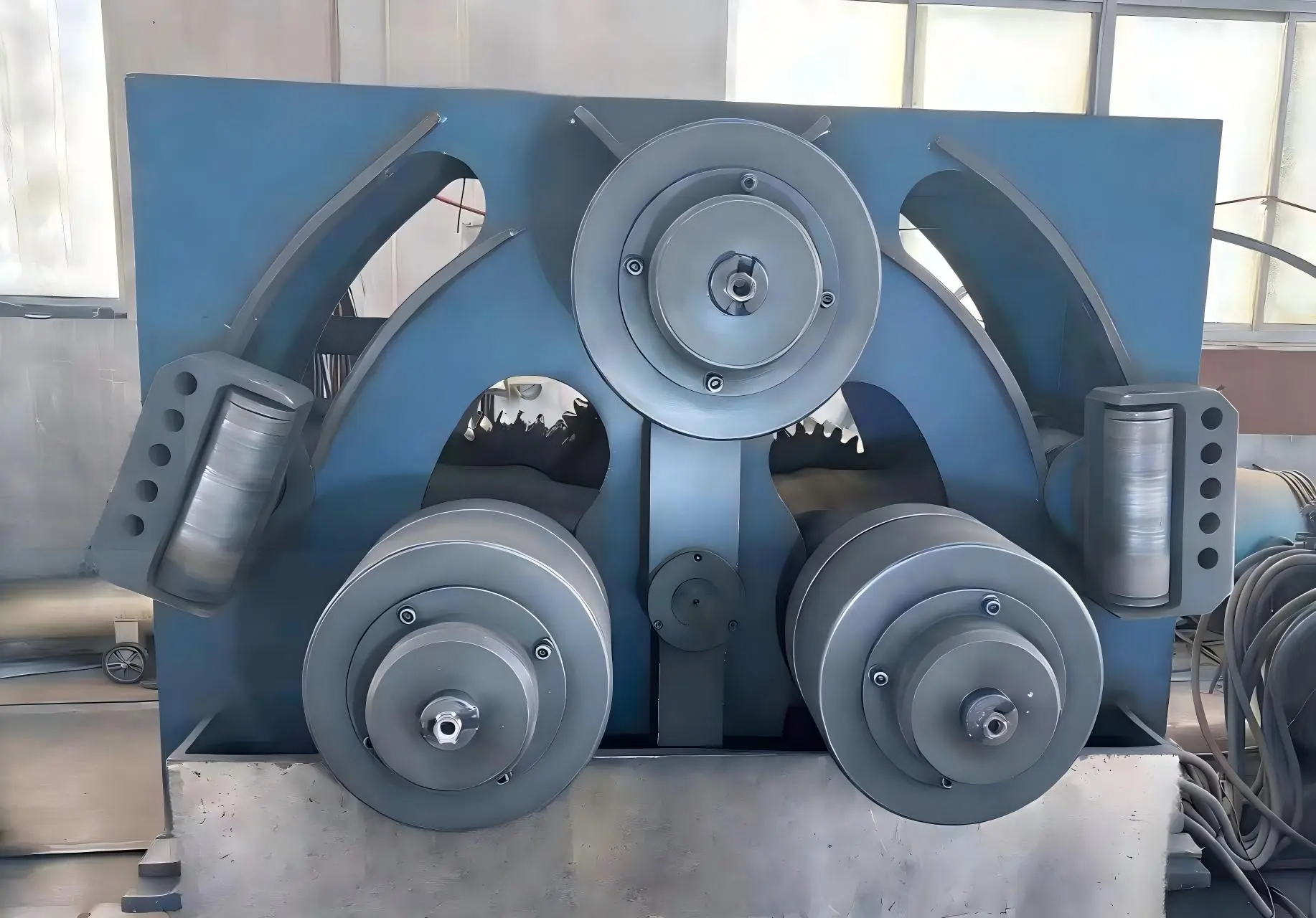
Obtained ISO9001 quality management system certification, formalizing international quality control checks across the manufacturing steps.
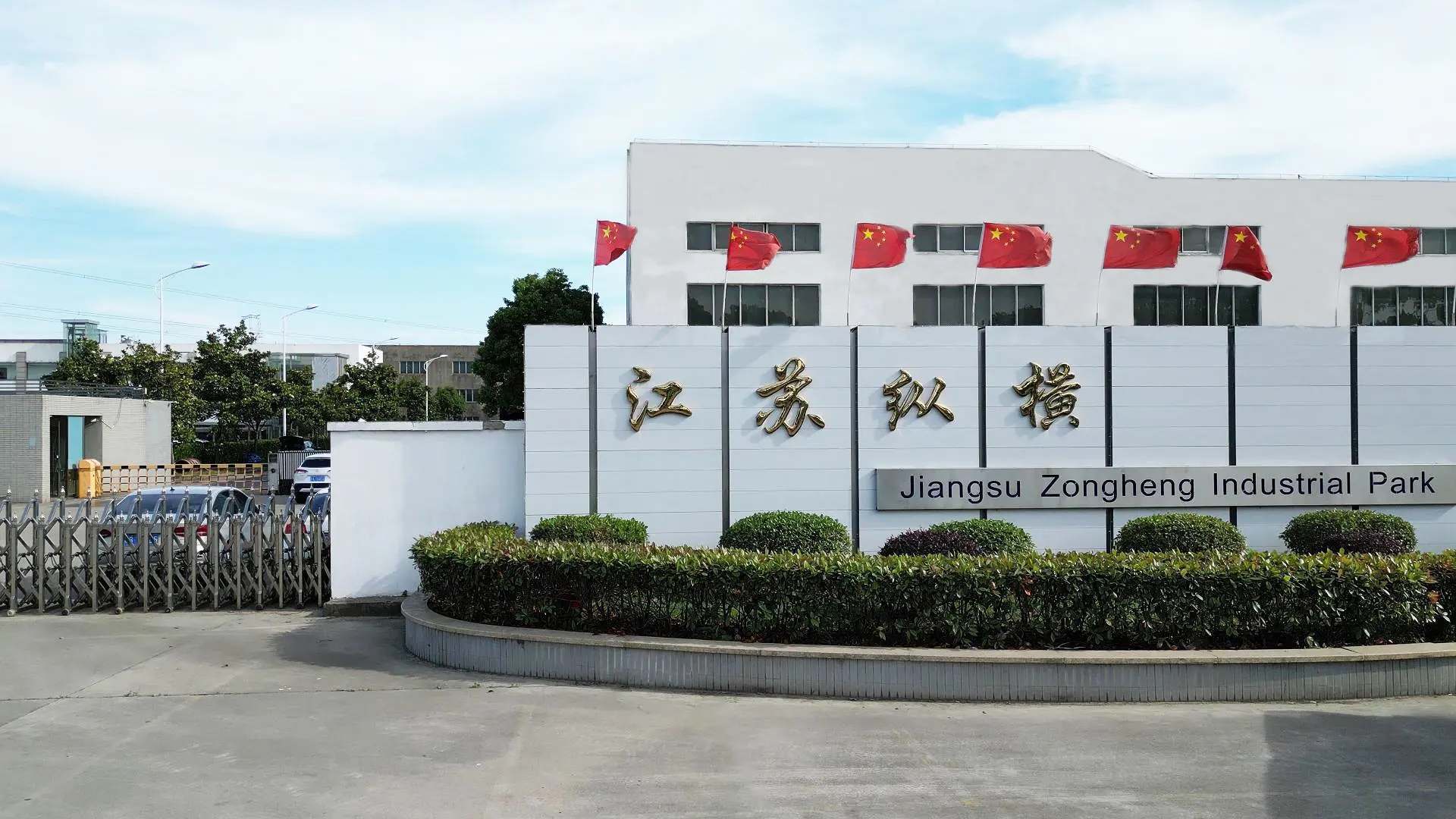
Established as Yixing Yangxi Light Industrial Machinery Factory in Zhoutie Town, Yixing, operating with 45 employees across a 15 mu site.
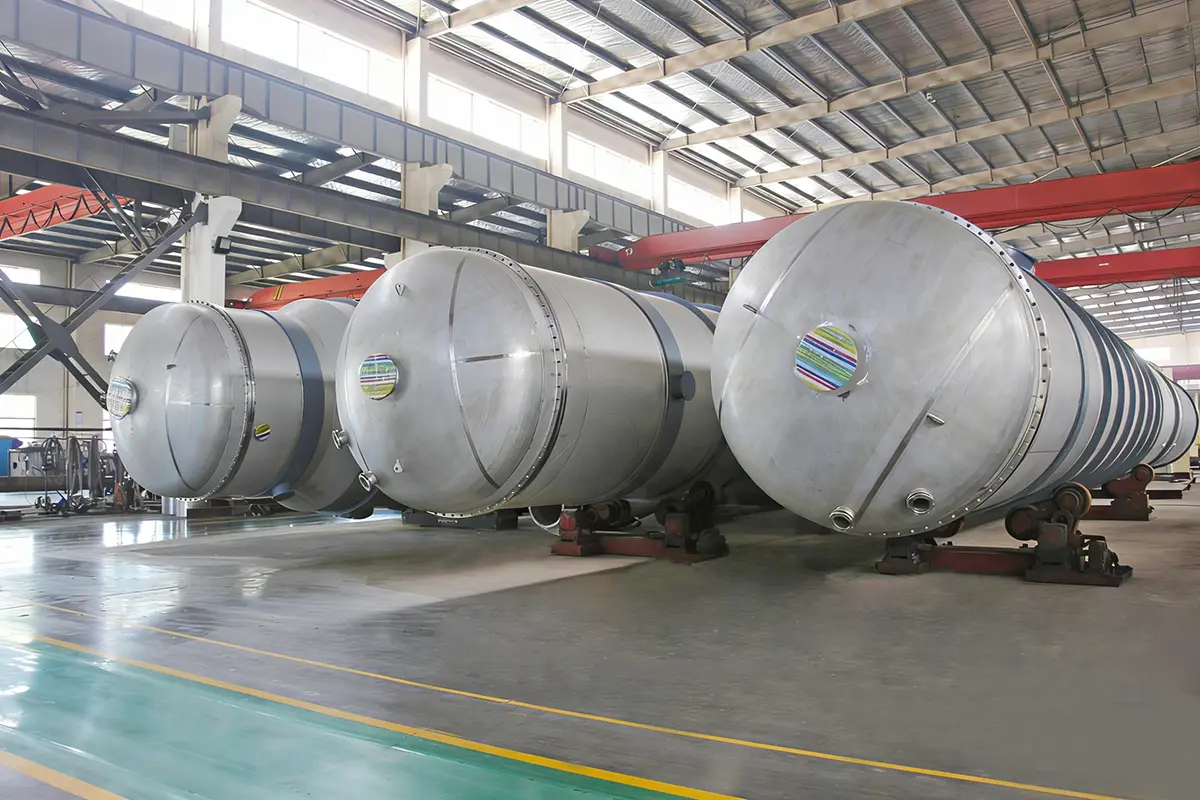
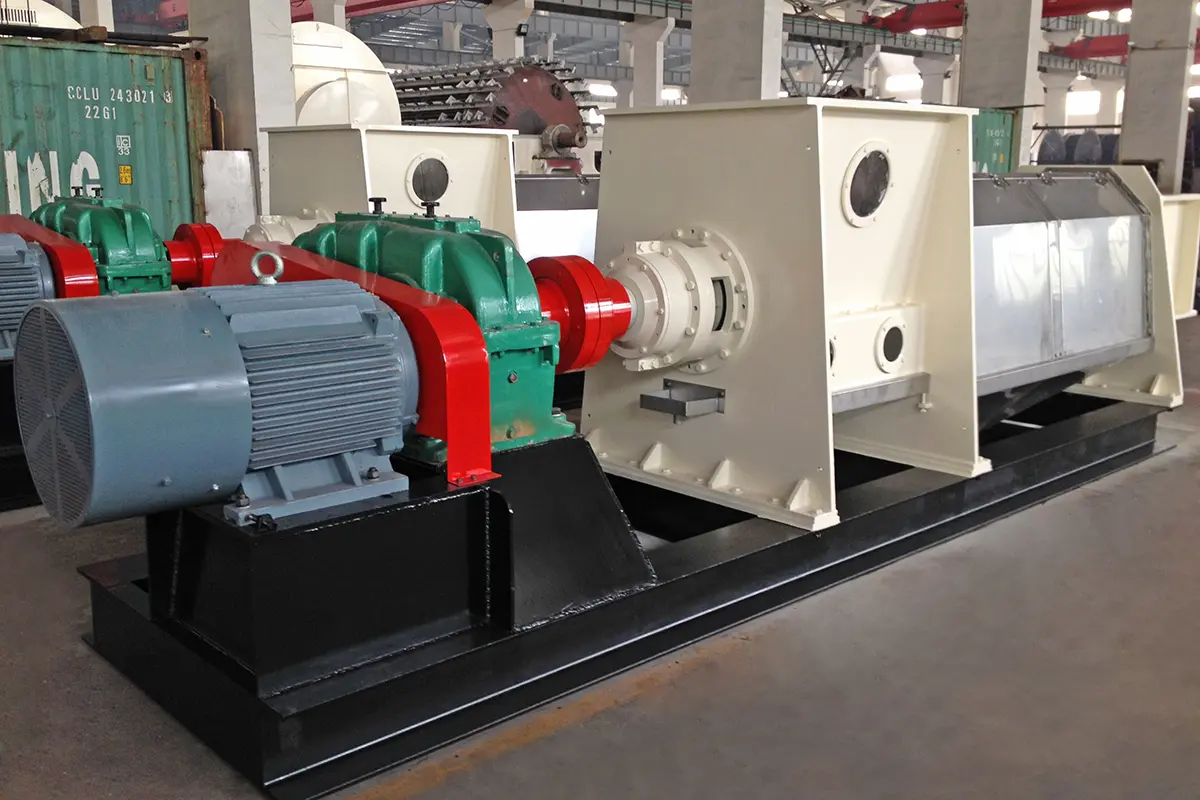

Industrial evaporation plants are moving toward low-carbon and automated operation. To support this transition, Jiangsu Zongheng integrates several advanced technologies:
Fouling on heat transfer surfaces degrades efficiency and increases downtime. Our smart CIP designs divide the evaporator plate packs into independent washing sectors. By continuously monitoring heat transfer values, the system flags localized scaling early. This triggers automatic chemical wash sequences, targeting only the fouled zones without stopping the entire plant.
Operating parameters often fluctuate due to raw material changes. To maintain stability, we construct hybrid MVR-TVR systems. These setups use mechanical vapor recompression for steady base loads, and steam-jet thermocompressors to absorb peak concentration surges. This hybrid design ensures smooth operations even during feed concentration variations.
Converting a traditional 4-effect steam evaporator to an MVR (Mechanical Vapor Recompression) system typically reduces steam consumption by 80% to 90%. While a 4-effect evaporator requires roughly 0.25 tons of steam per ton of water evaporated, an MVR system uses electrical energy to compress the vapor, requiring only 15 to 25 kWh of power per ton of evaporated water, significantly lowering energy costs.
Plate configurations generate high turbulence even at low flow velocities. This shear stress helps scrub the heat exchange surfaces, reducing deposit accumulation compared to the laminar flow regions found in tube designs. However, for fluids containing fibers or large crystals, plates require careful selection of channel spacing to prevent blockages.
For processes involving high chloride levels and low pH, standard 304 or 316L stainless steel can suffer from pitting and stress corrosion cracking. In these environments, we recommend Duplex Stainless Steels (like 2205 or 2507), Titanium (Grade 1 or 2), or nickel-chromium-molybdenum alloys like Hastelloy C-276 to ensure long equipment life.
Liquid distributors ensure the feed fluid is evenly spread across the internal surfaces of all heat exchange plates or tubes. This uniform distribution prevents dry spots, which can cause local overheating, caramelization, and severe scaling that compromises overall thermal performance.
Yes. Jiangsu Zongheng holds ASME "U" stamp certification for North America and CE PED (Pressure Equipment Directive) certification for the European Union. Our pressure vessels are designed, fabricated, and tested in full compliance with these international standards, including third-party inspections and certifications.
Reliable suppliers offering customized screw configurations to optimize cake dryness and minimize liquid-phase suspended solids.
Read More
Designed to reuse low-grade waste heat from flash vapors, improving energy efficiency across industrial wastewater treatment plants.
Read More
High-capacity MQG industrial flash dryers designed to suspend materials in high-velocity air, delivering fast and uniform drying.
Read More
Premium thermal air-drying systems engineered to optimize fuel efficiency and process control, reducing dust emission profiles.
Read More
Expertly fabricated press systems featuring adjustable backpressure cones to maximize liquid extraction from fibrous matrices.
Read More
Utilizes indirect steam-heated tube bundles revolving inside a stationary housing. Delivers reliable, continuous drying for bulk materials.
Read More
Engineered for high concentration ratios. Designed with optimal liquid loading parameters to prevent surface fouling in long-run operations.
Read More
Engineered for starch production lines. Delivers precise milling to separate corn germs without damaging the kernels, optimizing starch yields.
Read MoreWe welcome partners from all industries, domestic and international, to visit us for technical exchanges, custom engineering designs, and mutual growth.
 Jun 18, 2026
The evaporator absorbs heat to vaporize media, while the condenser releases heat to liquefy vapor; the two perform opposite cooling and heating functions. Operating under low pressure, the evaporator generates cold energy and concentrates solids, serving as a core component in modern chemical processes and starch washing cycles.
 Zongheng