Explore our high-performance industrial evaporators, dewatering machinery, and dry processing equipment engineered for reliability
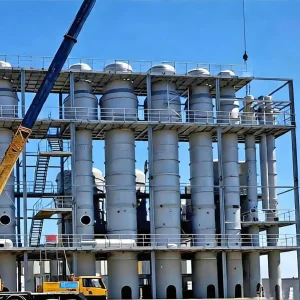
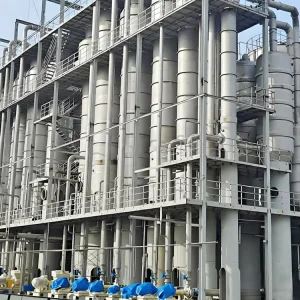
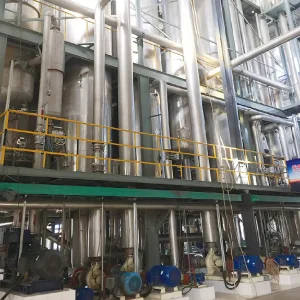
In multi-effect evaporation systems, the feeding arrangement significantly impacts thermodynamic efficiency, particularly when handling materials whose viscosity increases exponentially with concentration. A Backward Feed Evaporator introduces the dilute feed solution into the last (coolest and lowest pressure) effect. As the liquid concentrates, it is pumped progressively backward through the intermediate effects until it reaches the first (hottest and highest pressure) effect.
This counter-current design ensures that the most concentrated product is processed at the highest temperature, dramatically reducing its dynamic viscosity. This optimization keeps heat transfer coefficients high and prevents premature fouling or clogging, making it the industry standard for highly viscous organic and inorganic concentrates.
By routing the feed from the lowest-temperature effect to the highest-temperature effect, backward feeding utilizes sensory heat recovery patterns more effectively. It minimizes the risk of thermal degradation for heat-sensitive solutes by restricting high-temperature exposure only to the final, rapid stages of concentration.
Furthermore, since the boiling point of the concentrate rises as solids increase (boiling point elevation - BPE), processing the thickest liquid at the highest temperature ensures that the temperature driving force (ΔT) is maintained across the heating elements, maximizing evaporation efficiency.
Why international enterprises rely on Jiangsu Zongheng for custom-engineered evaporator solutions
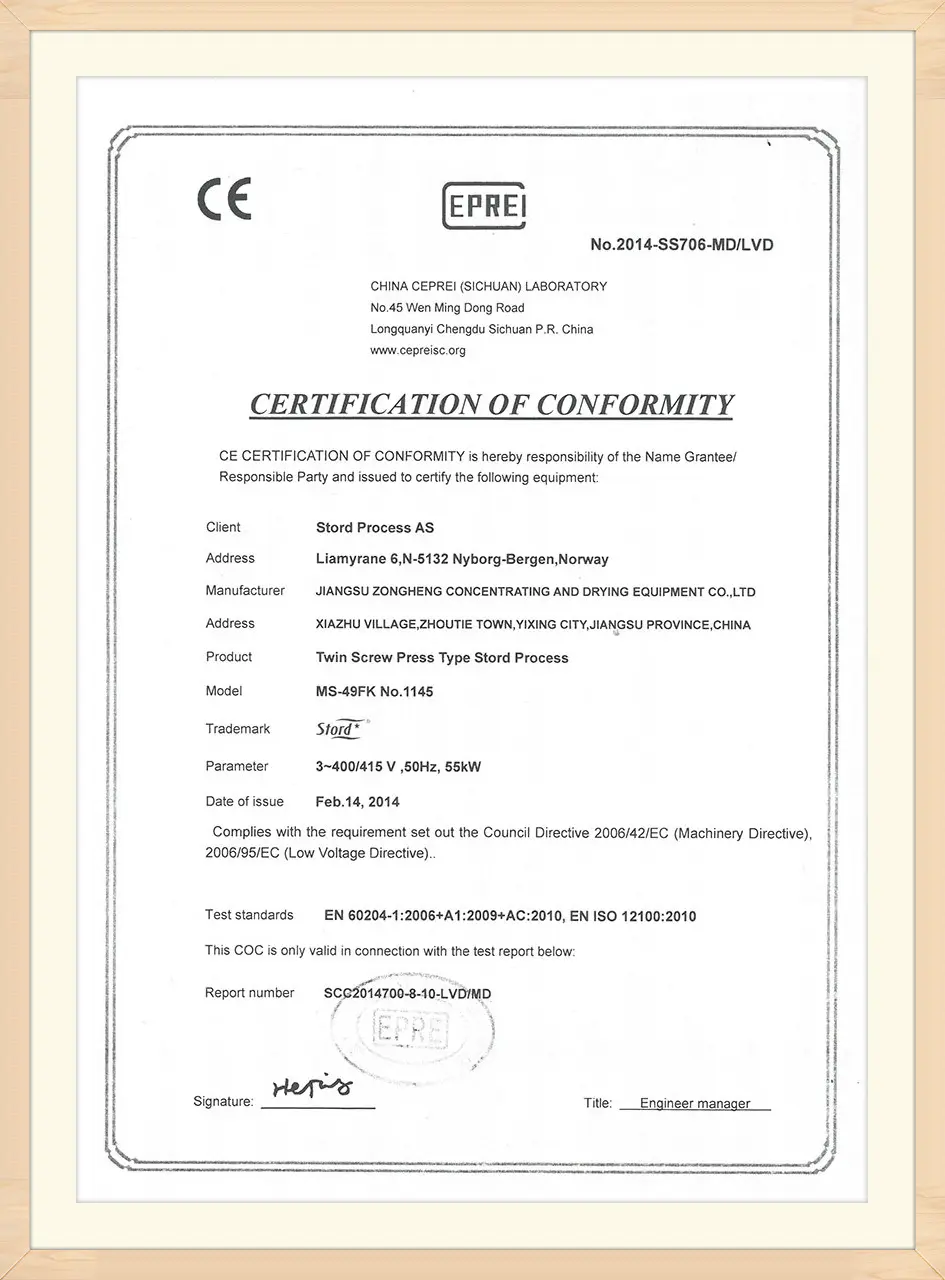
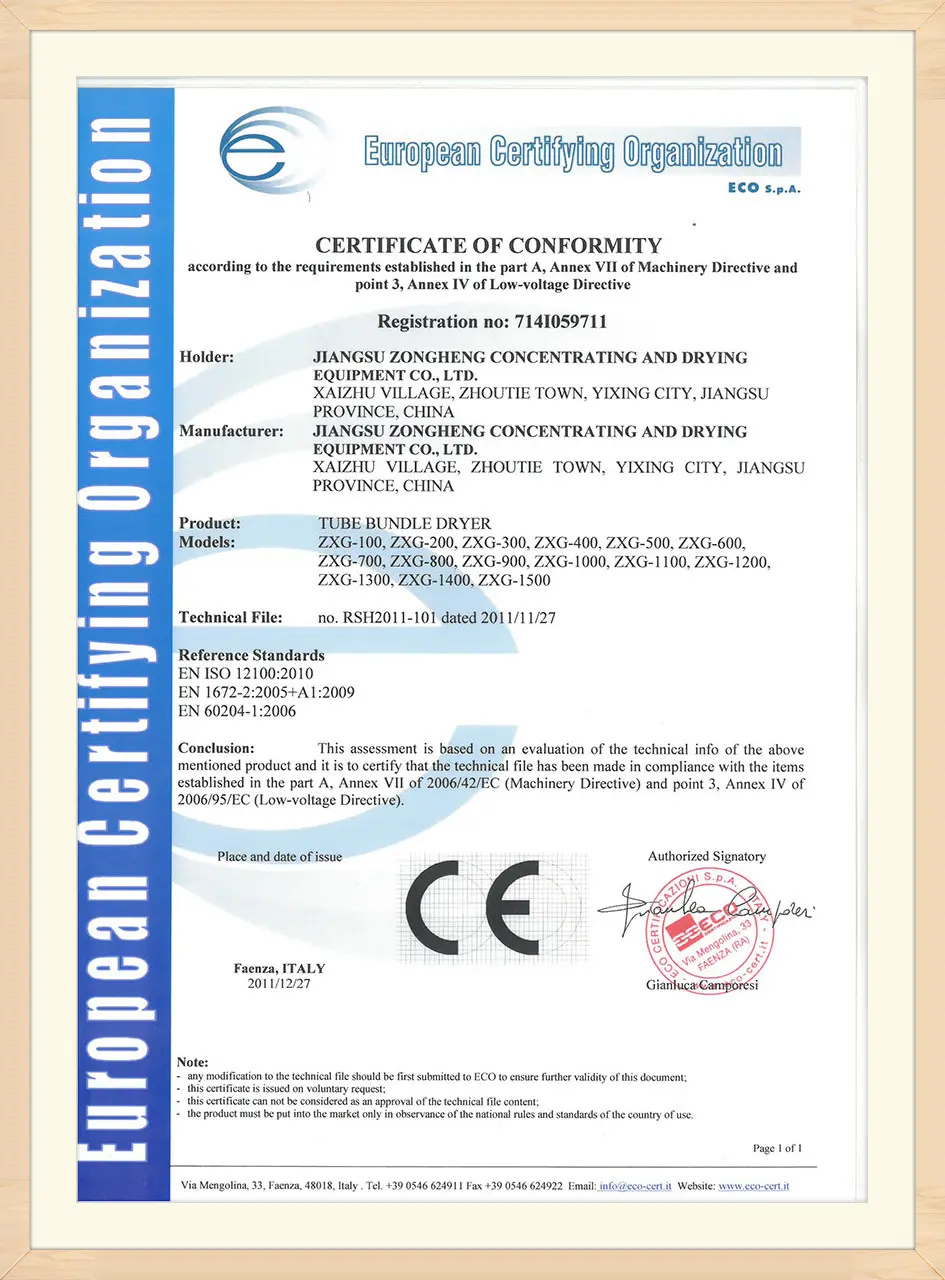
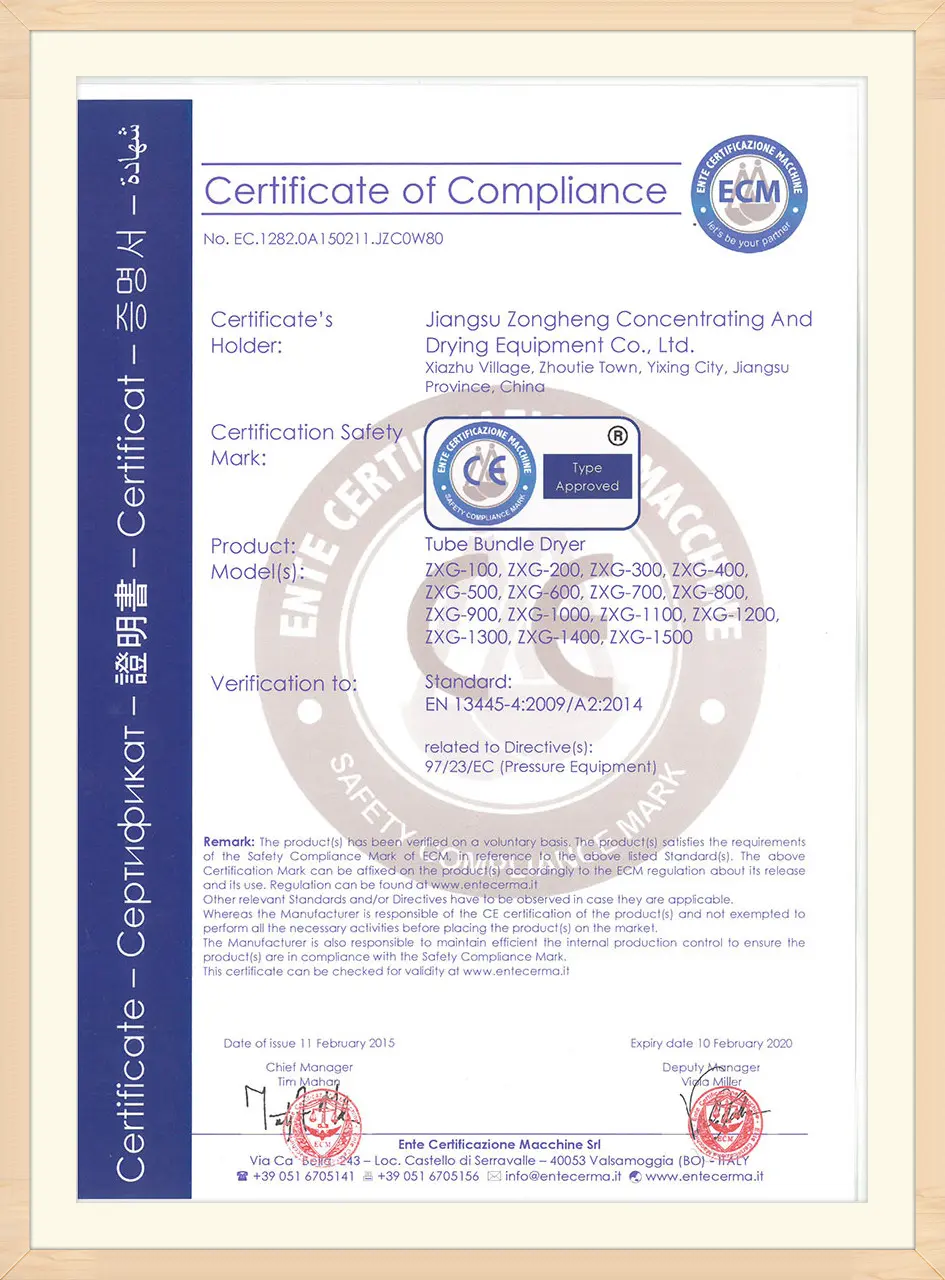
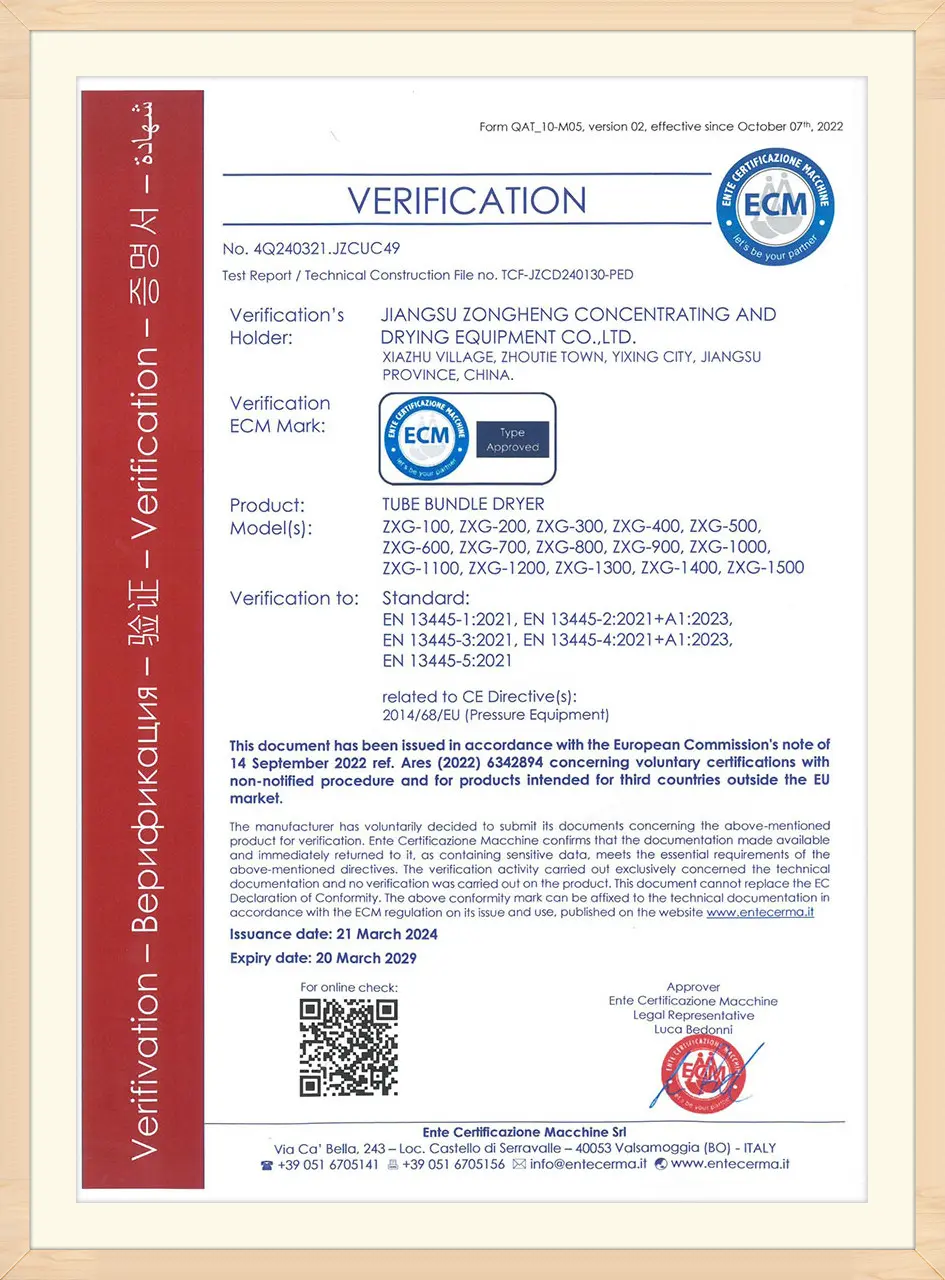
We manufacture all concentration systems in compliance with international pressure vessel regulations. Holding the ASME "U" Stamp authorization and CE certification, our designs meet the stringent structural and safety demands of Western markets, ensuring worry-free project commissioning.
Located in the Yangtze River Delta engineering cluster (Yixing City), we procure premium raw materials such as duplex stainless steel (2205/2507) and titanium alloys directly from domestic mills, lowering capital costs by 30-40% compared to European manufacturers.
With over 20 senior chemical and structural engineers, we perform complex heat transfer and hydraulic modeling. We simulate fluid behaviors under high solids loading to optimize the circulation velocities of falling film and forced circulation systems.
Thermodynamic advancements shaping energy efficiency and emission reduction
Modern backward feed architectures are increasingly utilizing MVR systems. Instead of venting secondary vapors or condensing them with fresh water, a mechanical compressor raises the temperature and pressure of the vapor, allowing it to be recycled as the primary heating medium. This lowers steam consumption to near zero, significantly lowering operational expenditures (OPEX).
Environmental mandates worldwide are requiring plants to eliminate liquid effluent discharges. Our backward feed configuration acts as the ideal crystallizer pre-concentrator, taking high-salinity industrial wastewater up to the saturation limit before it enters centrifuges or spray dryers, allowing maximum water recovery.
By implementing real-time density sensors, variable frequency drives (VFDs) on circulation pumps, and PLC control loops, our evaporation plants automatically adjust feed rates to compensate for steam pressure fluctuations, ensuring consistent output concentration and preventing tube clogging.
With the rise of acidic wastewater concentration in chemical sectors, the selection of contact metals is critical. We specialize in fabricating evaporator effects utilizing Hastelloy, Titanium Gr. 2, and high-performance austenitics to guarantee long-term equipment lifespans.
Providing specialized process systems across diverse industrial sectors
| Industry Sector | Common Process Media | Evaporator Selection | Key Performance Metric |
|---|---|---|---|
| Starch & Sweeteners | Glucose, Maltose, Dextrose syrup concentration | Multi-Effect Falling Film / Backward Feed | High color preservation & low thermal stress |
| Distillery & Biofuels | DDGS thin stillage concentration | Forced Circulation + Waste Heat Integration | Fouling control with suspended solids > 15% |
| Wastewater Treatment (ZLD) | High-salinity reverse osmosis brine, chemical runoff | MVR combined with Falling Film & Crystallizers | 95%+ water recovery & salt crystallization |
| Chemical Processing | Ammonium sulfate, sodium chloride solutions | Forced Circulation Backward Feed Systems | Continuous operation with crystal slurry presence |
Combining primary evaporation plants with auxiliary solids processing equipment
Designed specifically for heat-sensitive liquids with low to medium viscosity. Liquid flows as a thin film down the inner walls of vertical heat-exchanger tubes, ensuring extremely fast residence times, highly efficient heat transfer, and minimal product degradation.
The ideal solution for crystallization, high viscosity concentration, or liquids prone to severe fouling. High-flow axial pumps push the liquid through the heat exchanger tubes under pressure to prevent boiling within the tubes, keeping crystallization restricted to the separator vessel.
Utilizes advanced centrifugal fan or root blower compressors to reuse steam heat, offering the highest thermal efficiency available. Perfect for large-scale municipal, chemical, and agro-processing plants focused on minimizing carbon footprints.
Integrates with existing industrial infrastructure, leveraging low-grade waste steam, flash steam, or stack exhaust gases to drive the evaporation process. This significantly reduces overall boiler fuel costs.
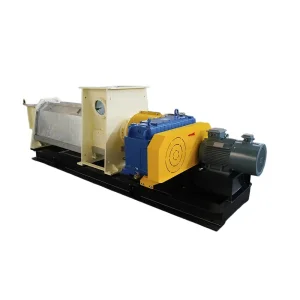
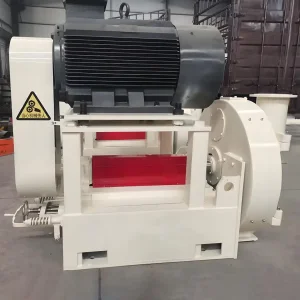
A rugged mechanical separation system that compresses wet fibrous materials (such as corn fiber or spent grains) before thermal drying, dropping moisture contents by up to 20-30% to optimize dryer workloads.
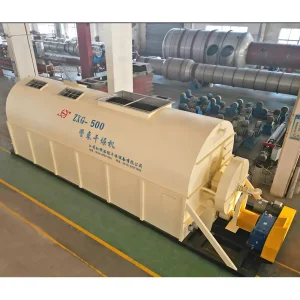
An indirect contact steam dryer optimized for loose, non-sticky granular products. Tube bundles rotate inside the stationary housing, transferring heat uniformly while minimizing power consumption and preventing dust explosions.
Three decades of continuous engineering excellence and technological growth
Established as a localized mechanical supplier, covering 15 mu of land with 45 pioneering workers, laying the foundation for our concentration technology.
Successfully obtained ISO9001 certification, standardizing all workshop manufacturing, quality inspection, and supply-chain management workflows.
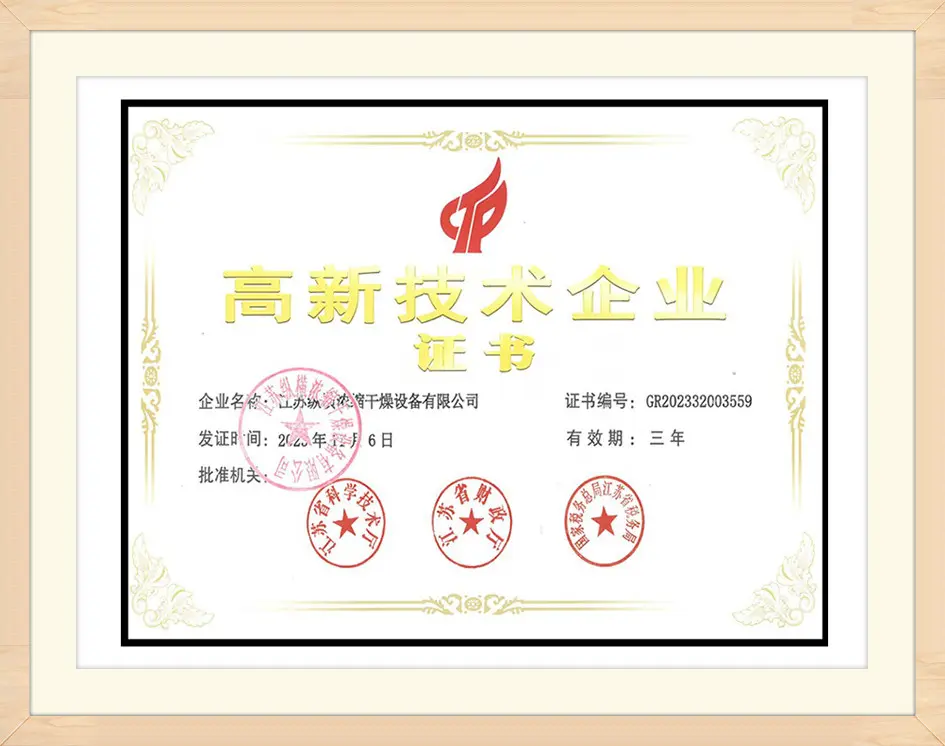
Designated as a Jiangsu Provincial High-Tech Enterprise, marking a pivot toward advanced thermodynamics R&D and patent filings for evaporator designs.
Acquired the Special Equipment Manufacturing License of the People's Republic of China (License No.: TS2232C42) for low and medium-pressure vessel fabrication.
Achieved ASME "U" Stamp authorization, allowing the design and shipping of industrial pressure vessels to global markets requiring compliance with ASME Sec. VIII Div 1.
Upgraded to international quality system certification (Certificate No.: 45021), proving a reliable and fully audited manufacturing process for global procurement teams.
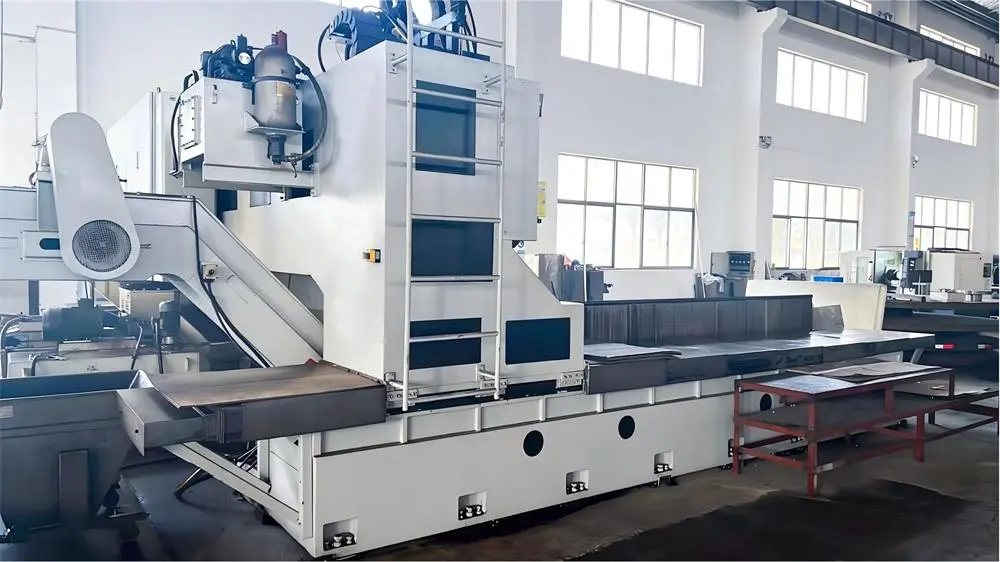
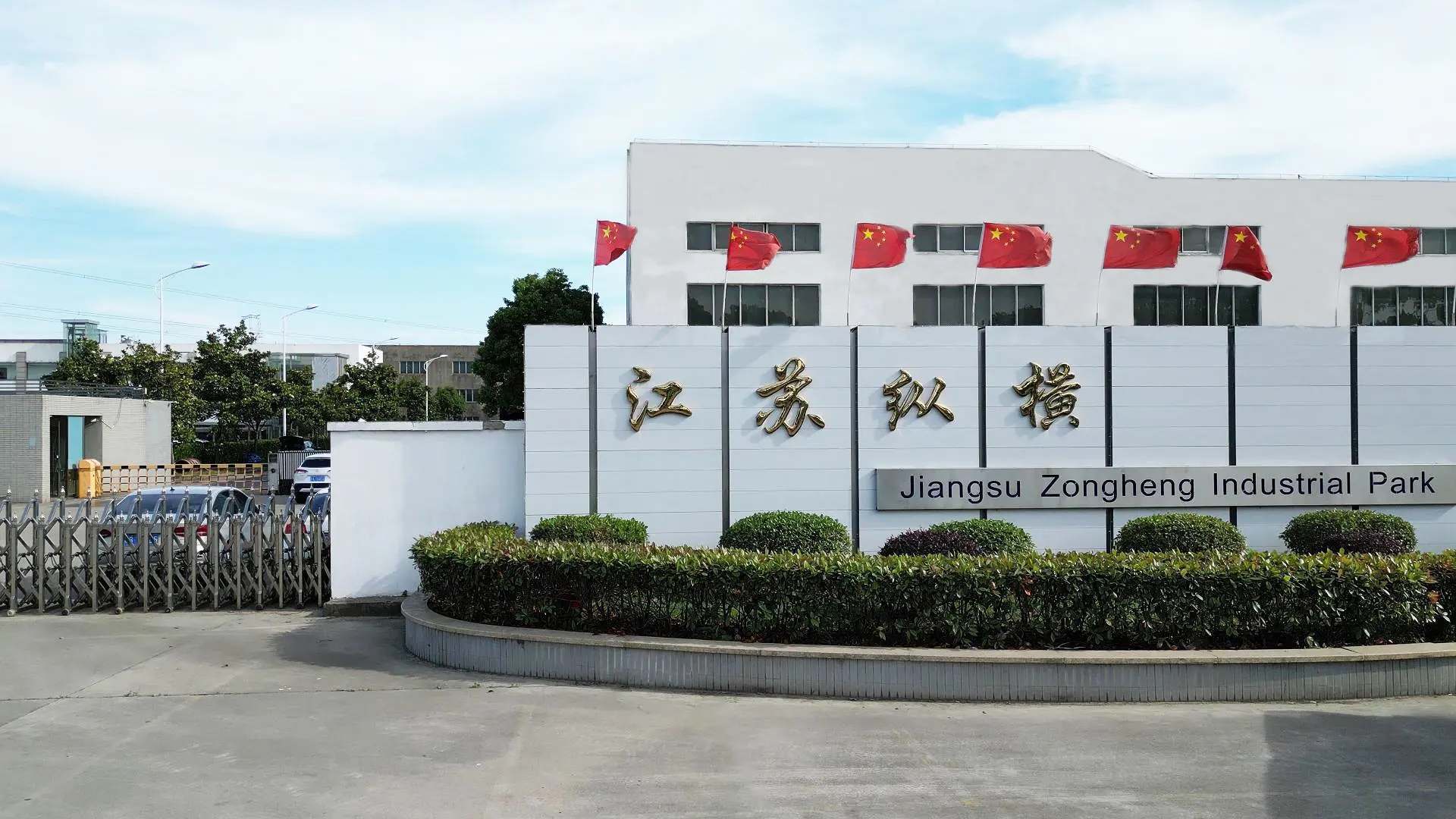
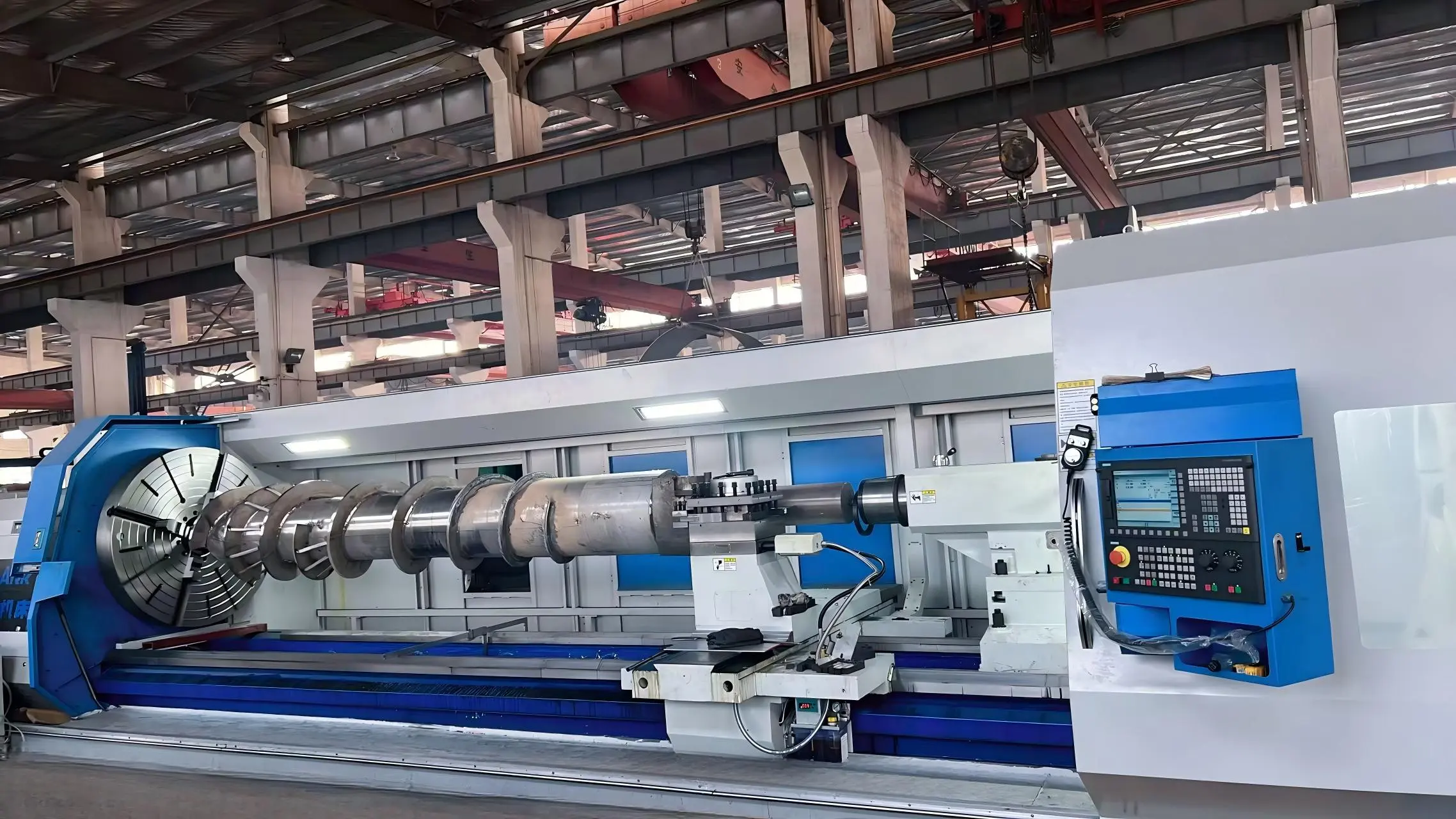
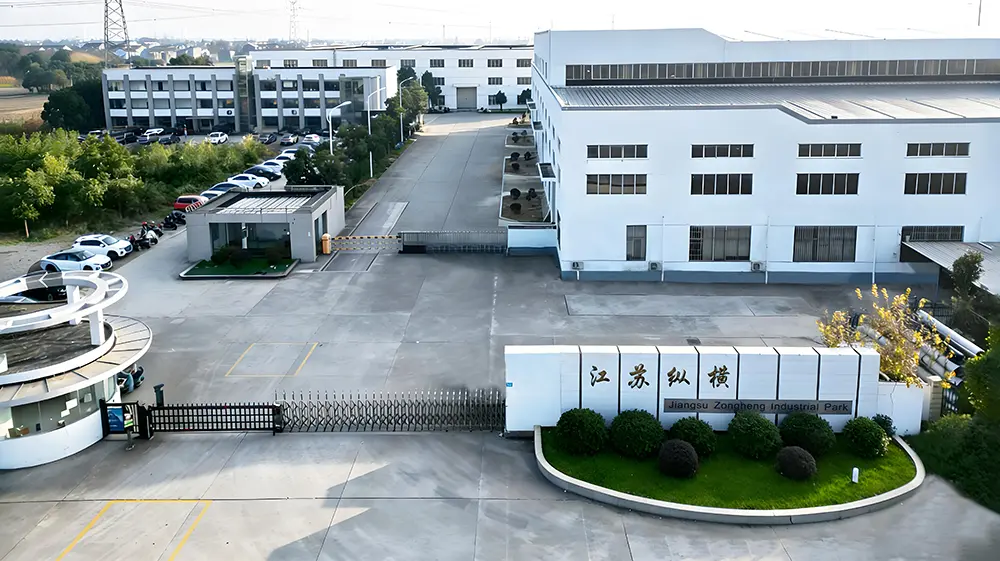
Our operation covers a total area of over 54,000 square meters, with workshop space exceeding 22,000 square meters. The engineering team is staffed by 120 professionals, including 3 senior engineers and over 20 registered design engineers.
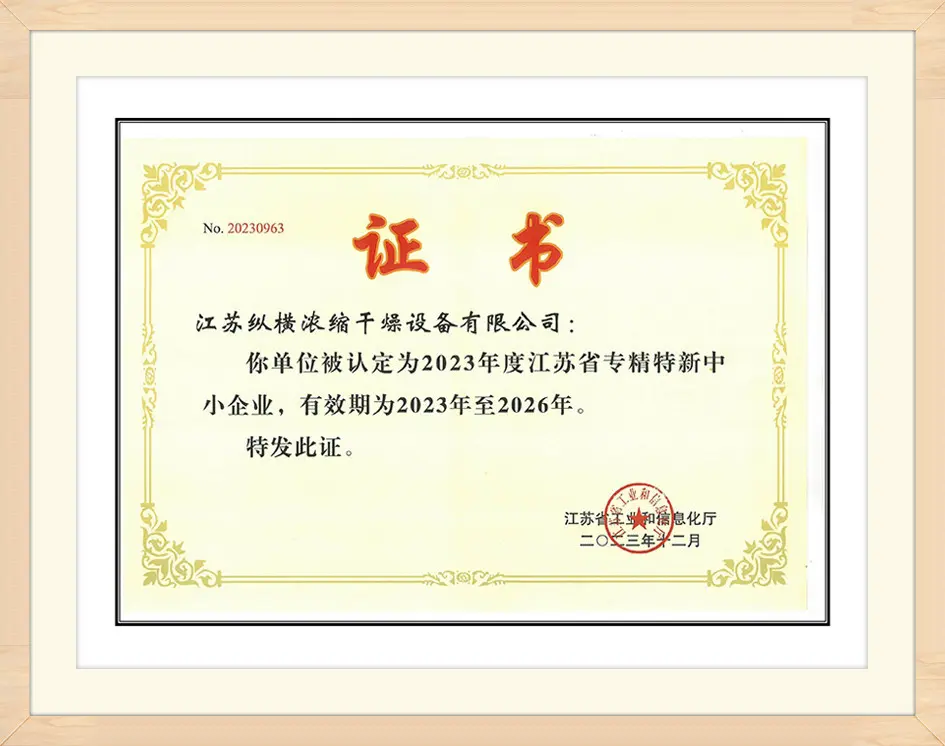
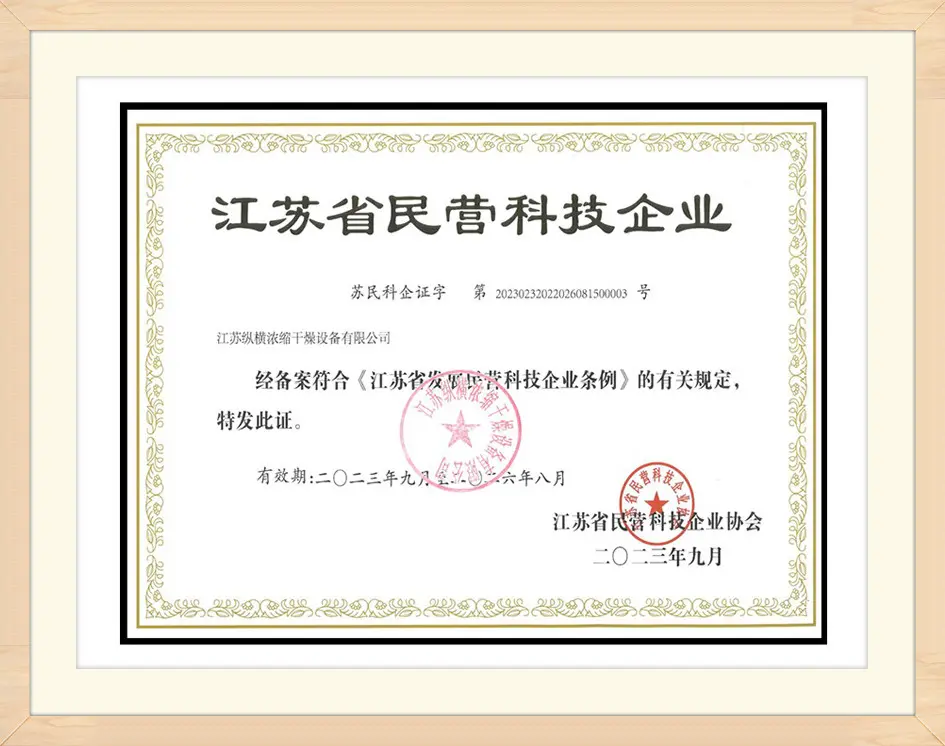
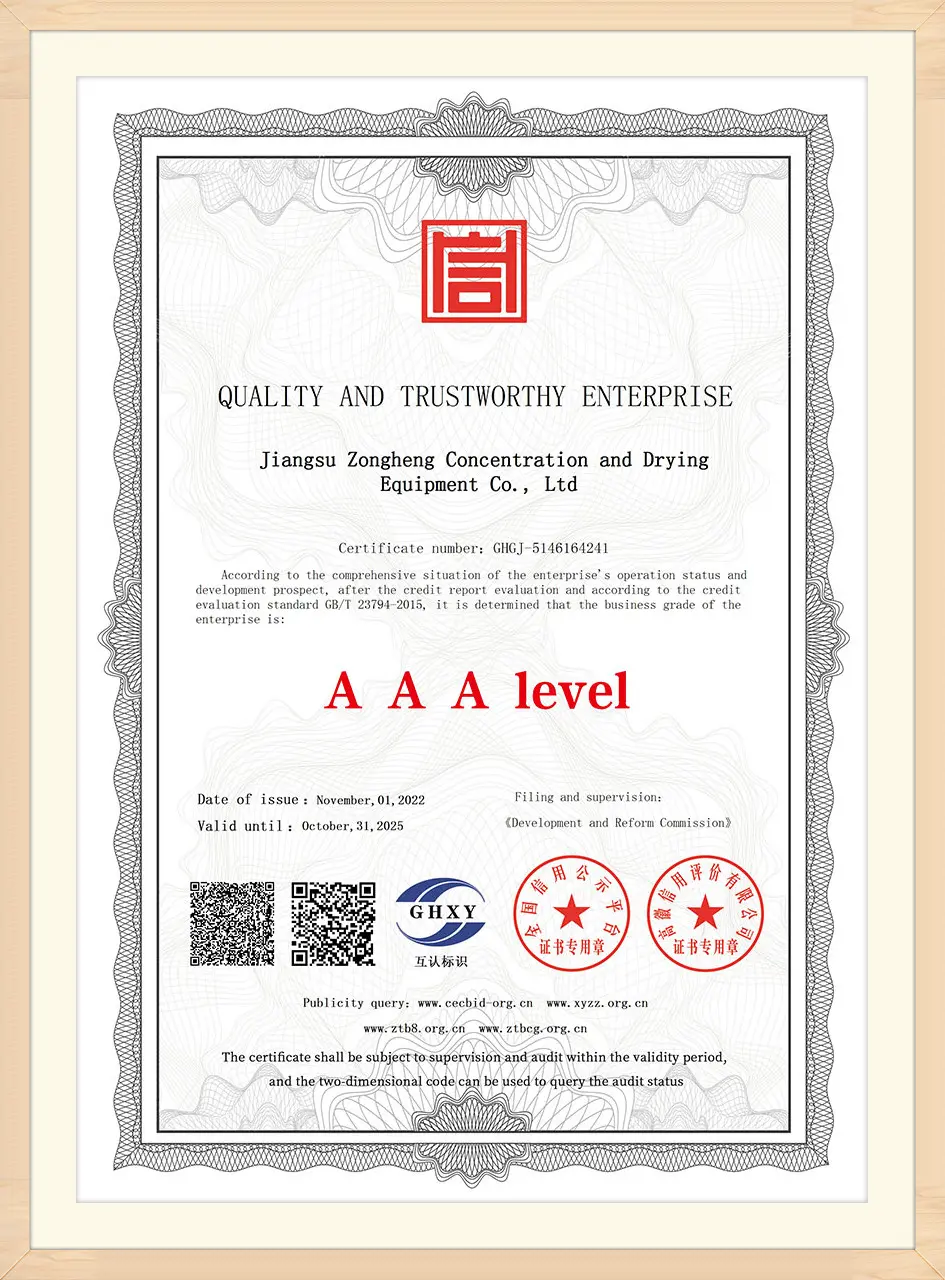
Verified manufacturing quality validated by recognized auditing authorities
Answering crucial engineering and procurement queries about concentration plants
Use backward feed systems when the fluid's viscosity increases sharply as it concentrates. In a forward feed design, the most concentrated fluid leaves from the coldest effect, which leads to high viscosity, poor flow velocity, and rapid scaling on the heating tubes. In a backward feed layout, the final concentration occurs in the first (hottest) effect, maintaining fluidity through higher processing temperatures.
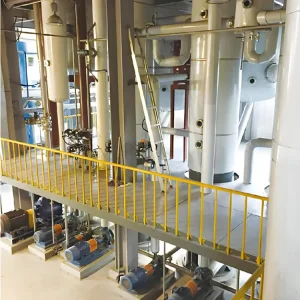
Because fluid travels from low pressure (vacuum) to high pressure, inter-effect transfer pumps are required to move the concentrate between stages. While this increases the pumping energy load slightly compared to self-draining forward feed systems, the energy recovered by keeping viscosity low and heat transfer rates high more than offsets this minor power draw.
Depending on your chemical stream, we fabricate components using SUS304, SUS316L, 2205/2507 Duplex Stainless Steel, Titanium, or Hastelloy. We perform thorough corrosion testing and weld stress-relief treatments, ensuring high durability even in harsh chemical environments.
Usually, design engineering, approval drawing exchange, and vessel fabrication take 120 to 180 days, depending on the scale and material requirements. We provide complete factory acceptance testing (FAT) before shipment to ensure fast field installation.
Contact the engineering division of Jiangsu Zongheng for a detailed thermal design proposal and project quotation tailored to your operational specifications.
Reliable components and machinery engineered for the food, starch, and wastewater sectors
 Zongheng