Explore our range of premium, high-efficiency evaporators and agricultural processing systems engineered for global compliance.
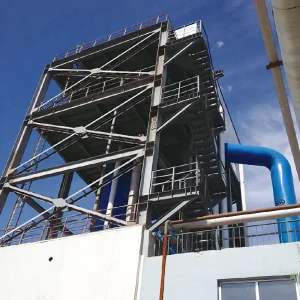
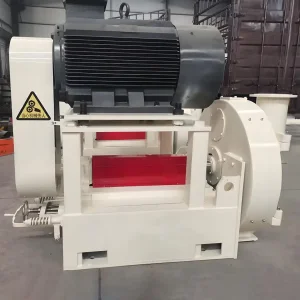
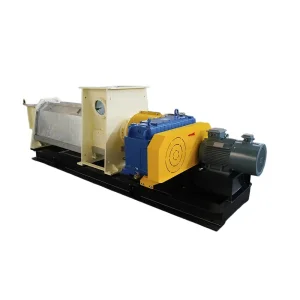
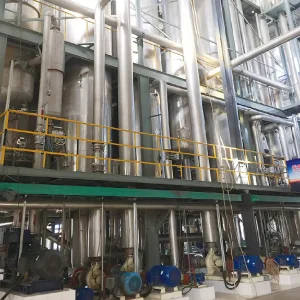
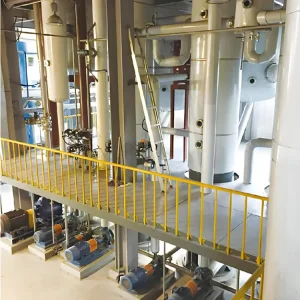
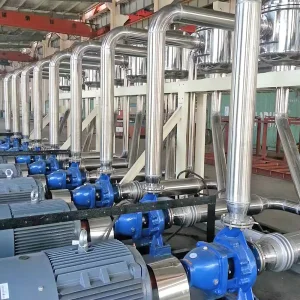
In process engineering, thermal separation systems are frequently designated by multiple synonyms depending on regional engineering codes, operational modes, or historical patents. The CE Certification Rising Film Evaporator is a foundational vertical tube heat exchanger widely deployed across concentration plants globally. This class of evaporator is also known by several technically distinct designations within engineering communities:
Regardless of the nomenclature—whether referred to as a Rising Film Evaporator, a Climbing Film Evaporator, or an LTV Evaporator—the basic operating principle remains identical. The unit relies on the vapor generated during initial boiling at the tube bottom to produce a high-velocity vapor core. This core forces the remaining liquid to climb the tube walls as a thin, highly turbulent liquid film, optimizing heat transfer coefficients (U-values) and minimizing product residence time.
Selecting the correct evaporator configuration requires evaluating heat sensitivity, viscosity, fouling tendencies, and thermal efficiency targets. Below is a comparative engineering reference matrix.
| Evaporator Type | Flow Mechanism | Ideal Application / Viscosity Range | Key Operational Strengths | Thermal Efficiency Potential |
|---|---|---|---|---|
| Rising Film Evaporator (Climbing Film) | Annular upward flow driven by rapid vapor expansion inside tubes. | Low-viscosity, non-salting, mildly heat-sensitive fluids (< 100 cP). | Compact footprint, high heat transfer at high temperature differences ($\Delta T$). | High when integrated with thermal or mechanical vapor recompression. |
| Falling Film Evaporator | Gravity-driven downward flow along tube walls from high-distribution headers. | Highly heat-sensitive fluids, fruit juices, dairy, concentration up to moderate viscosity. | Extremely short residence time, operates under low temperature differences. | Excellent; standard design choice for large-scale multi-effect MVR systems. |
| Forced Circulation Evaporator | High-velocity recirculation driven by high-capacity axial flow pumps. | High fouling, crystallizing slurries, highly viscous wastes, salt recovery. | Suppressed boiling prevents fouling on heat transfer surfaces. | Moderate; energy consumed by heavy circulation pumps reduces net COP. |
| MVR Evaporation Plant | Mechanical compression of vapor to elevate latent heat, recycling vapor back to heating shell. | Large volume concentration in starch, chemical recovery, and environmental processes. | Drastically reduces steam utility requirement (up to 90% savings). | Maximum energy efficiency (lowest specific energy consumption per ton of vapor). |
Integrating rising film, falling film, and mechanical vapor recompression technologies across complex industrial applications.
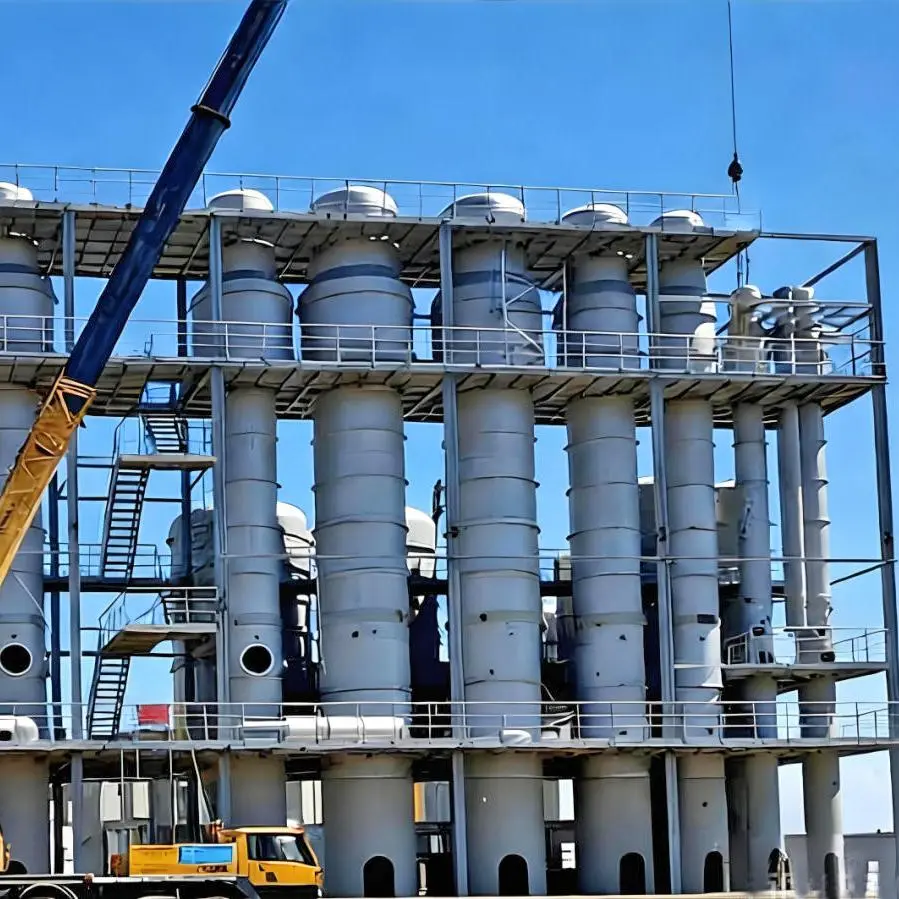
Specialized multi-effect and MVR evaporation architectures tailored for industrial chemical concentration and recovery projects. Systems are configured using advanced thermal calculations and finite element analysis (FEA) to ensure long-term mechanical reliability under vacuum conditions.
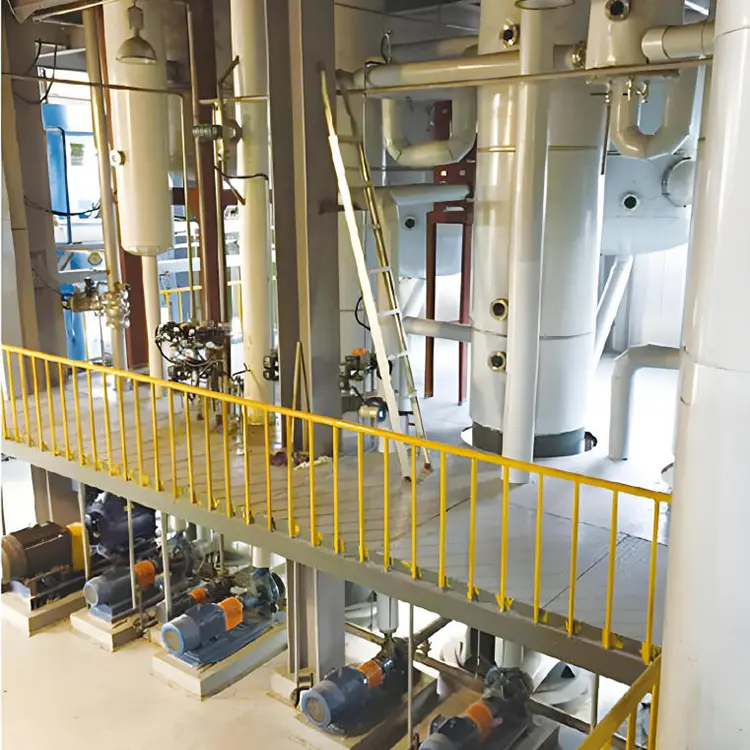
Engineered primarily for heat-sensitive liquid concentration. The system distributes feed liquid evenly through top-mounted liquid distributors to form a continuous film inside the vertical tubes, achieving stable evaporation rates at low temperature differences and minimal thermal stress.
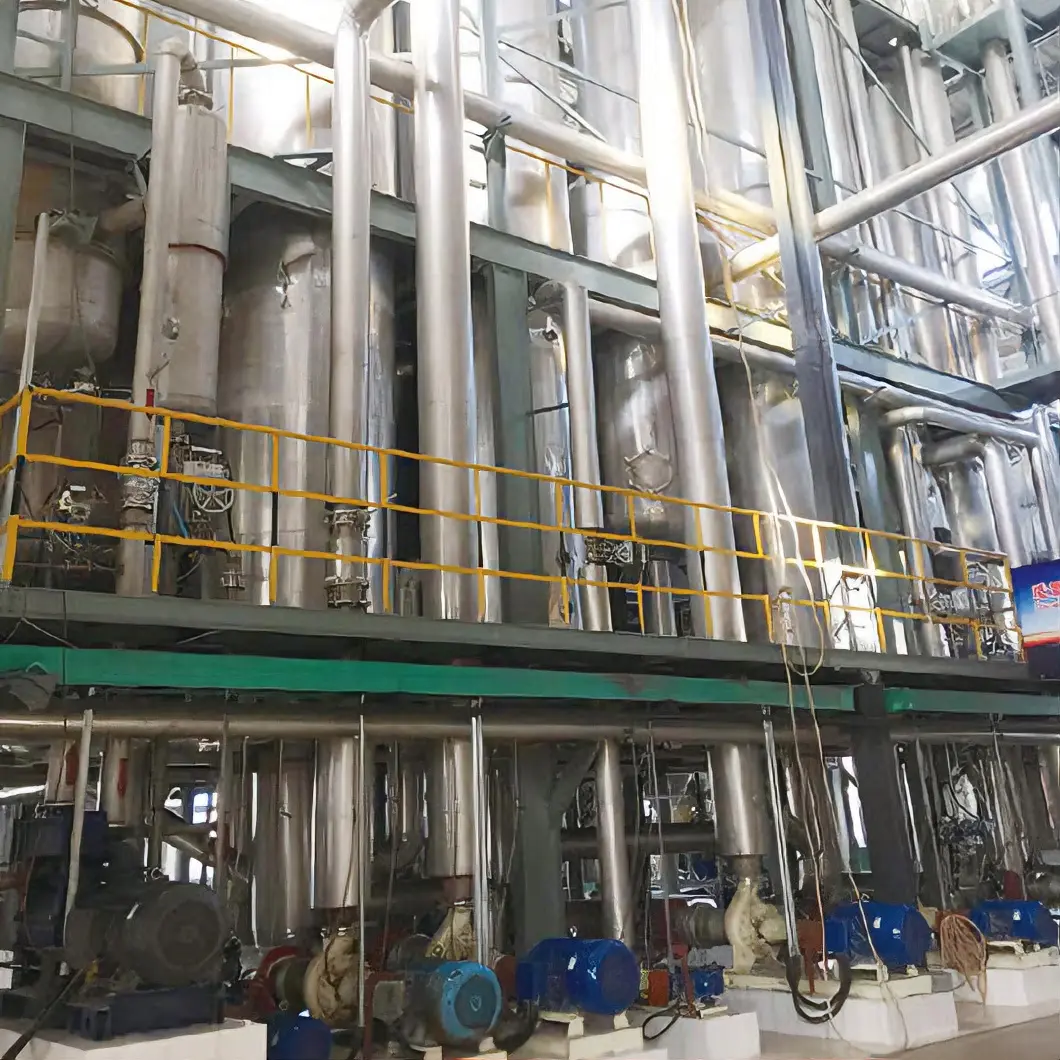
Specifically developed for industrial effluents with high TDS (Total Dissolved Solids), organic compounds, and crystallizing tendencies. High fluid velocities within the tubes suppress boiling inside the heat exchanger, preventing premature fouling and keeping solid deposits suspended.
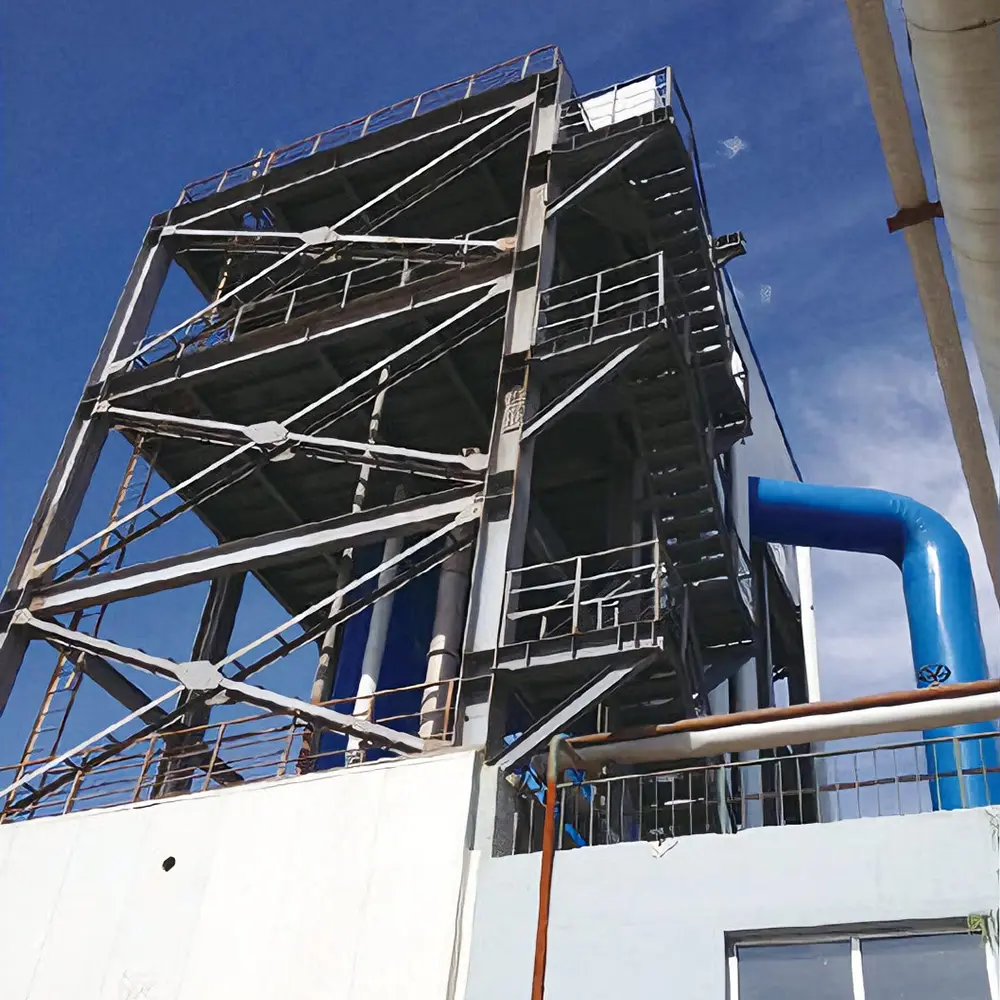
By compressing low-temperature secondary vapor through a centrifugal compressor, MVR plants raise both pressure and temperature. The compressed vapor is re-fed as a heating medium, rendering high-energy steam boilers obsolete for continuous, high-volume operations.
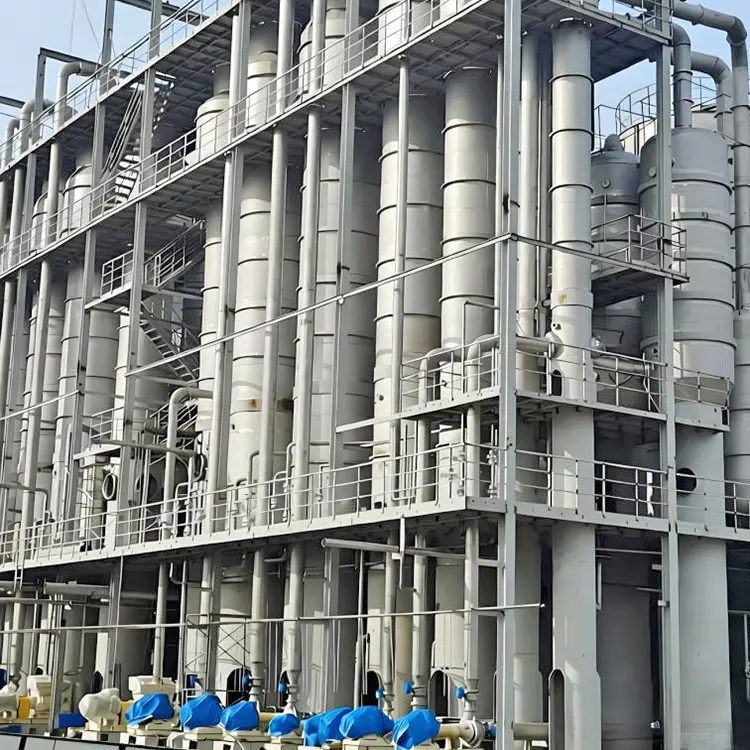
Designed to integrate directly with auxiliary process operations (e.g., drying systems and turbine exhausts). By utilizing low-grade waste steam or drying vapor as the primary heating energy, these units significantly lower overall site utility costs.
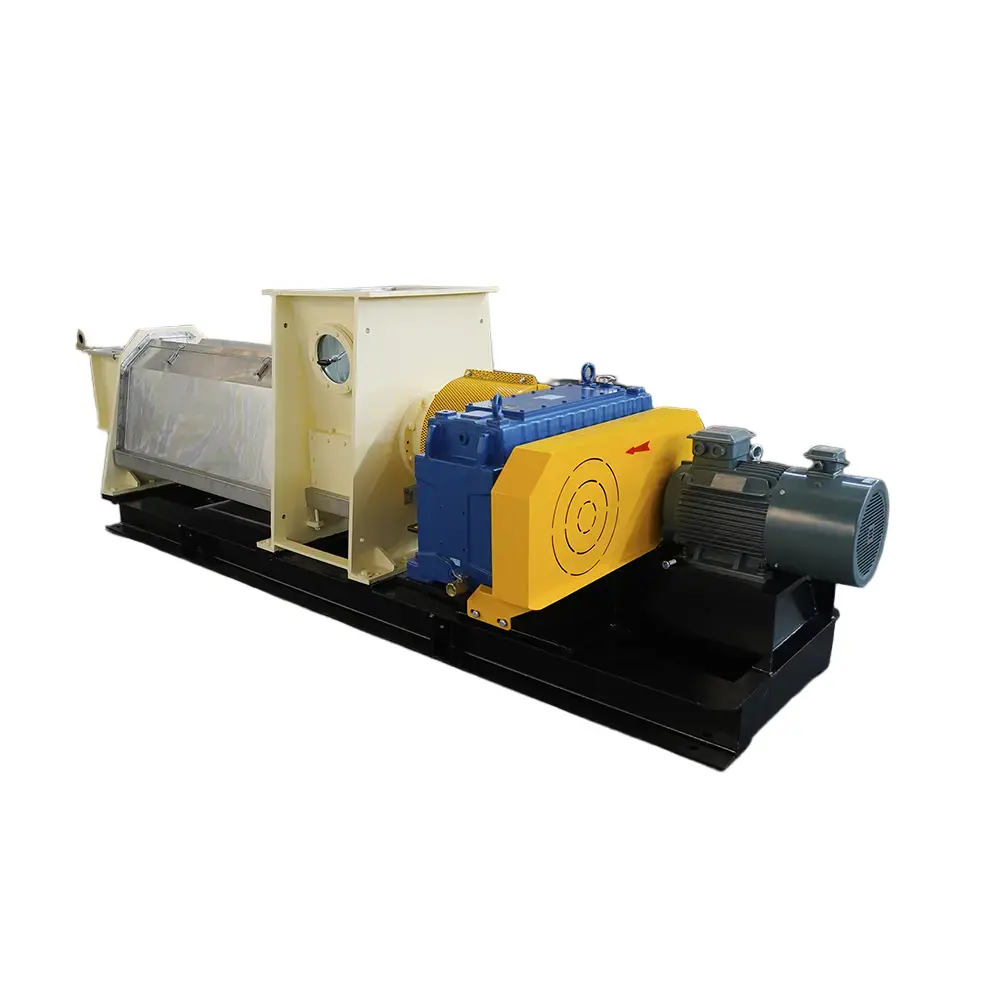
A rugged, high-torque mechanical dewatering system designed for solid-liquid separation tasks, including wet corn starch fibers, spent brewer’s grains, and industrial pulps, delivering low moisture content filter cake for downstream drying.
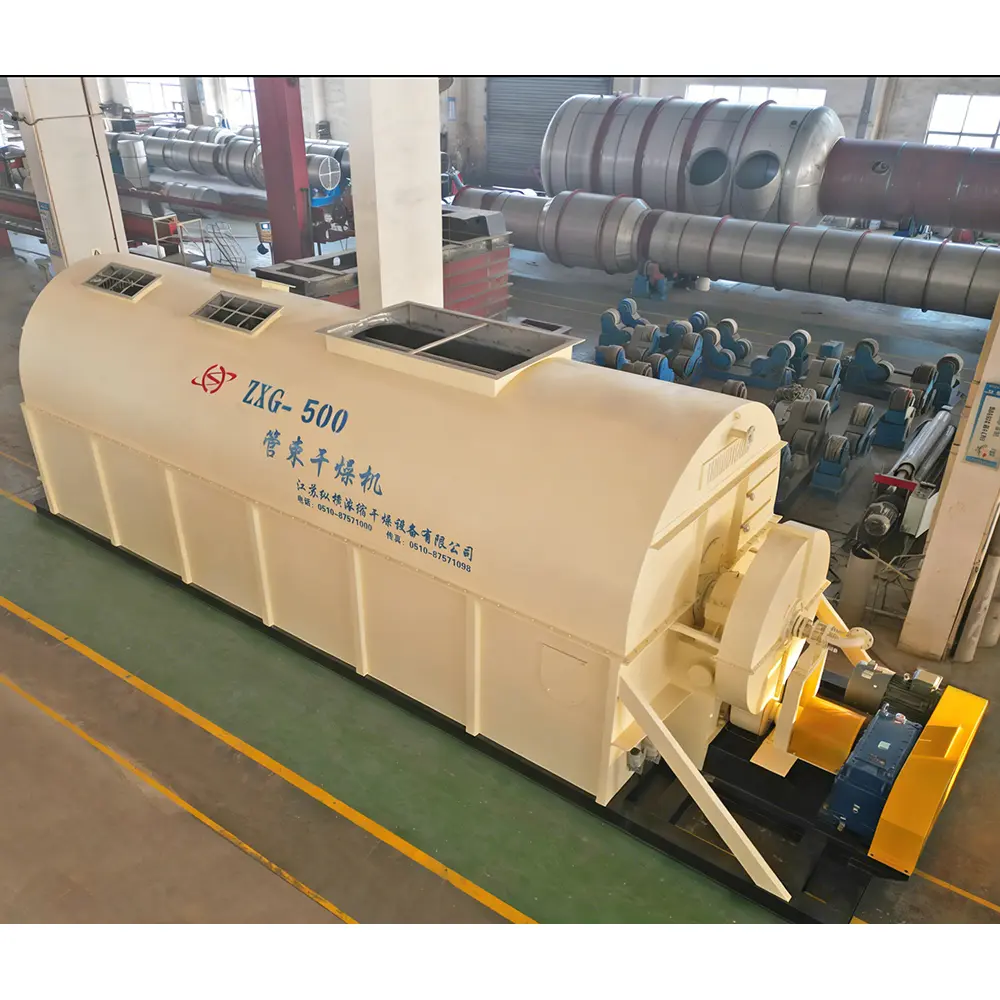
Optimized for starch processing, chemical byproducts, and animal feed manufacturing. Features low-speed rotation of the internal steam tube bundle inside a stationary drum, achieving uniform moisture profiles via contact-based drying.
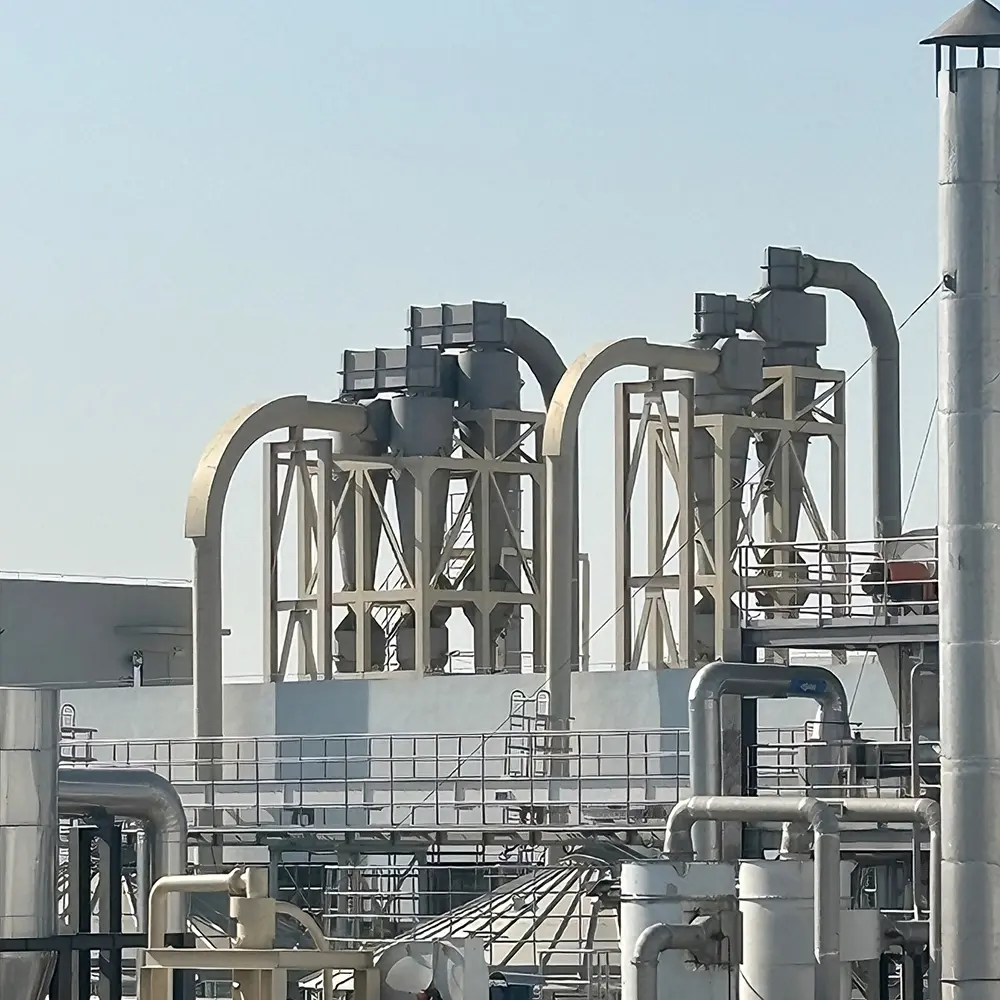
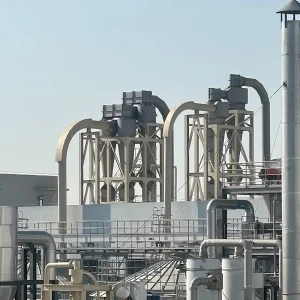
Commonly referred to as a pneumatic flash dryer, this system uses high-velocity hot air to fluidize wet particulate streams. Suitable for materials requiring rapid surface moisture removal in food fermentation and starch refining loops.
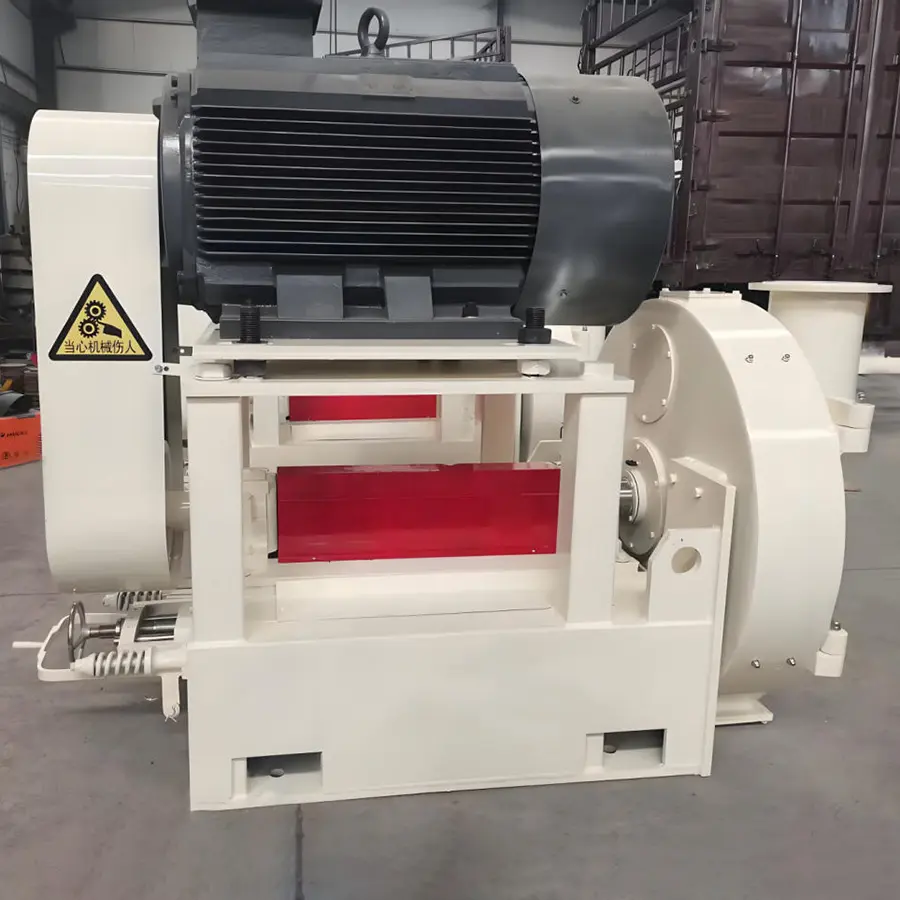
Designed specifically for wet corn milling applications. Provides high-precision impact milling to fracture the kernel shell, allowing clean separation of the corn germ from starch-rich endosperm components without damage to the germ oil cells.
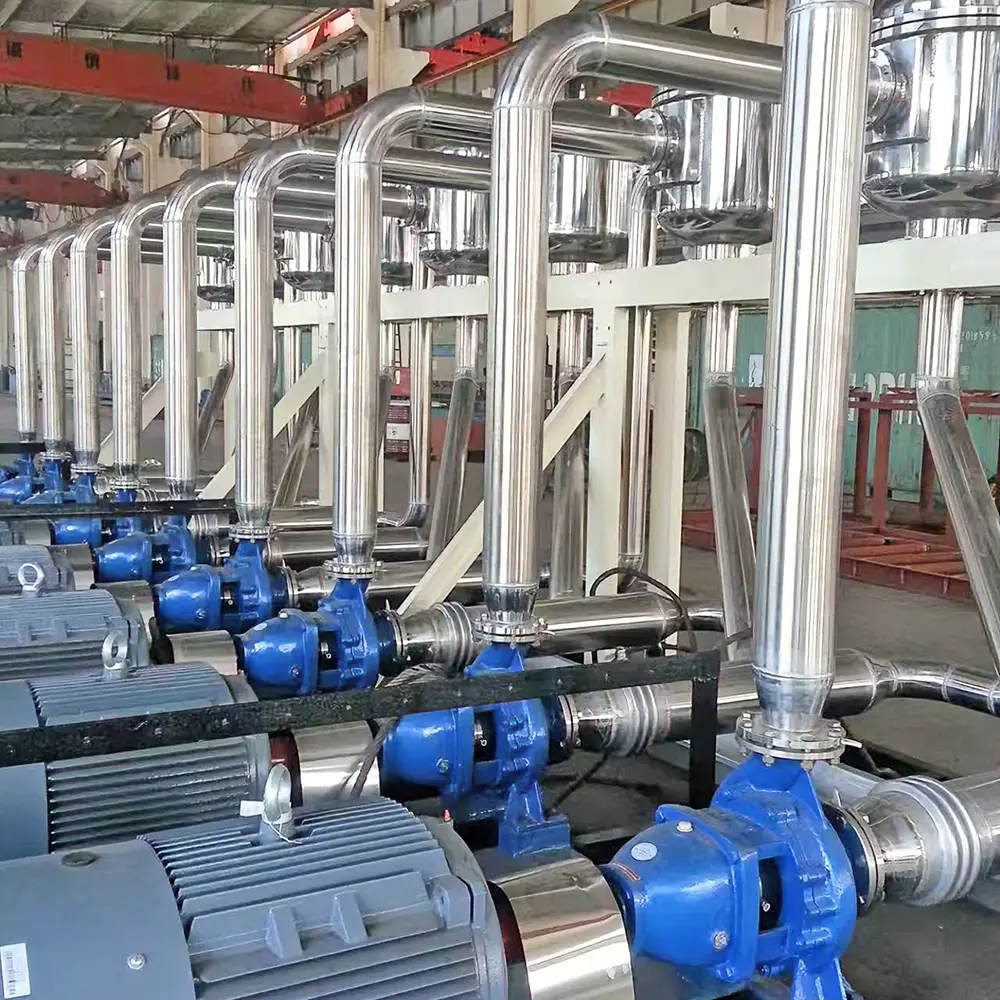
Advanced multicyclone units deployed for the clarification, concentration, and refining of native starches. High-velocity centrifugal separation ensures effective removal of fine fibers, proteins, and soluble impurities in continuous washing loops.
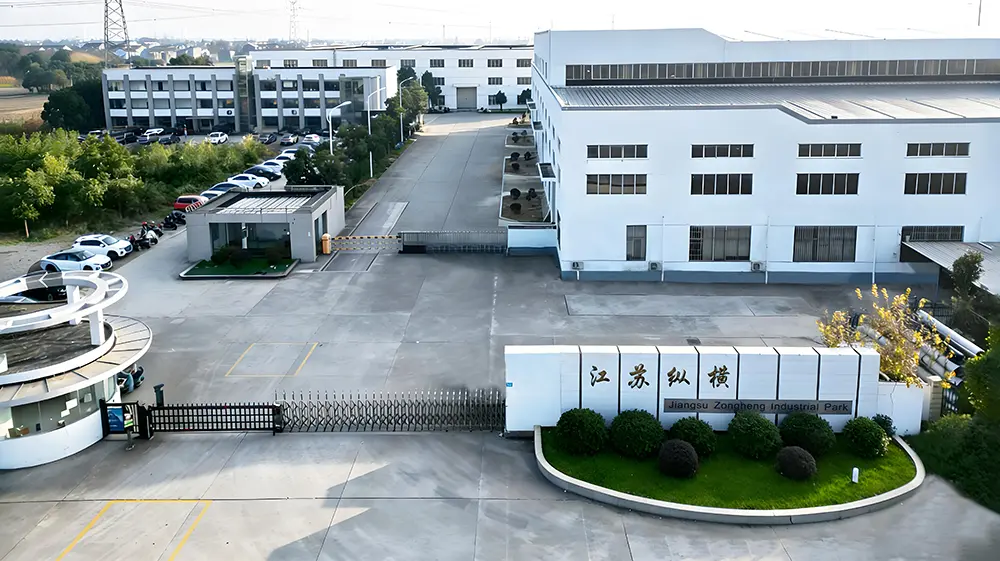
Jiangsu Zongheng Concentrating and Drying Equipment Co., Ltd (formerly known as Yixing Yangxi Light Industry Machinery Factory) was founded in 1992. Located in the historic Zhoutie Town, Yixing City, along the shores of Taihu Lake, our facility occupies an expansive industrial site of over 54,000 square meters, featuring modern production workshops covering more than 22,000 square meters.
As a designated high-tech enterprise and an active member of the China Starch and Alcohol Association, we specialize in the custom engineering, fabrication, and commissioning of large-scale concentration plants, industrial drying networks, starch refining loops, alcohol DDGS processes, and Category III medium and low-pressure vessel equipment. Our thermal and mechanical systems are fully optimized to serve the chemical, petrochemical, pharmaceutical, environmental protection, and food fermentation sectors worldwide.
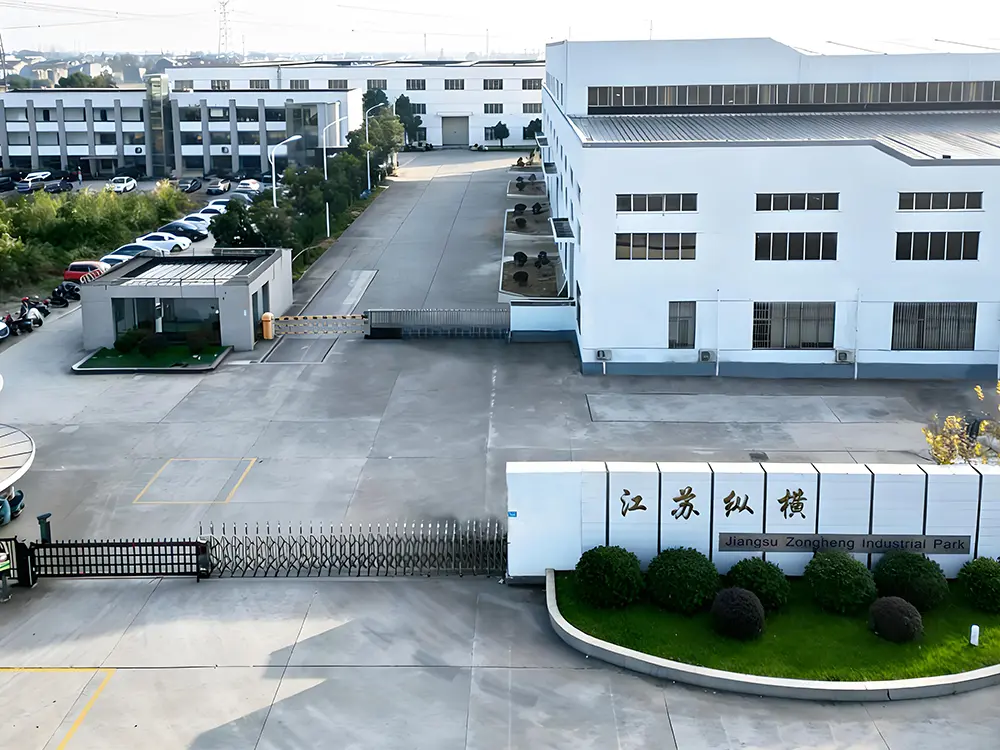
Over three decades of manufacturing innovation, process optimization, and compliance engineering.
Operating across 54,000+ square meters of production space with 120 dedicated specialists, including 3 senior process planners and 20+ installation and quality assurance engineers.
Achieved formal international quality management system certification (Certificate No. 45021), standardizing internal manufacturing routines with global requirements.
Accredited with the ASME boiler and pressure vessel code "U" Stamp authorization, permitting direct manufacturing of high-pressure process equipment for global export.
Secured the Special Equipment Manufacturing License of the People's Republic of China (License No. TS2232C42) for pressurized process containment shells.
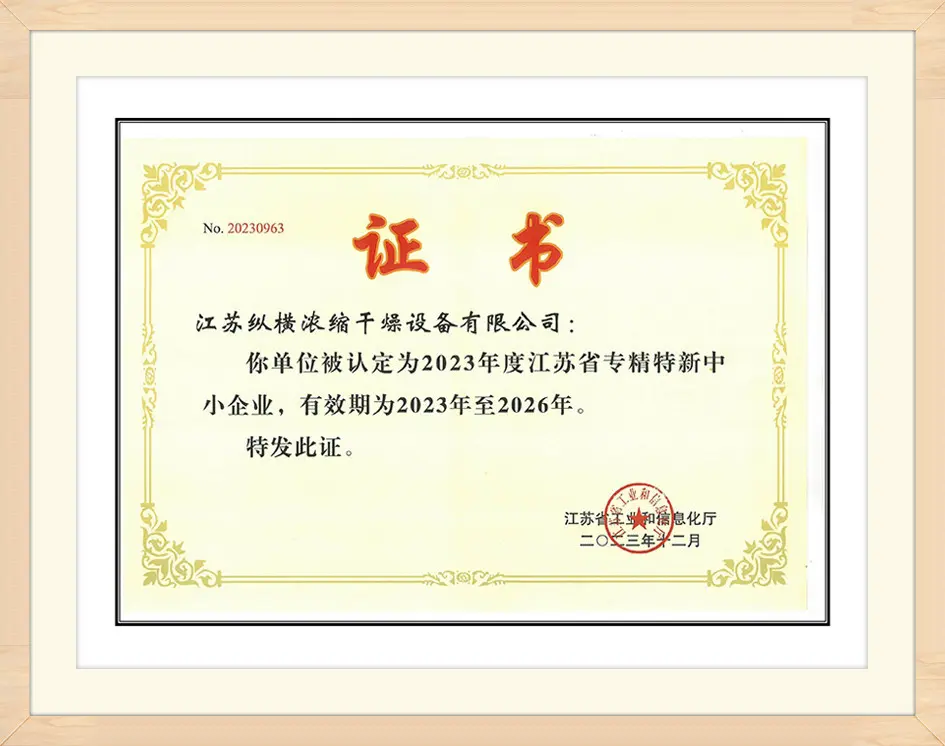
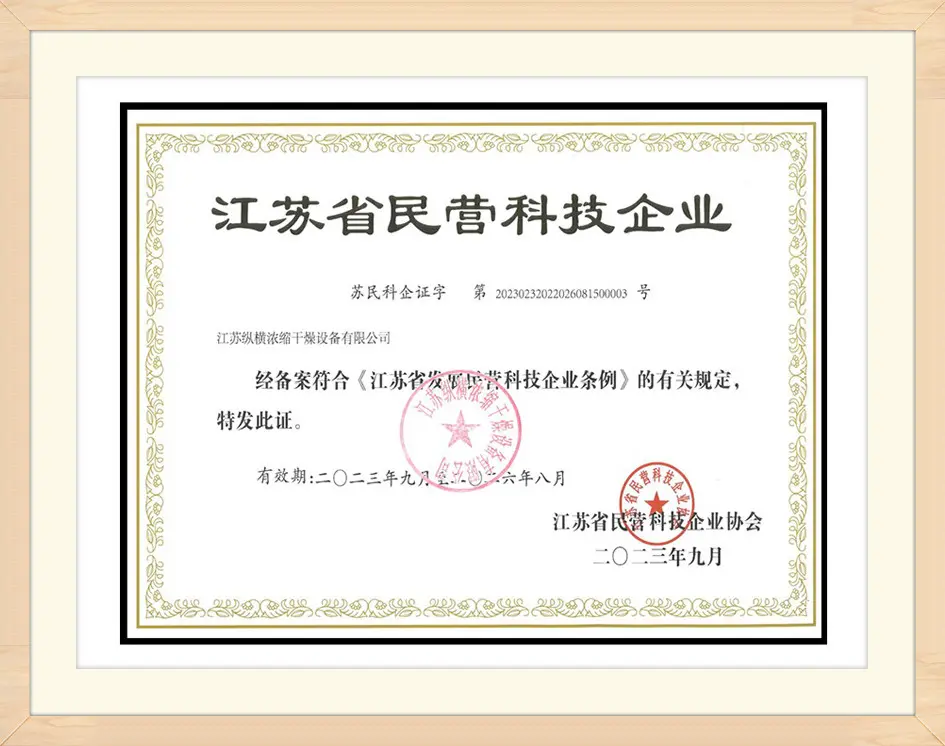
Recognized as a Jiangsu Provincial High-Tech Enterprise, reinforcing our commitment to thermal efficiency research and process fluid mechanics.
Established early formalization of quality management protocols by securing ISO9001 compliance standards for all assembly workshops.
Yixing Yangxi Light Industrial Machinery Factory was founded with a total team of 45 specialists, initiating production of primary separation components for starch manufacturers.
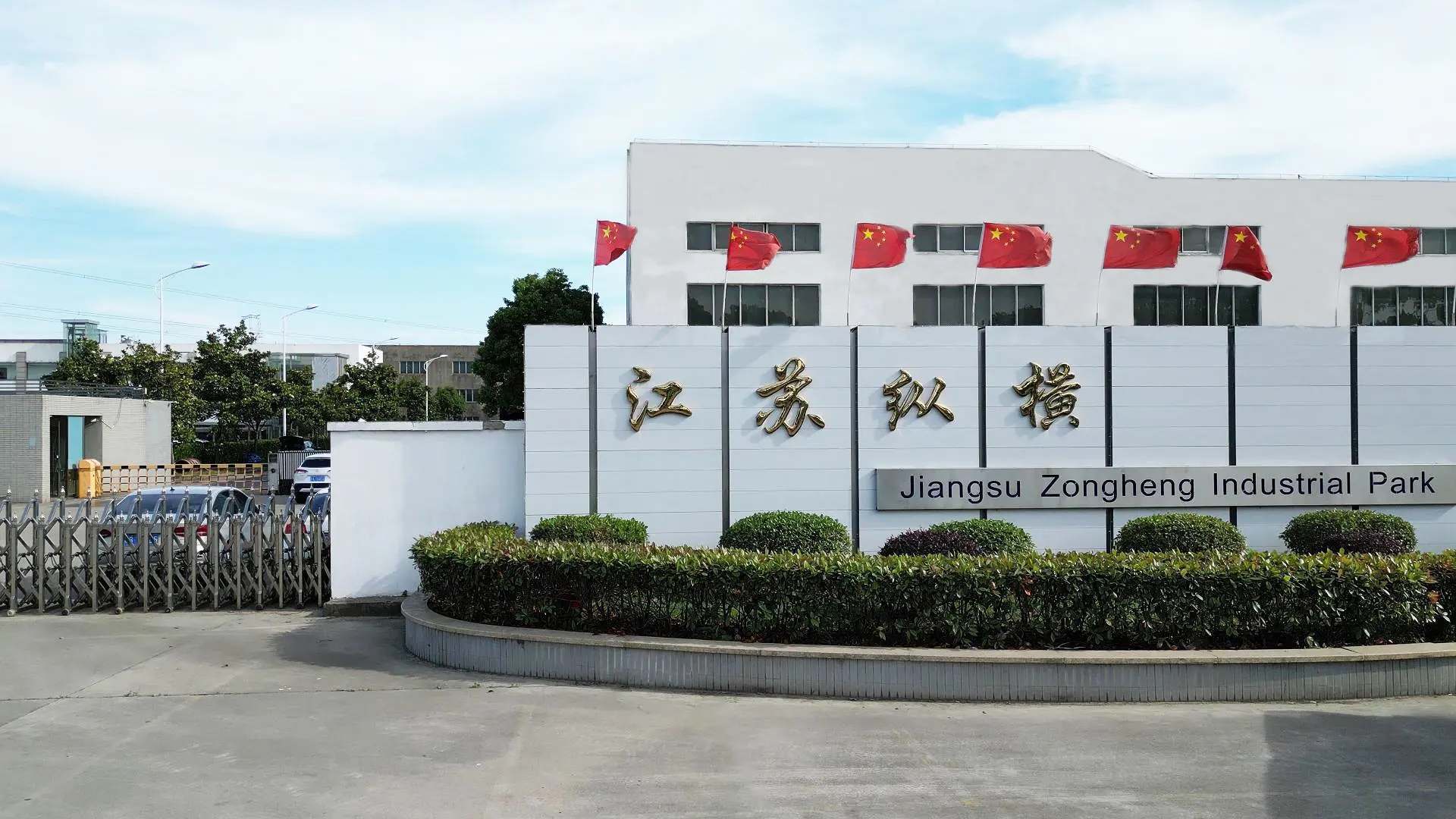
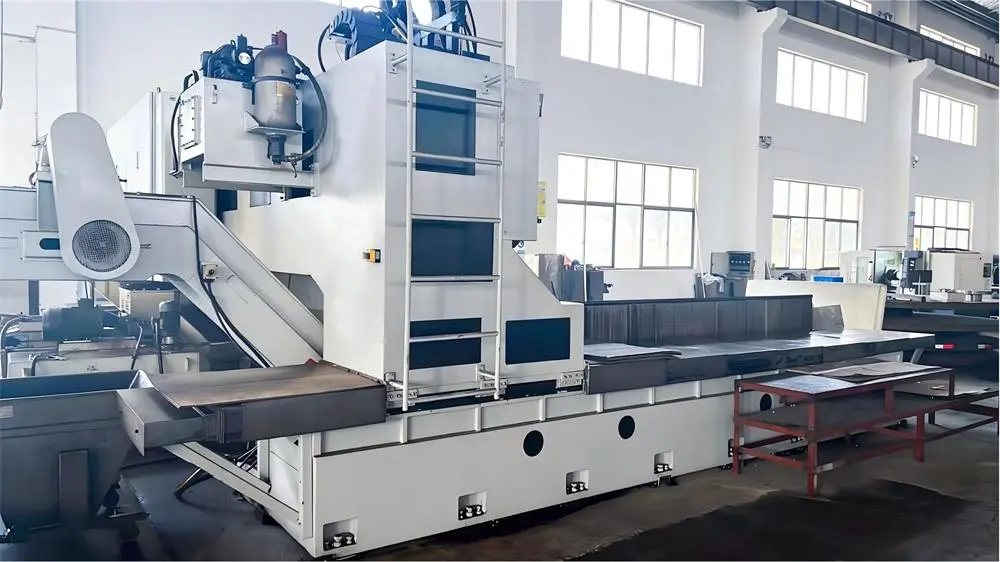
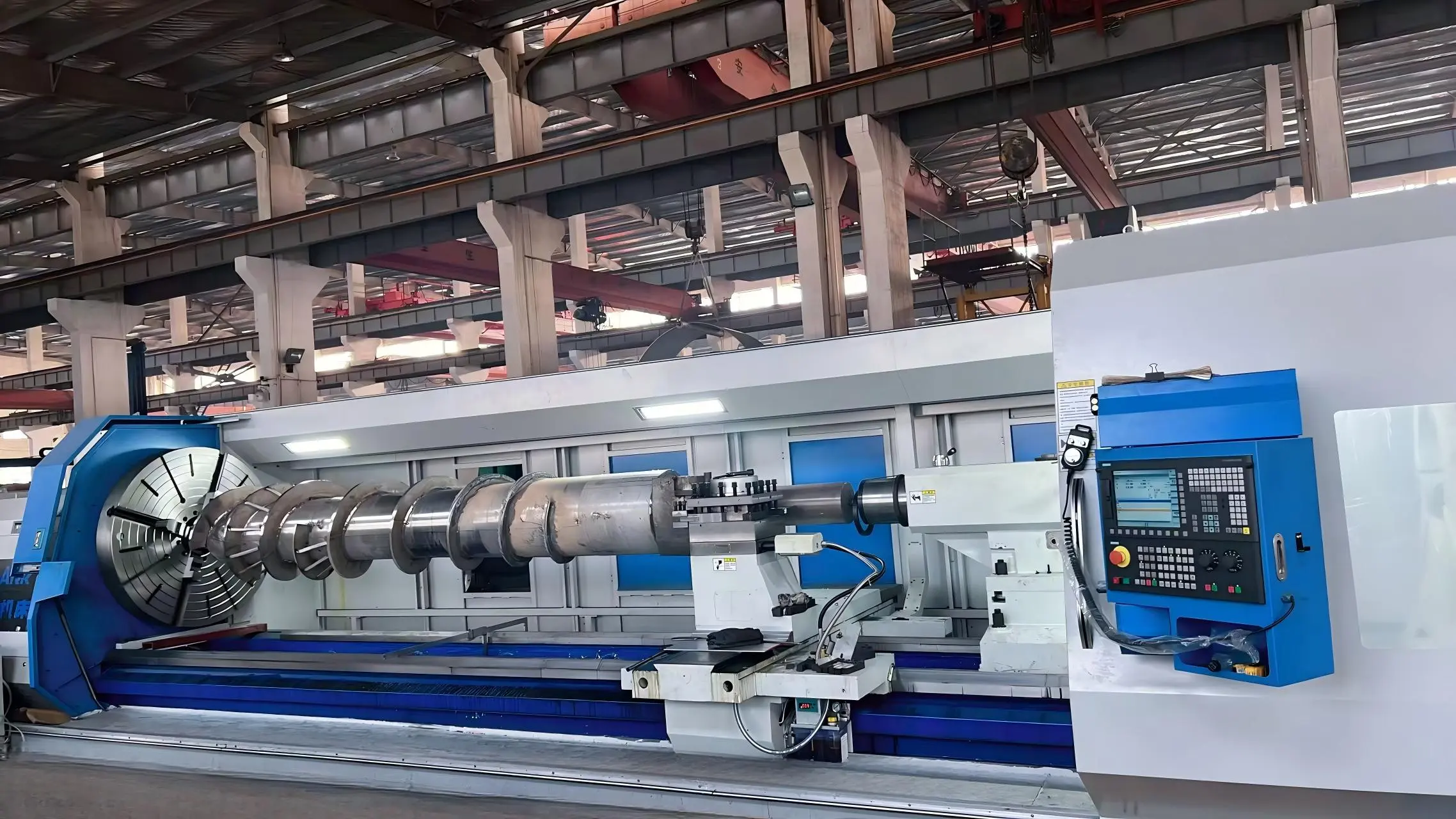
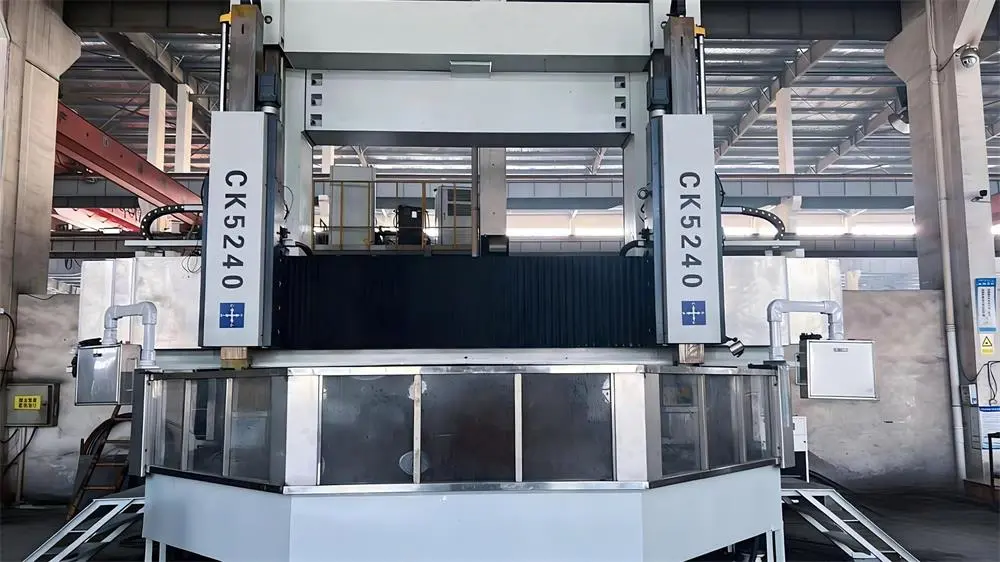
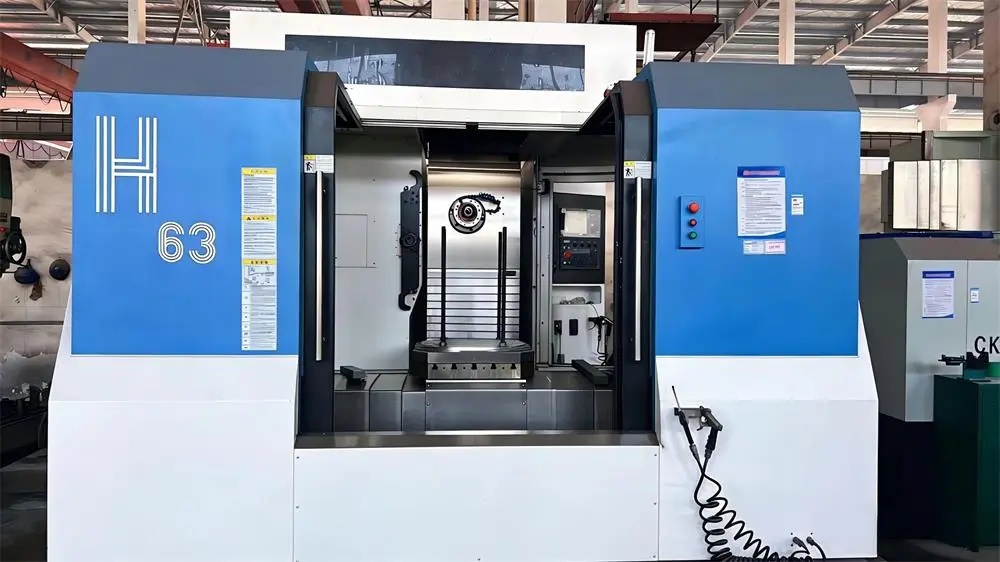
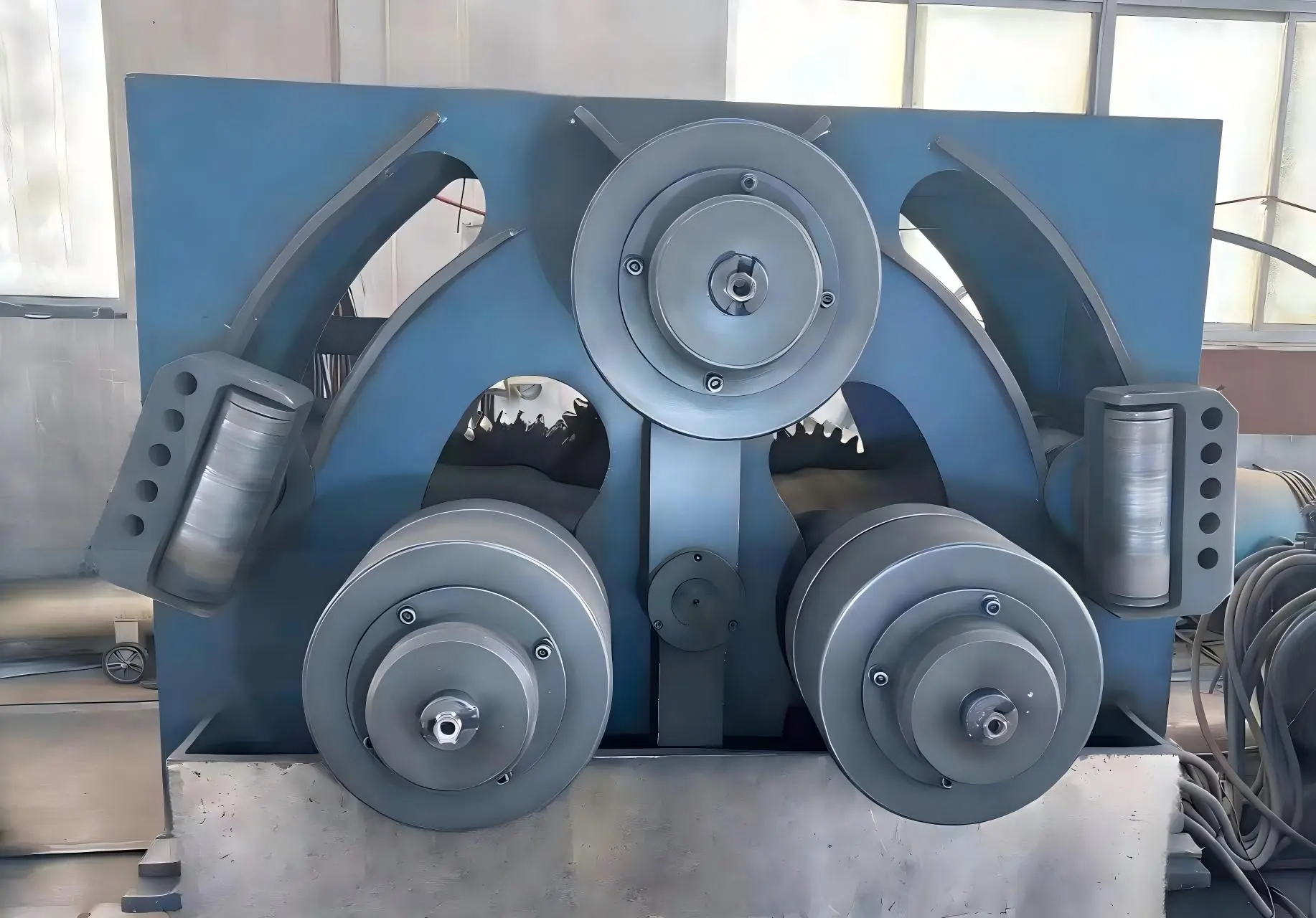
Modern process plant construction requires precise fabrication capabilities. At our Yixing facility, Jiangsu Zongheng implements advanced Factory 4.0 manufacturing processes to produce evaporators that meet domestic and international certifications. By merging specialized physical production with digital quality-control tracking, we ensure consistent equipment performance across international projects.
Key pillars of our manufacturing supply chain and engineering processes include:
By keeping structural assembly, tube sheet machining, and final surface polishing in-house, we retain direct control over cost structures and delivery schedules. This integrated footprint ensures prompt technical responses and reliable lead times for industrial concentration projects worldwide.
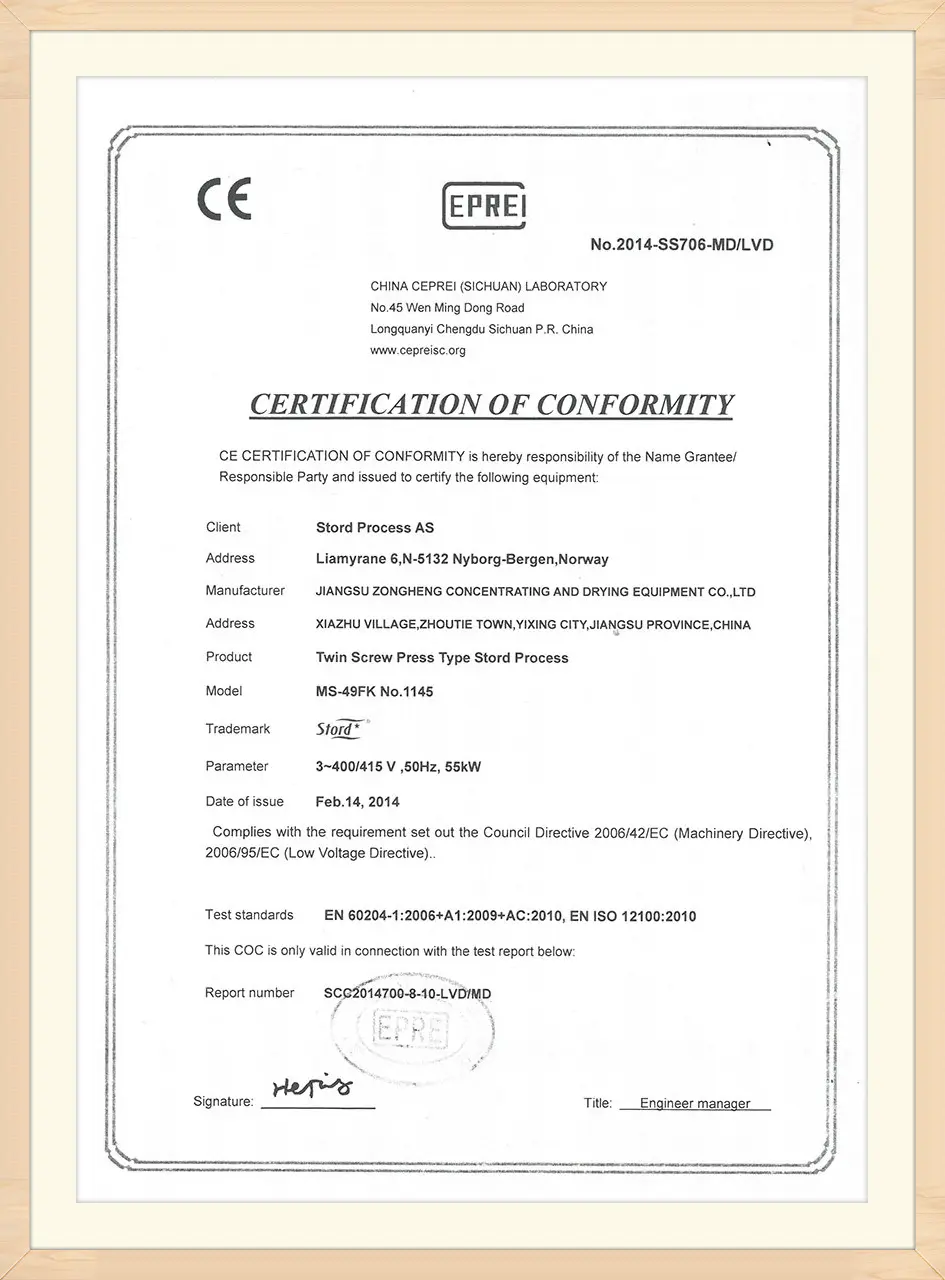
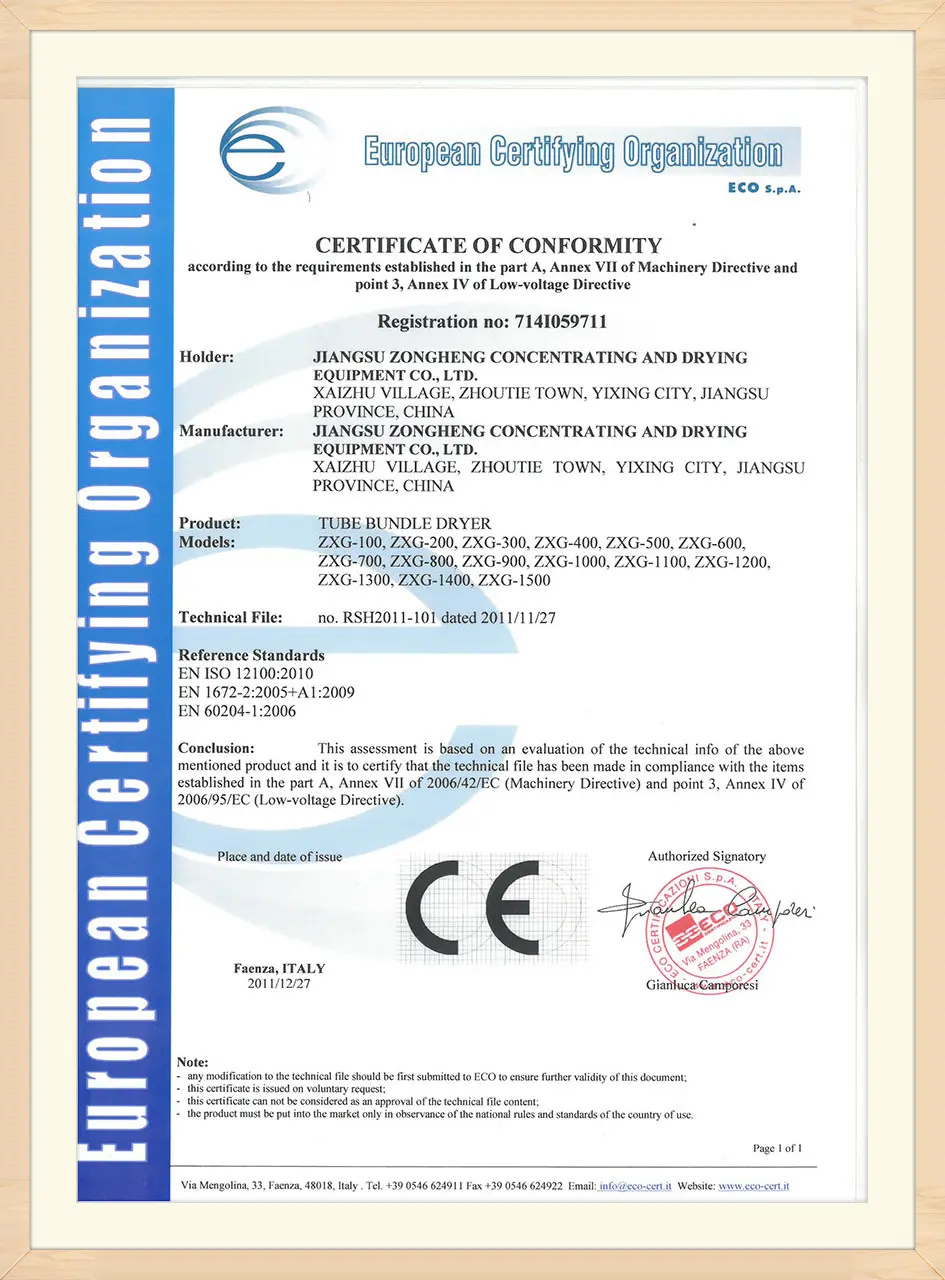
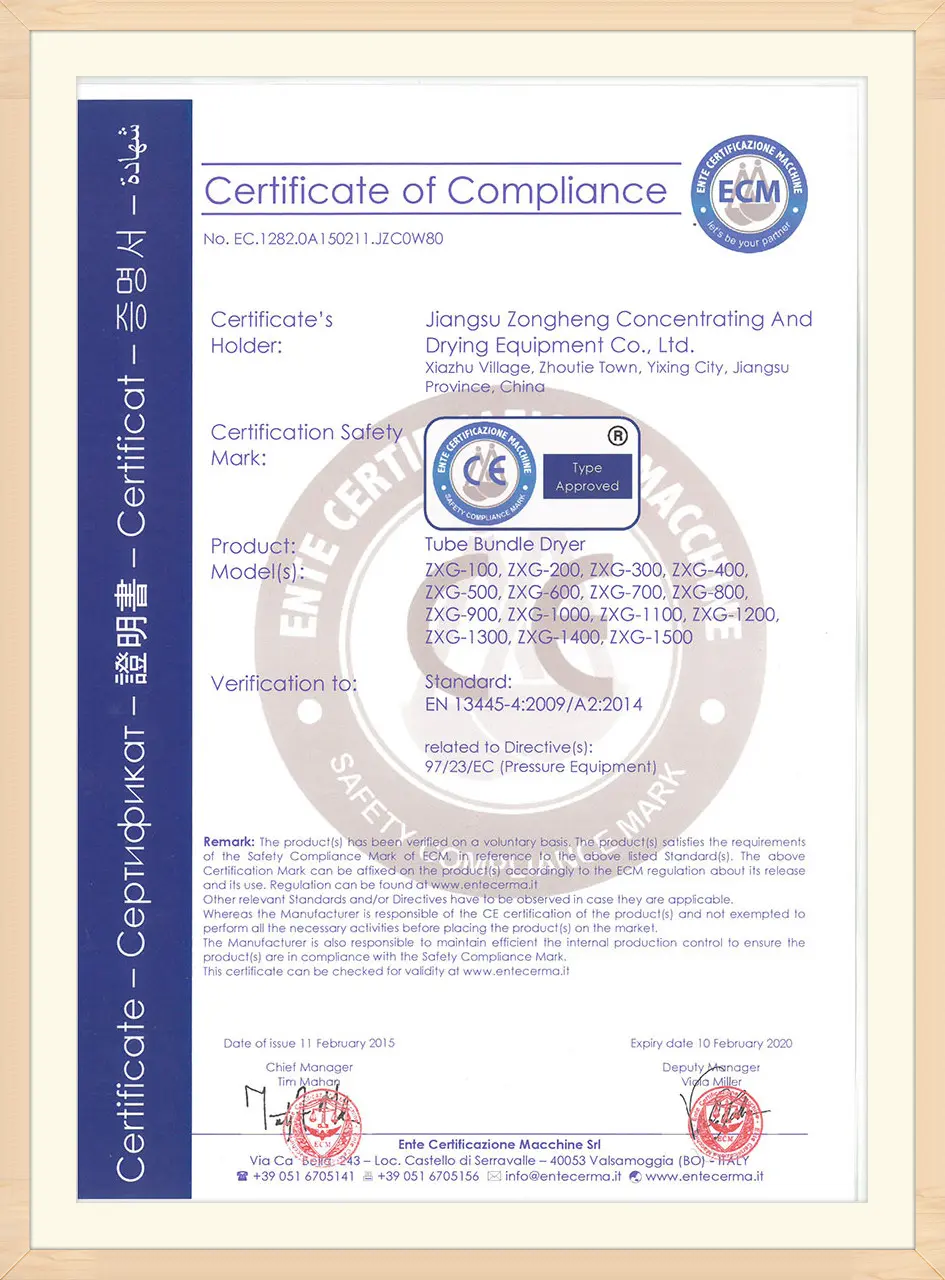
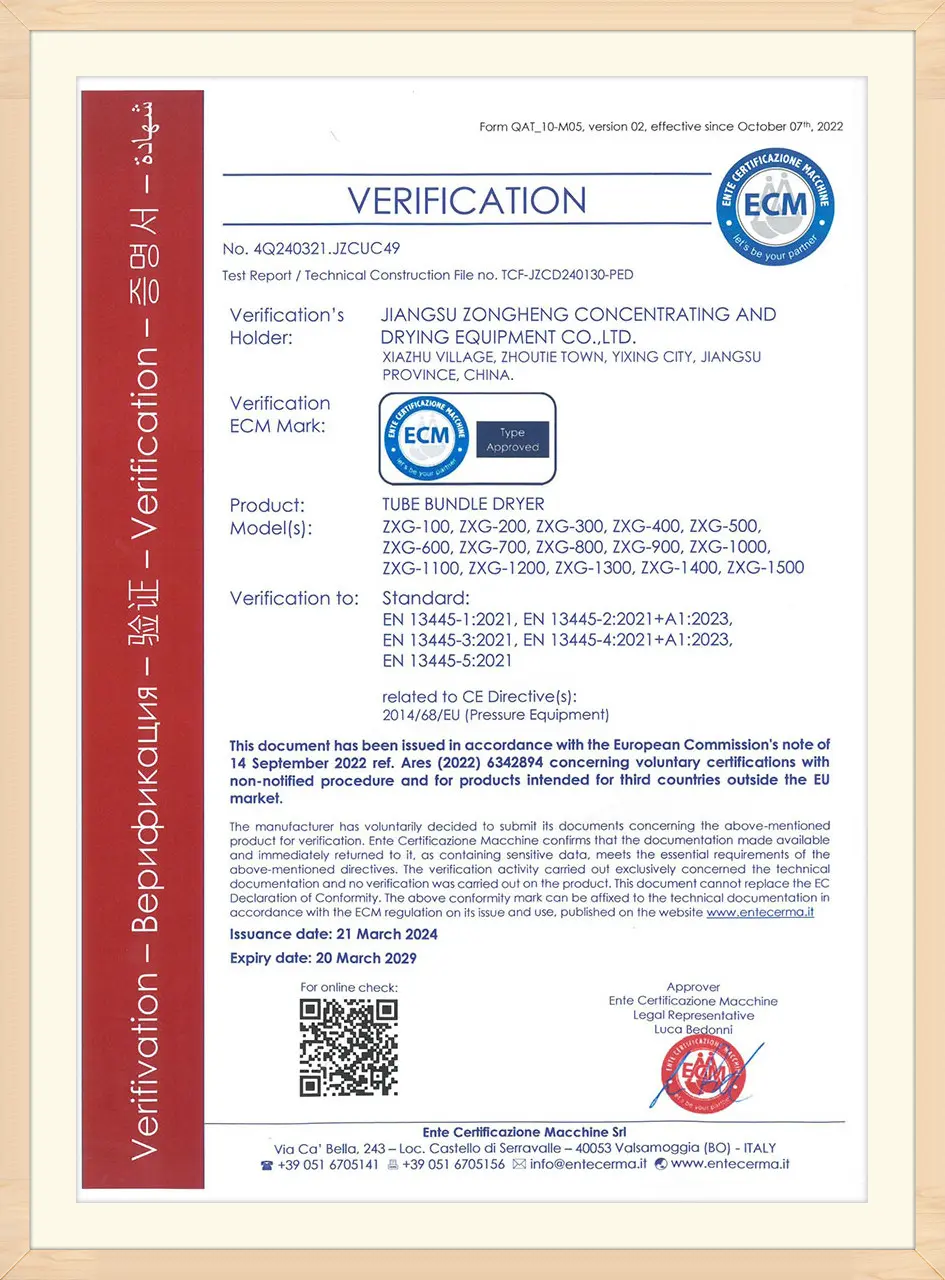
Exporting custom thermal equipment to European Union member states and North American industrial operators requires adherence to distinct regulatory safety codes. Jiangsu Zongheng ensures global compliance by engineering all equipment to meet regional design criteria:
For systems operating in the European Economic Area (EEA), compliance with the Pressure Equipment Directive (PED) is a legal mandate. Our CE-certified climbing film evaporators are calculated, manufactured, and inspected according to PED requirements. Key requirements include:
For installations in the Americas, the Middle East, and major petrochemical sites, the ASME "U" Stamp is the recognized standard for safety and reliability. Having maintained our ASME authorization since 2012, our engineers design shell-and-tube units using approved software (such as PV Elite) to verify structural integrity under wind, seismic, thermal, and mechanical loads.
Field deployment images of Zongheng installations across concentration, drying, and solids separation plants.
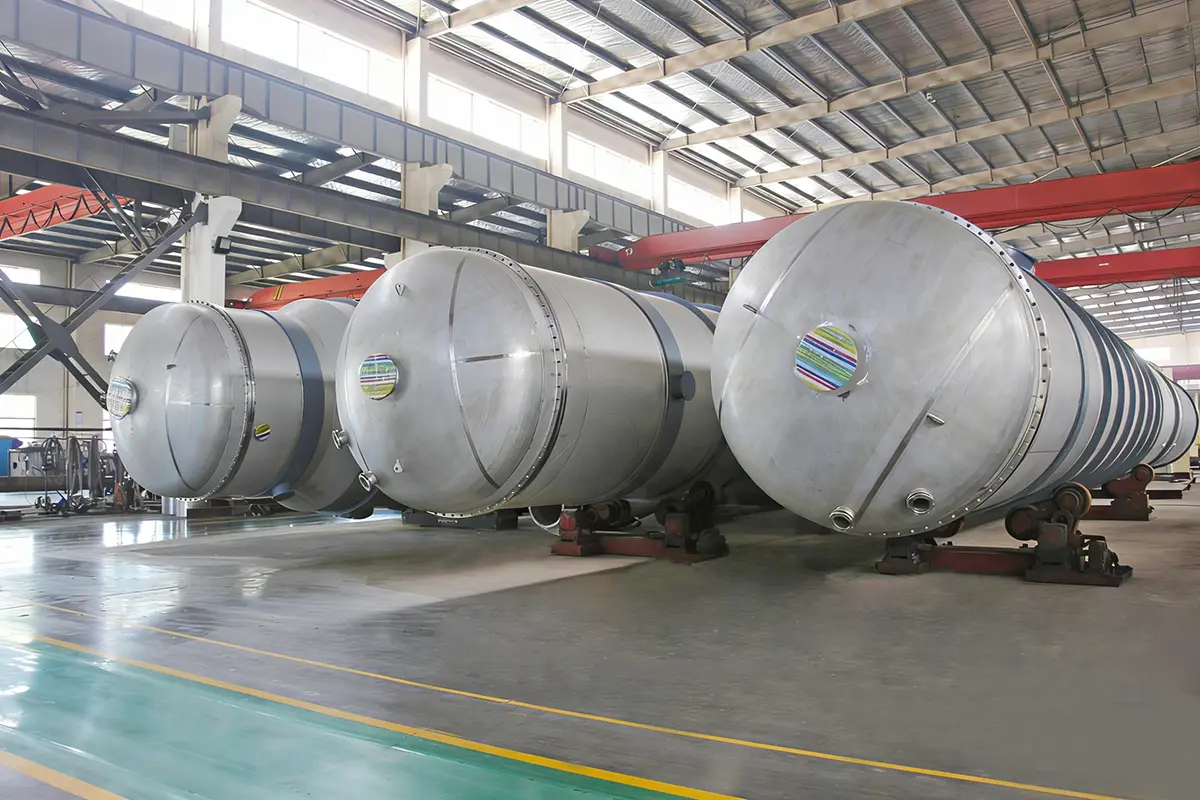
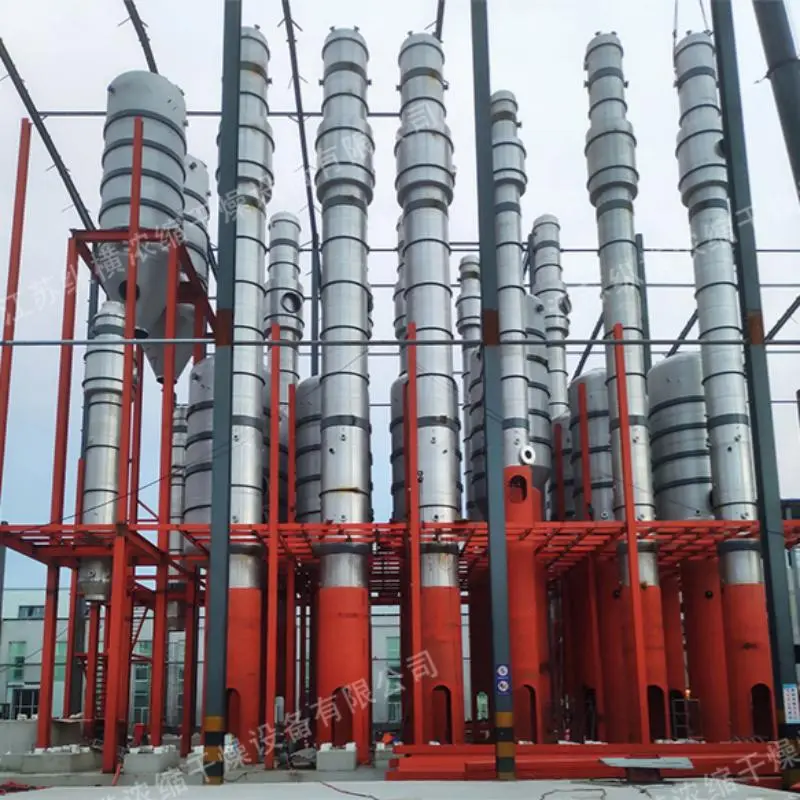
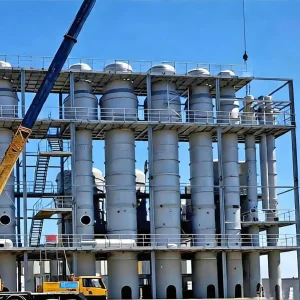
Industrial-scale thermal separation plant installation for volume reduction and solvent recovery.
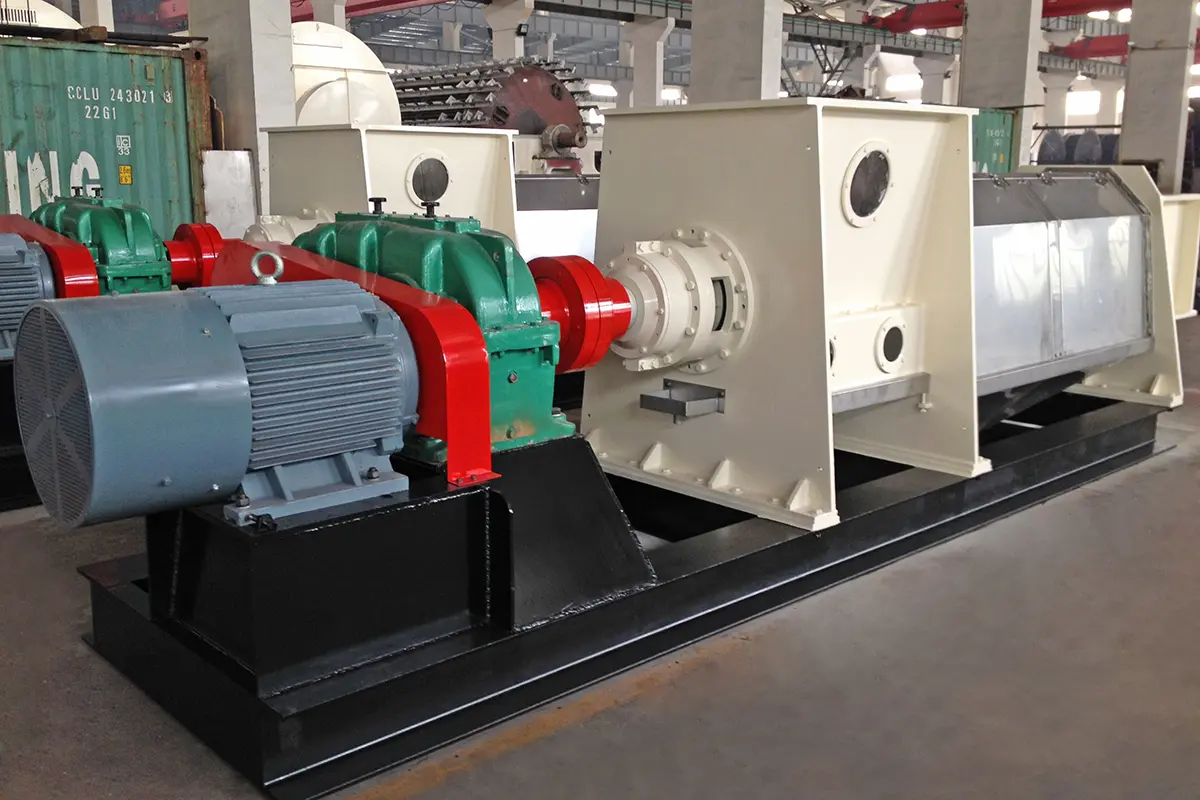
Mechanical moisture squeeze installation processing fiber and organic byproducts.
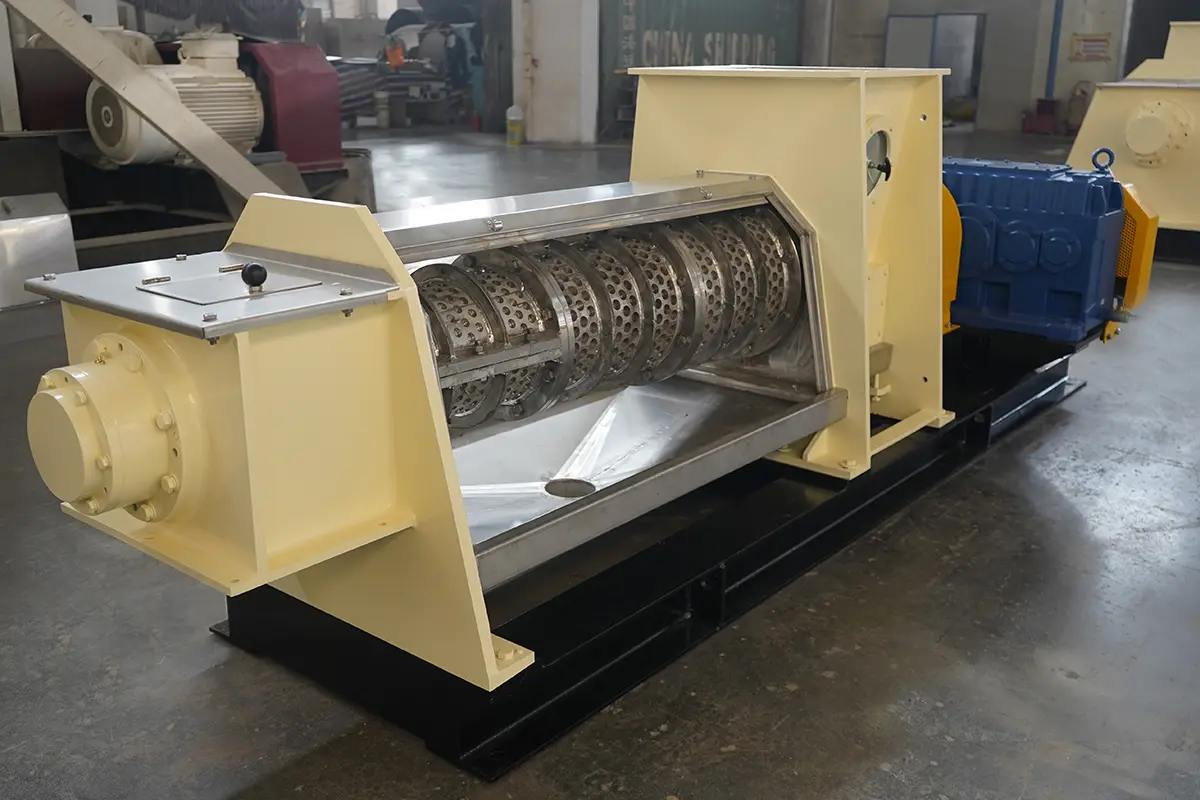
High-speed rotational surface moisture separation system for granular starch derivatives.
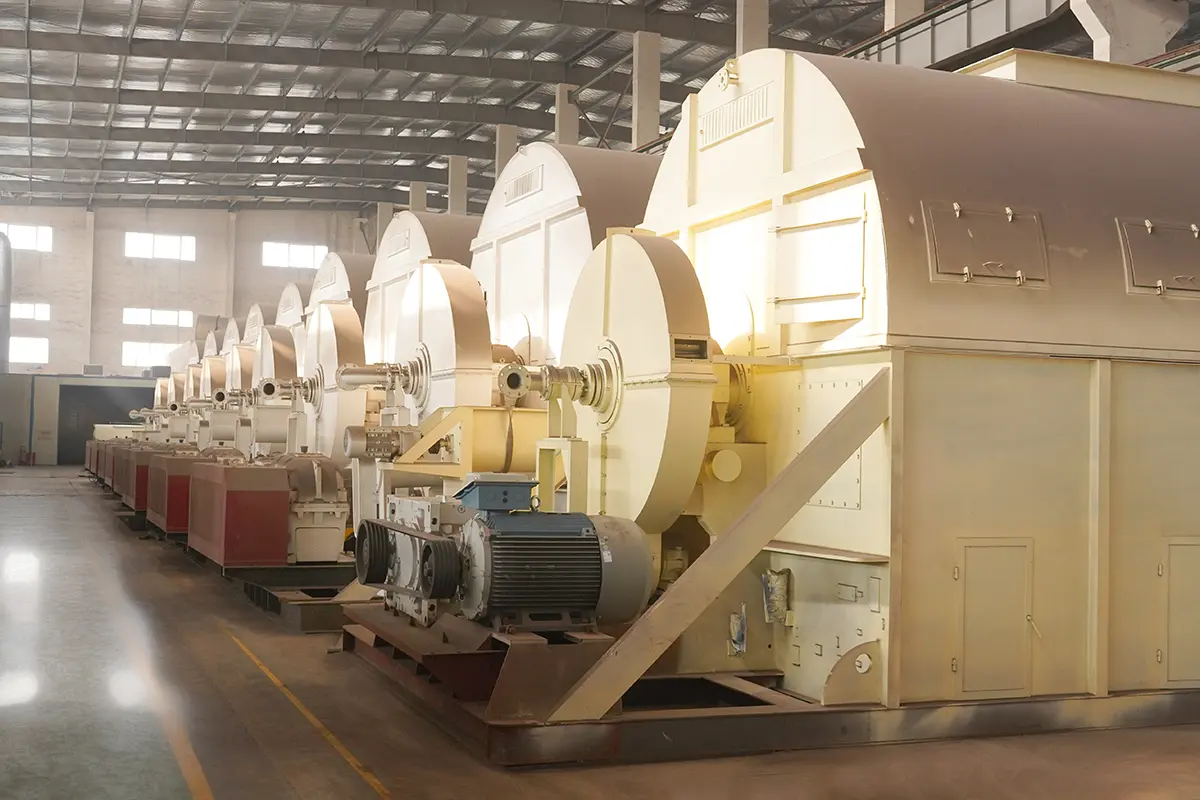
Continuous contact tube bundle dryer for feed products and DDGS lines.
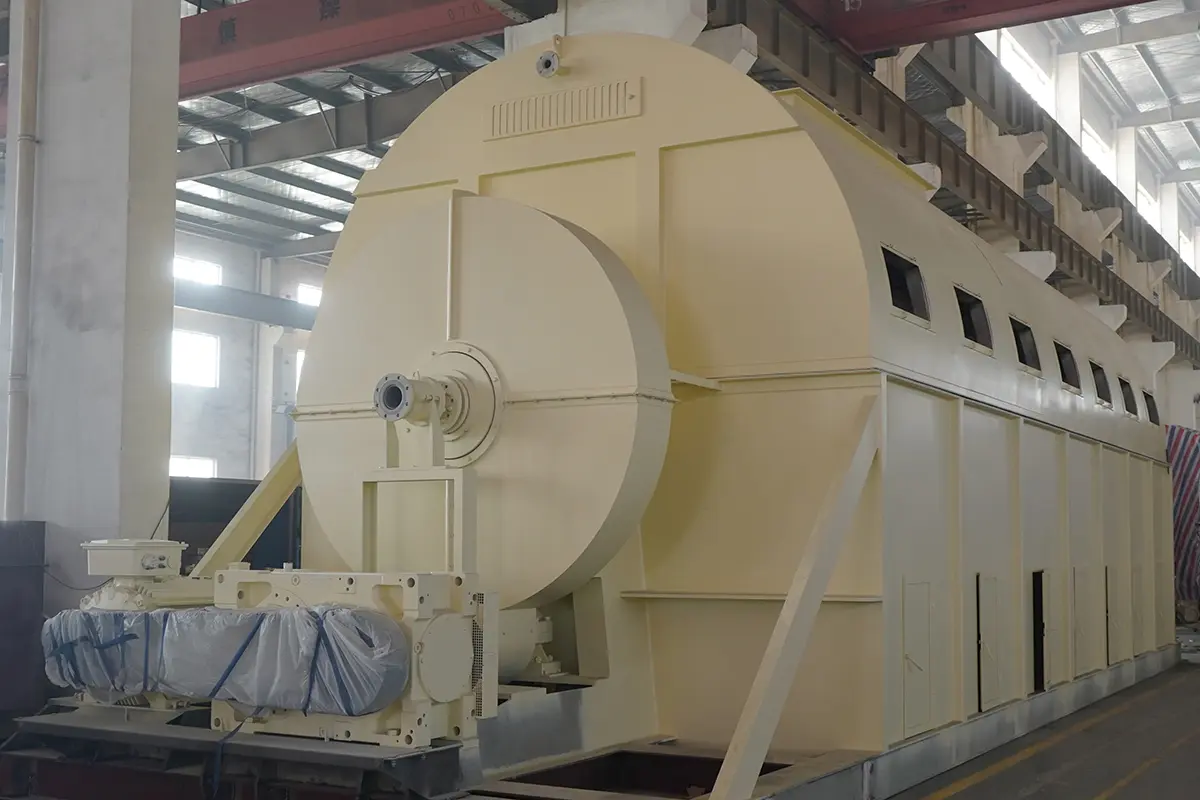
Heavy-duty processing installation for wet germ and fiber dewatering lines.
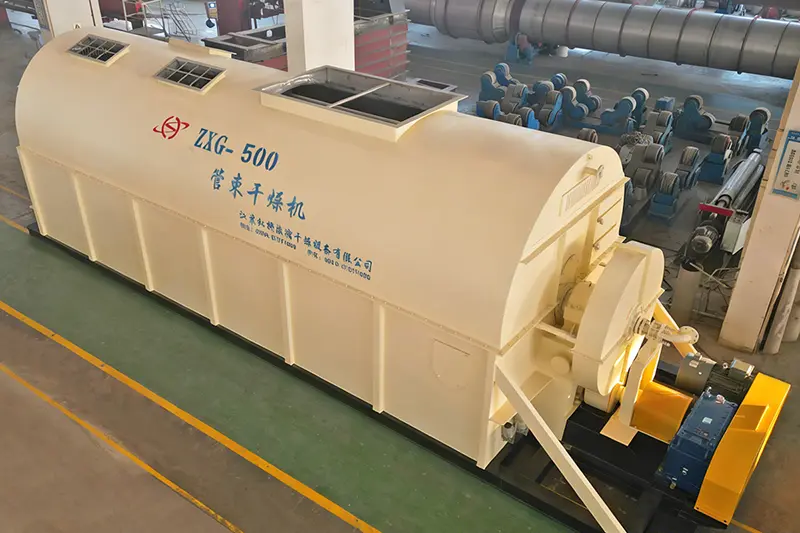
High-capacity steam bundle drying system configured for alcohol processing plants.
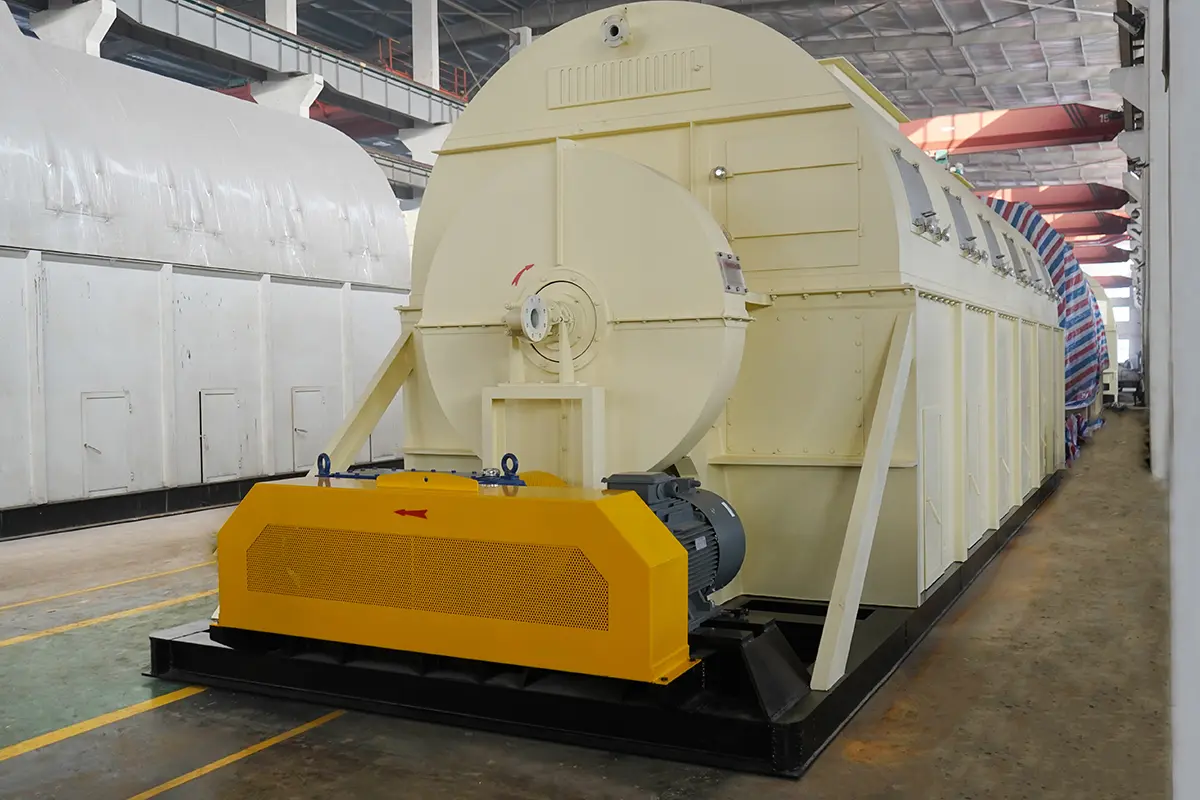
Industrial configuration showing steam distribution headers and condensate discharge lines.
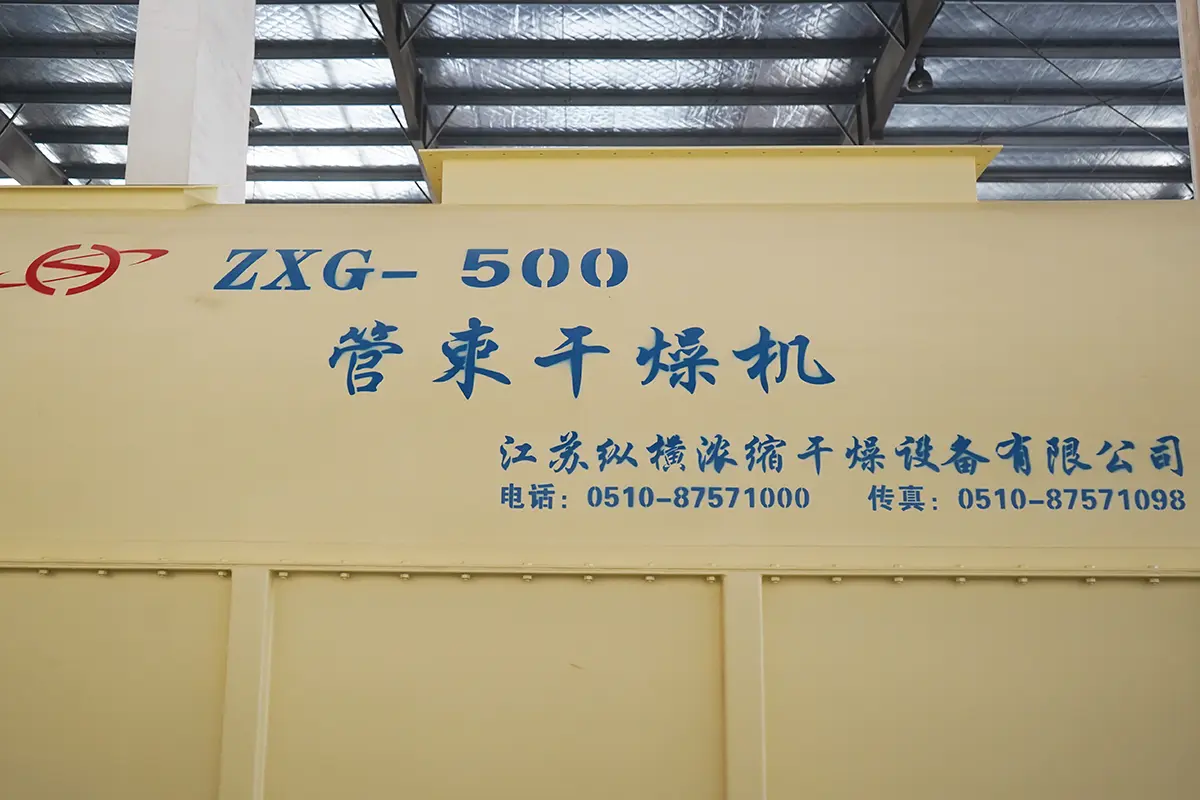
Complete plant assembly including exhaust vapor extraction hoods and feed systems.
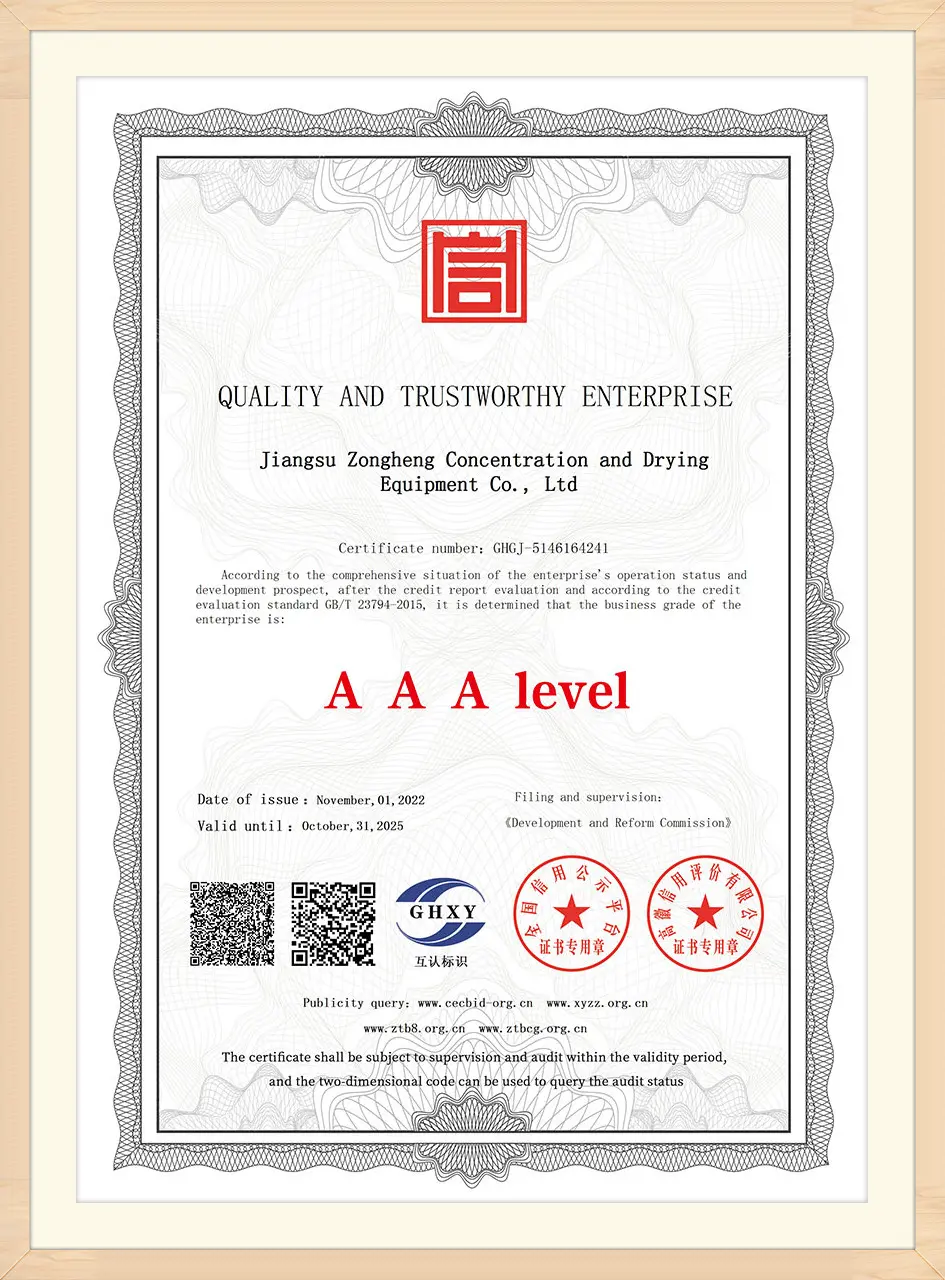
Validated quality standards, pressure vessel credentials, and manufacturing audits.

Detailed mechanical and thermodynamic insights compiled by our process engineering team.
 Jun 18, 2026
The evaporator absorbs heat to vaporize media, while the condenser releases heat to liquefy vapor; the two perform opposite cooling and heating functions. Operating under low pressure, the evaporator generates cold energy and concentrates process streams, functioning as a critical component in industrial thermal separation networks.
Technical specifications, layouts, and sourcing details for our certified industrial drying and concentration lines.
Get in touch with our process engineering team to review layout plans, capacity parameters, and thermal efficiency requirements for your facility.
Submit your fluid specifications, viscosity curve, target dry solids, and steam availability to receive a preliminary calculation sheet.
Request a QuoteLocate office addresses, telephone lines, and email directories for global sales and installation services.
View Details Zongheng