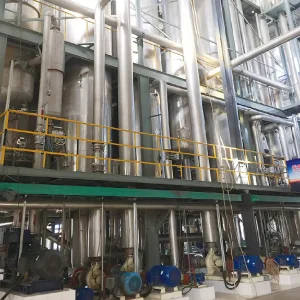
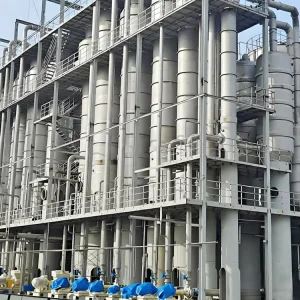
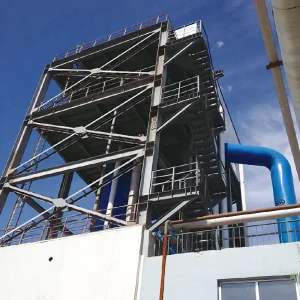
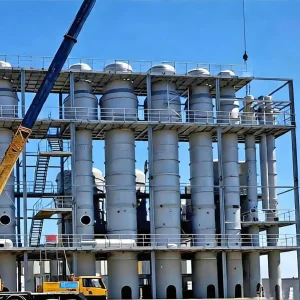
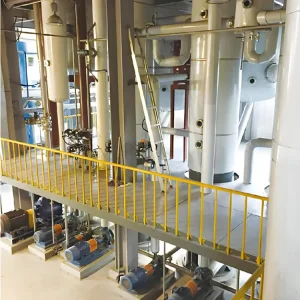
Forced circulation evaporators differ from natural circulation designs by employing an axial or radial flow pump. This pump continuously recirculates the process liquid through the heat exchanger tubes at extremely high velocities. By maintaining high static head and fluid speed, boiling inside the tubes is prevented, eliminating scaling, crystallization, and severe fouling on heat transfer surfaces.
Fouling severely degrades thermal performance in industrial evaporators. Forced circulation creates dynamic turbulence within the tube bundle. The high shear rate sweeps away solid residues, crystalline precipitates, and viscous boundary layers, keeping the overall heat transfer coefficient (U-value) high even during prolonged operational cycles.
Upon leaving the heat exchanger, the superheated liquid enters a separator/flash chamber. The drop in pressure causes instantaneous flash evaporation, converting the water content to vapor. The remaining concentrated product falls to the bottom of the cone-shaped crystallizer vessel to be safely discharged or recirculated.
CE Certification is mandatory for pressure equipment entering the European Economic Area (EEA). Our forced circulation evaporators comply with the Pressure Equipment Directive (PED) 2014/68/EU. In addition to meeting CE requirements, we are certified to manufacture Category III low and medium-pressure vessels under ASME U-Stamp codes and hold international ISO9001 quality certificates. This ensures all weld joints, sheet thicknesses, and materials (ranging from titanium to duplex steel) undergo rigorous non-destructive testing (NDT), hydrostatic tests, and structural verification.
Years of Engineering Heritage
Dedicated Design Engineers
Total Factory Footprint (m²)
Modern Production Workshops (m²)
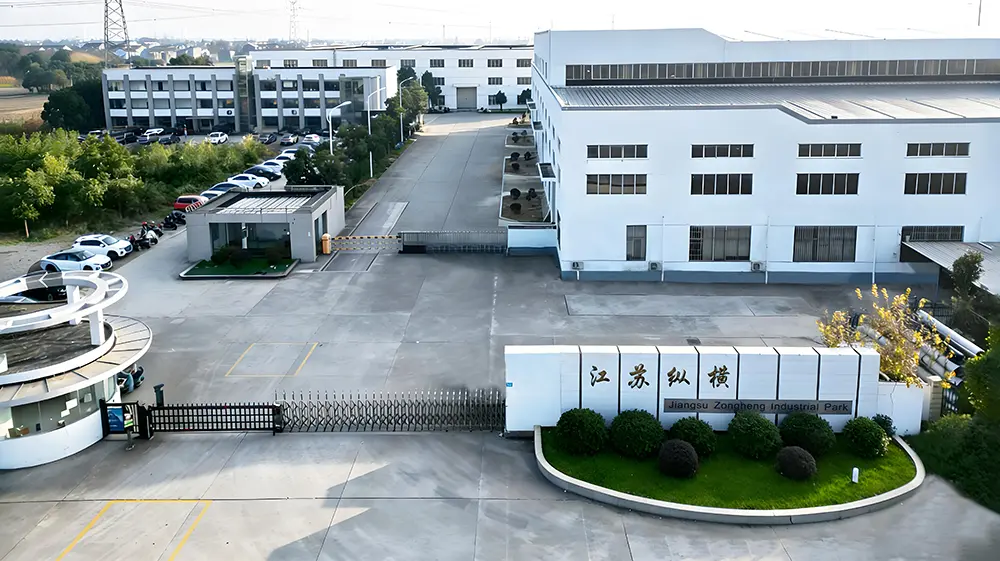
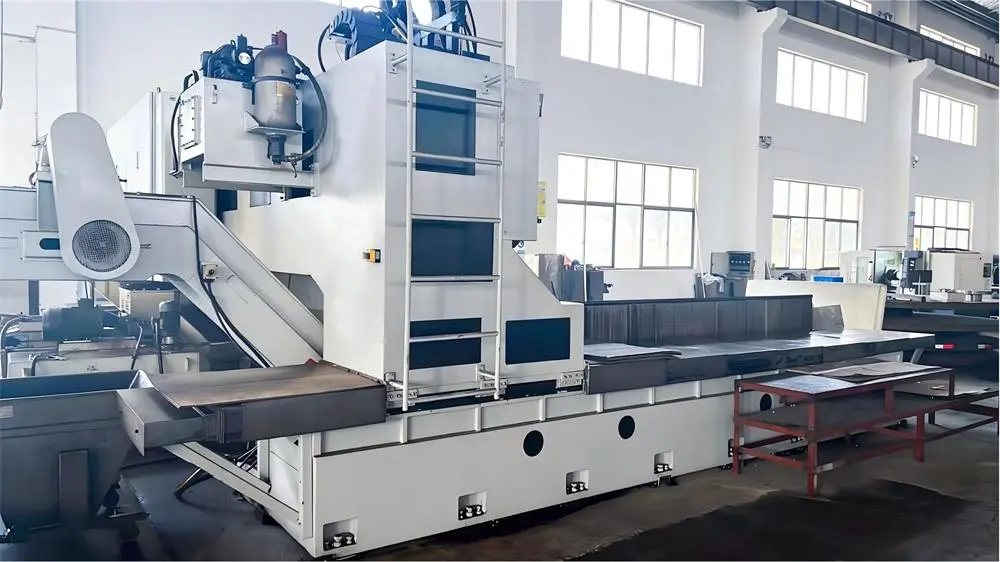
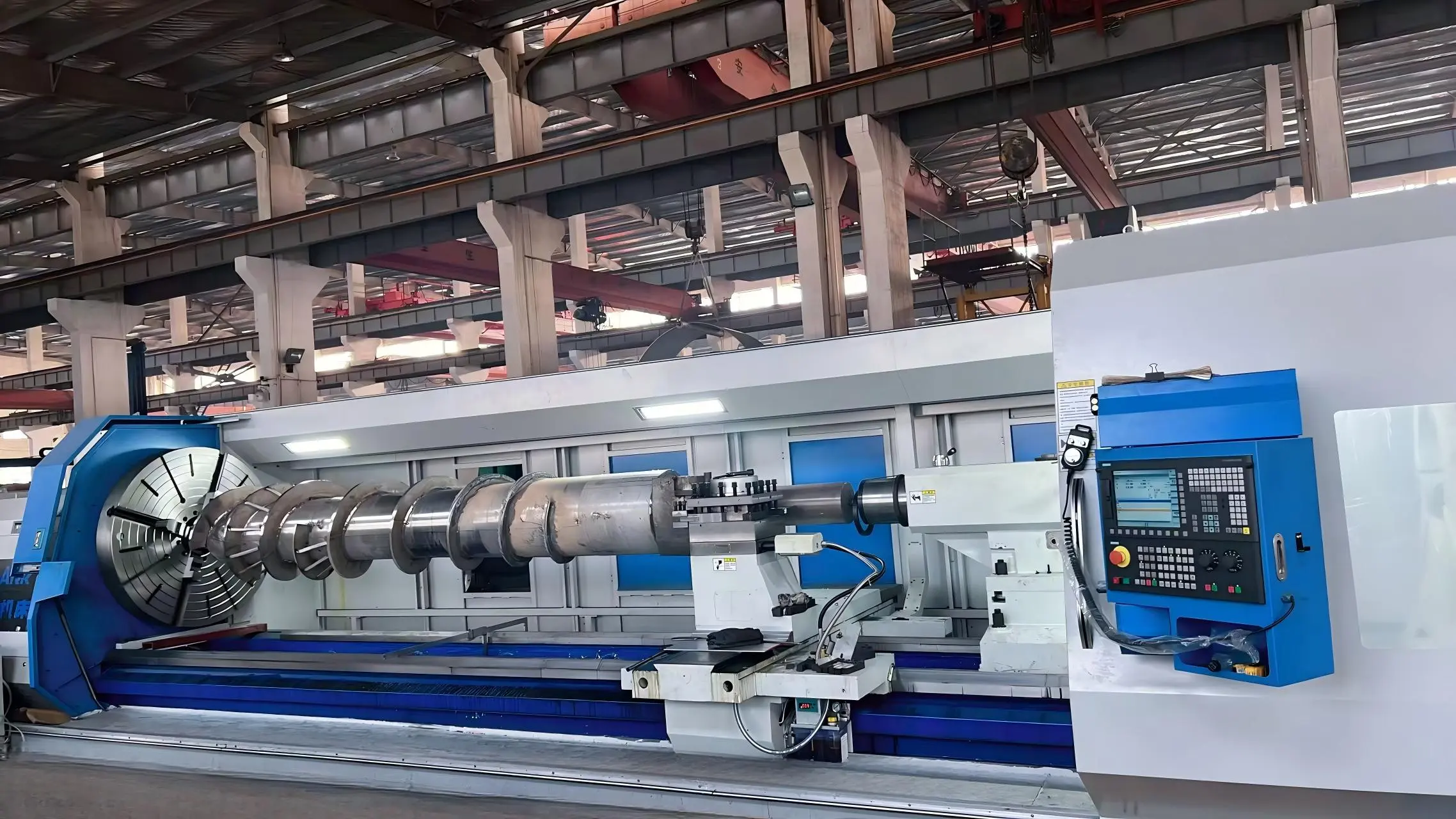
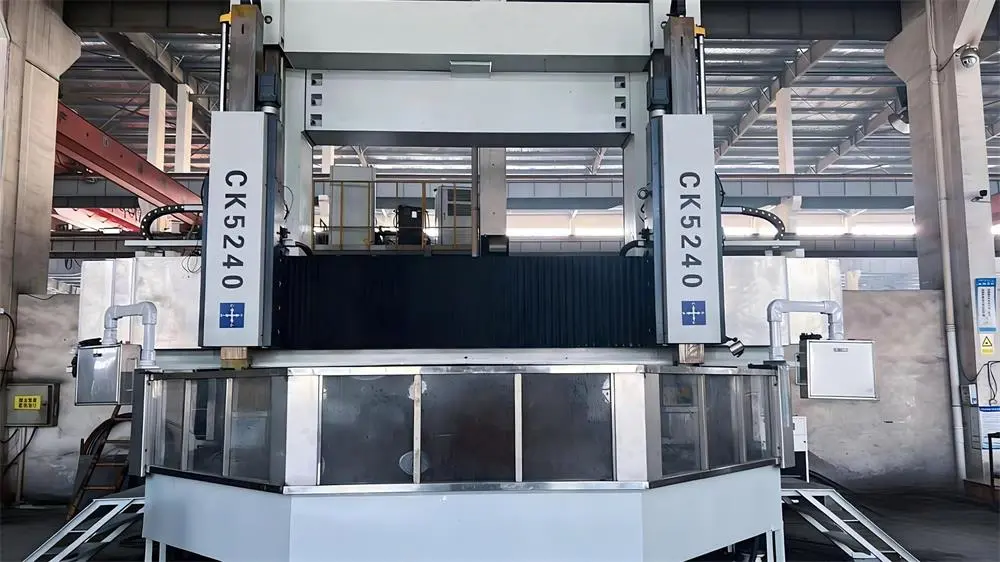
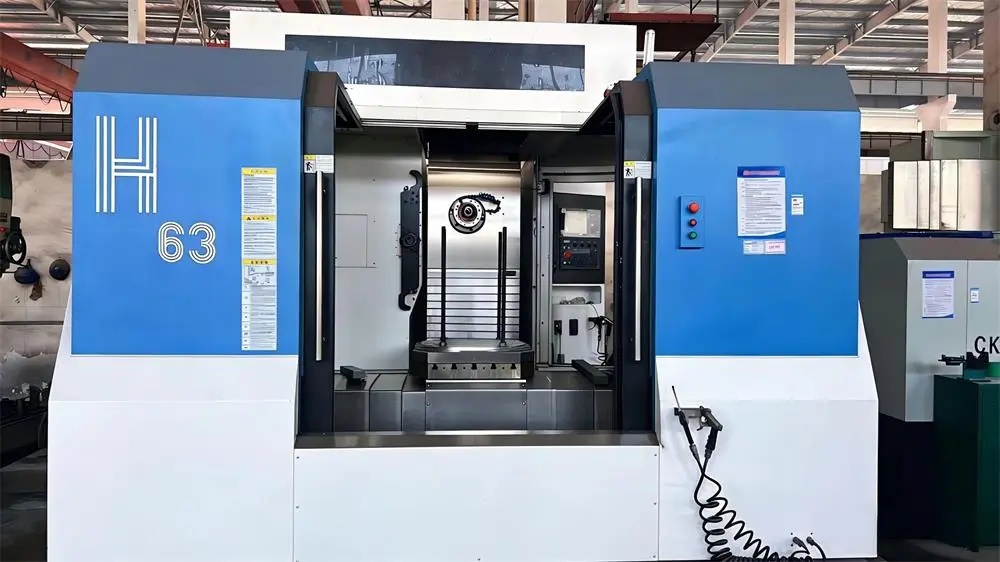
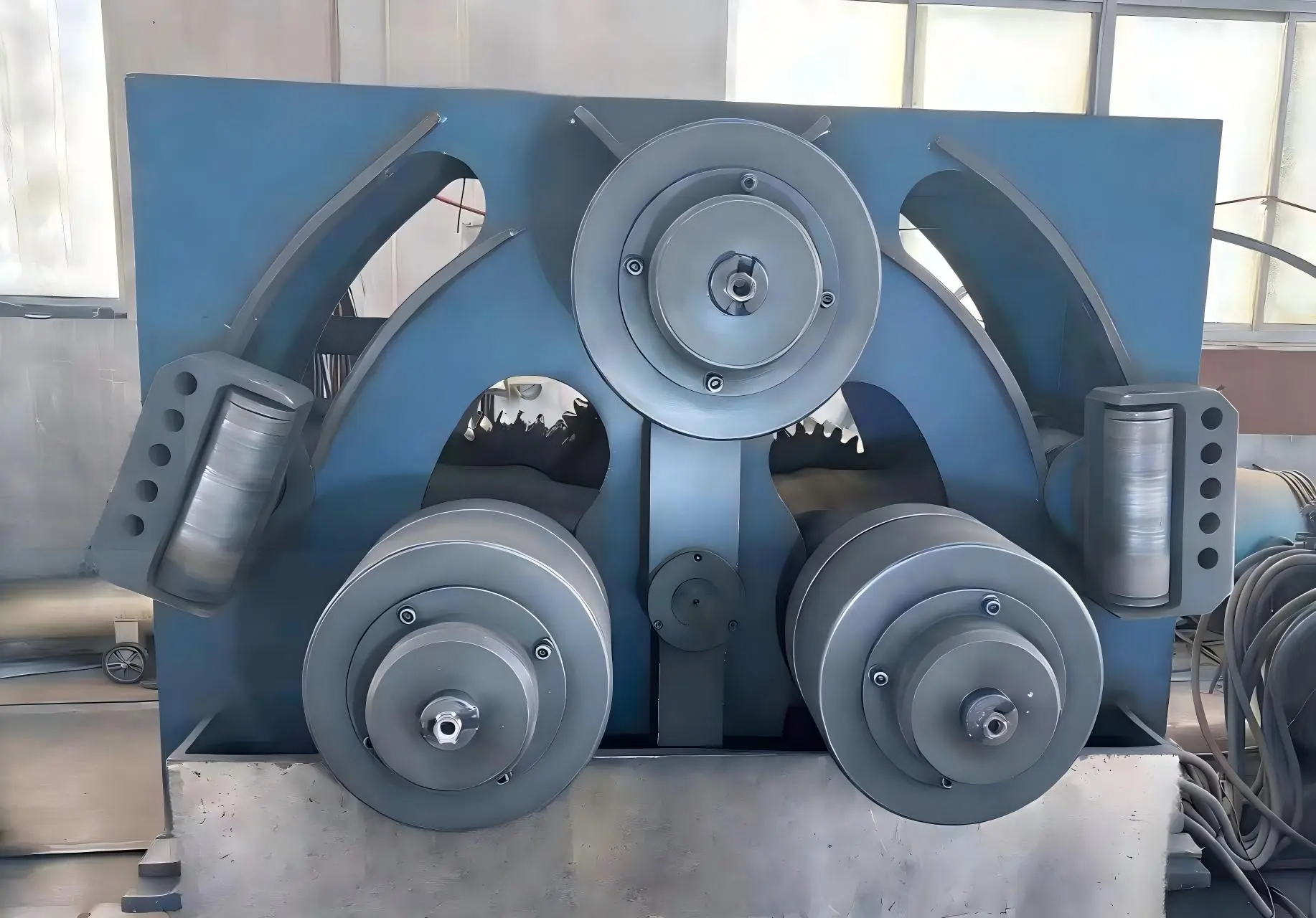
Our production facilities in Yixing, Jiangsu (near Taihu Lake) deliver premium European-tier quality at optimized fabrication costs. Leveraging our state-of-the-art heavy metal-forming machinery and advanced automatic orbital welding stations, we craft highly reliable evaporators. This structural integrity combined with local supply chain efficiency offers worldwide buyers unmatched capital cost savings.
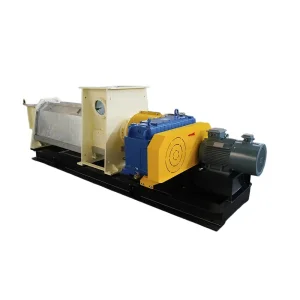
Stricter global environmental mandates demand complete wastewater recycling. Our forced circulation evaporators serve as the core crystallizers in ZLD loops. We take saturated salts from falling film prep-concentrators or reverse osmosis rejects and concentrate them past their saturation points, creating dry solids that are easily dewatered using our heavy-duty Single Screw Presses.
We are a member enterprise of the China Starch and Alcohol Association. Our evaporators work alongside specialized processing equipment, such as the Zongheng Degerming Mill and the YDX Starch Washing Cyclone, to concentrate high-fouling grain steep liquors, starch processing wastewater, and DDGS (Distillers Dried Grains with Solubles) byproduct streams.
Procuring an evaporator requires evaluating raw thermal balances, operating conditions, material degradation hazards, and capital structures. We offer direct consultations and complete custom systems that feature multi-alloy construction. Depending on the process chemistry, we design heat exchangers using Duplex Stainless Steel (2205/2507), Titanium Gr. 2, Hastelloy, or SS316L, mitigating stress corrosion cracking (SCC) and pitting from high chloride feeds. Global engineering firms choose Jiangsu Zongheng for our full compliance with mechanical standards, international packing codes, and ocean-freight logistics management.
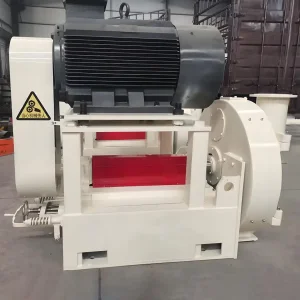
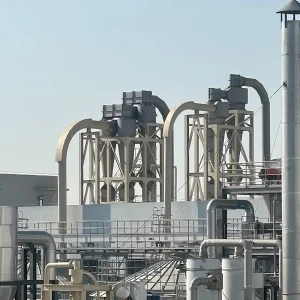
Modern chemical processing relies heavily on decanting carbon emissions and cutting utility consumption. Traditional multi-effect thermal systems consume significant live steam. Mechanical Vapor Recompression (MVR) represents the logical evolution in evaporative processing. By compressing the waste vapors exiting the separator with a high-efficiency centrifugal fan or turbo blower, MVR elevates the vapor's saturation temperature and pressure. The vapor is then redirected as the heating medium in the shell-and-tube exchanger. Our MVR systems drop operating steam requirements close to zero after startup, reducing carbon footprints by up to 80% compared to typical triple-effect configurations.
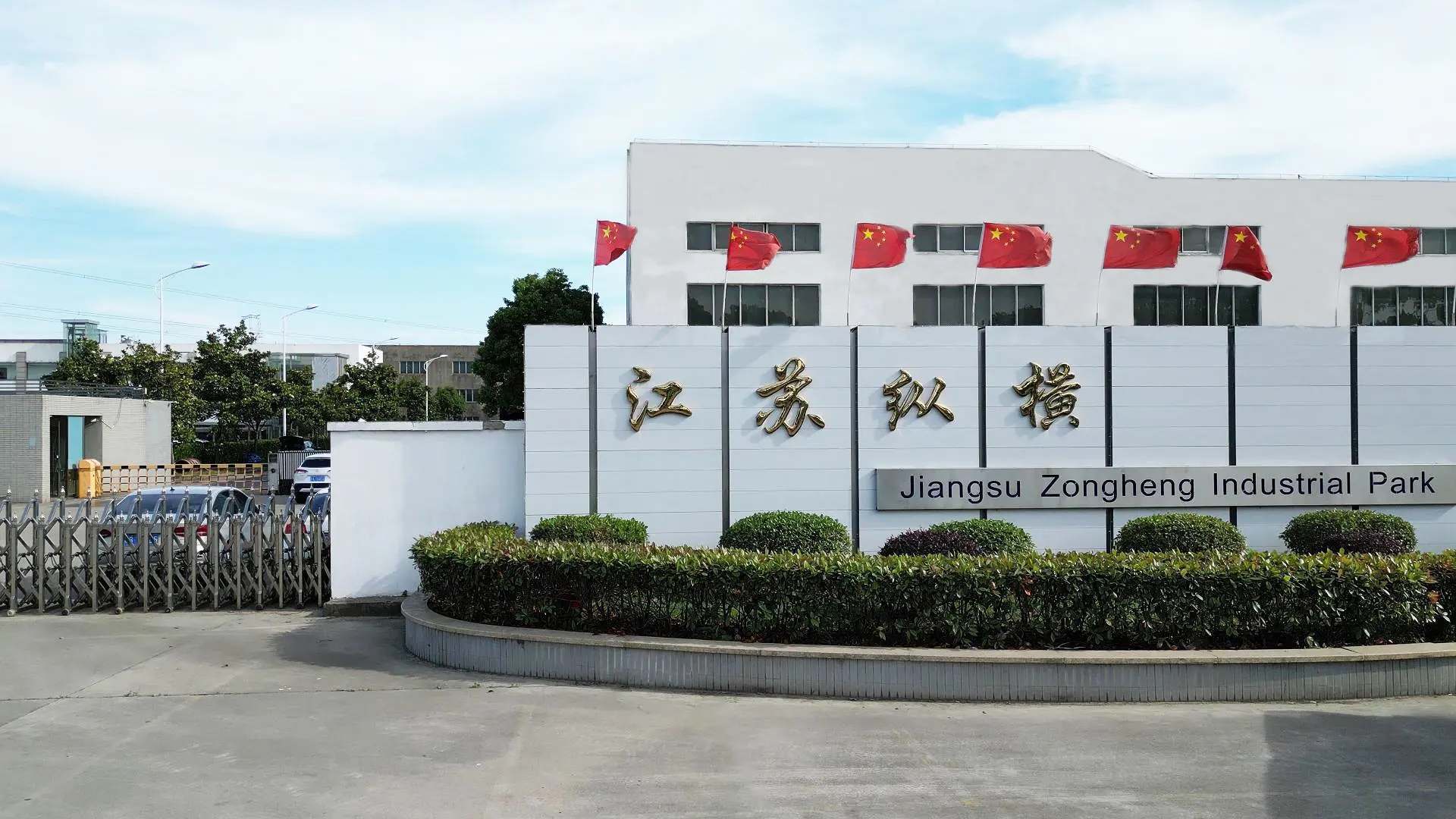
Our campus spans over 54,000 m² with 22,000 m² of active workshop floor space. We employ over 120 skilled personnel, including senior thermal engineers, NDT technicians, and pressure vessel designers.
Obtained international quality system certification (Certificate No.: 45021), establishing a complete quality assurance program aligned with international standards.
Acquired the prestigious ASME "U" Stamp authorization, marking a major milestone for global exportation of high-pressure equipment.
Obtained the Special Equipment Manufacturing License of the People's Republic of China (License No.: TS2232C42), authorizing the manufacturing of Category III pressure vessels.
Officially recognized as a Jiangsu Provincial High-Tech Enterprise, underscoring our focus on heat transfer R&D.
Pioneered within our local industry to establish and acquire ISO9001 certification, standardizing all workshop and management operations.
Originally established in Yixing City as Yixing Yangxi Light Industry Machinery Factory, focusing on manufacturing basic evaporators and starch components.
Forced circulation is preferred for liquids that scale easily, have high viscosity, or exhibit a strong tendency to crystallize. Falling film evaporators are suited for heat-sensitive, clean liquids with lower scaling tendencies. Forced circulation uses high-velocity pumps to keep velocities high and suppress boiling inside the tubes, preventing fouling.
Forced circulation evaporators operate under pressure (both positive and vacuum) and fall under the European Union Pressure Equipment Directive (PED 2014/68/EU). CE certification verifies that the design calculations, material selections, weld qualifications, and safety valves comply with European machinery guidelines.
We select materials based on the chemical aggressiveness of the process fluid. For standard processing, SS304 and SS316L are common. For high-chloride concentrations, inorganic salts, or highly corrosive industrial wastewater, we utilize Duplex Stainless Steel (2205/2507), Titanium, and Hastelloy to ensure long-term durability.
Yes, MVR forced circulation systems are highly efficient. The mechanical compressor recompresses clean flash vapors, heating the process loop without requiring continuous fresh steam. This integration reduces energy costs and is highly suitable for large-scale production facilities.
Typical maintenance focuses on the recirculation pump seal, keeping the separator mist eliminator clean, and periodic Clean-in-Place (CIP) flushes. CIP frequency depends on the scaling rate, but because boiling is suppressed inside the tubes, maintenance cycles are longer than those of standard evaporators.
Discuss your chemical composition, viscosity, and thermal source parameters with our senior engineering team. We will design a custom-fit forced circulation evaporator that matches your project requirements.
 Zongheng