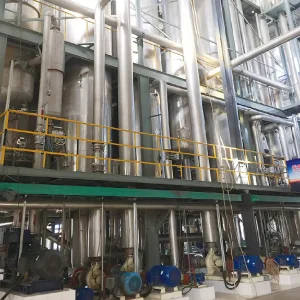
High-performance forced circulation systems engineered for high-fouling concentrates and crystallization processes under CE validation rules.
Read More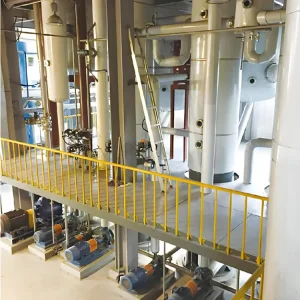
Optimized for thermal stability and low residence time when concentrating heat-sensitive liquid matrices in diverse process industries.
Read More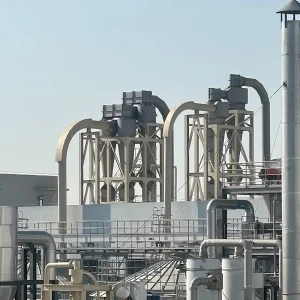
Utilizes high-velocity pneumatic transport to rapidly and uniformly remove moisture from bulk wet particulate streams.
Read More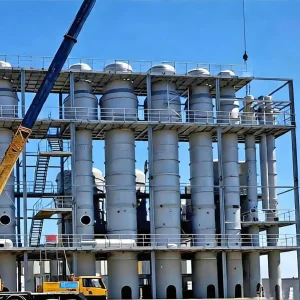
Energy-efficient, customized evaporation and distillation arrays built to handle demanding industrial mass transfers.
Read More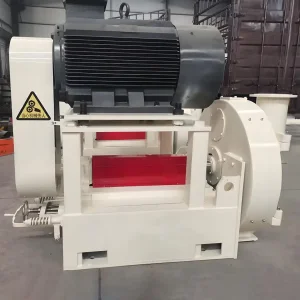
Engineered for wet corn milling lines, providing precise grain degermination without compromising structural germ viability.
Read More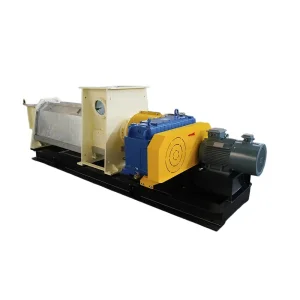
Heavy-duty slurry dewatering solutions optimizing solids density and output dryness in continuous industrial run cycles.
Read More
Advanced low-delta temperature systems configured specifically to preserve raw biological extracts and organic chemicals.
Read More
Robust wet mill components delivering optimized kernel-to-hull separation ratios under high-throughput processing loads.
Read MoreIn modern process industries, evaporation is not merely a utility phase but a decisive factor in product refinement, recovery dynamics, and overall operational efficiency. The integration of CE Certification parameters into industrial evaporator processes ensures that pressure vessel design, thermal insulation, machine kinematics, and control instrumentation comply with the stringent European Union safety and performance standards. This framework dictates critical structural calculations and manufacturing validations, aligning operations with the Pressure Equipment Directive (PED) and Machinery Directives.
Thermal evaporation processes must balance heat-transfer efficiency against mechanical stability. Our solutions focus on minimizing temperature gradients and flow distribution anomalies, mitigating fouling risks, and maximizing energy recovery. By choosing a CE-compliant evaporator system, operators receive verified thermodynamic designs verified for safe operation under varying vacuum, pressure, and thermal conditions.
Two fundamental technological routes dominate high-capacity liquid concentration: Falling Film Evaporation and Forced Circulation Evaporation. Understanding their structural differences and fluid dynamics is key to selecting the appropriate equipment for a given application.
Designed primarily for low-viscosity, heat-sensitive liquid matrices. The fluid is distributed evenly across the inner surfaces of vertical tubes, forming a thin film that descends under gravity. Because vaporization occurs inside the film, the hydrostatic head is minimized, allowing for low boiling points and short thermal exposure times. Liquid film stability is critical; complete wetting of the heat exchange tube surface must be maintained to prevent dry-out and localized fouling.
Specified for high-viscosity media, solutions containing suspended crystals, or streams prone to severe scaling. High-velocity recirculation pumps drive the fluid through heat exchanger tubes at velocity levels that suppress boiling within the tubes themselves. Vaporization occurs only as the fluid flashes into the separator body. The high shear stress on tube walls inhibits particle deposition, preserving design heat-transfer coefficients over extended run times.
Mechanical Vapor Recompression (MVR) represents the frontier of thermal efficiency. By utilizing a mechanical compressor to elevate the temperature and pressure of the evaporated vapor, the system reuses latent heat within the evaporator shell, reducing steam demands by up to 90% compared to single-effect structures.
By capturing low-enthalpy flash vapors from adjacent processes, waste heat evaporators turn thermal emissions into primary driving forces. This integration reduces boiler loads, providing significant carbon footprint reductions for large-scale operations.
By coupling Single Screw Dewatering Presses with industrial airflow and Tube Bundle Dryers, process plants can achieve seamless phase transitions from wet slurry to concentrated dry solids, maximizing raw material utilization.
Jiangsu Zongheng's MQG Airflow Dryer employs high-speed hot air to suspend and fluidize the material. By utilizing impulse airflow generated from precisely varied tube diameters, it continuously tumbles the particles while conveying them. This design ensures rapid, uniform, and efficient drying throughout the entire transportation process within the system.
Fluidized pneumatic drying is highly effective for free-flowing, heat-tolerant materials. The rapid heat exchange at the gas-solid interface prevents local overheating, preserving nutritional and structural values in starch, food, and chemical matrices.
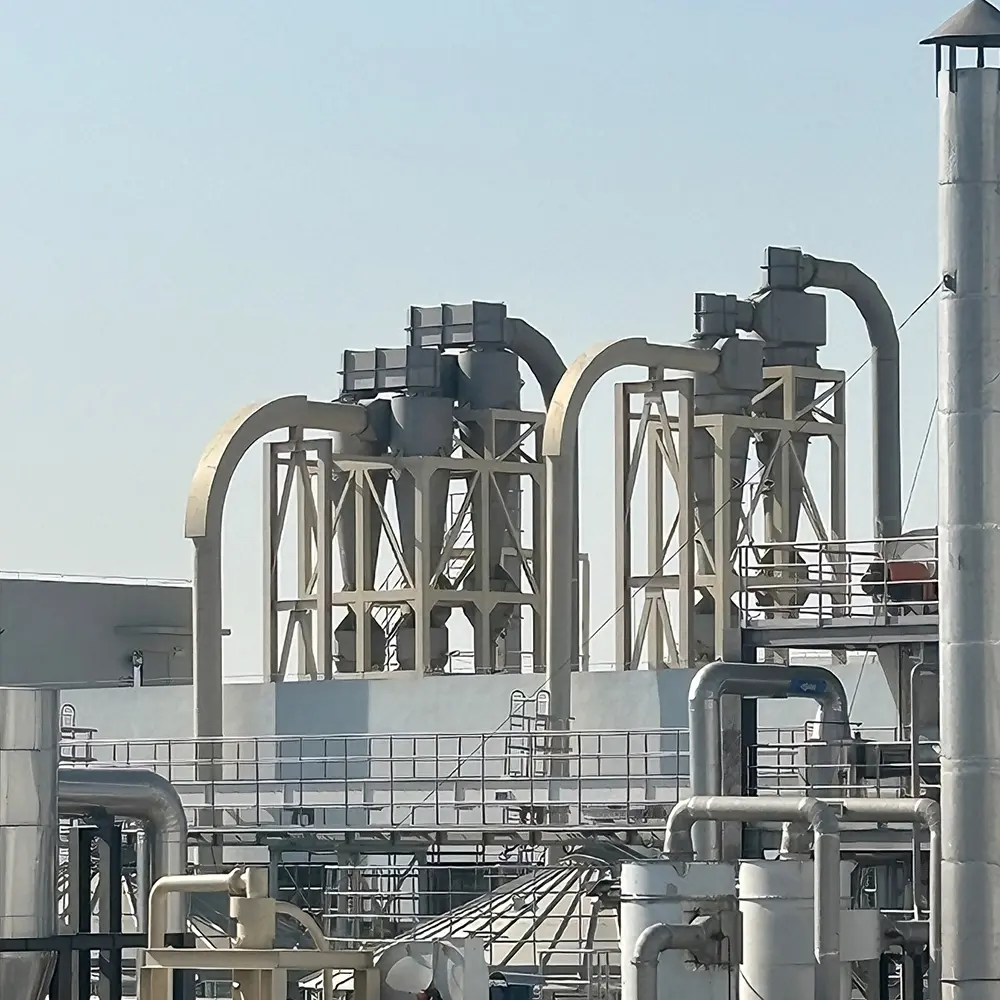
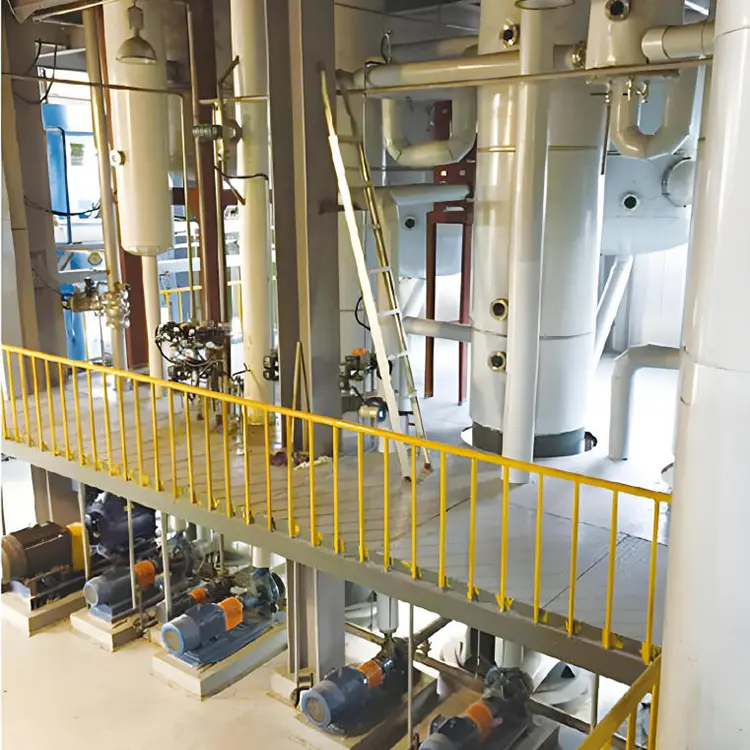
A falling film evaporator efficiently concentrates heat-sensitive liquids. The feed liquid forms a thin film flowing down heated vertical tubes, where it partially evaporates. Vapor generated flows parallel to the liquid, enhancing the process. It ensures a short residence time and low operating temperature, preserving product quality.
To avoid dry spots on the tube surfaces (which lead to fouling and scale accumulation), our engineers focus on advanced liquid distribution plates. Precise wetting rates ensure continuous fluid protection across all temperature variants, sustaining heat-transfer efficiency during extended processing runs.
How CE-certified evaporation technology optimizes diverse production fields across global markets.
From corn starch processing to organic acid synthesis, food-grade evaporators must integrate hygienic designs (CIP systems) and precise temperature profiles. Our starch washing cyclones and degerming mills pre-treat raw feedstocks, preparing them for highly efficient concentration stages.
In bio-refineries, recovering dried distillers grains with solubles (DDGS) requires combining evaporation and drying stages. MVR systems concentrate thin stillage, while tube bundle and airflow dryers handle the solid fractions, creating high-value animal feed outputs.
Regulatory frameworks globally restrict industrial wastewater discharges. Our forced circulation and mechanical recompression plants process highly concentrated mineral effluents, reclaiming clean water and isolating dry crystalline salts for compliance and resource recovery.
Operating from Zhoutie Town, Yixing City—a prominent hub for pressure vessel fabrication and thermal process engineering—Jiangsu Zongheng leverages regional industrial clusters to deliver cost-effective and highly reliable systems. Our vertically integrated production flow handles everything from raw steel sourcing (Duplex, Hastelloy, Titanium) to CNC plate punching, automated orbital welding, and quality testing in-house.
This localized supply chain structure minimizes lead times while maintaining strict control over manufacturing steps. Backed by ASME "U" stamp authorization and domestic Class III pressure vessel licenses, our engineering teams ensure that raw material traceability and quality controls align with international requirements.
Tracing over three decades of growth from a local machinery shop to a global high-tech supplier.
Established as Yixing Yangxi Light Industrial Machinery Factory. Commenced regional fabrication services with a dedicated team of 45 workers on a 15-mu industrial plot.
Transitioned internal operations to achieve ISO9001 certification, standardizing manufacturing quality checks.
Formally designated as a Jiangsu Provincial High-Tech Enterprise, recognizing our proprietary designs in drying and evaporation.
Obtained the Special Equipment Manufacturing License of the People's Republic of China (License No.: TS2232C42), authorizing the manufacture of Class III pressure vessels.
Acquired the prestigious ASME "U" Stamp authorization, marking our entry into the global high-spec thermal processing market.
Earned international quality system certification (Certificate No.: 45021), establishing a complete quality assurance system aligned with international standards.
Operating a modernized 54,000 m² facility with 120 professionals, including 3 senior design engineers and over 20 specialized engineering assistants, delivering CE-certified systems worldwide.
Engineering the next generation of smart thermal separation technologies.
Integrating cloud-based temperature, vacuum, and flow monitoring. Predictive controls adjust compressor and feed rates dynamically, minimizing energy consumption and thermal stress during product transitions.
Evaluating advanced surface alloy treatments and high-performance clad configurations to extend equipment lifetimes when handling acidic chemical streams and high-chloride saline concentrates.
Developing hybrid thermal designs that combine multi-effect distillation setups with modular MVR stages, helping operators balance upfront capital costs against long-term energy savings.
Technical insights from our engineering team regarding evaporator selection and compliance.
Robust solid-liquid separators built to process fibrous biomass, chemical sludge, and wet agricultural waste streams.
Read More
Engineered for crystallization lines where high salinity requires continuous turbulence to prevent thermal scaling.
Read More
Optimized for starch processing and wastewater plants, delivering high mechanical cake dryness under continuous operations.
Read More
Features optimized vapor separators and spray plate distribution manifolds for energy conservation.
Read More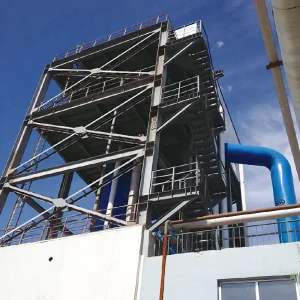
Mechanical vapor compression systems built to reduce steam usage and lower greenhouse gas footprints across industrial sites.
Read More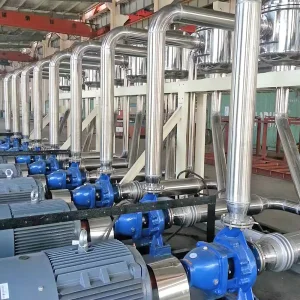
Provides multi-stage counter-current purification for corn, potato, and cassava starch processing circuits.
Read More
High-efficiency cyclone separators designed to remove soluble proteins and fine fibers, ensuring starch product purity.
Read More
Utilizes custom-engineered drying loops to manage moisture content in agricultural products, chemicals, and starches.
Read MoreLet our technical team design a customized, energy-efficient, and CE-certified evaporation or drying solution for your specific application.
Our engineers collaborate closely with your team from initial process simulation (using Aspen Plus tools) through pilot trials to structural design, verifying that all system components meet your capacity, purity, and safety specifications.
 Zongheng