How to Maximize Multiple Effect Of Evaporator for Efficiency?

Time:2026-06-24 Author:Sophia
0%

In today's industrial landscape, the efficiency of thermal processes is paramount. The Maximization of the Multiple Effect Of Evaporator (MEE) stands out as a critical focus. According to the International Energy Agency, MEE systems can enhance energy efficiency by up to 50% compared to single-effect evaporators. This reduction in energy consumption not only lowers operational costs but also minimizes greenhouse gas emissions.

However, optimizing MEE systems requires expertise and careful consideration of various factors. Understanding the thermodynamic principles and heat transfer mechanisms is essential for achieving the best performance. Research conducted by the American Institute of Chemical Engineers indicates that proper design and operation can drastically improve evaporation rates. Yet, many industries still operate below their full potential.

The need for continuous improvement is evident. Regular audits and system evaluations can reveal inefficiencies that may go unnoticed. Moreover, operators must stay informed about technological advancements and industry best practices. By prioritizing the Multiple Effect Of Evaporator, organizations can commitment to both sustainability and economic soundness while reflecting on their operational strategies.
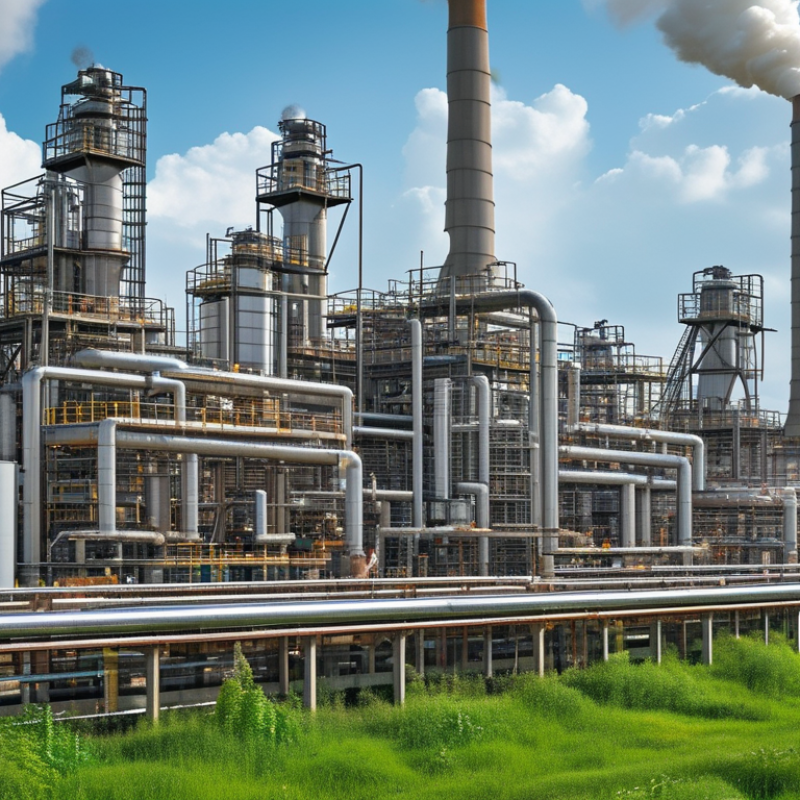
How to Maximize Multiple Effect Of Evaporator for Efficiency?

Strategies for Selecting the Right Evaporator Type for Efficiency

Choosing the right type of evaporator is crucial for maximizing efficiency. Various evaporators serve different applications. For instance, falling film evaporators are adept at handling heat-sensitive materials. They can operate at lower temperatures, which helps in preserving product quality. According to industry research, these types can improve energy efficiency by up to 30%.

Plate evaporators are another option. They have a compact design, making them suitable for limited spaces. Their high heat transfer rates contribute to reduced operational costs. However, they are not always the best choice for high-viscosity liquids. Companies need to evaluate their specific needs before committing.

Analysts from the Thermal Efficiency Report indicate that improper selection can lead to significant losses, sometimes up to 20% in energy costs. It’s essential to consider factors like product characteristics and processing conditions. The choice of evaporator impacts both performance and operational efficiency. Therefore, continuous assessment and adjustment are necessary for optimal results.

Optimizing Heat Transfer Coefficients in Evaporator Design

Optimizing heat transfer coefficients in evaporator design is crucial for maximizing efficiency. Researchers emphasize that a higher heat transfer coefficient can significantly reduce energy consumption. According to industry reports, improving this coefficient by as little as 10% can lead to a 15-20% increase in overall efficiency. This is especially vital in systems where energy costs are a primary concern.

To optimize heat transfer, consider the material selection and surface area. Copper and aluminum are widely recognized for their superior thermal conductivity. Increasing the surface area through enhanced fin design or tube arrangements can also help. Advanced simulations can guide the layout for optimal fluid dynamics, providing insights that may not be apparent through traditional calculations.

Tips: Regular maintenance is essential. Even minor fouling can reduce heat transfer efficiency. Pay attention to fluid velocities, which should be kept at optimum levels to avoid detrimental effects. Always review the design parameters to adapt to changing operational conditions and maintain performance. Continuous monitoring is necessary to identify inefficiencies and make timely adjustments.

Maintaining Ideal Operating Conditions for Maximum Efficiency

Maintaining ideal operating conditions is crucial for optimizing the efficiency of evaporators. According to the American Society of Mechanical Engineers, maintaining the optimal temperature and pressure can enhance efficiency by up to 20%. An effective approach involves regular monitoring and adjustments based on load changes. For example, operating at too low a temperature can lead to inefficient heat transfer, while too high a pressure might cause increased energy consumption.

Creating a stable environment for your evaporator also involves managing the concentration of the working fluid. A higher concentration can lead to faster evaporation rates, but it can also increase the risk of scaling. Research suggests that regular maintenance, including cleaning and calibration, can improve performance by at least 15%. Neglecting these aspects often results in unplanned downtimes, which are costly.

Adopting a proactive maintenance strategy can prevent inefficiencies. However, not all systems are alike. Each setup may have unique needs that require tailored approaches. For instance, some evaporators might need more frequent inspections due to their operating conditions. This highlights that achieving maximum efficiency is not a one-size-fits-all solution, but rather an ongoing process that demands careful attention and adjustment.

Maximizing Evaporator Efficiency: Performance Indicators

Effective Maintenance Practices to Enhance Evaporator Performance

Regular maintenance of an evaporator is crucial for optimal performance. It not only extends the lifespan of the equipment but also enhances efficiency. Simple tasks like cleaning the heat exchanger surfaces can significantly improve heat transfer. Checking for leaks ensures that refrigerants are not wasted. Even small issues can lead to major inefficiencies over time.

Professionals recommend setting a routine maintenance schedule. Visual inspections should be performed periodically. During these checks, look for signs of corrosion or wear. Neglecting these details can lead to breakdowns that are costly. Furthermore, ensuring proper insulation can prevent energy losses. This simple step can result in noticeable efficiency gains.

Documentation of maintenance activities is also vital. This helps track performance over time. It can reveal patterns that need addressing. Regular reviews of the system can uncover hidden problems before they escalate. Sometimes, it’s the overlooked aspects that can make a big difference. Emphasizing a proactive maintenance strategy fosters long-term reliability and effectiveness.

Analyzing Energy Consumption Trends in Multi-Effect Evaporation Systems

Energy consumption in multi-effect evaporation systems is a critical factor for efficiency. Recent reports indicate that these systems can achieve energy savings of up to 80% compared to single-effect systems. However, understanding energy consumption trends is essential for maximizing their potential.

The performance of a multi-effect evaporator depends significantly on the operational conditions and design configurations. Data suggests that factors such as feed composition and temperature can influence energy utilization. For instance, operating at an optimal temperature can reduce energy costs by about 15%. Regular monitoring is important to identify inefficiencies in real-time.

Despite advancements, many systems still face significant challenges. A 2022 study revealed that nearly 30% of evaporators operate below their potential efficiency. This indicates areas for improvement. Implementing advanced control strategies and maintaining proper maintenance may help improve reliability and efficiency. Evaluating historical data and making timely adjustments can enhance performance.

How to Maximize Multiple Effect Of Evaporator for Efficiency? - Analyzing Energy Consumption Trends in Multi-Effect Evaporation Systems

Effect Stage Steam Consumption (kg/h) Product Output (kg/h) Energy Efficiency Ratio Operating Cost ($/h)
First Effect 1500 1200 0.8 100
Second Effect 800 950 1.1 70
Third Effect 400 720 1.8 45
Fourth Effect 200 500 2.5 30

FAQS

: Why are heat transfer coefficients important in evaporator design?

: Higher heat transfer coefficients can reduce energy consumption significantly, boosting overall efficiency.

How can I optimize heat transfer in my evaporator?

Focus on material selection and increase the surface area for better thermal performance.

What maintenance practices should I follow for my evaporator?

Regular cleaning and monitoring fluid velocities are vital for maintaining efficiency and preventing fouling.

How does operating temperature affect evaporator efficiency?

Operating too low can lead to inefficient heat transfer, while too high increases energy consumption.

Why is regular monitoring necessary for evaporators?

Continuous observation helps identify inefficiencies and allows for timely adjustments to improve performance.

What is the impact of multi-effect systems on energy consumption?

They can save up to 80% in energy compared to single-effect systems when optimized correctly.

Are all evaporators the same in terms of maintenance needs?

No, each system may require a tailored approach depending on unique operating conditions.

What risks are associated with high fluid concentration?

Higher concentration may speed up evaporation but increases the risk of scaling and operational issues.

How can I determine the optimal operational conditions for my evaporator?

Monitoring and adjusting based on load changes, including temperature and pressure, is essential.

What common challenges do evaporators face?

Many run below potential efficiency due to neglect; advanced controls and proper maintenance can help.

Conclusion

To maximize the Multiple Effect Of Evaporator for efficiency, it is crucial to adopt a systematic approach that includes selecting the appropriate evaporator type based on specific operational requirements. Optimizing heat transfer coefficients during the design phase enhances performance, significantly impacting energy utilization.

Maintaining ideal operating conditions, such as temperature and pressure, is essential for achieving maximum efficiency. Regular and effective maintenance practices can further improve evaporator performance and prolong service life. Additionally, analyzing energy consumption trends in multi-effect evaporation systems enables operators to identify areas for improvement, facilitating adjustments that ensure energy efficiency and operational efficacy. By implementing these strategies, facilities can enhance the effectiveness of their evaporators and optimize overall productivity.

Sophia

Sophia

Sophia is a dedicated marketing professional with an exceptional depth of knowledge about her company's products and services. With a keen understanding of market trends and customer needs, she crafts insightful blog posts that not only inform but also engage readers, enriching the company’s online......