How to Choose the Best Evaporation Device for Your Needs?

Time:2026-08-13 Author:Henry
0%

Choosing the right evaporation device is crucial for efficiency and effectiveness. With numerous options available, it can be overwhelming to make the best choice. An evaporation device is more than just a tool; it is a critical component in various industries, including food processing, chemical manufacturing, and environmental monitoring.

Understanding your specific needs is essential. Consider factors such as capacity, energy consumption, and maintenance requirements. Each evaporation device has unique features that may suit different applications. For example, some devices excel in speed, while others focus on energy efficiency.

Make sure to evaluate reliability and user feedback. Research different brands and models to find trustworthy solutions. It's also wise to reflect on the long-term costs versus initial investment. The best choice will depend on a careful analysis of your operational demands and budget constraints.
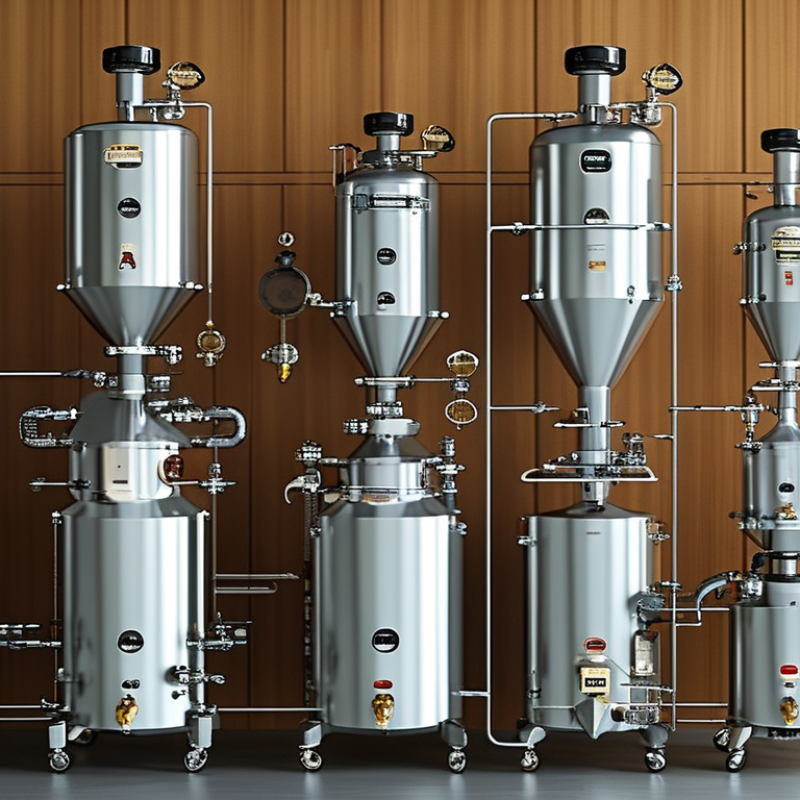
How to Choose the Best Evaporation Device for Your Needs?

Understanding Different Types of Evaporation Devices Available

When choosing an evaporation device, understanding the types available is crucial. There are various options, each designed for different applications and environments. Common types include rotary evaporators, thin-film evaporators, and falling-film evaporators. Each type has unique mechanisms and is suitable for specific tasks.

Rotary evaporators are ideal for gentle solvent removal. They work well in laboratory settings. Users appreciate their efficiency and reliability. Thin-film evaporators are more complex but excel in continuous processes. They’re often used in the food industry for concentrating flavors. Falling-film evaporators are suitable for large-scale operations. They optimize heat transfer and reduce processing time.

Selecting the right device demands careful consideration. It’s not just about efficiency; costs and maintenance also play roles. A device that works well for one application may not suit another. Users should reflect on their specific needs and sometimes adjust their initial preferences. Regular evaluation of performance can reveal if adjustments are necessary.

Key Factors to Consider When Selecting an Evaporation Device

When selecting an evaporation device, consider the capacity. Depending on your application, you might need a specific output level. Some devices are designed for small-scale use. Others cater to larger operations. It's crucial to analyze your evaporation needs to ensure efficiency.

Next, look at the materials used in construction. High-quality materials enhance durability and reduce maintenance. Some devices are made from corrosion-resistant alloys. This ensures they can withstand harsh environments. However, cheaper options may save money upfront but could lead to higher replacement costs later. Evaluate long-term benefits.

Don't forget about ease of operation. User-friendly controls can make a significant difference. A complicated interface might lead to operational errors. Some devices require specific training to operate effectively. This could be a hurdle if your team lacks expertise. Be sure to weigh the learning curve against the device's features and benefits.

Evaluating Efficiency: Energy Consumption and Output Capacity

When selecting an evaporation device, efficiency is key. Energy consumption plays a vital role in determining how cost-effective your choice will be. A device's output capacity directly impacts its performance and suitability for your specific needs. High energy consumption can lead to increased operational costs. Balancing energy use with output capacity is crucial for optimal results.

Evaluate how much energy the device uses relative to its evaporation rate. Some models may promise high output but consume excessive energy. Look for data on energy ratings to gauge efficiency. This requires careful research and sometimes a bit of trial and error.

It’s essential to consider the size of the area you intend to use. A powerful device may not always be the best choice for smaller spaces. Oversizing could lead to wasted energy and inefficiencies. Understand your situation and existing conditions. Adjust expectations based on your environment's unique elements. This thoughtful approach will help you refine your options.

Assessing the Size and Portability of Evaporation Devices

When choosing an evaporation device, size and portability are key factors. A compact model is ideal for small spaces or travel. If you often move between locations, consider lightweight options. These devices are easier to transport and set up. However, smaller models might lack capacity or efficiency. Always balance size with your specific needs.

Portability also involves ease of use. Some devices require tools for setup, while others are plug-and-play. Think about your comfort level with assembly. A user-friendly design can save time and frustration. It's worth noting that not every portable model performs equally. Research reviews and user feedback before making your decision.

Lastly, consider your specific application. Are you needing a device for professional use or personal enjoyment? The demands may differ significantly. High-capacity units might be necessary for larger projects, while simpler models suffice for casual use. Reflect on your long-term goals. Sometimes, investing in a more robust solution can save hassle later.

Budgeting: Cost Analysis and Long-term Investment Considerations

When considering an evaporation device, budgeting is crucial. Start with an honest evaluation of your finances. Identify how much you can afford. High-quality devices often have a higher initial cost. However, consider their longevity and efficiency. Cheaper options might save money upfront, but could lead to higher long-term costs due to replacements or energy consumption.

Think about the operational costs. Some devices are energy-efficient, significantly reducing electricity bills. A detailed cost analysis should include maintenance needs. Some devices might require spare parts or regular service. This can affect your overall budget. Don't underestimate these ongoing expenses. Reflect on your usage patterns, too. If you only need a device occasionally, investing heavily might not be necessary.

Also, the quality of materials matters. Devices made from robust materials may have a higher upfront cost but could offer reliability. Weigh your options carefully. Inexpensive models may seem enticing, yet they might compromise on quality and durability. Do thorough research. Engage with reviews and user experiences to gauge reliability. This will help you make more informed decisions for your needs.

FAQS

: Why is efficiency important when selecting an evaporation device?

: Efficiency affects energy consumption and cost-effectiveness. High energy use can lead to increased operational costs.

How can I evaluate a device's energy consumption?

Check the energy ratings and evaporation rates. Some devices promise high output but waste energy.

Does size matter when choosing a device?

Yes, oversizing can waste energy. Assess the area and choose based on your specific needs.

What should I consider in my budget for a device?

Evaluate finances honestly. Initial costs are important, but long-term efficiency matters more.

Why might cheaper devices be a poor choice?

Cheaper options can lead to higher long-term costs due to replacements or energy consumption.

How can operational costs impact my budget?

Energy-efficient devices can lower electricity bills, affecting overall expenses long-term.

What about maintenance costs?

Some devices need repairs or spare parts. These ongoing costs are crucial for budget planning.

Why is material quality significant in devices?

Robust materials may have a higher initial cost but offer reliability and longevity.

How can I make informed decisions about devices?

Engage with reviews and user experiences. This might help identify undiscovered issues.

What if I only need a device occasionally?

Consider your usage patterns. Heavy investment may be unnecessary if usage is infrequent.

Conclusion

Choosing the right evaporation device is crucial for meeting your specific needs. It’s essential to understand the different types of available evaporation devices, each designed for various applications. Key factors to consider include the device's efficiency, such as energy consumption and output capacity, which directly impact performance and costs. Additionally, assessing the size and portability of these devices can influence usability and convenience in different settings.

Budgeting is another critical aspect, as a comprehensive cost analysis will help you weigh initial investment against long-term savings and operational costs. By carefully evaluating these factors, you can ensure that you select the most suitable evaporation device for your requirements, optimizing both functionality and value.


Henry

Henry

Henry is a dedicated marketing professional with a profound expertise in the company's offerings. With years of experience in the industry, he possesses an impressive understanding of the market dynamics and consumer behaviors that drive success. Henry is committed to sharing his insights through......