How to Choose the Best Multi Effect Evaporator for Your Needs?

Time:2026-08-23 Author:Charlotte
0%

Choosing the right Multi Effect Evaporator (MEE) is crucial for industries like food processing and pharmaceuticals. This equipment plays a key role in concentrating solutions effectively. According to a report by MarketsandMarkets, the global evaporator market is projected to grow from $3.3 billion in 2021 to $4.5 billion by 2026. This growth highlights the importance of selecting the best MEE for efficient operations.

A well-chosen Multi Effect Evaporator can significantly reduce energy consumption. It can also enhance process efficiency. For instance, MEEs can cut energy use by up to 90% compared to single-effect evaporators, as reported by the International Journal of Engineering Research. However, not all MEEs are equal. Understanding your specific needs is imperative for optimal performance.

While various manufacturers offer MEEs, the decision can be overwhelming. Factors such as capacity, material, and energy efficiency demand careful consideration. Evaluating these parameters ensures reliability in long-term operations. Thus, a thorough investigation can reveal the potential pitfalls in your choice. Selecting a Multi Effect Evaporator is not just about technical specs; it’s about aligning with your unique operational goals.
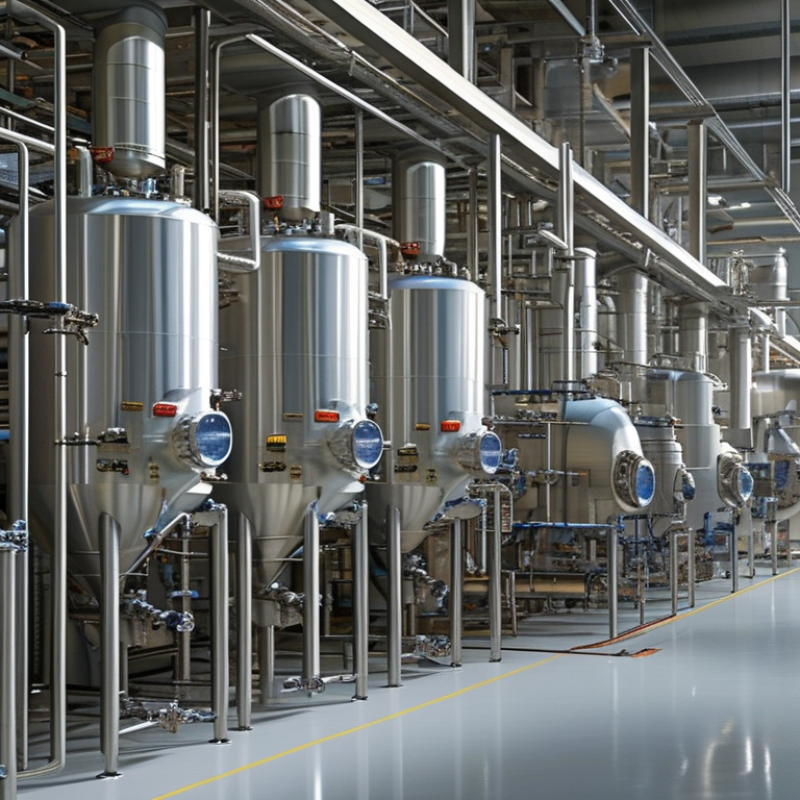
How to Choose the Best Multi Effect Evaporator for Your Needs?

Understanding Multi Effect Evaporators and Their Applications

Multi Effect Evaporators (MEE) are vital in various industries. They excel in concentrating solutions, reducing energy costs, and improving efficiency. MEE systems operate by using multiple stages of evaporation. Each stage utilizes vapor from the previous stage, minimizing heat loss and maximizing output. Understanding MEE design is crucial for selecting the right system.

Applications of Multi Effect Evaporators are diverse. They are widely used in food and beverage, pharmaceuticals, and chemical industries. In these sectors, they help in concentrating liquid products without compromising quality. Operators must consider specific factors when choosing a system. Factors include the desired concentration level and feed characteristics. Familiarity with these aspects enhances decision-making.

Choosing the right MEE can be challenging. Each application may require different configurations. Some systems might be overly complex for simple needs. Striking the right balance between efficiency and cost is essential. Continuous evaluation of the system’s performance is necessary to ensure it meets specific goals. Rethinking your approach may lead to better choices in the long run.

Comparison of Multi Effect Evaporator Types

Key Factors to Consider When Choosing a Multi Effect Evaporator

When selecting a multi-effect evaporator, several key factors must be evaluated. Efficiency is critical; a well-designed evaporator can significantly reduce energy consumption. According to industry data, modern multi-effect evaporators can achieve energy savings of up to 80% compared to single-effect systems. This efficiency is crucial for businesses aiming to minimize operational costs while maximizing output.

The material of the evaporator is also important. Stainless steel is widely preferred due to its durability and resistance to corrosion. However, different applications may call for specific materials that can withstand various chemicals and temperatures. Research indicates that selecting the right material can prevent costly downtime caused by equipment failure.

Scale formation often poses a challenge in evaporators. Poor design can lead to reduced performance over time. It's essential to consider models that incorporate effective anti-scaling technologies. The ability to maintain consistent performance can be a distinguishing factor in overall reliability. Regular maintenance schedules and operator training can also impact the long-term effectiveness of the system. Evaluating the total cost of ownership, including maintenance and operational efficiencies, is essential for making a sound investment.

Types of Multi Effect Evaporators and Their Specific Benefits

When selecting a multi effect evaporator, understanding the different types available can greatly influence your decision. Multi effect evaporators can range from mechanical vapor recompression (MVR) systems to those using traditional steam heating. Each type comes with unique benefits suited to various industrial applications. According to a report by TechNavio, the global multi effect evaporator market is projected to grow by 6% annually through 2025. This indicates the increasing reliance on energy-efficient technologies in various sectors, including food processing and pharmaceuticals.

Mechanical vapor recompression systems are notably energy efficient. They recycle vapor produced during the evaporation process, which can significantly lower energy costs. Reports suggest that MVR systems can achieve a thermal efficiency of up to 90%. This efficiency can drastically reduce operating costs compared to conventional systems. Meanwhile, traditional multi effect evaporators may excel in applications requiring high vapor throughput, but they often come with higher energy consumption and operational complexity.

While choosing the right evaporator, consider the specific needs of your process. Assessing the feed characteristics, desired concentration, and temperature sensitivity of materials is crucial. Many facilities find themselves in a position of needing to balance upfront costs with long-term operational efficiency. It’s important to engage with technical experts who can provide insights tailored to your situation. The right multi effect evaporator should ultimately enhance productivity while minimizing energy use, aligning with the industry’s growing focus on sustainability.

How to Choose the Best Multi Effect Evaporator for Your Needs?

Type of Multi Effect Evaporator Key Features Benefits Typical Applications
Falling Film Evaporator High heat transfer efficiency, low energy consumption Compact design, suitable for thermal-sensitive products Sugar solutions, food concentrates, pharmaceuticals
Rising Film Evaporator Fast evaporation rates, less prone to fouling Ideal for high-viscosity fluids Wastewater treatment, dairy processing
Forced Circulation Evaporator Continuous feed, large volumes Effective for slurries and viscous liquids Mineral processing, chemical production
Multiple Effect Evaporator (MEE) Utilizes vapor from one effect to heat the next High energy efficiency, reduced operational costs Beverage concentration, seawater desalination
Vacuum Evaporator Operates under reduced pressure Preserves heat-sensitive materials Pharmaceuticals, food extracts

Evaluating Energy Efficiency and Operational Cost

When selecting a multi-effect evaporator, energy efficiency and operational cost are crucial. An efficient evaporator minimizes energy consumption while maximizing output. Understanding the energy requirements of your specific application is vital. Evaluate the heat source and consider its efficiency. This will help you gauge potential savings on utility bills.

Energy-efficient models might have higher initial costs. However, they often lead to reduced operational costs over time. Consider the payback period to make a wise investment. Look for systems with advanced features like heat recovery or automation. These can significantly improve overall performance.

Pay attention to maintenance requirements too. Regular upkeep ensures long-lasting efficiency. Evaluate if the model you choose has easy access for maintenance tasks. This can help prevent unexpected costs down the line. Practical and thoughtful choices today can lead to substantial savings in the future.

Maintenance and Support Considerations for Multi Effect Evaporators

When selecting a multi-effect evaporator, maintenance and support play critical roles. Regular upkeep ensures productivity and longevity. Neglecting small issues can lead to larger, costlier repairs. Familiarize yourself with routine cleaning schedules and monitoring requirements. Each manufacturer may have unique guidelines that impact your choice.

Evaluating support options is equally vital. An effective support system can reduce downtime. Consider how easily accessible troubleshooting resources are. An experienced service team can provide timely assistance. Some may offer training to staff, which improves overall operational efficiency.

Assess the availability of spare parts for your chosen equipment. Timely access to parts minimizes disruptions. You may face challenges in sourcing them if the manufacturer lacks a strong network. Understanding these aspects will empower you to make a more informed decision, aligning with your operational needs and goals.

FAQS

: What is a key factor to consider when choosing a multi-effect evaporator?

: Efficiency is critical. A well-designed evaporator can cut energy use significantly.

Why is material selection important for evaporators?

The right material prevents corrosion and equipment failures, which can lead to costly downtime.

How can scale formation affect an evaporator's performance?

Scale can reduce performance over time, so consider models with anti-scaling technologies for consistency.

What is vital to evaluate regarding energy efficiency?

Understanding your application's energy requirements helps gauge potential savings on utility bills.

Are energy-efficient models always cheaper initially?

No, they might have higher upfront costs, but they can reduce operational expenses over time.

Why is maintenance important for multi-effect evaporators?

Regular maintenance prevents expensive repairs and ensures the system remains efficient over time.

How can support options influence your evaporator choice?

Good support reduces downtime. Access to troubleshooting resources is essential for smooth operation.

What maintenance aspects should I consider before buying?

Familiarize yourself with cleaning schedules and ensure easy access for maintenance tasks.

Why assess spare parts availability?

Quick access to spare parts minimizes disruptions and keeps your operations running smoothly.

Is training for staff important when selecting an evaporator?

Yes, training improves operational efficiency and helps staff manage the equipment effectively.

Conclusion

When selecting the best Multi Effect Evaporator for specific needs, it is crucial to understand the device's applications and the various factors influencing its effectiveness. Key considerations include the type of materials being processed, the required evaporation capacity, and the desired end product quality. Knowledge of different types of Multi Effect Evaporators, such as those utilizing vacuum or thermal processes, can guide users in making informed decisions based on their operational requirements.

Evaluating energy efficiency and operational costs is essential, as these factors significantly impact overall profitability. Additionally, considering maintenance and support options ensures that the Multi Effect Evaporator remains functional and efficient throughout its lifespan. By thoroughly assessing these aspects, users can select a Multi Effect Evaporator that not only meets their operational goals but also aligns with their strategy for sustainability and cost-effectiveness.


Charlotte

Charlotte

Charlotte is a seasoned marketing professional with a deep understanding of the company's portfolio and a passion for elevating its presence in the market. With a keen eye for detail and a commitment to excellence, she ensures that our professional blog is regularly updated with insightful articles......