Evaporation Equipment plays a crucial role in various industries, including food processing and pharmaceuticals. According to a report by Market Research Future, the global evaporation equipment market is projected to reach USD 6.1 billion by 2025. This growth reflects the increasing demand for energy-efficient and environmentally friendly technologies.
Experts highlight the importance of selecting the right equipment for specific applications. Dr. Alice Johnson, a leading industry expert, once stated, "Choosing the right evaporation technology can significantly enhance operational efficiency." The choice of equipment impacts not only production rates but also resource consumption and waste management practices.
However, buyers often face challenges when navigating through the myriad of options available. It is essential to consider factors such as energy efficiency, maintenance costs, and scalability. Even with clear guidelines, some buyers may overlook critical elements, leading to suboptimal choices. Understanding the nuances of Evaporation Equipment can aid in making informed decisions that align with both operational needs and sustainability goals.
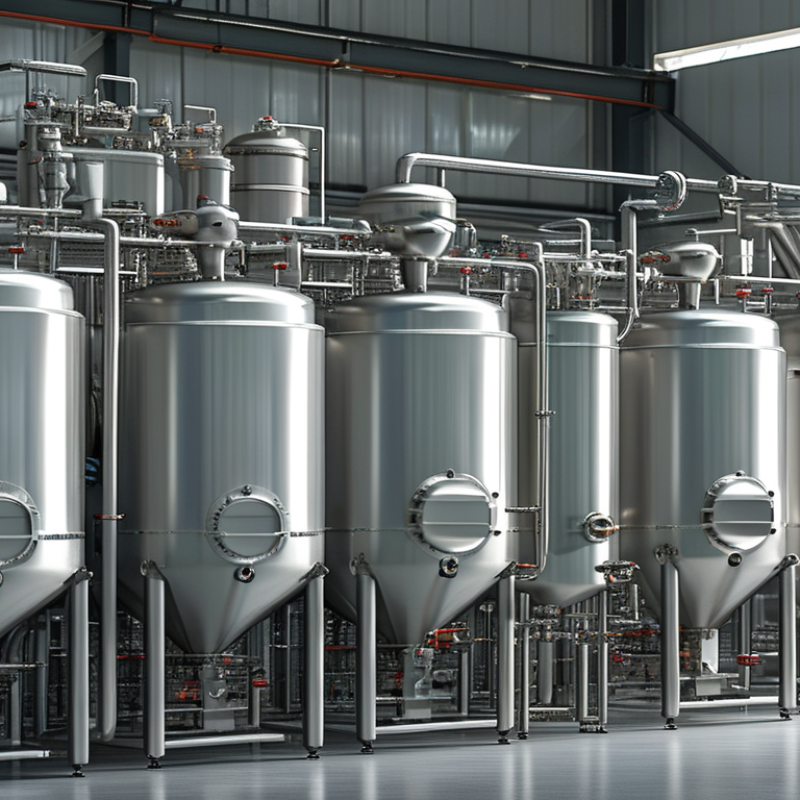
China is rapidly becoming a global leader in the evaporation equipment market. Its diverse production capabilities have attracted global buyers seeking cost-effective solutions. Data from industry reports indicate that China's evaporation technology has significantly improved over the last decade. This growth is marked by advancements in efficiency and sustainability, aligning with international standards for energy consumption.
In 2022, the market for evaporation equipment in China was valued at approximately $2.5 billion. This figure reflects a compound annual growth rate (CAGR) of nearly 8% from previous years. Such growth can be attributed to the increasing demand from sectors like food processing, pharmaceuticals, and chemical manufacturing. Notably, these industries require reliable and efficient evaporation methods to optimize production processes. However, some equipment still faces challenges in scalability and adaptability, which merit continuous improvement.
Moreover, the competitive landscape in China reveals a mix of small and large manufacturers. While many focus on innovation, not all have fully embraced the latest environmental regulations. This creates opportunities for buyers to engage with producers committed to sustainable practices. Yet, buyers must remain vigilant about product quality and compliance. The intricacies of international standards can complicate procurement, highlighting the need for thorough vetting of suppliers.
: In 2022, the market was valued at about $2.5 billion.
Increasing demand from food processing, pharmaceuticals, and chemical manufacturing sectors fuels growth.
The market is expected to reach approximately $5 billion by 2023.
Look for experienced manufacturers with certifications and positive reviews.
Some manufacturers have not fully embraced environmental regulations. Sustainable practices matter more than ever.
Certain equipment struggles with scalability and adaptability, highlighting areas for improvement.
Understanding the intricacies of international regulations requires thorough vetting of suppliers.
Reliable customer service and custom solutions tailored to specific needs enhance operational efficiency.
No, while many prioritize innovation, some may lag in adopting the latest environmental standards.
Trade shows expose suppliers to global trends, helping them stay competitive in the market.
This article serves as a comprehensive guide for global buyers interested in China’s evaporation equipment market. It begins with an overview of the various types of evaporation systems available, detailing the technology and applications relevant to different industries. The piece highlights key factors to consider when purchasing evaporation equipment, ensuring that buyers make informed decisions based on efficiency, cost, and technological compatibility.
Furthermore, the article includes a comparative analysis of Chinese evaporation technologies with their global counterparts, illustrating the strengths and unique offerings of Chinese manufacturers. By evaluating manufacturers and suppliers within China, it provides insights into the competitive landscape of evaporation equipment, making it a valuable resource for international businesses seeking reliable and advanced solutions in this field.

 Zongheng