In recent years, industrial efficiency has become a focal point for many sectors. The Evaporator Double Effect technology is gaining traction. This advanced system improves energy efficiency, leading to cost reductions. According to a report by Markets and Markets, the global evaporator market is expected to reach $12 billion by 2025. This reflects the industry's growing demand for efficient machinery.
The use of Evaporator Double Effect systems can lead to significant energy savings. Studies reveal that these systems can reduce energy consumption by 30% compared to single effect evaporators. However, the initial investment can be substantial. Industries must weigh the long-term benefits against upfront costs. Not all companies may find this transition straightforward. Some may struggle with installation and operational changes.
Moreover, the varying standards in manufacturing can affect performance. Not all evaporators are created equal; quality and efficiency often differ. Companies must consider the reliability of manufacturers. Choosing the right technology is crucial for maximizing performance. The decision requires careful consideration and assessment of needs.
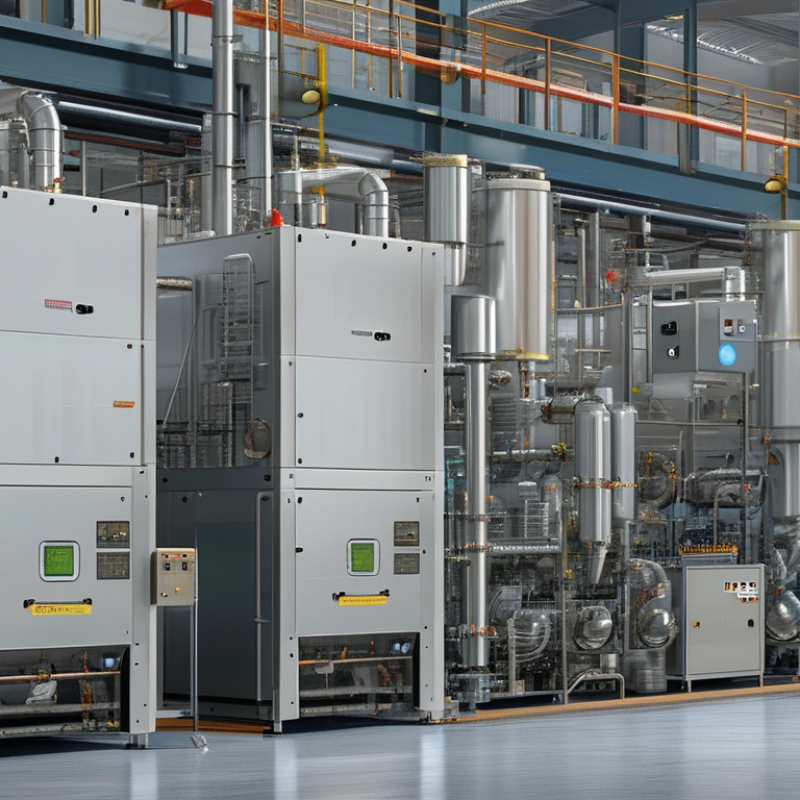
China's industrial landscape is evolving rapidly, particularly in the area of double effect evaporators. These systems play a crucial role in concentration processes across various industries. According to recent market research, the global evaporator market is projected to grow at a CAGR of 5.2% from 2021 to 2028. The demand for energy-efficient solutions drives this growth.
Double effect evaporators are known for their efficiency. They utilize two stages of evaporation, allowing for significant energy savings. Reports suggest that these systems can achieve up to 80% thermal efficiency. This high efficiency helps industries reduce operational costs while minimizing environmental impact. Notably, energy consumption is a critical challenge in many sectors.
However, adoption is not without challenges. Industries must ensure proper maintenance and operation to achieve optimal performance. Mismanagement can lead to decreased efficiency. Moreover, the initial investment for these systems may deter some smaller enterprises. Understanding the long-term benefits is essential for decision-makers. They must weigh the upfront costs against potential savings on energy and resources.
This chart illustrates the energy efficiency percentages of various leading double effect evaporators used in industrial applications in China. The data highlights the performance of five different models, showcasing their effectiveness in energy usage.
Double effect evaporators play a vital role in industrial processes across various sectors in China. These systems can boost efficiency by using a two-step evaporation process, thereby reducing energy consumption. According to industry reports, energy savings can reach up to 30% compared to single-effect systems. This efficiency is crucial in industries like food processing, pharmaceuticals, and petrochemicals.
Key features of these evaporators include advanced heat transfer technology and compact design. They can effectively handle high concentrations and large volumes, making them suitable for diverse applications. Additionally, many models are equipped with customizable controls for optimal performance. However, maintenance remains a challenge. Regular calibration and monitoring are essential to avoid inefficiencies and performance loss.
Moreover, the market landscape is evolving. A growing emphasis on sustainability drives innovations in evaporator technology. New materials and designs are emerging, but not all are proven reliable. Companies must scrutinize suppliers and technologies to ensure they meet stringent operational standards. Despite the advancements, there are still concerns about the long-term durability of some components. Addressing these issues will be key for industries relying on double effect evaporators.
Double effect evaporators are crucial in industrial processes, focusing on energy efficiency. Their design recycles energy, making them more effective than single effect evaporators. In practice, they utilize two stages of evaporation to maximize energy recovery. This process lowers operational costs and enhances overall productivity.
Energy efficiency metrics play a vital role in assessing performance. Key metrics include energy consumption per unit produced and evaporation capacity. Businesses often compare these metrics to identify areas for improvement. Some installations report high efficiencies, while others struggle. Operators must regularly analyze their systems and adjust parameters for optimal performance.
Understanding these metrics can help industries find their balance between cost and efficiency. Education on best practices is essential. Many installations may overlook maintenance requirements, affecting energy use. Regular training and updates can enhance understanding and lead to less wasted energy. Reflecting on these factors can yield significant benefits in the long run.
Double effect evaporators are gaining traction in various industries across China. This technology enhances efficiency by utilizing two evaporation stages. The food and beverage sector particularly benefits from this, with an estimated 20% increase in production efficiency observed in some plants. This rise is attributed to reduced energy consumption and shorter processing times. Companies are eager to adopt these systems to remain competitive.
In the pharmaceutical industry, double effect evaporators aid in concentrating solutions. They help manage heat-sensitive compounds effectively. Recent data indicates a significant reduction in operational costs, often reaching 30%. It also allows for improved product quality. However, operators must invest time in training staff to handle these sophisticated systems. The learning curve can be challenging, with some facilities experiencing initial operational delays.
The chemical industry also recognizes the value of double effect evaporators. With stringent regulatory standards, these systems help achieve higher concentration levels while minimizing waste. Efficiency gains of around 25% have been reported in certain applications. Still, maintenance remains a concern, as inadequate upkeep can lead to system inefficiencies. Addressing these challenges is essential for maximizing the potential of double effect evaporators.
| Application | Industry | Typical Efficiency (%) | Operating Temperature (°C) | Capacity (L/hr) |
|---|---|---|---|---|
| Food Concentration | Food Processing | 85 | 60-75 | 1000 |
| Pharmaceutical Solutions | Pharmaceutical | 90 | 50-65 | 500 |
| Liquid Fertilizers | Agriculture | 80 | 70-85 | 2000 |
| Sugar Syrup Production | Food Processing | 88 | 70-80 | 1500 |
| Wastewater Treatment | Environmental | 75 | 40-60 | 3000 |
The industrial landscape in China is witnessing a significant shift towards double effect evaporators. These systems are known for their energy efficiency. Manufacturers are increasingly adopting these technologies to cut operational costs while increasing production capacity. This trend aligns with China’s push for sustainable practices across industries.
Current market trends indicate a growing demand for these evaporators. Various sectors, including food processing and pharmaceuticals, are driving this growth. Innovations in technology are enhancing performance and reliability. However, some manufacturers face challenges in adapting quickly to tech advancements. The need for training and skill development is becoming essential.
Future projections suggest a robust market for double effect evaporators in China. As policies favor energy-efficient equipment, investments in this sector are likely to rise. Companies must stay updated with regulatory changes and technological improvements. This environment calls for strategic planning and adaptability to remain competitive. Embracing these trends can lead to better efficiency and sustainability in industrial operations.
: It uses a two-step evaporation process to enhance efficiency and reduce energy consumption.
Food processing, pharmaceuticals, and petrochemicals see significant efficiency boosts from these systems.
They can reach energy savings of up to 30% compared to single-effect systems.
Yes, their compact design allows them to handle large volumes effectively.
They include advanced heat transfer technology and customizable controls for optimal performance.
Staff must receive training on handling these systems, which can be challenging.
Yes, some components may lack long-term reliability, requiring careful supplier scrutiny.
A 20% increase in production efficiency and reduced processing times have been reported.
In pharmaceuticals, they can decrease costs by about 30%.
Regular monitoring is necessary; neglect can lead to inefficiencies and performance loss.
The article "China Top Double Effect Evaporators for Efficient Industrial Use?" provides a detailed exploration of the leading evaporator double effect technologies currently available in China. It outlines key specifications and features that define these systems, emphasizing their energy efficiency metrics crucial for various industrial applications. With a focus on sustainability and cost-effectiveness, the article examines how these evaporators are utilized across different sectors, enhancing operational efficiency.
Additionally, the piece discusses prevailing market trends and future projections for evaporator double effect systems in China. As industries continue to seek innovative solutions to improve productivity while minimizing energy consumption, the demand for these advanced evaporators is expected to rise. This comprehensive overview highlights the importance of adopting efficient evaporator technologies in order to meet the challenges of modern industrial processes.

Zongheng