Choosing the right Dryer Machine Tube can directly affect airflow, drying speed, maintenance costs, and workplace safety. Global buyers face many options, including silicone, aluminum, stainless steel, PVC, and reinforced fabric tubes. Each material performs differently under heat, pressure, moisture, vibration, and chemical exposure.
A reliable selection begins with the working environment. Measure the air temperature, tube length, inner diameter, pressure level, and connection type. A tube beside a 180°C exhaust outlet needs different protection from one carrying cool, humid air. Check wall thickness, flexibility, abrasion resistance, flame behavior, and sealing quality. Stainless steel suits demanding industrial systems, while silicone often supports flexible, high-temperature connections. Aluminum remains lightweight and practical for controlled exhaust routes.
Details matter.
This 2026 guide compares the best types of Dryer Machine Tube for global buyers. It considers performance, service life, installation difficulty, supplier documentation, and total ownership cost. Product certificates and test reports should be verified before purchase, especially when equipment operates near food, textiles, chemicals, or occupied work areas. Local requirements may also influence material selection and installation.
No single tube is perfect. A highly flexible design may wear faster, while a durable metal tube may require more careful alignment. This guide recognizes that limitation and encourages buyers to review real operating conditions rather than rely on attractive specifications. Practical experience, clear measurements, and honest supplier communication usually produce better results than the lowest quoted price.
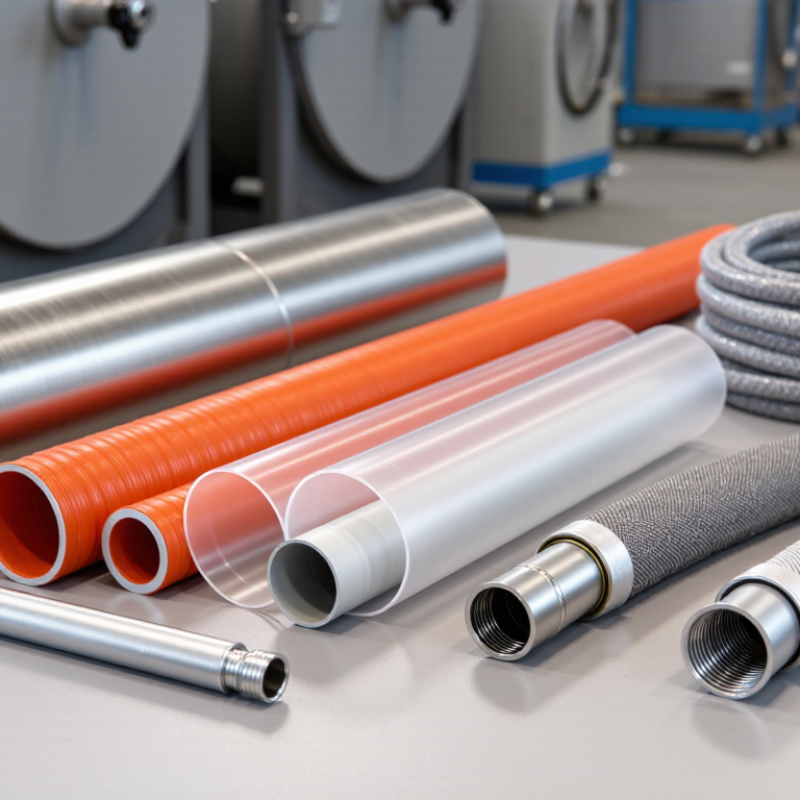
2026 Best Types of Dryer Machine Tube for Global Buyers
Dryer Vent Basics: 4 in (102 mm) Diameter and 35 ft (10.7 m) Limit
A 4-inch (102 mm) dryer tube remains the common residential standard. It matches most dryer outlets and supports stable airflow when installed correctly. The International Residential Code sets a 35-foot (10.7-meter) maximum developed length for many dryer exhaust systems. That length includes the route from the dryer to the outdoor termination.
Bends consume distance quickly. A 90-degree elbow commonly reduces the allowed length by 5 feet, while a 45-degree elbow reduces it by 2.5 feet. Flexible tubing may look convenient, but its ridges can collect lint and restrict airflow. Smooth, rigid metal tubing usually creates a cleaner path. Keep it short.
Real buildings are less cooperative. Walls shift the route, and installers sometimes hide excessive tubing behind the appliance. NFPA’s Home Fires Involving Clothes Dryers and Washing Machines report estimated 13,820 U.S. home structure fires annually from 2014 to 2018. Dryers accounted for about 92% of those fires, with approximately 233 civilian injuries and 238 million dollars in direct property damage each year. These figures do not prove that every long tube is dangerous, but they demand careful inspection. Local codes may differ, so the installation guide and authority having jurisdiction should be checked before purchase.
2026 Best Types of Dryer Machine Tube for Global Buyers
Flexible foil tubes attract global buyers because they are inexpensive, lightweight, and easy to cut. Installation feels simple. A small laundry room may need only scissors, clamps, and careful routing. However, the ridged interior can trap lint more easily than a smooth, rigid metal tube. Sagging sections create additional pockets where lint and moisture collect.
The risk is measurable. The National Fire Protection Association reported 15,970 residential fires involving clothes dryers and washing machines annually from 2010 to 2014. Dryers accounted for 92% of these fires. Failure to clean was the leading factor, linked to 27% of incidents. These figures are older, but the maintenance lesson remains relevant. Flexible foil is not automatically unsafe, yet poor fitting increases the problem.
Fit matters most. Keep the tube short, stretched, and free from sharp bends. Do not crush it behind the machine. Check the outlet and tube regularly for lint buildup, loose joints, and slow drying. Manufacturer installation instructions and local building requirements should control the final choice. A flexible tube can reduce upfront cost, but replacement and cleaning may add hidden expense. I have seen buyers focus on price first, then discover that easy fitting requires frequent attention. That trade-off deserves more honest consideration.
| Tube Type | Typical Construction | Flexibility | Typical Cost Level | Fitting Difficulty | Airflow Efficiency | Lint Accumulation Risk | Common Service Life | Best-Suited Application |
|---|---|---|---|---|---|---|---|---|
| Flexible Foil Tube | Thin, corrugated aluminum foil, usually with a wire-reinforced spiral structure | Very high | Low | Easy | Low to medium | High | About 1–3 years | Short, straight connections where low price and simple fitting are priorities |
| Semi-Rigid Aluminum Tube | Thicker corrugated aluminum with a relatively smooth internal profile | High | Low to medium | Easy to moderate | Medium to high | Medium | About 5–10 years | Short runs requiring some adjustment while maintaining better airflow than thin foil |
| Rigid Aluminum Duct | Smooth-wall aluminum sections or elbows joined with approved fittings | Low | Medium | Moderate | High | Low | 10+ years with proper installation | Preferred choice for permanent residential dryer exhaust systems |
| Galvanized Steel Duct | Rigid zinc-coated steel with smooth internal walls | Low | Medium | Moderate to difficult | High | Low | 10+ years, subject to corrosion conditions | Longer fixed duct routes and installations requiring strong mechanical protection |
| Insulated Flexible Duct | Flexible metal core with thermal insulation and an outer protective jacket | High | Medium to high | Moderate | Low to medium | Medium to high | About 3–8 years | Temperature-sensitive spaces where condensation control is needed and local codes permit its use |
Semi-rigid aluminum tubes offer a practical balance between flexibility and airflow for modern dryer machines. Their ribbed walls bend around corners, yet they remain more stable than fully flexible ducting. This helps maintain a clearer exhaust path behind the machine. In field installations, fewer sharp bends usually mean less lint accumulation and more consistent drying performance.
The tube should fit tightly without crushing the airflow channel. A short, direct route is usually better than a longer decorative loop. Aluminum also tolerates heat better than many lightweight alternatives, but it still needs proper spacing from heat-sensitive materials. I would not call this tube perfect. Its ridges can create resistance, and careless cutting may leave sharp edges. Reliable installation requires checking the connection, clamp pressure, and final tube alignment.
Tips: Measure the route before buying. Keep bends wide and gradual. Remove unnecessary length. Inspect the tube regularly for dents, loose joints, or heavy lint. A simple airflow check can reveal problems early. Do not rely on appearance alone. A neat tube may still restrict exhaust if compressed behind the dryer.
2026 Best Types of Dryer Machine Tube for Global Buyers
Rigid metal tubes are the practical choice for long dryer runs. Their smooth-bore interior reduces lint-catching ridges and keeps airflow more stable. During installation checks, a straight aluminum or galvanized-steel tube feels noticeably easier to clean than corrugated flexible tubing. It also tolerates heat better and resists crushing behind the machine. The International Residential Code recommends a four-inch metal duct and limits the standard developed length to 35 feet, with deductions for bends.
Fire safety deserves more attention than appearance. The NFPA report covering 2010–2014 recorded about 15,970 annual home structure fires involving clothes dryers or washing machines in the United States. Dryers accounted for most incidents. The U.S. Fire Administration also identifies restricted airflow and lint buildup as recurring hazards. These figures are not new, but they remain useful warnings. A rigid tube is not automatically safe. Poor joints, hidden lint, and an undersized outlet can still create trouble.
Tips: Keep the route short and gently curved. Seal joints with approved metal foil tape, not ordinary cloth duct tape. Check the exterior flap after each cycle; weak airflow signals a restriction. For international projects, verify local fire codes and appliance instructions, because allowed materials and length limits differ. I would also measure the real route twice. Small bends are easy to underestimate.
For global buyers, a dryer tube is more than a flexible air path. It affects heat control, lint movement, and installation safety. I have seen tubes fail at sharp bends, especially when hot air meets weak plastic. Select a tube that fits the dryer outlet without stretching or crushing. Keep it smooth inside. Less trapped lint means easier maintenance.
UL 2158A and EN 60335-2-11 should guide your compliance review. These standards address dryer safety, but they do not replace local certification requirements. Confirm the applicable edition and market scope before purchasing. Ask suppliers for test reports, production traceability, and clear temperature limits. A familiar-looking certificate is not enough. Check it.
Material ratings need practical attention. Compare continuous temperature resistance with short-term peak exposure. The tube should also resist flame spread, abrasion, moisture, and repeated flexing. Reinforced heat-resistant polymers and coated fabrics can perform well, but construction quality varies. Inspect wire spacing, wall thickness, and connector strength. Do not judge by appearance alone.
A good tube stays stable after repeated heating cycles. That matters. Buyers should test samples under realistic airflow and bending conditions. I would also review odor, surface cracking, and lint accumulation after testing. Some specifications remain incomplete until installation experience reveals weak points. Compliance is important, but honest verification is better.
A 4-inch, or 102-millimeter, diameter is widely used. It matches many dryer outlets. Check the appliance instructions before installation.
A common limit is 35 feet, or 10.7 meters. This includes the route to the outdoor termination. Local requirements may differ. Measure the complete path.
A 90-degree elbow commonly reduces the allowance by 5 feet. A 45-degree elbow reduces it by about 2.5 feet. Bends consume space quickly. I might underestimate them without a second measurement.
It is lightweight, inexpensive, and easy to cut. However, its ridges can collect lint. Sagging sections may hold moisture and debris. Convenient does not always mean efficient.
Keep it short, stretched, and free from sharp bends. Do not crush it behind the appliance. Use suitable clamps and inspect loose joints regularly. Small details matter.
Its smooth interior supports steadier airflow. It catches less lint than corrugated tubing. It also resists crushing and tolerates heat well. Cleaning is usually easier.
Clothes may take longer to dry. The outdoor flap may open weakly after a cycle. Lint may collect around joints or the outlet. These signs deserve prompt inspection.
Use approved metal foil tape for the joints. Avoid ordinary cloth duct tape. Make sure connections remain tight and aligned. A neat joint can still hide an internal problem.
Inspect the tube, joints, and outdoor outlet regularly. Look for lint, moisture, crushing, and slow drying. Cleaning needs depend on use and the route. I would not rely on appearance alone.
Confirm the tube diameter, material, route length, and bend count. Read the appliance installation instructions carefully. Check local building and fire requirements. The cheapest option may demand more cleaning later.
Choosing the right Dryer Machine Tube is essential for safe, efficient, and durable clothes-dryer ventilation. Most residential systems use a 4-inch (102 mm) diameter tube, while the total vent path should generally remain within 35 feet (10.7 meters), with additional length allowances adjusted for bends. Flexible foil tubes are affordable and easy to install, but their corrugated surfaces can restrict airflow and collect more lint. Semi-rigid aluminum tubes provide a practical 2026 balance, offering easier fitting than rigid systems while maintaining smoother airflow and better durability.
For longer runs or installations requiring maximum efficiency, rigid metal tubes are often preferred because their smooth-bore interiors reduce resistance, lint buildup, and potential fire risks. Buyers should also review local installation requirements and product documentation, including references to UL 2158A, EN 60335-2-11, and suitable material temperature and durability ratings. Selecting the correct diameter, structure, length, and compliance level helps create a safer ventilation system and supports reliable dryer performance across different global markets.

Zongheng