In the industrial landscape, selecting the right dewatering press is crucial. Industry expert Dr. Emily Johnson, a leading authority in waste management technologies, emphasizes, "Choosing the right dewatering press can significantly enhance operational efficiency." This statement reflects the importance of matching the specific needs of a facility with the capabilities of the equipment.
Dewatering presses are essential for numerous industries. They help reduce waste volume and improve resource recovery. However, the variety of available models can be overwhelming. Not all dewatering presses are created equal. Factors like capacity, material type, and operational costs must be considered. A press that works well for one industry may not be suitable for another.
Deciding on the best dewatering press requires careful thought. Each application presents unique challenges. Some may struggle with material consistency, while others may face budget constraints. It's essential to evaluate your specific requirements. Don't rush this process; improper choices can lead to inefficiencies and increased costs. The right dewatering press can drive success when aligned with your operational goals.
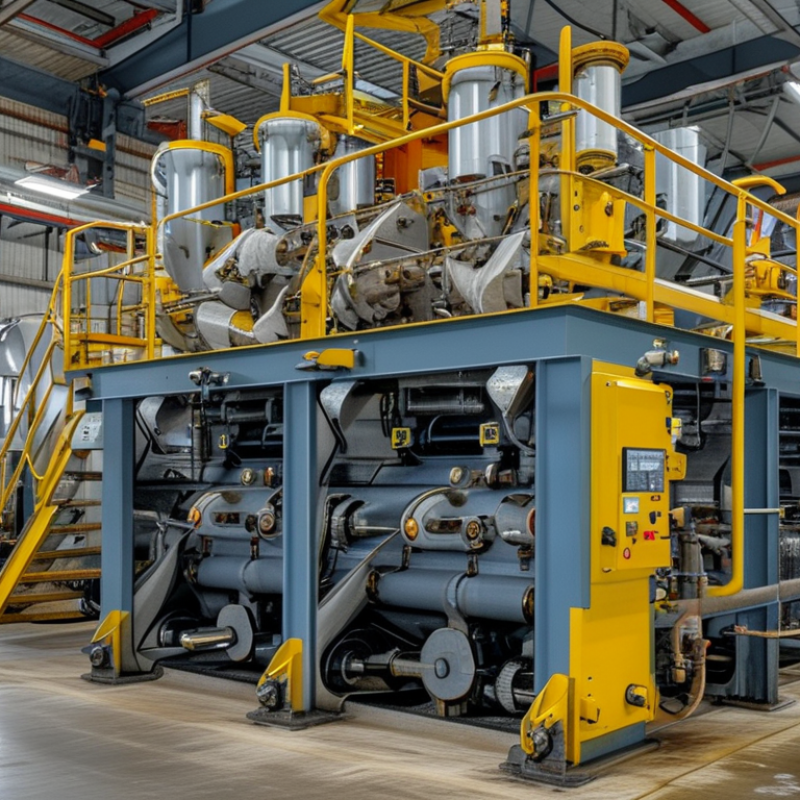
Dewatering presses play a crucial role in various industries, including wastewater treatment, food processing, and mining. These machines help remove excess water from materials, improving handling and reducing transportation costs. There are different types of dewatering presses, each designed for specific functions and materials. Common types include belt filter presses, screw presses, and centrifuges. Each type has its benefits, which depend on the application and required solids content.
In a recent industry study, it was noted that dewatering processes could reduce operation costs by up to 30%. For example, belt filter presses are particularly effective for municipal sludge, achieving a cake solids content of 15-20%. Meanwhile, screw presses are gaining popularity for their ability to handle fibrous materials, making them ideal for food byproducts. These machines can often achieve higher dry solids content compared to traditional methods, proving essential for efficiency.
However, choosing the right dewatering press requires careful thought. Not all presses are suitable for every application. Factors to consider include feed type, desired dryness, and footprint. Often, manufacturers may overlook maintenance needs, leading to unexpected downtimes. Regular servicing can prevent inefficiencies and improve reliability. Understanding these details can make the difference in selecting a machine that meets industrial demands effectively.
When choosing a dewatering press, several key factors come into play. The type of materials processed is crucial. Different industries handle various sludge compositions. Some materials may require specific press designs for optimal results. Understanding your material's characteristics helps in selecting the right technology.
Capacity is another critical consideration. You must know your daily volume needs. A press that is too small will lead to inefficiencies. On the other hand, overestimating can waste energy and resources. Energy consumption should also be assessed. Higher efficiency can lead to lower operating costs over time.
Maintenance requirements can often be overlooked. A complex design may offer advanced features but can lead to higher maintenance. Simplicity doesn’t always mean less effective. Balancing efficiency with upkeep can significantly impact long-term reliability. Each choice brings its challenges and considerations. Finding the perfect dewatering press is not a straightforward task.
When selecting a dewatering press, efficiency and cost are critical factors. Different models offer varying degrees of performance. It’s essential to assess how much water each press can remove from sludge. A press that can handle larger volumes might seem appealing. However, higher capacity often comes with increased costs. Balancing these two elements requires careful consideration.
Operational costs should not be overlooked. Maintenance and energy consumption can greatly affect the total expenditure. Some models use advanced technology to reduce energy use, boosting overall efficiency. Yet, this innovation may come at a higher initial investment. Ensure you understand your operational needs before making a decision. It’s also wise to consider the long-term savings potential versus upfront costs.
Industry feedback is crucial in this decision-making process. User reviews can reveal insights about durability and maintenance frequency. Sometimes, popular models might not perform as expected under certain conditions. A less-known model may be more suitable for unique tasks. Evaluating real-world experiences can guide you toward the best option for your needs.
Maintaining a dewatering press effectively boosts its performance. Regular maintenance checks can identify potential issues early. For instance, monitoring the wear and tear of filters is crucial. A study shows that replacing worn filters can improve efficiency by up to 15%. Ensuring the press operates within its optimal pressure range is also vital. Operating outside these parameters can lead to increased energy consumption and reduced output quality.
Cleaning is another key aspect of maintenance. Accumulated sludge can cause blockages. Neglecting routine cleaning can reduce the press's efficiency significantly. Reports suggest that regular cleaning protocols can increase the machine's lifespan by approximately 20%. Staff training on best practices for handling materials is essential. Well-informed operators can minimize common mistakes that lead to equipment downtime.
Finally, regularly checking hydraulic systems can prevent unplanned failures. A survey noted that 30% of equipment failures are due to hydraulic issues. Keeping an eye on fluid levels and conditions is a simple way to mitigate risks. Regular inspections help ensure that all components are functioning correctly. Adopting these maintenance practices contributes greatly to the reliable operation of dewatering presses.
| Dewatering Press Type | Max Capacity (m³/h) | Power Consumption (kW) | Typical Application | Maintenance Frequency (Monthly) |
|---|---|---|---|---|
| Belt Press | 25 | 15 | Municipal Wastewater | 1 |
| Screw Press | 30 | 10 | Dairy Waste | 2 |
| Plate and Frame | 20 | 20 | Food Processing | 1.5 |
| Centrifugal Separator | 35 | 25 | Chemical Waste | 2 |
| Rotary Drum Filter | 40 | 18 | Mining Slurry | 1 |
In various industrial sectors, dewatering presses play a crucial role in waste management. These machines help minimize the volume of sludge and slurry by extracting water effectively. Data from the Environmental Protection Agency shows that proper dewatering can reduce waste volume by up to 90%. This is vital for industries like food processing, paper manufacturing, and wastewater treatment.
In the food industry, for example, dewatering presses are used to extract juice from fruits and vegetables. This process not only boosts product yield but also improves storage and transport efficiency. Reports reveal that juice extraction can save nearly 30% in logistics costs. Additionally, in wastewater treatment plants, dewatering presses help prepare biosolids for land application or incineration. Properly processed biosolids can even return nutrients to the soil, enhancing sustainability efforts.
However, challenges remain. Many facilities struggle with the operating costs of dewatering presses. Energy consumption and maintenance can be high. Furthermore, achieving optimal dryness levels is not always straightforward. Regular monitoring and adjustments are necessary. Simple miscalculations can lead to excessive slurry, impacting the entire operation. Industrial managers must continuously seek progress in process efficiency to address these considerations.
: Dewatering presses remove excess water from materials in industries like wastewater treatment and food processing.
Types include belt filter presses, screw presses, and centrifuges, each suited for specific functions.
Not all presses suit every application. Factors like feed type and desired dryness matter significantly.
Regular maintenance checks prevent issues and boost efficiency, extending the machine's lifespan.
Key tasks include monitoring filters, cleaning sludge buildup, and checking hydraulic systems.
Replacing worn filters can enhance efficiency by up to 15%, ensuring optimal performance.
Well-trained staff can minimize mistakes that lead to downtime and enhance overall operation.
Neglect can result in blockages, decreased efficiency, and unexpected downtimes, which are costly.
Regular inspections on hydraulic systems and other components ensure they function properly and reduce risks.
Maintenance needs might be underestimated, causing unexpected issues that could have been prevented.
A dewatering press is an essential equipment in various industries, designed to separate solid materials from liquids, thereby reducing waste volume and facilitating easier disposal. Understanding the different types and functions of dewatering presses is crucial for industries looking to optimize their operations. Key factors to consider when selecting a dewatering press include efficiency, cost, and suitability for specific applications.
Comparing the efficiency and costs of various models can help businesses make informed decisions that align with their operational needs. Additionally, regular maintenance tips are essential for maximizing the performance of a dewatering press, ensuring longevity and reliability. Real-world applications demonstrate the versatility of dewatering presses across sectors, highlighting their importance in enhancing productivity and sustainability in industrial processes.

Zongheng