Choosing the right Material Dryer Machine can shape production quality, energy use, and long-term operating costs. Global buyers face different materials, climates, power systems, and compliance requirements. A dryer that performs well in a dry warehouse may struggle in a humid coastal factory. That difference matters.
This guide examines seven practical Material Dryer Machine options for international purchasing teams. It considers rotary, conveyor, vacuum, flash, spray, drum, and desiccant drying technologies. Each option suits particular moisture levels, feed sizes, temperatures, and production volumes. We focus on details that engineers and operators can verify, including drying capacity, heat-source compatibility, airflow control, insulation, maintenance access, and spare-part availability. A good machine should not only remove moisture. It should protect product quality without creating unnecessary energy losses.
Real purchasing decisions are rarely perfect. Supplier data may use different testing conditions, and advertised capacity can vary with material type. That requires careful comparison. Ask for test reports, reference installations, warranty terms, and clear performance limits. Check whether the supplier understands local electrical standards and after-sales service expectations. Small details matter, such as a cleanable filter, visible temperature readings, or a door that technicians can safely open. Some buyers may prioritize low purchase prices, but this can hide higher fuel use or difficult repairs. The best choice depends on verified application data, not attractive brochure language. Use this review as a starting point, then confirm every critical specification before signing a purchase agreement.
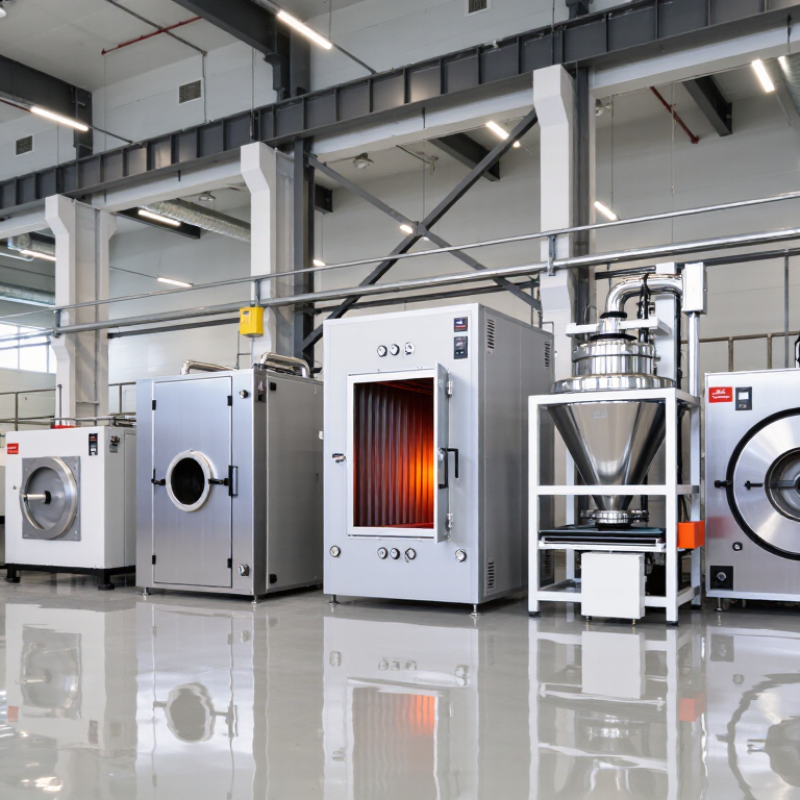
A material dryer machine removes moisture from raw materials before processing. It is commonly used for plastics, grains, minerals, wood, and other moisture-sensitive products. Excess moisture can cause bubbles, weak products, uneven color, or processing delays. The correct dryer depends on material type, moisture level, throughput, and local climate.
The machine usually pulls ambient air through a filter. A heater raises the air temperature, and a fan pushes it across the material. Warm air absorbs moisture from the material surface and carries it away. In a desiccant dryer, a drying agent reduces air humidity before heating. This produces very dry air for demanding applications. Sensors can monitor temperature, airflow, and dew point during operation.
Small details matter. Operators should test moisture before and after drying with a calibrated meter. Too much heat may damage sensitive materials. Too little airflow may leave wet spots inside the batch. In practical plant work, poor insulation often wastes energy and creates unstable results. Yet no setting is perfect. Ambient humidity changes throughout the day, especially near coastal areas. A careful buyer should request capacity data, temperature ranges, maintenance requirements, and verified energy figures. Ask for testing conditions, not only attractive performance claims. Reliable operation often comes from steady monitoring, clean filters, and correctly sized equipment.
A material dryer machine removes moisture from solids, powders, pellets, or wet products by transferring heat and carrying away evaporated water.
| Dryer Machine Option | How It Works | Suitable Materials | Typical Operating Temperature | Typical Capacity Range | Main Advantages | Key Considerations |
|---|---|---|---|---|---|---|
| Rotary Drum Dryer | A rotating drum lifts and tumbles the material through a stream of heated air. Moisture evaporates as the material moves from the feed end to the discharge end. | Sand, minerals, biomass, wood chips, sludge, fertilizer, aggregates, and other free-flowing bulk solids. | 80–600°C, depending on the material and direct or indirect heating method. | Approximately 0.5–100 tonnes per hour. | High throughput, durable construction, continuous operation, and good tolerance for variable feed moisture. | Requires a relatively large installation area; excessive residence time or overheating may damage heat-sensitive materials. |
| Fluidized Bed Dryer | Heated air passes upward through a perforated distributor plate, suspending fine particles and creating intensive contact between air and material. | Granules, crystals, powders, pharmaceutical solids, food products, and polymer pellets with relatively uniform particle size. | 40–180°C in many industrial applications. | Approximately 10 kg per hour to 20 tonnes per hour. | Fast and uniform drying, strong heat-transfer efficiency, and relatively compact equipment. | Less suitable for sticky, irregular, or very cohesive materials; dust collection and airflow control are important. |
| Spray Dryer | A liquid feed is atomized into fine droplets inside a hot-air chamber. Water evaporates rapidly, leaving dry powder collected by a cyclone or filter. | Milk products, coffee, dyes, ceramic slurries, chemicals, enzymes, and other pumpable solutions or suspensions. | Inlet air commonly 120–250°C; outlet air commonly 50–100°C. | Approximately 5 kg per hour to more than 10 tonnes per hour of finished powder. | Produces consistent powder particles, supports continuous processing, and can provide short exposure time for many heat-sensitive products. | Higher capital and energy requirements; feed viscosity, atomizer selection, and powder collection must be carefully controlled. |
| Vacuum Dryer | Reduced pressure lowers the boiling point of water, allowing moisture to evaporate at a lower temperature inside a sealed chamber. | Heat-sensitive chemicals, pharmaceutical compounds, herbs, pigments, specialty powders, and materials requiring low-oxygen processing. | Typically 30–120°C, depending on vacuum level and product characteristics. | Approximately 5 kg per batch to 5 tonnes per batch. | Lower drying temperature, reduced oxidation, controlled product quality, and the ability to recover solvents in suitable systems. | Batch processing can reduce throughput; vacuum pumps, seals, and condensers require regular maintenance. |
| Belt Dryer | Material travels on a perforated moving belt through one or more zones while heated air flows vertically through the product layer. | Vegetables, fruit pieces, herbs, biomass, pellets, sludge, food ingredients, and shaped or sliced products. | 40–150°C, with independently controlled zones available. | Approximately 50 kg per hour to 10 tonnes per hour. | Gentle continuous drying, adjustable residence time, and suitability for larger or fragile pieces. | Requires uniform material distribution; belt cleaning, airflow balancing, and a larger footprint may be necessary. |
| Tray or Cabinet Dryer | Material is placed on trays inside an insulated cabinet. Heated air circulates across the trays and removes moisture during a batch cycle. | Food, herbs, laboratory samples, ceramics, chemicals, powders, and small production batches. | 40–200°C, depending on the product and chamber design. | Approximately 5–1,000 kg per batch. | Simple operation, flexible batch sizes, relatively low initial cost, and easy product changeover. | Labor may be needed for loading and unloading; drying uniformity depends on tray arrangement and airflow. |
| Desiccant Hopper Dryer | A desiccant bed removes humidity from process air. The dry, heated air flows through plastic pellets to reduce absorbed moisture before processing. | Hygroscopic plastics such as PET, PA, PC, ABS, TPU, and other moisture-sensitive polymer pellets. | Typically 60–180°C, selected according to the polymer processing specification. | Approximately 10–5,000 kg per hour of material throughput. | Provides low-dew-point air, stable pellet moisture, and improved prevention of hydrolytic degradation during plastics processing. | Primarily designed for plastic pellets; filters, desiccant regeneration, dew point, and residence time require monitoring. |
It removes moisture from raw materials before processing. Excess moisture may cause bubbles, weak products, uneven color, or delays. It dries plastics, grains, minerals, wood, and similar materials.
The machine filters ambient air and heats it. A fan moves warm air across the material. The air absorbs moisture and carries it away.
A desiccant dryer reduces air humidity before heating. It creates very dry air for moisture-sensitive materials. Dew point monitoring helps confirm drying conditions.
Measure moisture before and after drying with a calibrated meter. Compare the readings with the material’s required moisture limit. Do not rely on appearance alone.
Yes, excessive heat may scorch or weaken sensitive materials. Too little airflow may leave wet spots inside the batch. Stable temperature control matters.
Request capacity data, temperature ranges, airflow details, and verified energy figures. Ask for test conditions and similar material samples. Attractive claims alone are not enough.
A large chamber may consume unnecessary energy during low production. Actual output depends on bulk density, inlet moisture, and loading rhythm. Bigger is not always better.
Check filter access, heater replacement time, drain design, and spare-part availability. Clean filters support steady airflow and reliable drying. Maintenance is easy to underestimate.
Ambient humidity changes during the day, especially near coastal areas. Insulation problems may waste energy and create unstable results. No setting stays perfect.
Confirm voltage, language settings, climate suitability, local support, guarding, and noise levels. Review electrical protection and safety requirements with a qualified technician. Some specifications may remain incomplete. Record those gaps before signing.
A Material Dryer Machine is designed to remove moisture from raw materials, powders, granules, food ingredients, chemicals, and other process materials through controlled heat and airflow. This article introduces seven practical dryer options, including rotary, fluidized-bed, spray, vacuum, tray, belt, and drum dryers. Each type offers different advantages in drying speed, material handling, temperature control, capacity, and suitability for heat-sensitive products. Global buyers can compare these systems by considering production volume, moisture level, energy efficiency, automation, installation requirements, and total operating cost.
Choosing the right Material Dryer Machine also requires attention to material characteristics, available space, climate, utilities, and future expansion plans. Proper installation, operator training, ventilation, temperature monitoring, cleaning, and scheduled maintenance help ensure stable performance and a longer service life. Safety features such as overload protection, insulation, emergency shutdown controls, and dust management should be evaluated before purchase. A well-matched dryer can improve product consistency, reduce energy waste, and support reliable production across different operating environments.

 Zongheng