Selecting the right Evaporator Tube supplier in 2026 requires more than comparing prices on a spreadsheet. Global buyers need dependable materials, stable production, and evidence that supports every commercial claim. This guide examines leading suppliers through practical purchasing criteria, including alloy options, tube dimensions, heat-transfer performance, surface finish, and manufacturing capacity. It also considers export experience, documentation quality, and communication across different time zones.
Performance matters in real operating environments. A tube may face steam, chemicals, pressure changes, vibration, and repeated cleaning cycles. Experienced suppliers should explain how their products address these conditions. Useful evidence may include mill certificates, dimensional inspection reports, hydrostatic or eddy-current test records, and traceability from raw material to shipment. Certifications can strengthen confidence, but they should never replace independent evaluation. Buyers should confirm whether certificates match the actual production batch.
No supplier is perfect. Some offer excellent metallurgy but limited customization. Others provide fast delivery yet weaker technical support. Price alone can mislead. A lower quotation may exclude testing, protective packaging, or replacement commitments. This article therefore presents a balanced view of the top Evaporator Tube suppliers for global buyers, while recognizing regional strengths and practical limitations. It encourages readers to compare verified capabilities, request samples when appropriate, and question unclear specifications before signing a purchase agreement. Small details matter. A well-sealed wooden crate, readable markings, and responsive after-sales support can prevent expensive delays. Supplier rankings may change as factories expand, standards evolve, and market conditions shift.
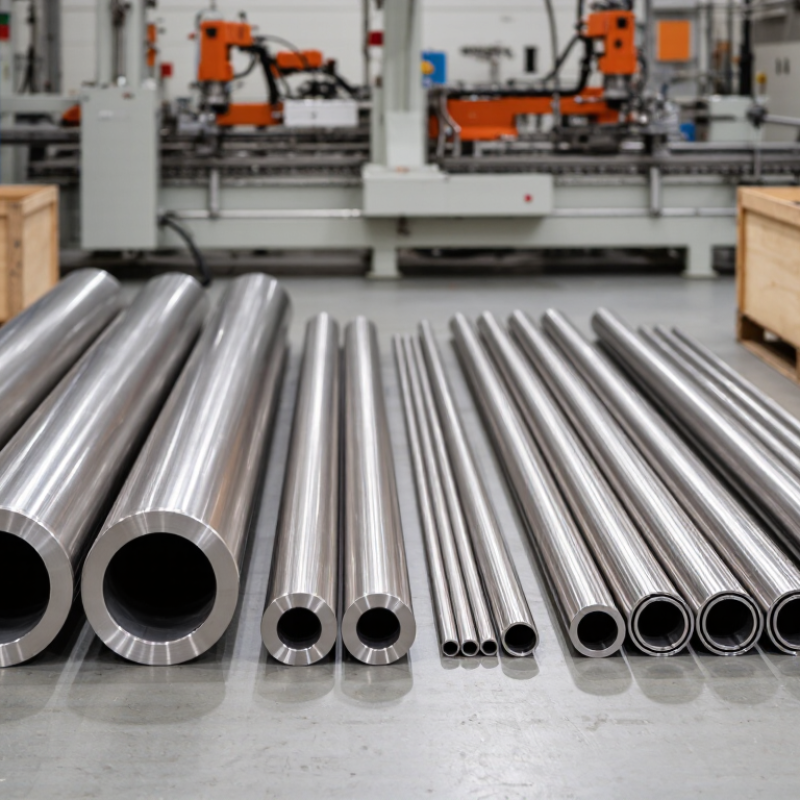
Evaporator tubes are the working passages where liquid feed receives heat and becomes vapor. In many systems, steam flows outside the tubes while the process liquid moves inside. Heat crosses the tube wall, boils the liquid, and leaves concentrated product behind. Some designs reverse this flow. The choice depends on viscosity, pressure, fouling risk, and hygiene requirements. ASHRAE Handbook—HVAC Systems and Equipment identifies heat-transfer area, temperature difference, fluid velocity, and material compatibility as core design factors.
The numbers matter. The International Energy Agency’s Energy Efficiency 2023 report estimates that industry consumes about 37% of global final energy. Better evaporation can therefore reduce steam demand, but tube performance is rarely judged by efficiency alone. A narrow tube may transfer heat effectively, yet clog quickly with crystals or proteins. A wider passage may resist fouling, but require more metal and space. Real plants often expose this compromise.
Operators should inspect wall thickness, weld quality, tube-sheet sealing, and resistance to chloride or acidic attack. Stainless steel suits many applications, while nickel alloys or titanium may be necessary in harsher fluids. Fouling layers act like insulation. Even a thin deposit can increase temperature differences and extend cleaning intervals. This is where specifications can become optimistic. Field water chemistry, unstable feed rates, and imperfect cleaning records often change the result. Industry data should guide selection, not replace plant trials and measured operating evidence.
Material selection controls service life. Copper offers high thermal conductivity and easy fabrication. Stainless steel provides stronger corrosion resistance in food, chemical, and marine environments. Titanium suits chloride-rich water, but its purchase cost is higher. Nickel alloys handle severe chemistry. Carefully.
The International Energy Agency reports that global cooling energy demand could more than triple by 2050. That projection increases pressure on evaporators to transfer heat efficiently while limiting fouling and refrigerant losses. Buyers should compare U-tube, straight-tube, falling-film, and flooded designs against actual operating conditions.
Important specifications include outside diameter, wall thickness, tube length, thermal conductivity, design pressure, test pressure, surface finish, and allowable temperature range. ASME Section VIII, TEMA, ASTM, and EN standards can support consistent inspection and documentation.
Performance data should come from tested assemblies, not attractive catalog claims. Request heat-transfer coefficients, pressure-drop curves, cleanliness records, material certificates, and hydrostatic test results. The IEA’s Energy Efficiency 2024 analysis also identifies industrial efficiency as essential for controlling rising energy demand. That makes fouling resistance and maintainable tube layouts commercially important.
However, published thermal values may change with flow velocity, oil circulation, scaling, and installation quality. A supplier with strong engineering records is useful, but laboratory performance never replaces site verification.♀♀
Evaporator tubes affect energy use, uptime, and product quality. The IEA’s Energy Efficiency 2024 report states that industry consumes about 37% of global final energy. Small heat-transfer losses can therefore become expensive. Evaluate suppliers beyond quoted price. Check tube material, wall thickness, thermal conductivity, corrosion allowance, and design temperature. Ask for EN 10204 3.1 certificates, positive material identification, eddy-current testing, hydrostatic results, and dimensional records. Field experience shows that missing traceability often creates bigger problems than visible defects.
Compare suppliers using recent delivery records, failure data, and documented quality procedures. A capable supplier should explain alloy selection for chlorides, acids, vacuum service, or repeated cleaning cycles. Request samples from the same production route, not polished showroom pieces. Review compliance with relevant ASTM, ASME, or ISO requirements, while confirming the standard fits your equipment. The cheapest quote is not always economical. I still see buyers overvalue certificates and undervalue response time.
Tips: Build a weighted scorecard. Give quality and traceability more weight than price. Ask for a root-cause report from one past tube failure. Check whether test reports match heat numbers and packing labels. Also confirm spare-tube availability, inspection support, and export documentation. No scorecard is perfect. Review it after each delivery.
The 2026 evaporator tube market should be assessed by supplier category, not name recognition.
Integrated metal mills offer stable chemistry, large volumes, and traceable heat numbers. Specialized tube fabricators provide finned, grooved, welded, or internally enhanced tubes for demanding evaporators. Distributors add local stock and faster replacement service. Heat exchanger manufacturers often combine tube production with testing, brazing, and assembly.
Regional strengths are distinct. East Asian producers generally support high-volume copper and aluminum orders, competitive tooling, and export-scale production. European suppliers often emphasize stainless steel, titanium, hygienic finishes, and documented process control. North American fabricators are strong in custom dimensions, repair support, and project-based engineering. According to the World Stainless Association, global stainless steel production reached approximately 58.4 million tonnes in 2023, supporting broad regional material availability. However, output volume does not guarantee tube consistency.
Buyer qualification needs measurable evidence. Request tensile results, eddy-current testing, dimensional records, surface roughness data, and certificates linked to each production batch. ISO 9001 certification helps, but it cannot replace independent inspection. The IEA’s Energy Efficiency 2023 report states that industry consumed about 37% of global final energy in 2022. This makes thermal performance more than a purchasing detail. A poorly matched tube can increase fouling, pressure loss, and maintenance hours. Some regional comparisons remain imperfect because trade data combines finished tubes with broader metal products. That limitation deserves attention before ranking suppliers by price alone.
Choosing among top evaporator tube suppliers requires more than comparing unit prices. Quality begins with traceable materials, accurate dimensions, and consistent surface finish. Ask for heat numbers, material certificates, dimensional inspection records, and test results for every production batch. For critical systems, hydrostatic or eddy-current testing may be necessary. Details matter.
Compliance should match the installation country and the equipment design. Confirm the supplier’s experience with applicable pressure equipment standards, welding procedures, and documentation requirements. Request sample certificates before placing a large order. A certificate with missing heat treatment data can delay acceptance. Ask for evidence. Third-party inspection may add cost, but it can reduce disputes over tube cracking, wall thickness, or corrosion resistance.
Pricing should include packaging, freight, duties, inspection, and replacement risk. Compare delivered cost, not only the factory quotation. A cheaper tube may have wider tolerances or shorter service life. Buyers should also review minimum order quantities, lead times, warranty limits, and spare-part availability. A written purchase specification should state alloy grade, outer diameter, wall thickness, length, tolerance, end condition, and testing method. It is easy to overlook packaging in humid transport routes. That mistake can damage clean tube surfaces before installation. Supplier communication also deserves attention; unclear replies often signal future documentation problems. A small trial order can reveal quality gaps before the full contract. Pricing is not value.
Material benchmarks for quality, compliance, pricing, and purchasing decisions
Higher thermal conductivity can support heat-transfer efficiency, while higher minimum yield strength improves resistance to mechanical and pressure-related loading. The values shown are representative room-temperature benchmarks for commonly specified evaporator tube alloys and should be verified against the supplier’s mill certificates, applicable ASTM or EN product standard, heat-treatment condition, non-destructive testing, and project-specific service requirements.
Copper transfers heat efficiently and is easy to fabricate. Stainless steel resists corrosion in food, chemical, and marine environments. Titanium suits chloride-rich water but costs more. Nickel alloys handle severe chemical conditions.
Compare U-tube, straight-tube, falling-film, and flooded designs. Match the design with flow, fouling risk, pressure, and maintenance access. The best design depends on the installation.
Specify outside diameter, wall thickness, tube length, and thermal conductivity. Also include design pressure, test pressure, surface finish, and temperature limits. Small omissions can create expensive delays.
Fouling reduces heat transfer and increases pressure loss. It can also raise cleaning frequency and maintenance hours. A cleanable tube layout matters.
Request tested heat-transfer coefficients and pressure-drop curves. Ask for cleanliness records, material certificates, and hydrostatic test results. Catalog values alone are not enough.
No. Results can change with flow velocity, oil circulation, scaling, and installation quality. Site verification remains necessary. Reality is less tidy.
Metal mills support stable chemistry, high volumes, and traceable production batches. Specialized fabricators offer finned, grooved, welded, or enhanced tubes. Distributors may provide local stock and faster replacements. Heat exchanger manufacturers can also test and assemble tubes.
Request tensile results, eddy-current testing, dimensional records, and surface roughness data. Link certificates to each production batch. Quality certification helps, but independent inspection remains valuable. Price alone is a weak ranking method.
This guide explains what an Evaporator Tube is and how it supports efficient heat transfer, vaporization, and fluid processing in industrial systems. It reviews essential factors such as tube materials, internal and external designs, wall thickness, corrosion resistance, thermal conductivity, pressure ratings, and operating-temperature performance. By understanding these specifications, global buyers can match tube construction with applications including food processing, chemical production, water treatment, refrigeration, and other thermal systems.
The article also presents a practical framework for evaluating suppliers in 2026. Buyers should compare manufacturing capabilities, material traceability, quality-control procedures, testing methods, production capacity, delivery reliability, technical support, and compliance documentation. It highlights how regional supplier strengths may differ in engineering expertise, customization, logistics, and cost efficiency. Finally, the guide outlines key purchasing considerations, including total ownership cost, pricing transparency, minimum order requirements, warranty terms, inspection options, and long-term supply stability, helping buyers make informed and technically sound decisions.

Zongheng